
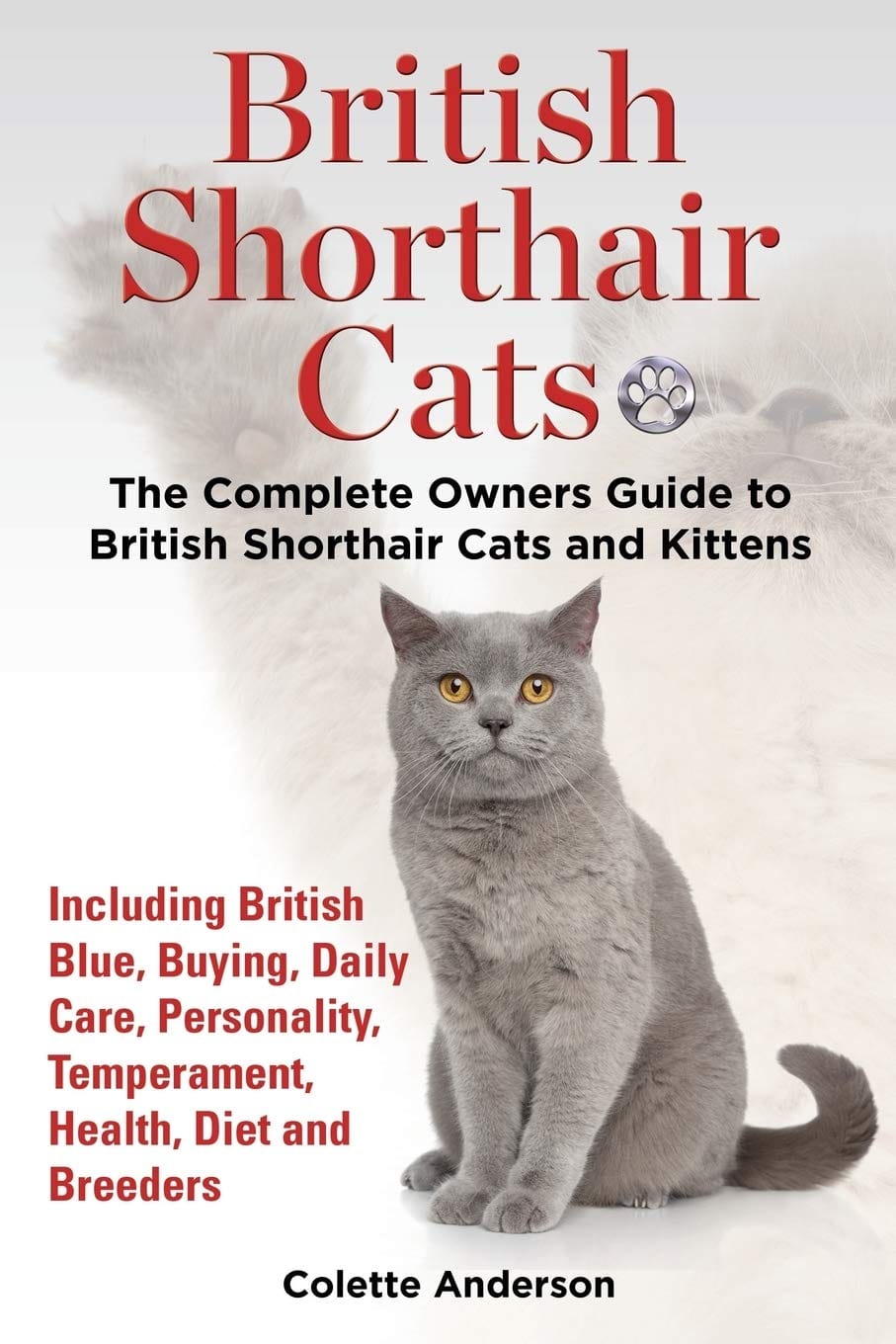
The British Shorthair cat, renowned for its gentle demeanor and stunning good looks, is a popular choice for cat enthusiasts worldwide. If you’re considering welcoming one of these charming felines into your home, or simply curious about the breed, this guide delves into everything you need to know. We’ll explore their fascinating history, unique characteristics, and essential care requirements, ensuring you’re well-prepared for life with a British Shorthair.
A Rich History and Subtle Affection
Originating from the United Kingdom, British Shorthair cats were historically valued for their robust physique and resilient nature, often serving as skilled mousers on farms and ships. Their development in the 19th century involved crossbreeding with Persian cats to enhance their luxurious coats and refined appearance. While not overtly demonstrative, British Shorthairs express their affection in subtle yet meaningful ways. They often show their love by:
- Observing your activities and following you around the house.
- Vocalizing softly in your presence.
- Inviting you to join them in their activities.
- Curling up near you when you rest or sleep.
These cats are content to entertain themselves if you’re not available for play, but they are unlikely to cause mischief. Their dependable nature and propensity for developing good kitten behavior make them an excellent fit for families with children, as they are known to be exceptionally family-friendly.
Temperament: Calm and Independent
A hallmark of the British Shorthair is its laid-back temperament. They are largely self-sufficient and do not require constant stimulation or attention, often content with lounging in their preferred spots. Despite their independent streak, they deeply appreciate their owners’ companionship. Enthusiasts often rank British Shorthairs among the most tranquil cat breeds due to their amiable disposition. While they are reserved and tranquil, they are not necessarily the most vocal breed.
Distinctive Physical Traits: Round Faces and Plush Coats
The unique appearance of British Shorthairs is one of their most defining features. They possess a sturdy, muscular build, ranging from medium to large in size. Their large, round ears, typically copper, blue, or gold, accentuate their oval faces. Perhaps their most recognizable characteristic is their dense, plush coat, which comes in a wide array of colors and patterns, including blue, black, tabby, tortoiseshell, and colorpoint.
Compatibility with Other Pets
As delightful companions, British Shorthairs generally enjoy the company of both humans and other animals. Introducing a new British Shorthair into a household with existing pets, such as dogs, requires patience to ensure harmonious integration. Their calm nature means they are unlikely to provoke conflict; if another animal becomes bothersome, a British Shorthair will typically retreat to an area where they feel more in control.
Grooming and Care: Low Maintenance Needs
Maintaining the health and appearance of a British Shorthair’s thick, soft coat requires minimal effort. Weekly brushing is usually sufficient to manage shedding and prevent hairballs, especially during seasonal molts. Their relatively low grooming demands make them an ideal choice for first-time cat owners.
Beyond coat care, regular dental hygiene, ear cleaning, and nail trimming are essential. Due to their lower energy levels, encouraging regular physical activity is crucial to manage their weight and prevent obesity, a common concern in adult British Shorthairs.
Potential Health Concerns
While generally a robust and long-lived breed, British Shorthairs can be prone to certain health issues. Hypertrophic cardiomyopathy (HCM), a heart condition, can be managed with regular veterinary monitoring. As mentioned, their sedentary tendencies can also lead to obesity if not managed through diet and exercise.
Responsible ownership includes a commitment to preventive care, regular veterinary checkups, and early detection of any potential health problems. A balanced diet, stimulating play, and a stress-free environment are key to minimizing health risks and ensuring a long, healthy life for your British Shorthair.
Essential Tips for New Owners
Ensuring your new British Shorthair feels welcomed and comfortable is paramount. Beyond simply adopting a kitten, providing for their specific needs is vital:
- Litter Boxes: Provide at least two litter boxes, each significantly larger than the cat itself (at least 50% longer and wider than an adult cat).
- Feeding Dishes: Opt for ceramic or steel bowls, as plastic can harbor bacteria due to scratches.
- Sleeping Areas: Designate at least one comfortable, washable sleeping spot for your cat, though they will likely choose to sleep in various locations.
Scratching is a natural and necessary behavior for cats, promoting muscle, joint, and claw health. Without designated scratching posts or mats, they may turn to your furniture. Providing appropriate scratching options, such as horizontal scratching mats, can help redirect this behavior and contribute to good kitten behavior development.
Conclusion: Embracing the British Shorthair Lifestyle
In conclusion, the British Shorthair is a distinguished breed characterized by its calm nature and affectionate, albeit subtle, expressions of love. While some may be more independent during playtime, interacting with them at their own pace is key to building a strong bond. Professional kitten behavior development strategies can further encourage positive interactions, helping your British Shorthair become a well-behaved and cherished member of your family.
