
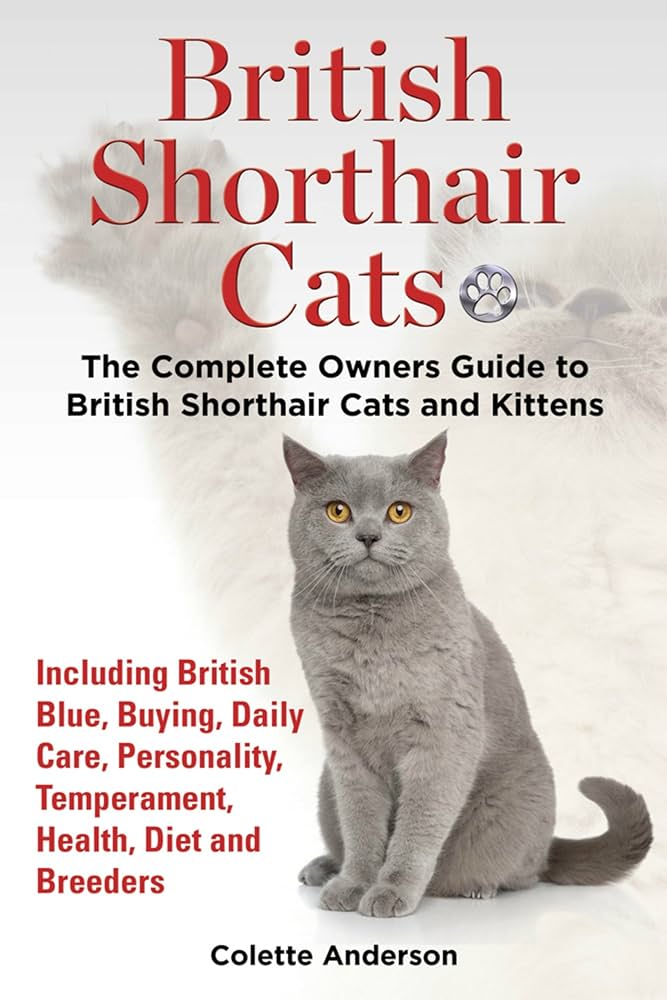
The British Shorthair cat is a breed that captivates with its gentle nature and striking appearance. Often described as “plush coat cats,” they have a rich history that traces back to the rugged conditions of British fields and ships, where their resilience and adaptability made them invaluable companions. Initially crossed with Persians in the 19th century to refine their coats and overall look, these cats have evolved into one of the most serene and beloved breeds today. While they may express affection in subtle ways, their loyalty and companionship are undeniable, making them a wonderful addition to many households. Whether you’re considering bringing a British Shorthair into your home or are simply curious about this charming breed, this guide will provide a comprehensive overview of what makes them so special.
Understanding the British Shorthair Temperament
British Shorthairs are renowned for their calm and easy-going temperament, a quality that makes them highly adaptable and relatively low-maintenance. They are largely self-sufficient and do not require constant stimulation or attention, often content to observe their surroundings from a comfortable vantage point. Despite their independent nature, they deeply appreciate their owners’ companionship and often show their affection through quiet presence and gentle interactions.
You can tell if your British Shorthair feels a bond with you if they:
- Follow you around the house, showing a keen interest in your activities.
- Vocalize around you, initiating gentle meows or purrs.
- Invite you to join them in their activities or simply seek your presence.
- Curl up close to you when you are resting or sleeping.
While they enjoy engaging with their humans, they are also adept at entertaining themselves if you are busy. This inherent independence, combined with their reliable disposition and suitability for proper kitten behavior development, makes them an excellent choice for families with children.
Distinctive Physical Features
The British Shorthair’s unique appearance is a significant part of its charm. These cats possess a robust, muscular build, ranging from medium to large in size. Their most striking features include large, round ears that accentuate their oval faces and are often found in captivating copper, blue, or gold hues.
Perhaps the most recognizable characteristic is their dense, plush coat, which comes in an impressive array of colors and patterns. While the classic “British Blue” (a solid grey-blue) is iconic, the breed also boasts tabby, tortoiseshell, colorpoint, and many other variations. This luxurious fur, combined with their sturdy physique, contributes to their distinctive, teddy-bear-like appearance.
Compatibility with Other Pets and Family Members
British Shorthairs generally coexist peacefully with other animals, including dogs and other cats. Their delightful nature means they often enjoy company, provided introductions are managed patiently. If you have an existing pet, it’s advisable to introduce a new British Shorthair gradually to ensure a harmonious transition. They typically avoid conflict, preferring to disengage and find a more comfortable environment if a situation becomes stressful. This placid nature extends to their interactions with children, making them a suitable breed for households with kids, provided both pet and child are taught to respect each other’s boundaries.
Grooming and Essential Care Needs
Maintaining the healthy condition of a British Shorthair’s thick coat and minimizing shedding around the house requires minimal effort. Weekly brushing is usually sufficient to keep their fur in good order and help prevent hairballs, especially during seasonal shedding periods. This low-maintenance grooming requirement makes them a sensible option for first-time cat owners.
Beyond coat care, regular attention to dental hygiene, ear cleaning, and nail trimming is essential. Due to their naturally lower energy levels compared to some other breeds, it’s important to encourage regular physical activity. This helps manage their weight, preventing obesity, which can be a common concern for adult British Shorthairs.
Common Health Concerns
While British Shorthairs are generally a robust and long-lived breed, they can be prone to certain health issues. Hypertrophic Cardiomyopathy (HCM), a common heart condition in cats, can be managed with regular monitoring by a veterinarian. Additionally, their laid-back lifestyle and tendency to enjoy lounging can contribute to weight gain if not managed through diet and exercise.
Responsible ownership involves proactive health management. Regular veterinary check-ups are crucial for early detection and prevention of potential problems. By providing a balanced diet, encouraging active play, and maintaining a stress-free environment, owners can significantly decrease health risks and ensure their British Shorthair enjoys a long and healthy life.
Guidance for New British Shorthair Owners
Bringing a British Shorthair into your home means ensuring they feel accepted and comfortable from the start. Proper preparation is key to meeting their essential needs:
- Litter Boxes: Provide at least two litter boxes per cat. Each box should be approximately 50% larger and wider than your adult cat to ensure adequate space.
- Food and Water Bowls: Opt for ceramic or steel dishes, as plastic can become scratched over time, harboring bacteria.
- Dedicated Sleeping Space: While cats sleep wherever they please, dedicating at least one comfortable, washable sleeping spot to your British Shorthair is beneficial.
Scratching is a natural and important behavior for cats, aiding in muscle and joint health, as well as claw maintenance. To prevent your furniture from becoming a scratching post, provide dedicated scratching surfaces such as horizontal scratching mats. Encouraging early kitten behavior development can also help establish good habits.
Conclusion
In summary, British Shorthairs are a distinctive breed characterized by their gentle demeanor, striking appearance, and relatively independent nature. While some may be less inclined towards extensive training, understanding and respecting their unique personalities is key to a harmonious relationship. Interacting with them at a pace they are comfortable with, avoiding overly assertive approaches, can foster a strong bond. Implementing professional kitten behavior development strategies can further support well-behaved adult cats who are encouraged to communicate and thrive as cherished family members.
