
For many dog lovers, the dream of pet ownership often comes with a furry caveat: shedding. Excessive dog hair can be a challenge for household cleanliness and a significant trigger for allergy sufferers. Fortunately, there are many wonderful breeds of dogs that don’t shed a lot, offering a fantastic solution for those seeking companionship without the constant battle against dander and loose fur. This guide explores the characteristics of these low-shedding canine companions and highlights specific breeds perfect for various lifestyles, aiming to help you find your ideal furry friend.
Understanding “Low-Shedding” and “Hypoallergenic” Dogs
The terms “low-shedding” and “hypoallergenic” are often used interchangeably, but it’s important to understand the nuances. While no dog is truly 100% allergen-free, certain breeds are known to produce fewer allergens or shed less, which significantly reduces the spread of allergens in the home.
What Makes a Dog “Hypoallergenic”?
All dogs produce allergens, primarily through their dander (flakes of dead skin), saliva, and urine, not just their hair. However, dog breeds that are considered “hypoallergenic” typically have a coat type that traps dander and sheds minimally. This means fewer allergens are released into the environment, making them a better fit for people with allergies. The key is reducing the spread of allergens, not eliminating them entirely.
The common misconception is that hypoallergenic dogs don’t shed at all. In reality, they simply shed less compared to heavy-shedding breeds. This reduced shedding means less dander, saliva, and urine particles get attached to loose hair and disperse throughout your home. Even with a low-shedding dog, individuals with severe allergies might still experience symptoms like coughing, itching, or wheezing. Therefore, understanding the reality behind these terms is crucial when considering a new pet. For a deeper dive into reducing pet dander, you can explore information about dogs that dont shed a lot of hair.
Factors to Consider When Choosing a Low-Shedding Breed
Beyond the shedding factor, selecting the right dog involves considering several other aspects to ensure a harmonious match for your home and lifestyle.
Coat Type and Grooming Needs
Low-shedding coats come in various forms: curly, wiry, and even hairless. Each type has specific grooming requirements. Curly coats, like those of Poodles, tend to trap loose hair and dander, preventing it from scattering. However, these coats require regular brushing and professional grooming to prevent matting. Wiry coats, found in many terriers, also shed minimally but need routine stripping or trimming to maintain their texture and health. Hairless breeds, like the Chinese Crested, require skin care to protect them from sun exposure and dryness. Before bringing home a low-shedding dog, research their specific grooming regimen to ensure you can commit the necessary time and resources.
Temperament and Lifestyle Fit
Even the lowest-shedding dog might not be the right fit if their temperament doesn’t align with your family’s lifestyle. Consider the dog’s energy level, trainability, and social needs. Do you want an active companion for outdoor adventures or a calm lap dog? Some low-shedding breeds are highly energetic and require significant exercise, while others are more laid-back. It’s also important to consider how well the breed typically interacts with children and other pets, especially if you have a bustling household. Many families seek good family dogs that don t shed much for these very reasons.
Size Matters: Small, Medium, and Large Options
The beauty of low-shedding breeds is their diversity in size, ensuring there’s a perfect match for every living situation. From tiny Toy Poodles ideal for apartment living to the robust Giant Schnauzers suited for homes with ample space, you have a wide range of choices. If you’re looking for larger companions, there are also best family large dogs that dont shed that combine a substantial presence with minimal shedding. Consider the size of your living space, your capacity for handling a larger dog, and the exercise requirements that often correlate with a dog’s size.
Top Breeds of Dogs That Don’t Shed a Lot
Here’s a comprehensive list of popular dog breeds known for their low-shedding coats, making them excellent choices for those looking to minimize fur and dander in their homes.
1. Poodle
Poodles are perhaps the most iconic low-shedding breed, celebrated for their intelligence and distinctive curly coats. There are three size varieties—Standard, Miniature, and Toy—all known for minimal shedding. Originally bred as water retrievers, Standard Poodles are active and highly trainable. Miniature and Toy Poodles maintain the same bright minds in a smaller package. Their dense, curly hair requires regular brushing and professional grooming to prevent matting and maintain skin health.
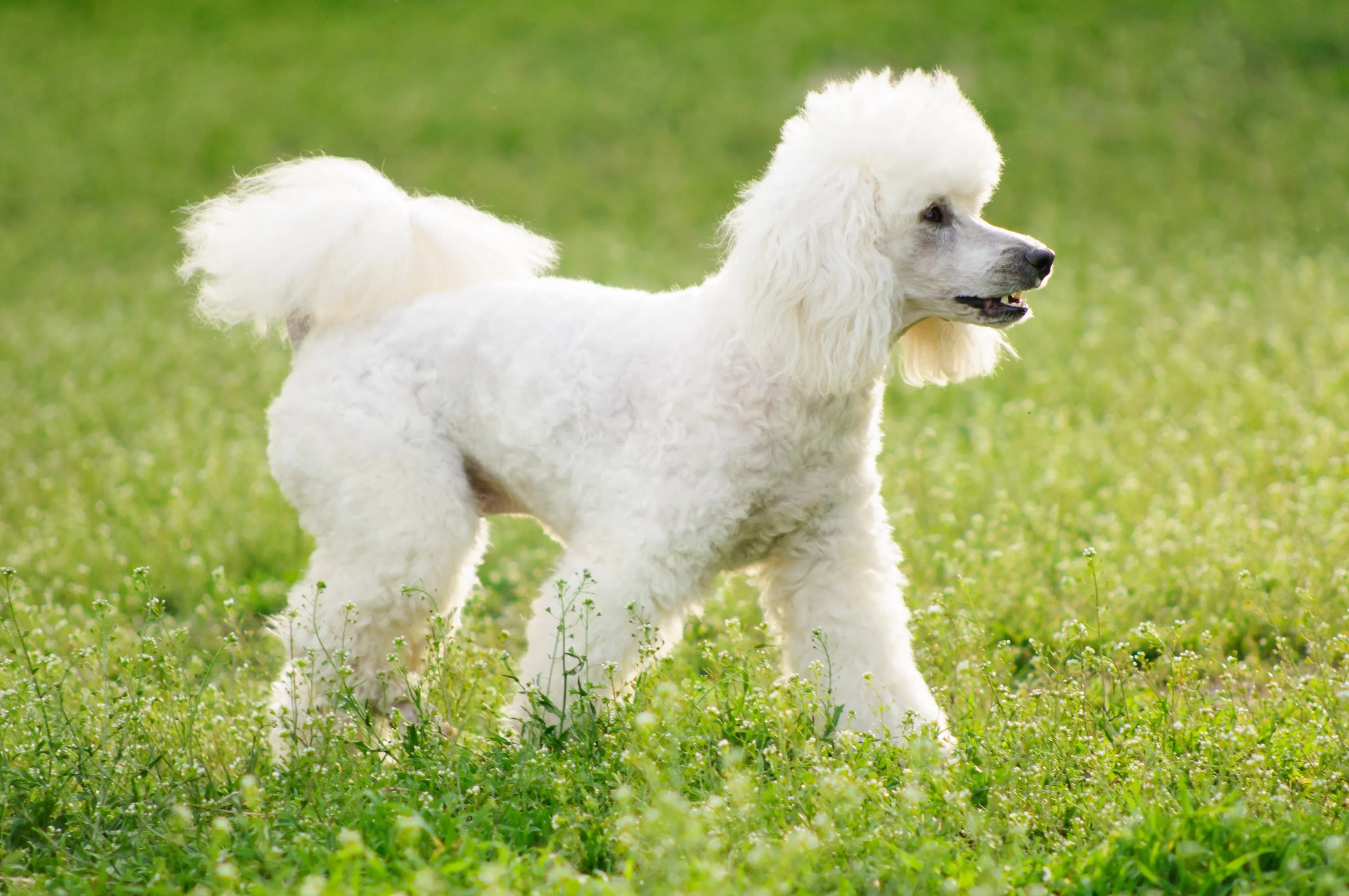 White Poodle gracefully walking through lush green grass
2. Yorkshire Terrier
Known as “Yorkies,” these charming small dogs boast long, silky coats that shed very little. They are spirited, affectionate, and adaptable to various living environments, from urban apartments to larger homes, provided they receive plenty of attention. Despite their dainty appearance, Yorkies have a confident and sometimes feisty personality, making them engaging companions. Their fine hair needs daily brushing to prevent tangles.
3. Shih Tzu
The Shih Tzu is an ancient companion breed characterized by a luxurious double coat and a friendly, outgoing disposition. These small dogs are bred to be affectionate lap warmers. While their long coats are low-shedding, they require consistent grooming to prevent matting. Shih Tzus are brachycephalic (flat-faced), which makes them prone to certain health issues like overheating and breathing difficulties, as well as tear stains around their eyes. Regular eye cleaning can help manage tear stains.
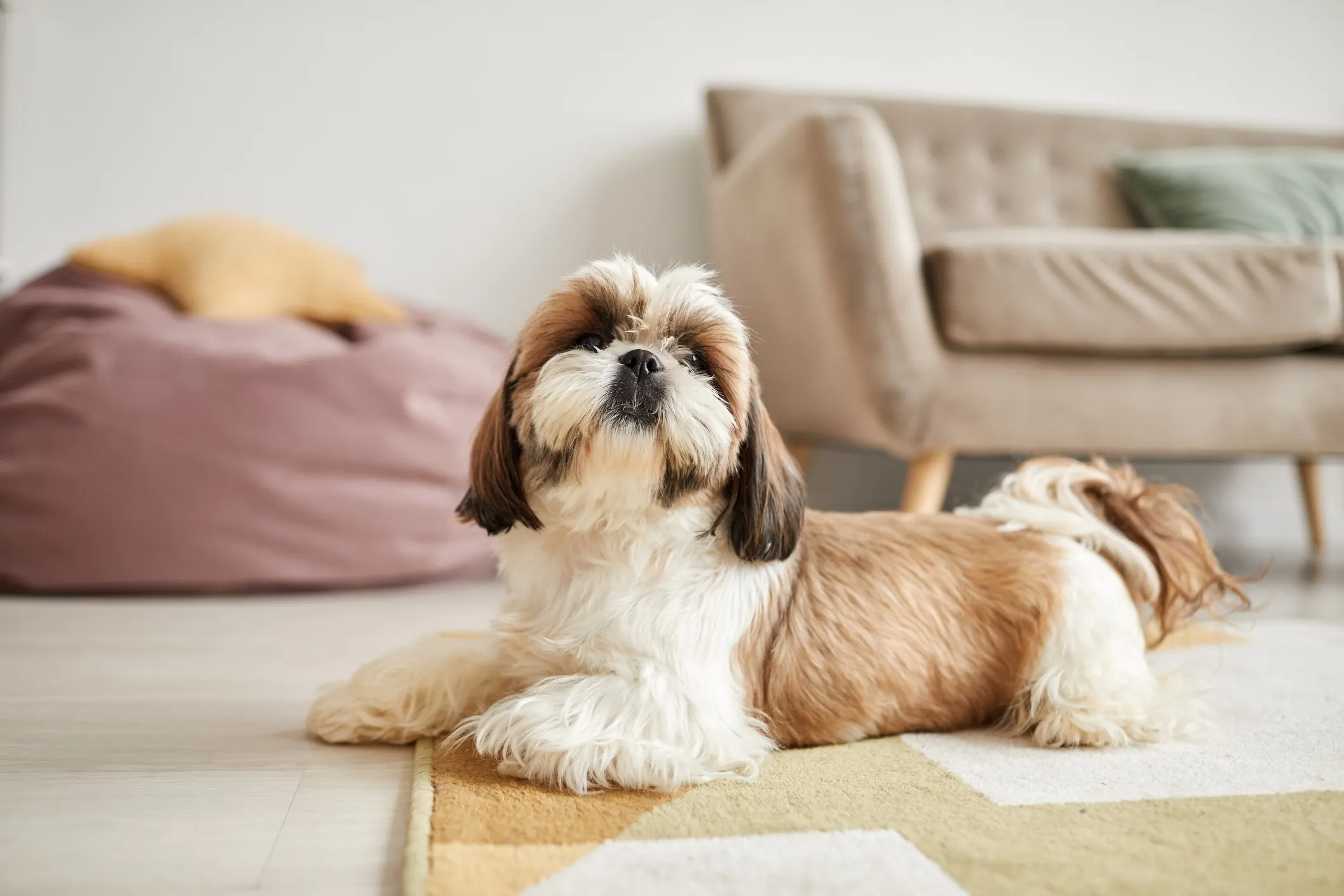 Brown and white Shih Tzu relaxing on a cozy living room floor
4. Miniature Schnauzer
The smallest of the three Schnauzer breeds, the Miniature Schnauzer stands no more than 14 inches tall and weighs between 10-20 pounds. They are intelligent, alert, and sturdy dogs that fit well into many lifestyles, requiring at least an hour of exercise daily. Their distinctive wiry coat sheds minimally but needs regular hand-stripping or professional grooming to maintain its characteristic texture and appearance.
5. Standard Schnauzer
Larger than their miniature counterparts, Standard Schnauzers share the same desirable low-shedding qualities and intelligent nature. Weighing up to 45 pounds, these dogs thrive on activity and love engaging in long walks, games of fetch, and mentally stimulating puzzle toys. Their robust build and keen minds make them excellent working and family dogs, requiring consistent exercise and training.
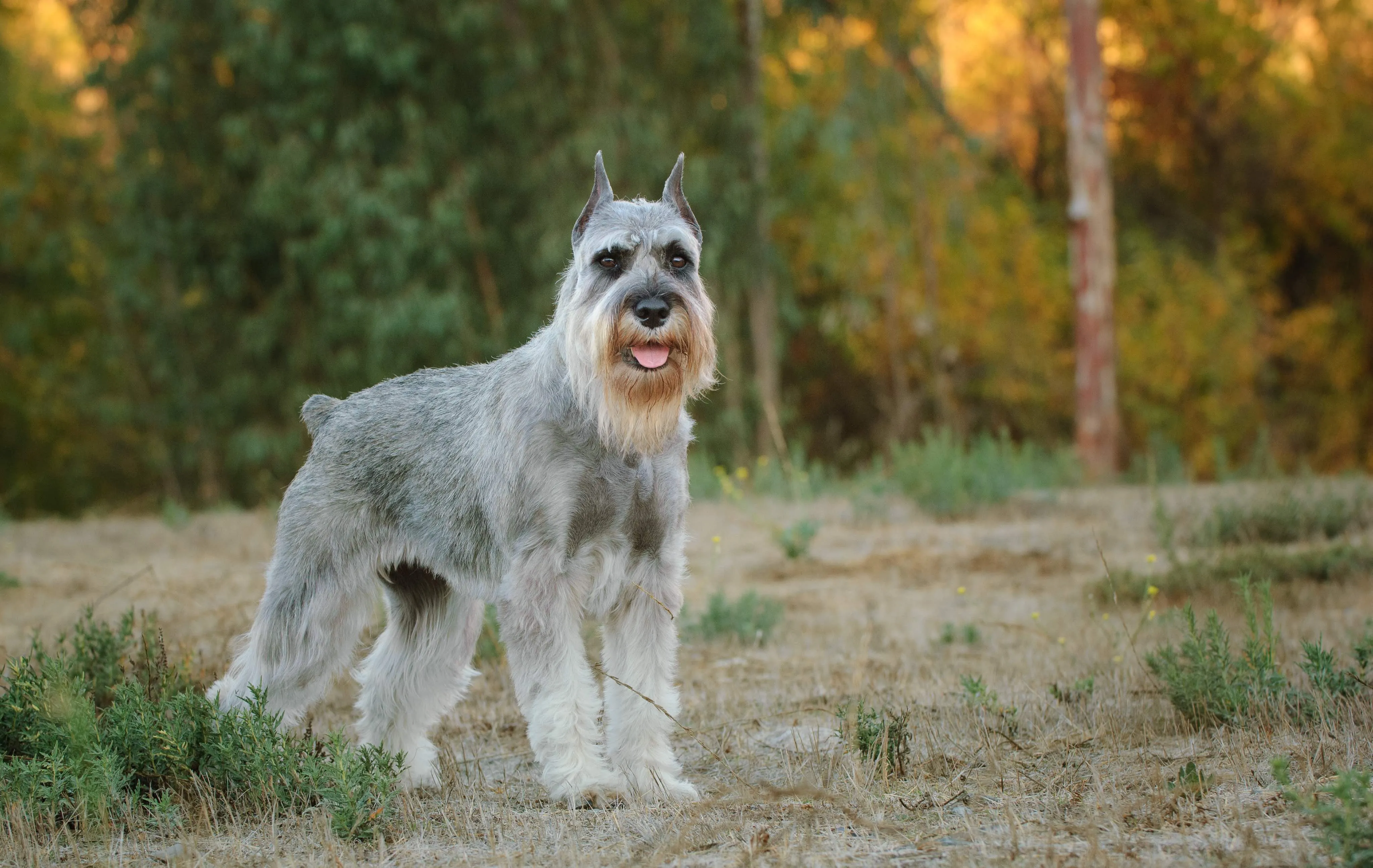 Gray Standard Schnauzer standing alert in a vibrant green field
6. Giant Schnauzer
As the largest of the Schnauzer family, Giant Schnauzers can reach over 27 inches tall and weigh up to 85 pounds. These powerful yet loyal dogs are among the biggest low-shedding breeds. They possess immense energy and intelligence, necessitating extensive exercise such as long walks, runs, hikes, and active playtime to keep them happy and well-behaved. Their impressive presence combined with their low-shedding coat makes them a distinctive choice.
7. Bichon Frise
A truly delightful small breed, the Bichon Frise is known for its playful, affectionate, and cheerful personality. Their soft, curly white coat is low-shedding and resembles a powder puff. Bichons are highly intelligent and eager to please, making them quick learners in basic obedience and enjoyable trick performers. Regular grooming is essential to keep their distinctive coat free from mats.
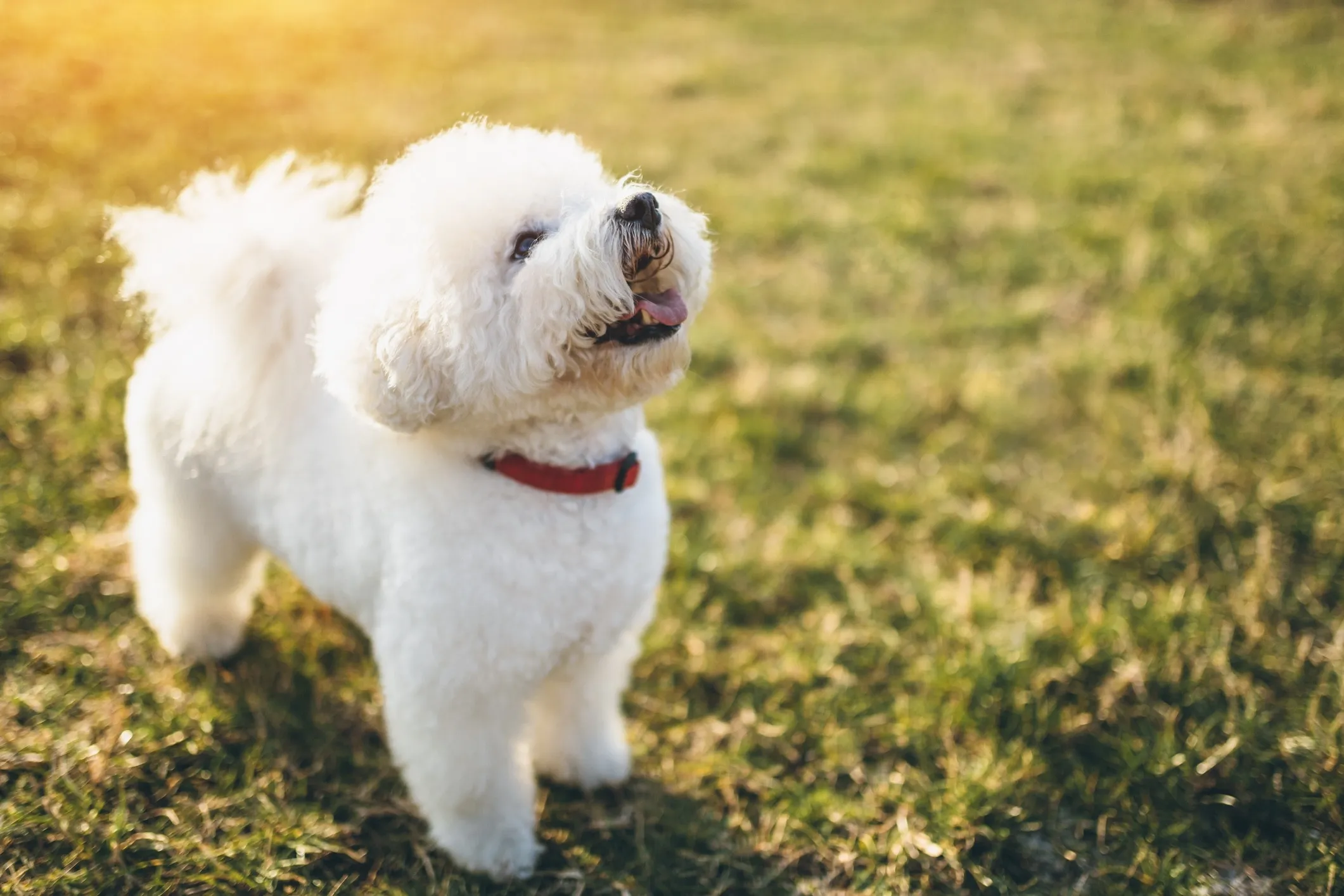 White Bichon Frise dog with a fluffy coat looking up intently in the grass
8. Chinese Crested
The Chinese Crested is famous for its unique appearance, coming in two varieties: hairless and powderpuff. The hairless variety has smooth skin with tufts of hair on its head, tail, and paws, while the powderpuff is covered in a long, silky coat. Both are considered low-shedding. They are playful, affectionate, and make wonderful companions, though the hairless variety requires specific skin care to protect against sunburn and cold.
9. Portuguese Water Dog
Originally bred to assist fishermen, the Portuguese Water Dog is a medium-sized, robust breed with a thick, curly coat that sheds very little. They are highly intelligent, eager to please, and possess a friendly demeanor. True to their name, these dogs love water and require significant daily exercise, often enjoying activities like swimming. Engaging them with floating fetch toys can be an excellent way to meet their high energy demands. You can also learn more about other dog breeds that don t shed too much for various lifestyles.
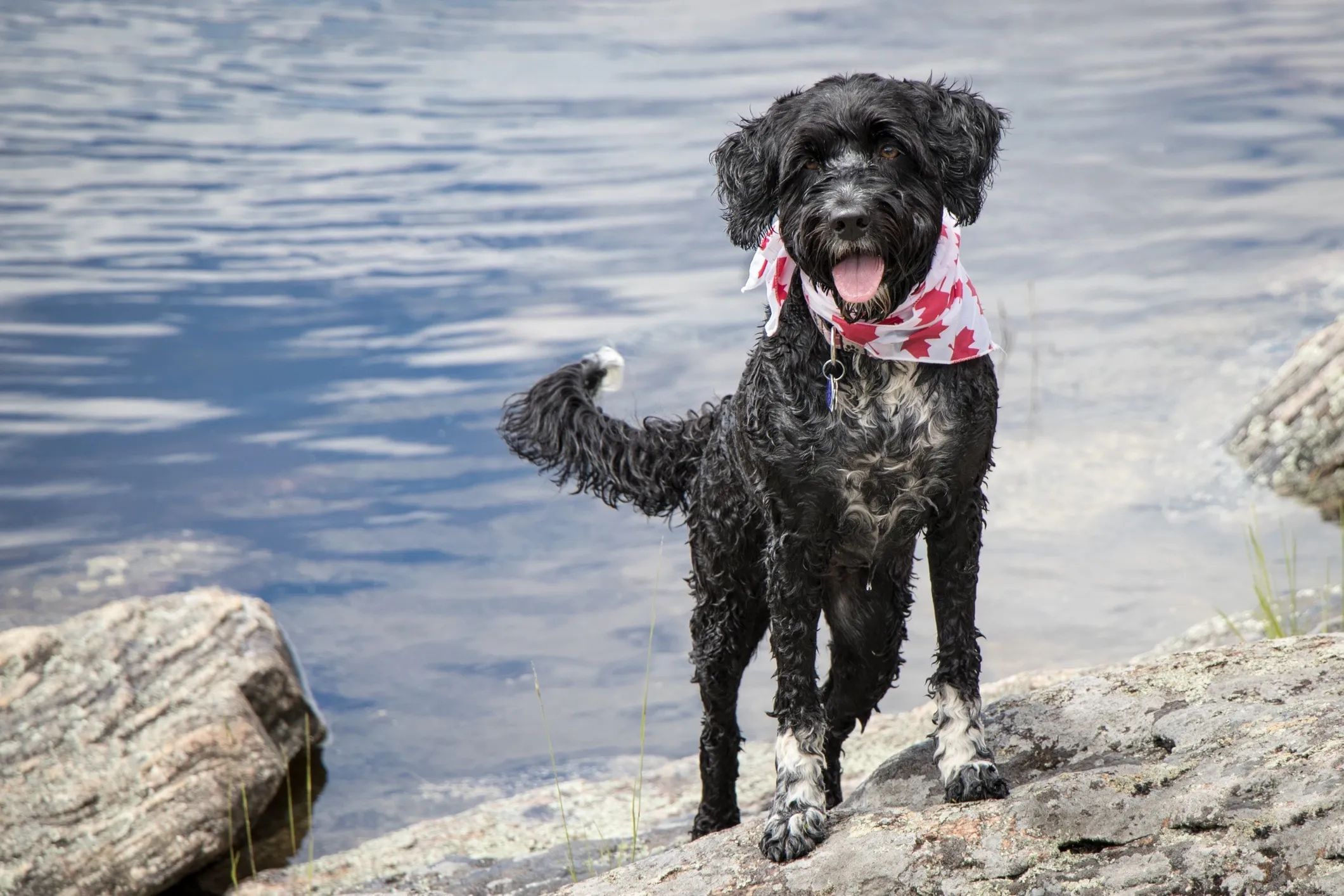 Black and white Portuguese Water Dog wearing a red maple leaf bandana by the water
10. Labradoodle
A popular crossbreed, the Labradoodle is a mix of a Labrador Retriever and a Poodle. They were initially bred to be hypoallergenic service dogs. Labradoodles are known for their intelligence, friendly nature, and gentle disposition, making them excellent family pets. They are highly trainable and generally gentle, especially when well-exercised and socialized from a young age. Their coat can vary from wavy to curly, with most being low-shedding.
11. Goldendoodle
Another beloved “doodle” breed, the Goldendoodle is a cross between a Golden Retriever and a Poodle. Like Labradoodles, they are highly intelligent, possess a friendly temperament, and are low-shedding. While often recognized for their golden coats, Goldendoodles come in a wide array of colors and coat textures. Regular grooming with a slicker brush is necessary to prevent matting of their soft, often wavy or curly, fur.
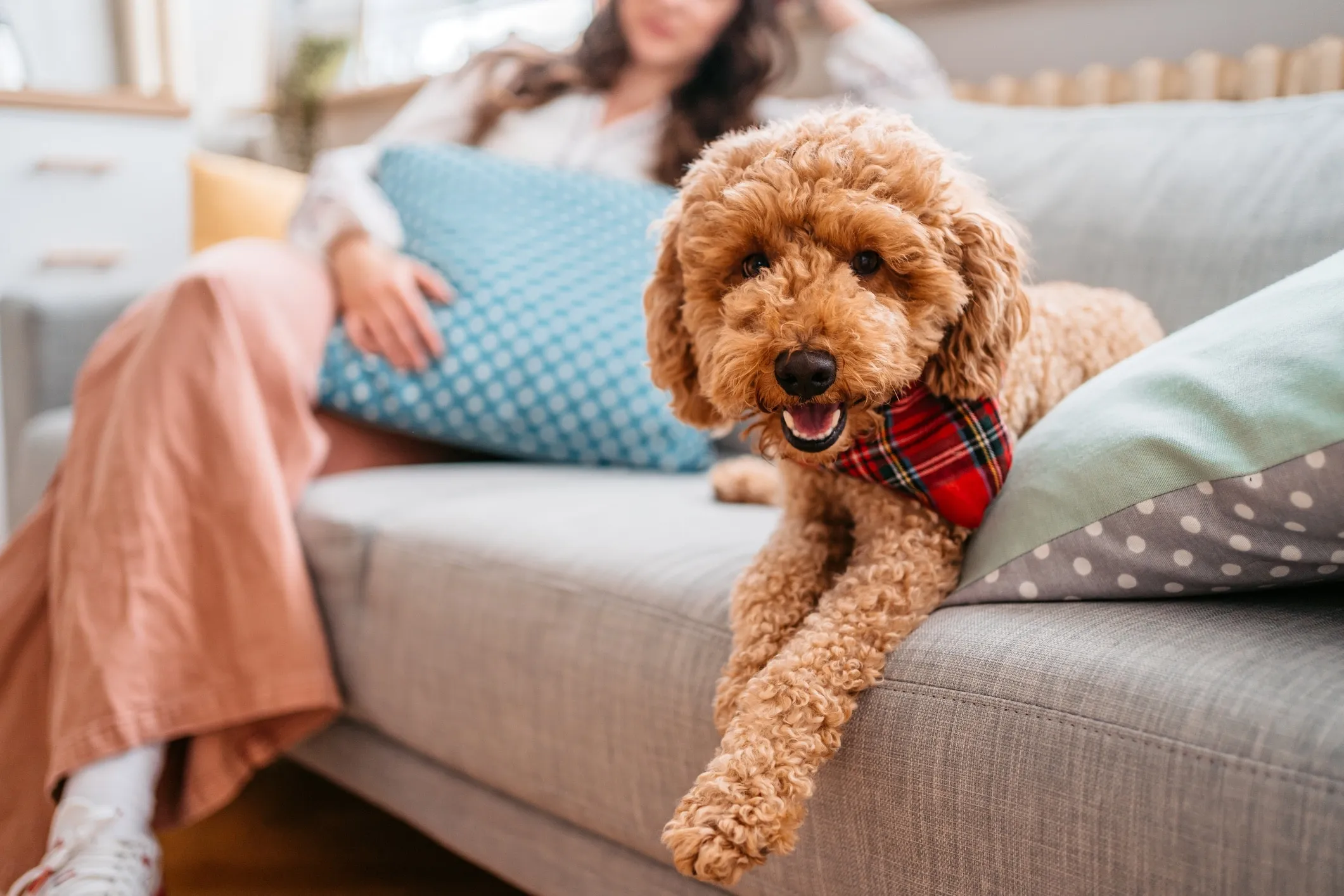 A golden Goldendoodle lying comfortably on a couch with a person in the background
12. Lagotto Romagnolo
Hailing from Italy, the Lagotto Romagnolo was originally bred as a water retriever, with a dense, curly, woolly coat that protected them from cold water. Though less common, these dogs are excellent family pets, known for being good with children and other animals. Their charming nature and protective coat contribute to their low-shedding status, but they require regular grooming to maintain coat health.
13. Affenpinscher
These small, unique low-shedding dogs are often described as having a “monkey-like” appearance. The Affenpinscher’s dense, wiry coat produces fewer allergens than many other breeds. However, this coat demands significant care, including regular at-home brushing and professional stripping, a specialized grooming technique where dead hairs are pulled out by the root rather than trimmed.
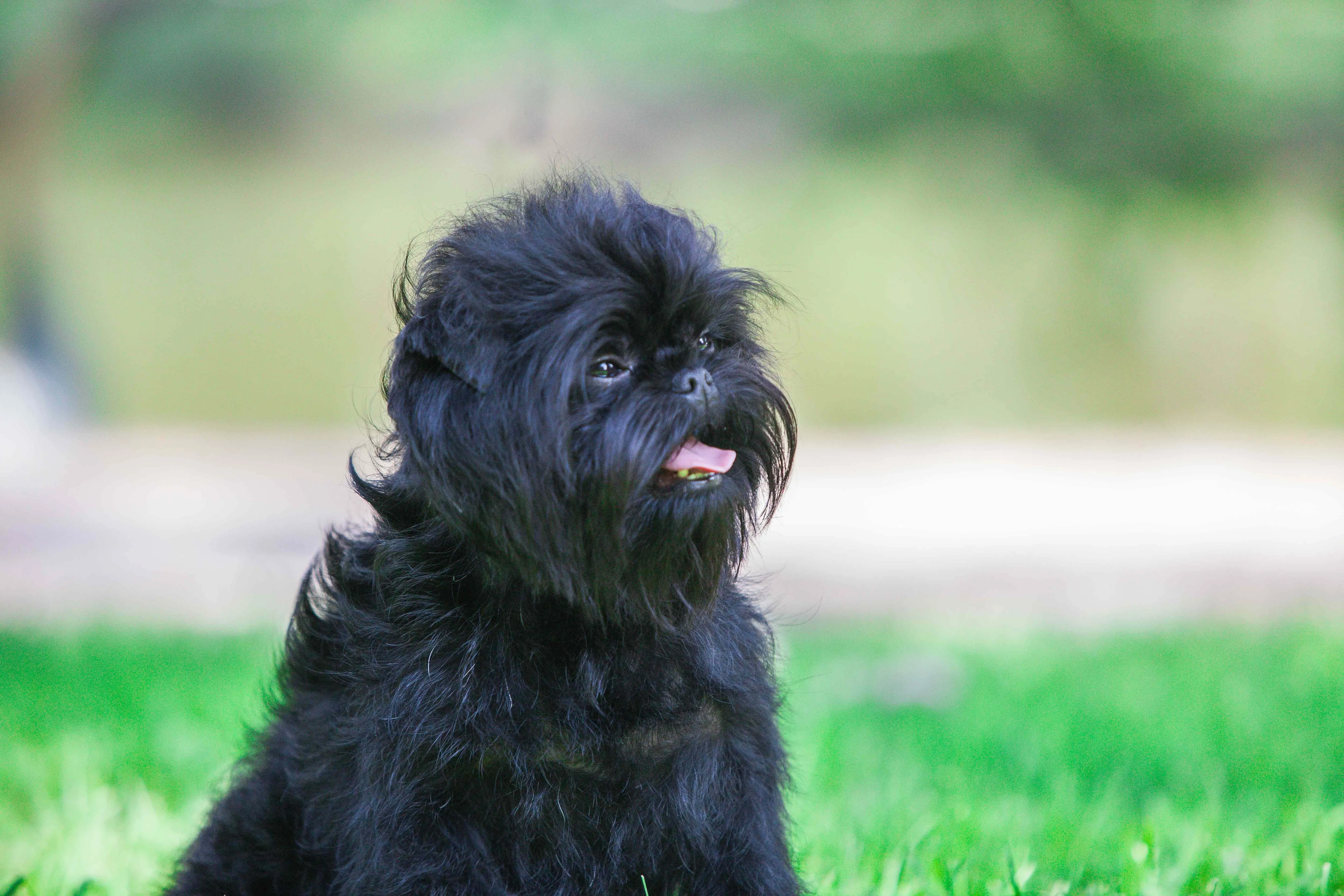 Close-up of a black Affenpinscher dog's distinctive monkey-like face
14. Irish Water Spaniel
Friendly, intelligent, and highly trainable, the Irish Water Spaniel is another water dog breed primarily used for retrieving game. Their thick, curly, liver-colored coat requires consistent grooming and is low-shedding. With high energy levels, these dogs need ample exercise to remain happy and healthy, making them suitable for active families.
15. Aussiedoodle
A cross between an Australian Shepherd and a Standard or Miniature Poodle, the Aussiedoodle is an exceptionally smart and energetic low-shedding dog. Inheriting intelligence and vitality from both parent breeds, they thrive with plenty of exercise and mental stimulation. If bored, they can become destructive, highlighting the importance of enrichment toys and active engagement. These breeds of dogs that don’t shed a lot offer diverse traits.
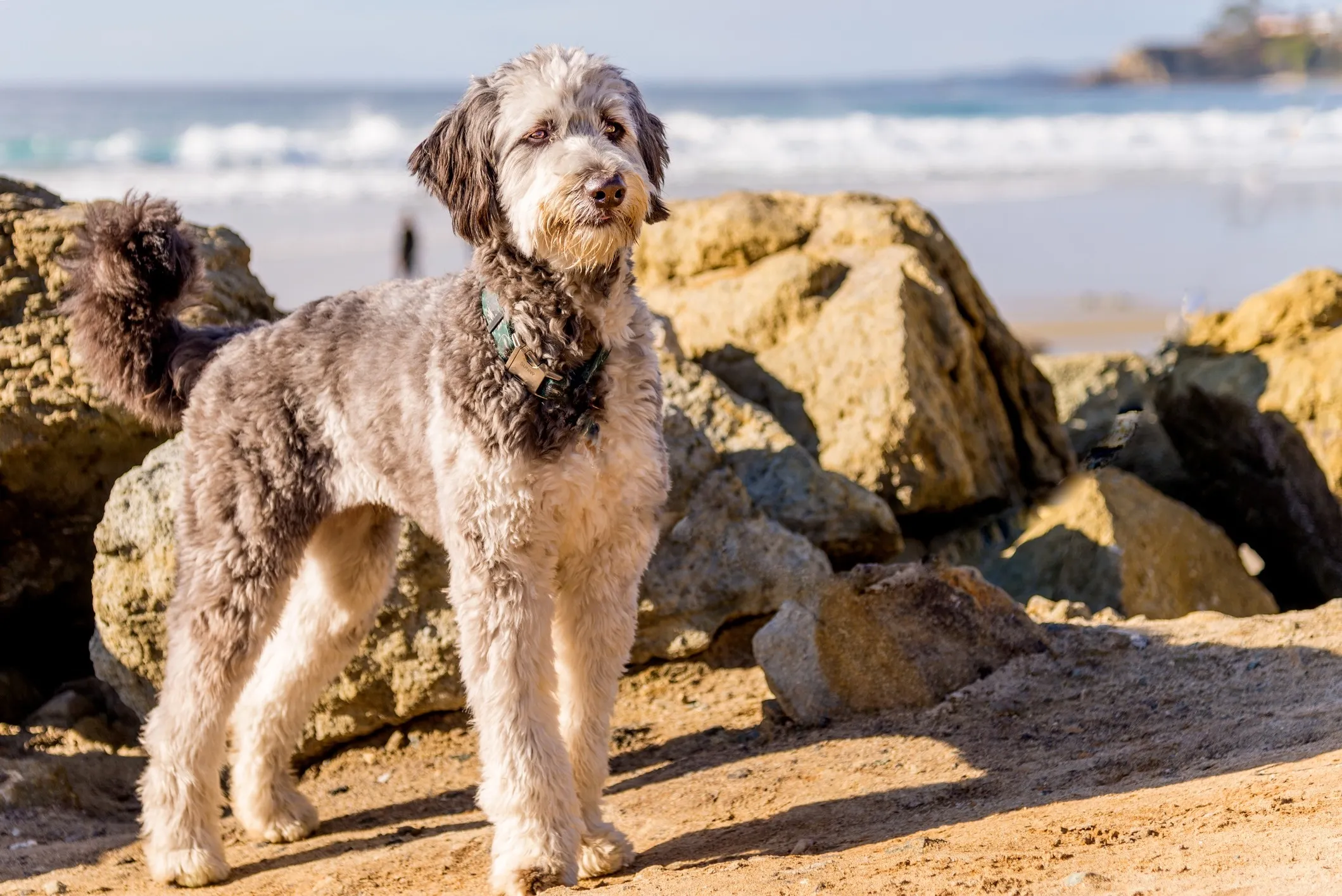 Standard Aussiedoodle dog standing on a sandy beach looking into the distance
16. Bolognese
Originating in Italy, the Bolognese is a charming small dog with a long, fluffy white coat that, despite its somewhat messy appearance, is low-shedding and requires considerable grooming. These playful and easygoing pups are known for getting along well with children and other pets, adapting easily to various living situations.
17. Maltese
The Maltese is a small, elegant dog renowned for its luxurious, silky white coat that sheds minimally. These affectionate and playful companions thrive on human interaction but demand consistent grooming, especially if their beautiful long coat is kept to its full length. Many owners opt for a shorter “puppy cut” to simplify daily care, which can be achieved with dog grooming clippers.
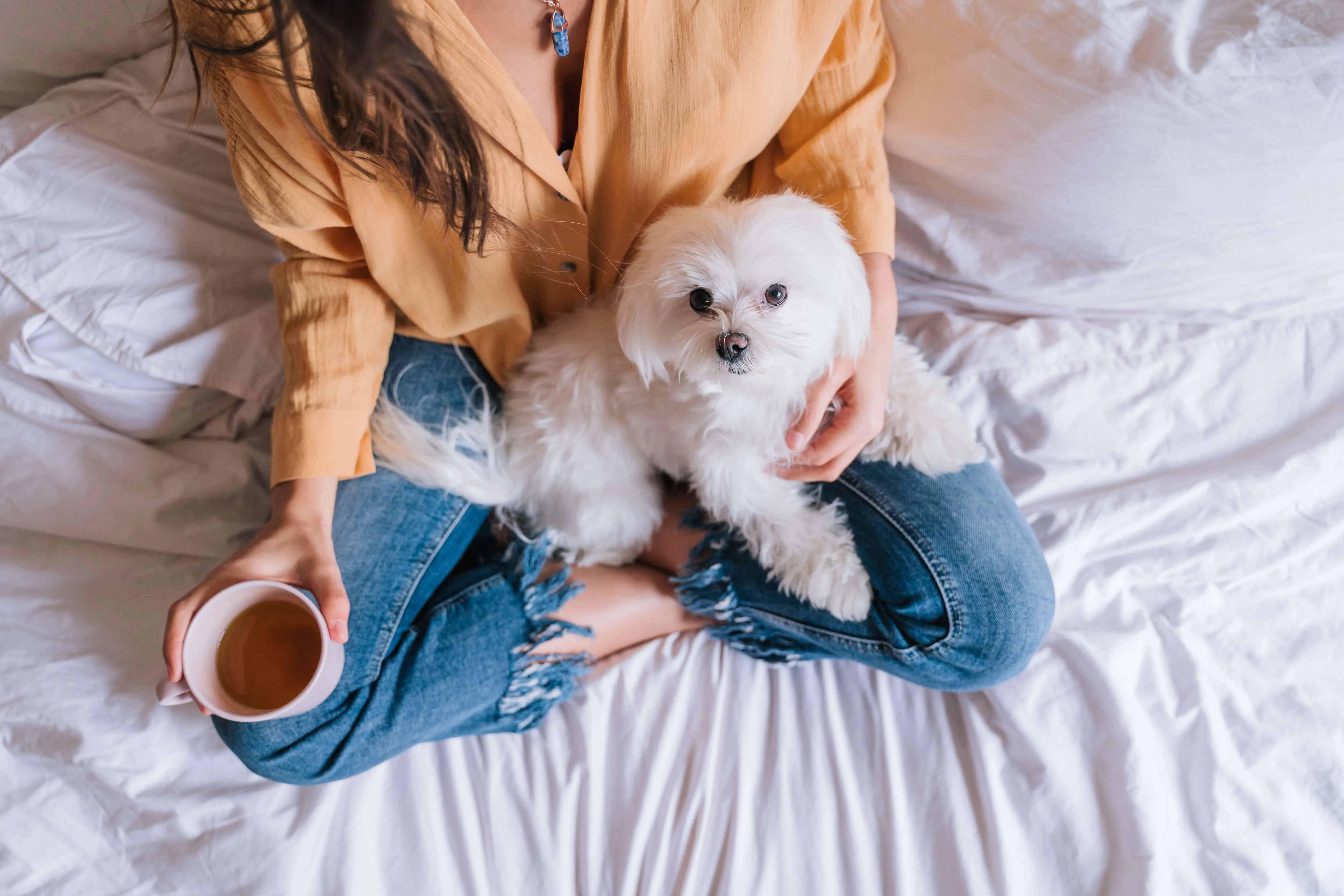 Woman gently holding a white Maltese dog on a bed, showcasing its soft fur
18. Soft Coated Wheaten Terrier
This medium-sized Irish breed is named for its incredibly soft, silky, wheat-colored coat that sheds very little. Wheatens maintain a high energy level throughout their lives, needing ample exercise and mental stimulation to prevent boredom and maintain their characteristic exuberant demeanor. Their friendly and joyful nature makes them popular family pets.
19. Coton de Tulear
A small, low-shedding breed originating from Madagascar, the Coton de Tulear is celebrated for its easygoing and good-natured temperament. Their friendly disposition makes them excellent companions for children and other pets, particularly when proper introductions are facilitated. Their soft, cotton-like coat requires regular grooming to keep it tangle-free.
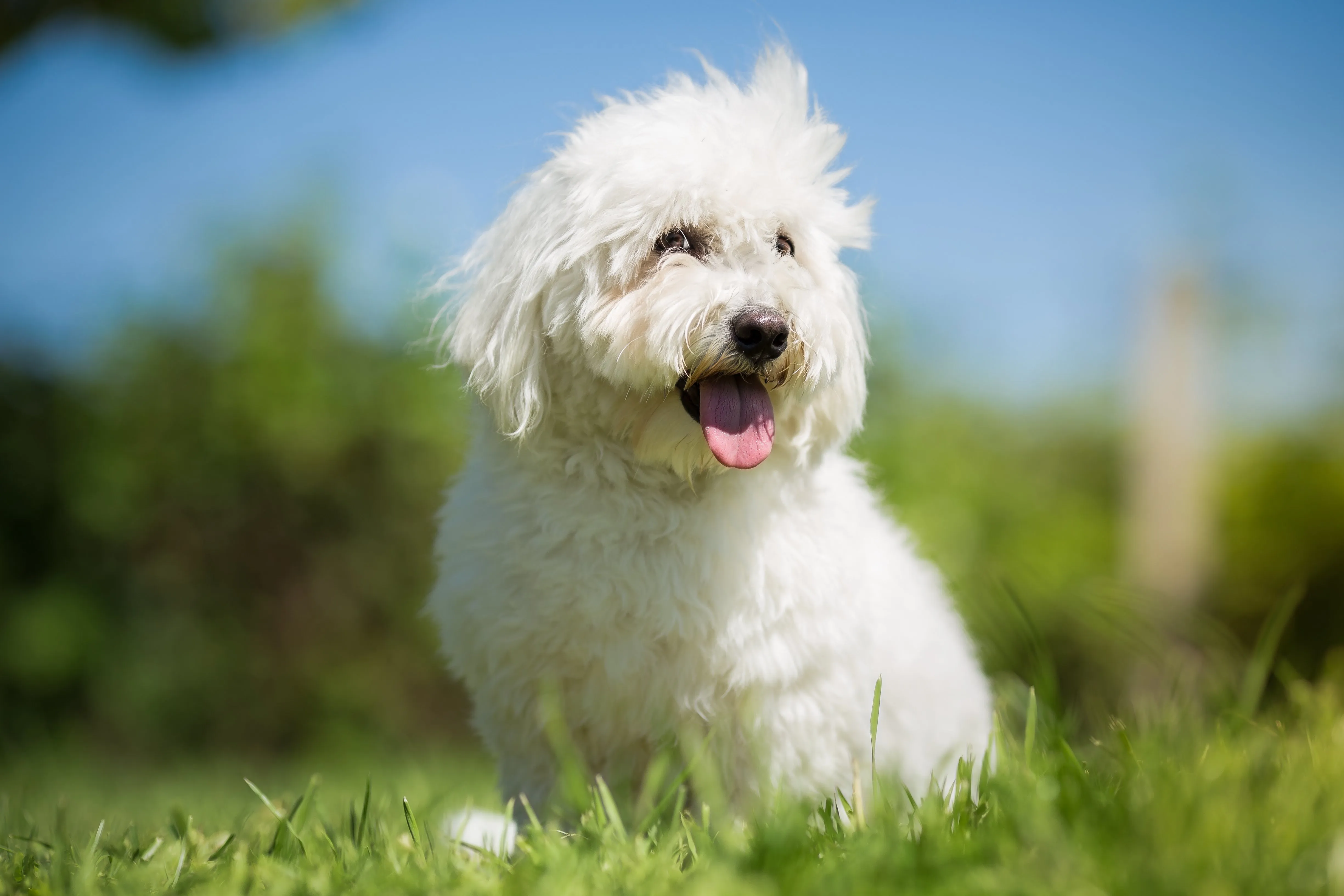 White Coton de Tulear sitting in lush green grass with its hair gently blowing in the wind
20. Schnoodle
The Schnoodle is a designer crossbreed combining two low-shedding parent breeds: the Schnauzer and the Poodle. Their coat can range from curly to wavy, depending on their genetic inheritance, but it is consistently low-shedding. Schnoodles are intelligent, playful, and affectionate, making them versatile family members.
21. Bedlington Terrier
Often referred to as “a lamb in dog’s clothing,” the Bedlington Terrier is a small, curly-haired low-shedding breed known for its distinctive topknot and elegant appearance. These dogs form strong bonds with their families and can develop separation anxiety if left alone for extended periods. Monitoring their activity with a dog camera can help manage such behaviors.
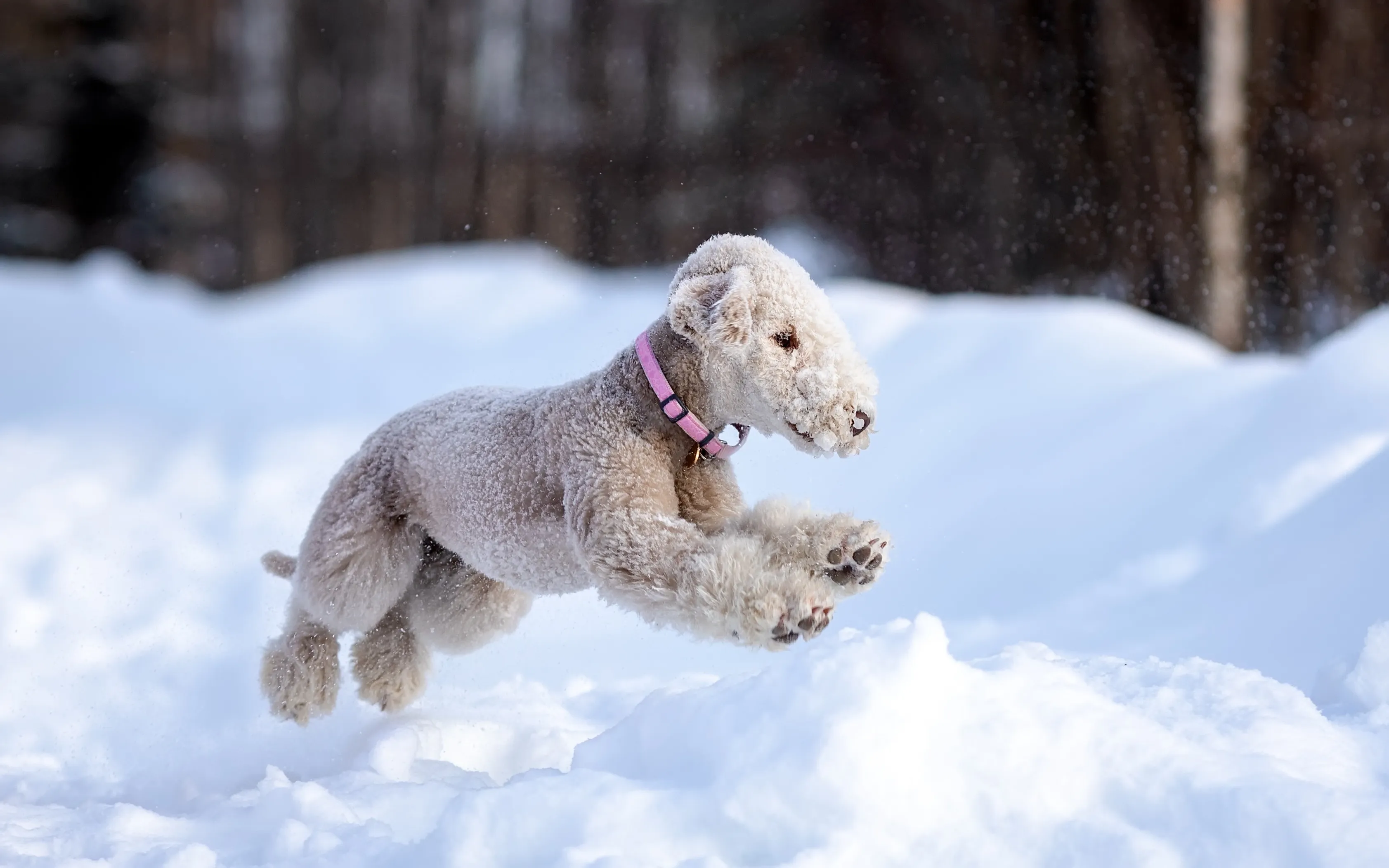 White Bedlington Terrier gracefully running through a snowy landscape
22. Xoloitzcuintli
Also known as the Mexican Hairless Dog, the Xoloitzcuintli is one of the oldest and rarest breeds. Available in toy, miniature, and standard sizes, they can be hairless or coated with a very short, fine fur. Both varieties are low-shedding. Xolos are known for their calm demeanor, loyalty, and require minimal grooming for their hairless skin, but sun protection is essential.
23. Whoodle
The Whoodle is a charming crossbreed resulting from a Soft-Coated Wheaten Terrier and a Poodle. These friendly dogs inherit intelligence and an affectionate nature from both parents and are known for their very low shedding. Whoodles are generally outgoing and playful, fitting well into active families who can provide them with sufficient engagement.
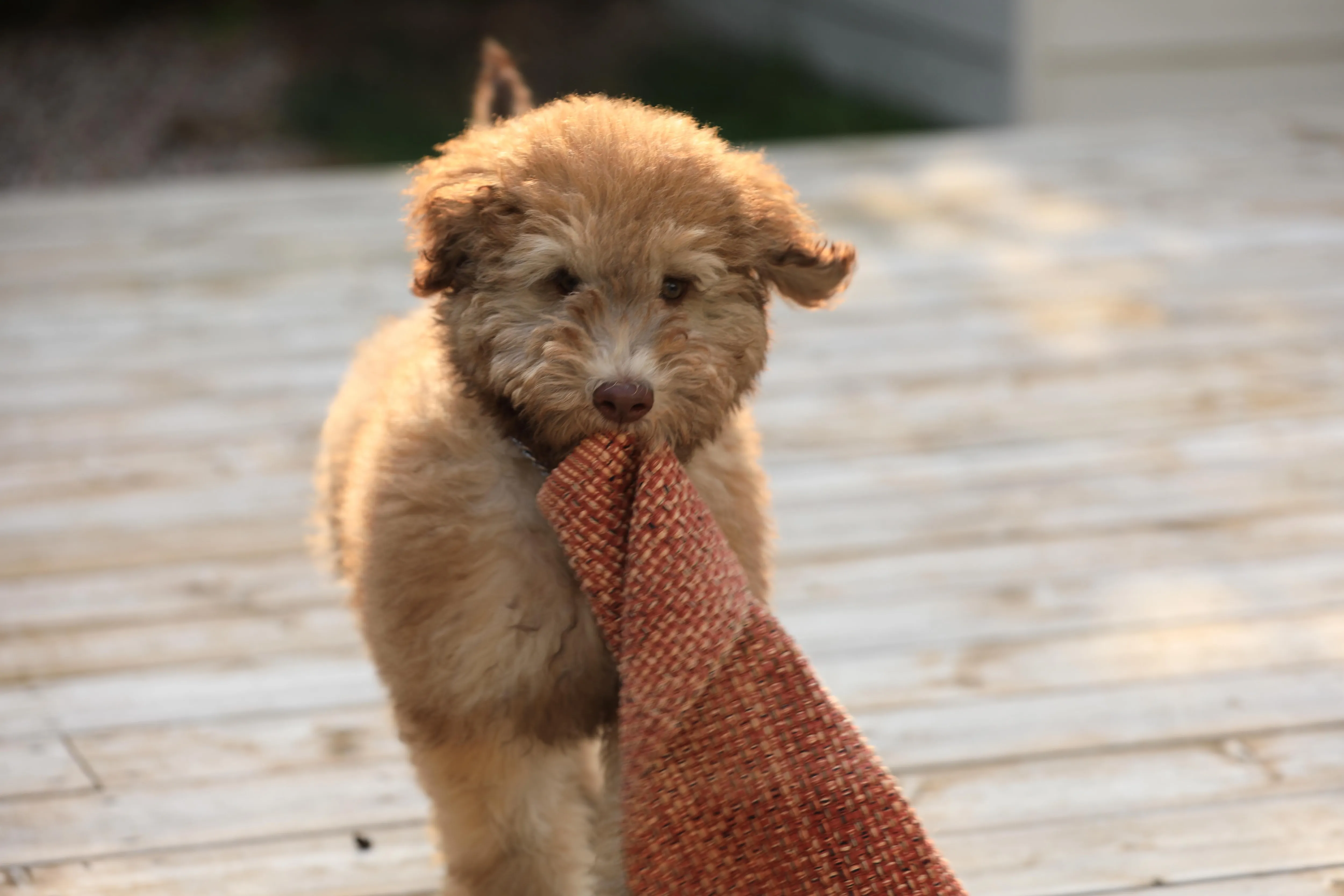 Tan Whoodle puppy playfully dragging a wash cloth across the floor
24. Bernedoodle
A cross between a Bernese Mountain Dog and a Poodle, Bernedoodles combine the gentle nature of the Bernese with the intelligence and low-shedding coat of the Poodle. These large, affectionate dogs are popular choices for families with children and other pets due to their friendly demeanor. They require plenty of exercise to stay active and content.
25. Shorkie
The Shorkie is a lively mixed breed created from a Shih Tzu and a Yorkshire Terrier, combining the best traits of two low-shedding dogs. These small, playful, and friendly companions thrive on human interaction. Like many breeds on this list, Shorkies require a dedicated and regular grooming routine to keep their coats in good condition. You might be asking yourself, “can you show me dogs that don t shed?”, and the Shorkie is a great example.
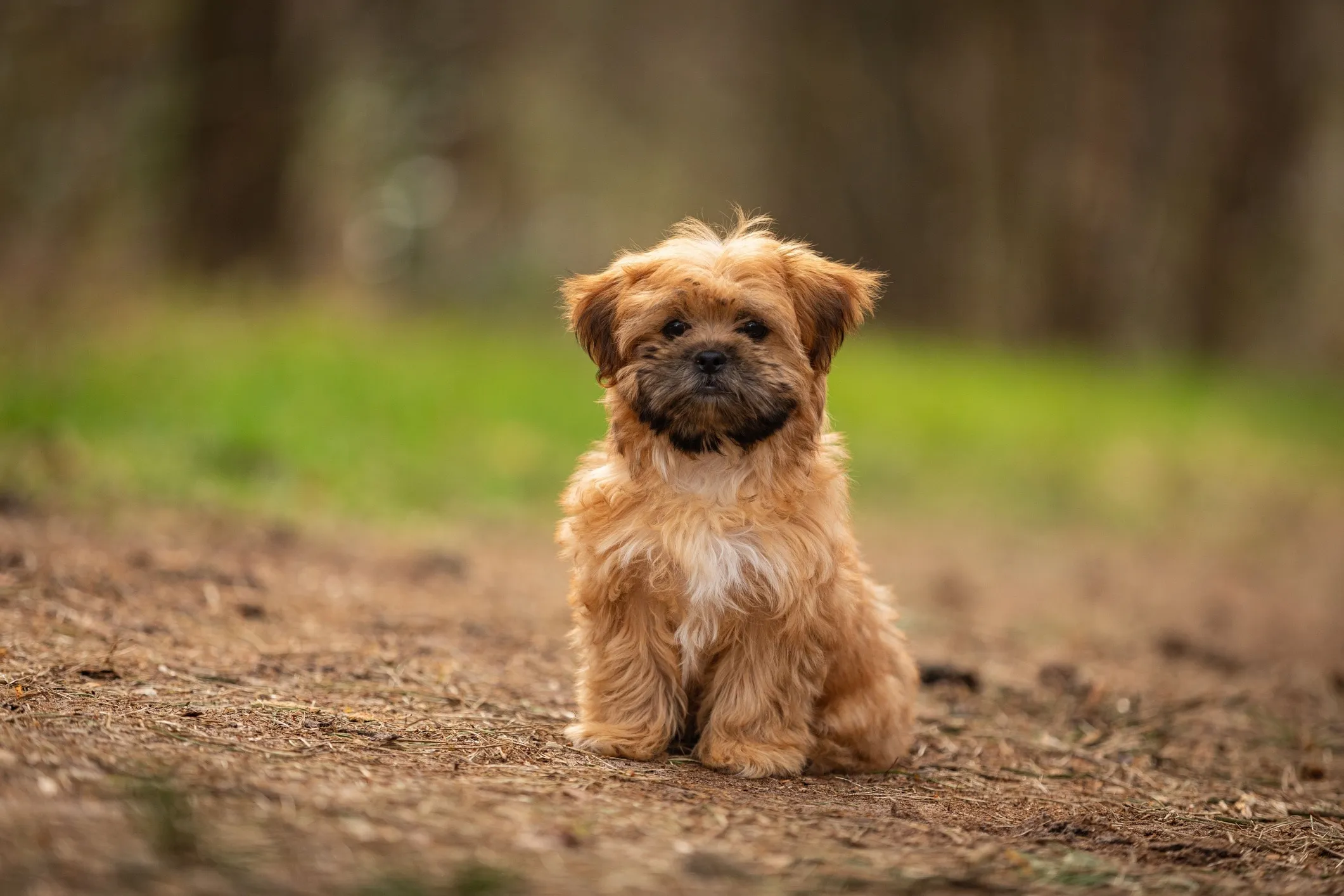 Tan and black Shorkie mix sitting on a hiking trail, alert and curious
26. Afghan Hound
Afghan Hounds are striking dogs with a distinctive long, flowing coat and a slender build, known for their incredible speed. Despite their voluminous hair, they are considered low-shedding. These elegant hounds are loving towards their families but can be reserved with strangers, emphasizing the importance of early and consistent socialization. Their magnificent coat requires substantial grooming to prevent tangles and mats.
27. Barbet
The Barbet, pronounced “bar-bay,” is a cheerful pup with a shaggy, woolly, low-shedding coat. The name “Barbet” means “beard” in French, referring to their characteristic hairy chin. These large, water-loving dogs enjoy swimming, a trait enhanced by their protective curly coat. To maintain the Barbet’s coat in optimal condition, especially after water activities, regular brushing with a slicker or pin brush two to three times a week is essential.
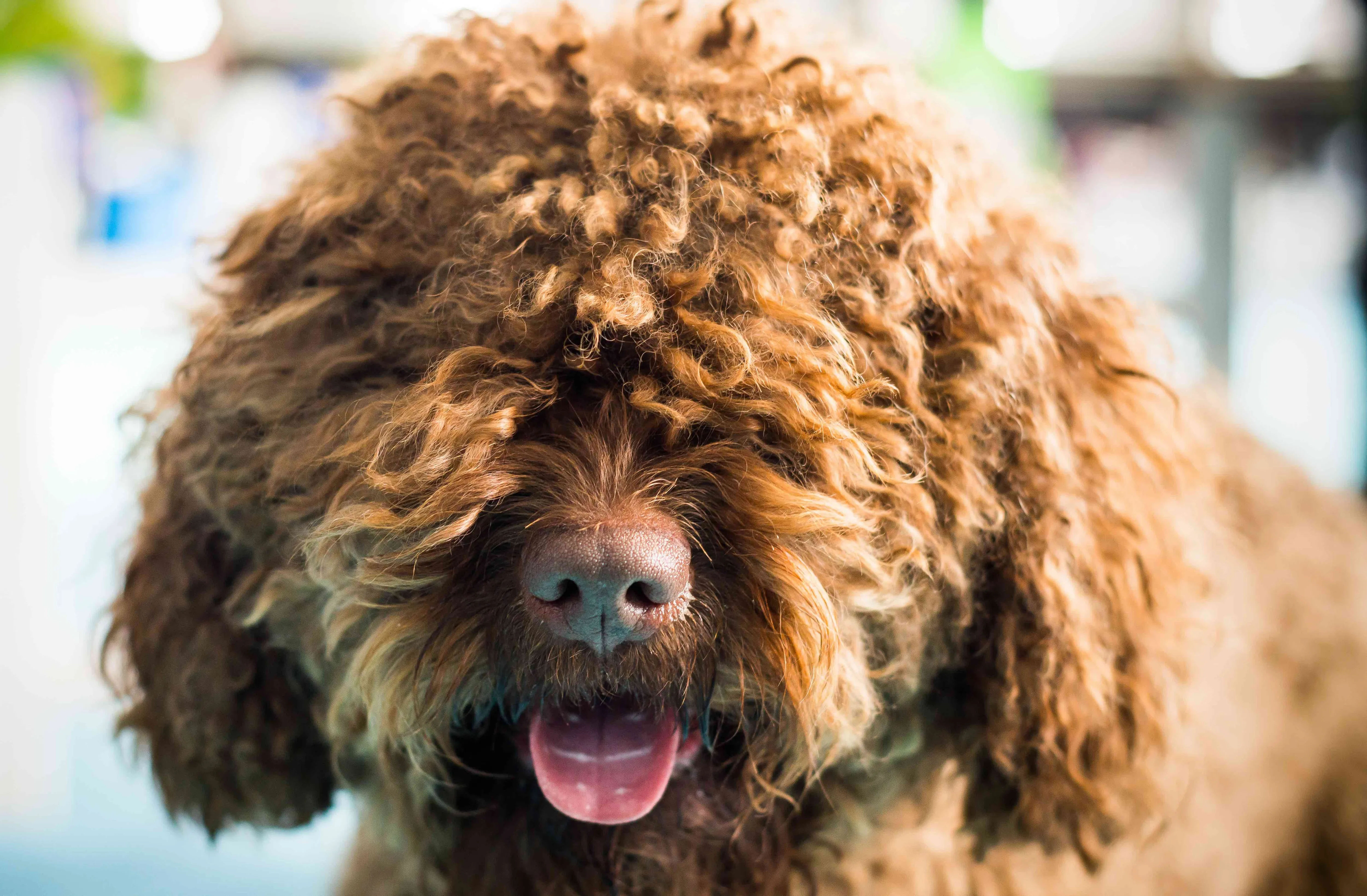 Close-up of a curly red Barbet dog's cheerful face with characteristic beard
28. Shih-Poo
The Shih-Poo is a mixed breed resulting from a cross between a Shih Tzu and a Poodle (most commonly a Toy Poodle). These small, adaptable dogs typically thrive in almost any living situation, provided they receive about 30 minutes of daily exercise and regular brushing sessions. Their playful and affectionate nature makes them delightful household members.
29. Peruvian Inca Orchid
A rare and ancient breed, the Peruvian Inca Orchid is considered low-shedding due to its predominantly hairless body, though some coated varieties exist. They come in small, medium, and large sizes and are the national dog of Peru. These graceful dogs are loyal and protective of their families, requiring special skin care for the hairless variety to prevent sunburn and dryness.
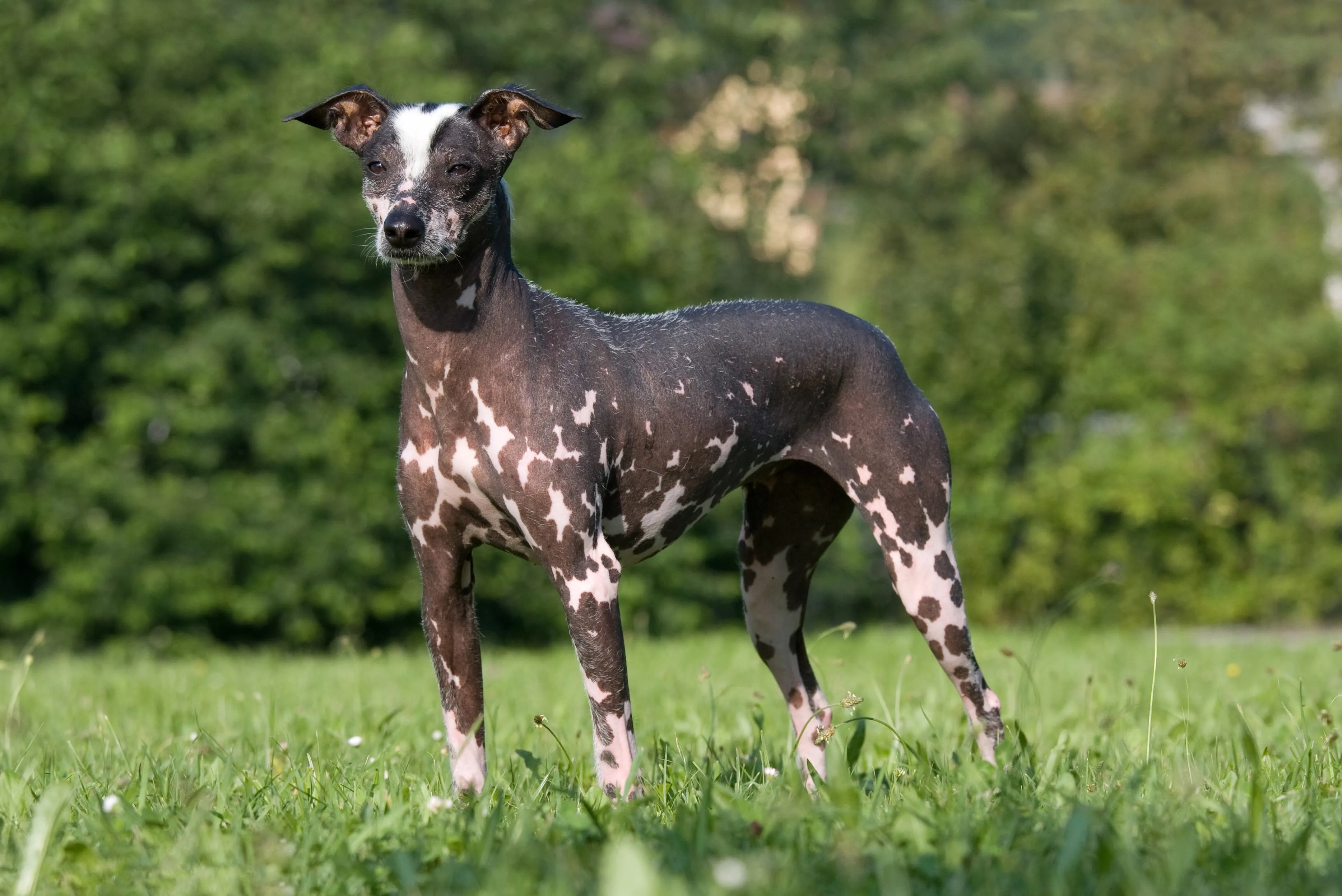 A Peruvian Inca Orchid dog, showcasing its unique hairless appearance
30. Malshi
The Malshi, a cross between a Maltese and a Shih Tzu, is a happy, small, and low-shedding dog. They are companion animals who thrive on close human interaction and companionship. Like their parent breeds, Malshis need consistent grooming to keep their soft coats looking their best, making them a charming but dedicated choice for dog owners.
Essential Care Tips for Living with Low-Shedding Dogs
Even with breeds of dogs that don’t shed a lot, maintaining an allergen-friendly home and ensuring your dog’s well-being requires specific care routines.
Prioritizing Regular Grooming
While low-shedding dogs reduce hair around the house, their coats still demand attention. Many of these breeds have coats that continue to grow, making regular grooming critical to prevent matting, skin issues, and to minimize dander. Ideally, dogs should be brushed multiple times a week, if not daily, and bathed every four to six weeks. Using specialized dog shampoos can further help reduce pet dander. Many low-shedding breeds also require professional trimming or hand-stripping, so factor these costs or the time to learn at-home grooming into your budget and schedule. Consistent grooming not only keeps their coat healthy but also greatly aids in allergen management.
Maintaining an Allergen-Friendly Home Environment
Living with any dog, even a low-shedder, means allergens will still be present. To minimize their impact, a clean home environment is paramount. Regular vacuuming with a HEPA-filtered vacuum cleaner, dusting surfaces frequently, and washing bedding (both yours and your dog’s) can significantly reduce dander accumulation. Using air purifiers with HEPA filters can also help remove airborne allergens. Additionally, establishing “dog-free zones,” such as bedrooms, can provide a sanctuary for allergy sufferers. Proper ventilation, by opening windows when possible, helps circulate fresh air and reduce indoor allergen concentrations.
Seeking Professional Medical and Veterinary Advice
For individuals with allergies, managing symptoms while living with a dog is crucial. Consulting a healthcare provider for personalized allergy management strategies, which might include medications, nasal sprays, or allergy shots, is highly recommended. Understanding your specific triggers and severity can help you make informed decisions. Furthermore, regular veterinary check-ups for your low-shedding dog are vital. A healthy dog often means a healthier coat and skin, which in turn can contribute to less dander. Your veterinarian can offer advice on optimal diet, skin care, and grooming practices that support a low-allergen lifestyle for both you and your pet.
Bringing a low-shedding dog into your life can be a truly rewarding experience, offering the profound joys of canine companionship without the common challenges of excessive shedding or severe allergic reactions. By choosing one of the many wonderful breeds of dogs that don’t shed a lot and committing to consistent grooming and home care, you can create a happy, healthy, and fur-light environment for everyone.
