
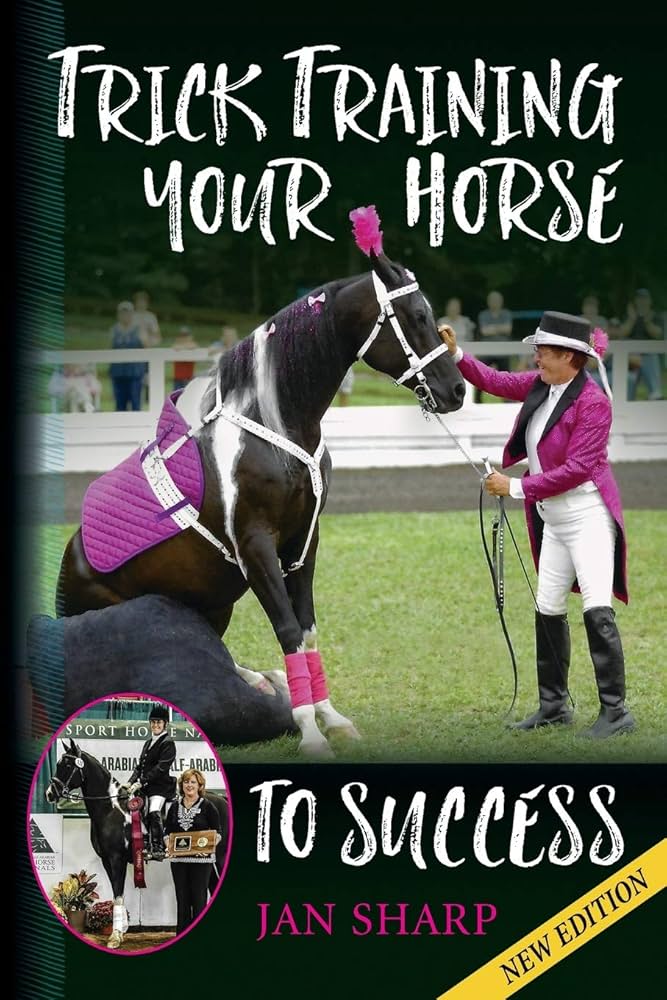
Embarking on the journey of horse training, whether you’re a seasoned professional or a passionate beginner, opens a world of possibilities. The bond between a human and a horse is profound, built on trust, understanding, and effective communication. To navigate this intricate relationship successfully, the right knowledge is paramount. Fortunately, a wealth of resources exists, with books on horse training standing as foundational pillars for anyone seeking to deepen their expertise. These invaluable guides offer insights into the art and science of horsemanship, transforming aspirations into tangible skills and fostering a harmonious partnership with these magnificent animals.
The Foundation of Effective Horse Training
At its core, horse training is about establishing clear communication and building a relationship based on respect and mutual understanding. Unlike other disciplines, horse training requires a deep dive into equine psychology, understanding their natural instincts, learning processes, and how they perceive the world. This empathetic approach is crucial for developing a training program that is not only effective but also humane and ethical. The best training books don’t just offer step-by-step instructions; they delve into the ‘why’ behind each technique, empowering trainers to adapt and problem-solve with confidence. For those looking to start a horse training business, understanding these fundamental principles is the first, indispensable step.
Understanding Equine Psychology
Horses are prey animals, and their behavior is largely driven by instinctual responses to perceived threats. Recognizing this is key to understanding why they react the way they do during training. Fear, surprise, and confusion can lead to resistance or even dangerous reactions. Effective training involves desensitizing horses to various stimuli and gradually building their confidence. Books that explore equine psychology often dedicate chapters to understanding herd dynamics, the nuances of body language, and how horses learn through association and reinforcement. This foundational knowledge helps trainers set realistic expectations and design training sessions that align with the horse’s natural capabilities and limitations.
The Role of Trust and Respect
Trust is the currency of any successful horse-human relationship. It’s earned through consistent, fair, and positive interactions. When a horse trusts its handler, it’s more willing to try new things, accept guidance, and perform requested actions. Respect goes hand-in-hand with trust. This means respecting the horse’s physical and emotional boundaries, understanding its needs, and never forcing it into situations it’s not prepared for. Many training methodologies emphasize building this trust from the very first interaction, often starting with groundwork before moving to ridden exercises. Books on liberty horse training equipment, for instance, often highlight how freedom-based methods can accelerate the development of trust and a strong connection.
Key Topics Covered in Horse Training Books
The landscape of horse training is vast, encompassing a wide array of techniques, philosophies, and specializations. Comprehensive books on the subject typically cover a broad spectrum of essential topics, ensuring that readers gain a well-rounded education.
Groundwork and Desensitization
Groundwork is the cornerstone of many training programs. It involves teaching the horse to respond to cues from the handler while on the ground. This includes leading, yielding to pressure, lunging, and in-hand exercises. Desensitization is a critical component of groundwork, where horses are gradually exposed to unfamiliar objects, sounds, and movements to reduce their fear response. This process is vital for preparing horses for various activities, from trail riding to competitive events, and helps ensure their safety and the handler’s safety.
Riding Techniques and Aids
Once a solid foundation is established on the ground, training progresses to riding. This section of training books details how to communicate effectively with the horse using the aids: the seat, legs, and hands. It covers topics such as achieving a balanced rider position, developing soft hands, applying leg pressure for steering and impulsion, and teaching specific gaits like the walk, trot, and canter. Advanced riding techniques might also be explored, such as lateral movements, jumping, or specialized disciplines.
Problem Solving and Behavior Modification
Every horse and handler encounters challenges during the training process. Books dedicated to horse training often feature extensive sections on identifying and resolving common behavioral issues. This could range from a horse refusing to be caught, bucking under saddle, or showing fear responses. The focus is typically on understanding the root cause of the behavior – whether it stems from fear, pain, lack of understanding, or a previous negative experience – and applying appropriate, ethical correction or redirection techniques.
Specialized Training Disciplines
The world of horses is diverse, with many different disciplines, each requiring specific training approaches. Books might delve into:
- Dressage: Focusing on precision, obedience, and elegance.
- Western Pleasure: Emphasizing a calm, smooth ride and responsiveness.
- Jumping and Eventing: Requiring athleticism, courage, and specific techniques for navigating obstacles.
- Reining: A Western discipline testing the horse’s ability to perform complex maneuvers.
- Liberty Training: Building a relationship and training without tack, focusing on communication and trust. This approach often aligns with the principles of freedom horse training.
Choosing the Right Books for Your Needs
With so many books available, selecting the right ones can feel overwhelming. Consider these factors when making your choices:
Identify Your Goals
Are you looking to start a horse training business, improve your skills in a specific discipline, or simply build a stronger bond with your pleasure riding horse? Your goals will dictate the type of books that will be most beneficial. For instance, someone interested in classical horsemanship might seek out books that detail traditional methods, while someone exploring modern techniques might look for resources on positive reinforcement or natural horsemanship. Understanding principles of starting a horse training business is crucial if this is your aim.
Consider the Trainer’s Philosophy
Horse training philosophies vary widely, from traditional “breaking” methods to modern, science-based approaches emphasizing positive reinforcement. It’s important to find authors and books that align with your ethical beliefs and desired training style. Look for trainers who prioritize the horse’s well-being and promote a partnership built on understanding rather than dominance. Resources on Clinton Anderson’s training methods, for example, offer a specific approach that many find effective.
Read Reviews and Seek Recommendations
Before purchasing, read reviews from other horse owners and trainers. Look for feedback on clarity, practicality, and the author’s credibility. Don’t hesitate to ask experienced horse people for their favorite training books. Word-of-mouth recommendations from trusted sources can be incredibly valuable.
Look for Comprehensive Resources
The most effective training books often provide a holistic view, covering not just the ‘how-to’ but also the ‘why.’ They should offer a blend of theory and practical application, with clear explanations, diagrams, and perhaps even case studies. Some books might also suggest specific horses in training book resources or equipment needs.
The Lifelong Journey of Learning
Horse training is not a destination but a continuous journey of learning and refinement. Even the most experienced trainers find value in revisiting foundational texts and exploring new perspectives. The relationship with a horse is dynamic, evolving with each training session and life experience. By committing to ongoing education, consulting reliable resources, and always prioritizing the horse’s welfare, you can foster a partnership that is deeply rewarding and built on a shared journey of excellence.
Frequently Asked Questions
What is the most important aspect of horse training?
The most crucial aspect is building a relationship based on trust and clear communication, ensuring the horse feels safe and understood.How long does it take to train a horse?
Training timelines vary greatly depending on the horse’s age, temperament, previous experience, and the trainer’s skill. Basic groundwork can take weeks, while advanced training can take years.Is positive reinforcement effective for horses?
Yes, positive reinforcement is highly effective for many horses, encouraging willing participation and strengthening the bond between horse and handler.What are the essential tools for horse training?
Essential tools often include a halter and lead rope, a longe whip, possibly a training stick, and a safe, enclosed training area.Should I specialize in one training discipline?
It’s often beneficial to have a strong foundation in general horsemanship before specializing. Your interests and the horse’s aptitude can guide your specialization choices.How can I ensure my training methods are ethical?
Prioritize the horse’s well-being, avoid harsh methods, understand equine psychology, and continually seek knowledge from reputable sources.
In conclusion, delving into books on horse training is an investment in both your skills and your relationship with your equine partner. These resources provide the roadmap for navigating the complexities of horsemanship, fostering a deeper understanding, and ultimately achieving “Equine Excellence.”
