
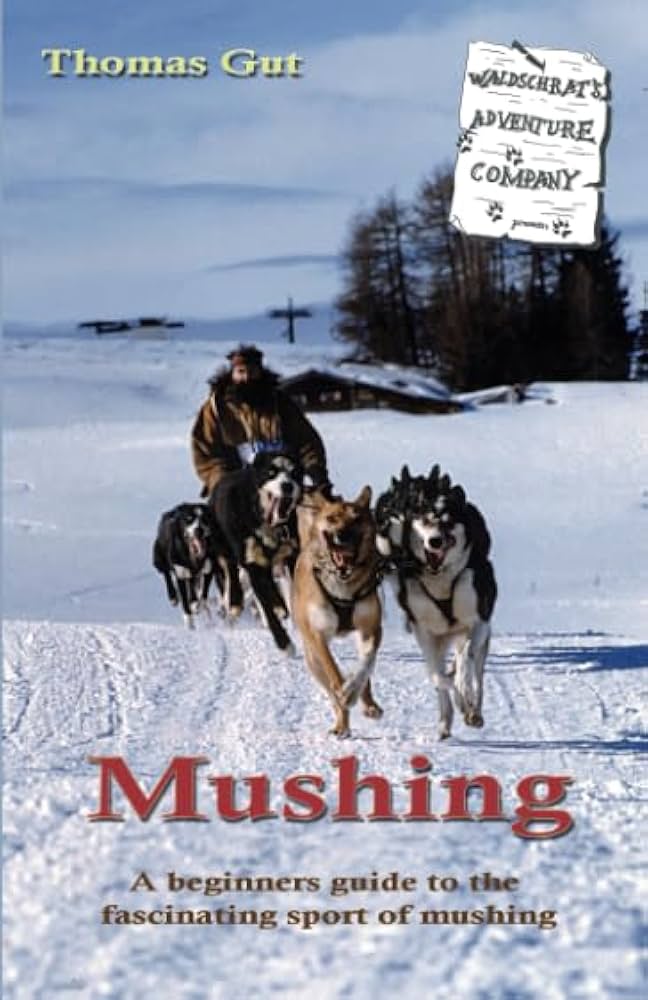
Embarking on a journey into the world of sled dogs and the captivating sport of dog sledding can be incredibly rewarding. Whether you’re drawn to the raw power of huskies, the endurance of malamutes, or the thrill of racing across snowy landscapes, understanding these incredible animals is key. For those eager to deepen their knowledge, a good book can be an invaluable companion. This guide explores essential reads that cover everything from the history and breeds of sled dogs to training, racing, and the heartwarming stories that define this unique relationship between humans and canines.
The Rich History and Heritage of Sled Dogs
Sled dogs have a legacy stretching back millennia, playing a crucial role in the survival and exploration of Arctic cultures. Their incredible strength, resilience, and unwavering loyalty allowed indigenous peoples to travel, hunt, and thrive in some of the world’s harshest environments. Understanding this history provides a profound appreciation for the breeds we know today. Books delving into this past often paint a vivid picture of the “golden age” of sled dogs, from their use in exploration and mail delivery to their pivotal role in events like the serum run to Nome, a heroic testament to their capabilities. These narratives not only educate but also inspire, highlighting the deep bond and mutual respect that has always existed between mushers and their teams.
Exploring Popular Sled Dog Breeds
When people think of sled dogs, breeds like the Siberian Husky and the Alaskan Malamute often come to mind first. However, the world of sled dog breeds is more diverse than many realize. Books dedicated to specific breeds or breed comparisons offer detailed insights into their origins, physical characteristics, temperaments, and suitability for different roles in sledding.
Siberian Husky
Known for their striking blue or multi-colored eyes and their friendly, outgoing nature, Siberian Huskies are perhaps the most iconic sled dogs. They were developed by the Chukchi people of Siberia as endurance sled dogs and light-harness drivers, prized for their stamina and ability to work in large teams.
Alaskan Malamute
Larger and more powerful than the Siberian Husky, the Alaskan Malamute was bred for strength and stamina, capable of pulling heavier loads over longer distances. They are known for their loyalty, playfulness, and sometimes stubborn independent streak.
Other Notable Breeds
Beyond the most famous, other breeds and mixes have contributed to the sport. These can include the Samoyed, the Canadian Eskimo Dog (Qimmiq), and various mixed breeds optimized for specific racing conditions. Exploring books about sled dogs can help you understand the nuances that make each breed unique and suited for the demands of the trail.
The Art and Science of Sled Dog Training
Training sled dogs is a complex and rewarding endeavor that requires patience, consistency, and a deep understanding of canine behavior. Whether for recreational mushing or competitive racing, proper training is paramount for the safety and well-being of both dog and musher.
Early Socialization and Basic Obedience
The foundation for any successful sled dog team begins with early socialization. Exposing puppies to various sights, sounds, people, and other dogs helps them grow into well-adjusted adults. Basic obedience commands are also crucial for establishing communication and control on the trail.
Harnessing and Tug Training
Introducing dogs to the harness and the concept of pulling is a gradual process. Books on sled dog training often detail step-by-step methods for introducing the harness, teaching the “hitch” command, and developing the natural instinct to pull. Understanding the proper fit of the harness and the mechanics of pulling is essential to prevent injury and maximize efficiency.
Building a Team
For those aspiring to race or pull heavier loads, building a cohesive team is vital. This involves assessing individual dogs’ strengths and weaknesses, understanding their personalities, and strategically placing them within the team. Learning about lead dogs, point dogs, and swing dogs, and how they work together, is a key aspect covered in many dog training books amazon.
Health, Nutrition, and Well-being
The demanding lifestyle of a sled dog requires meticulous attention to their health and nutritional needs. Specialized diets, regular veterinary care, and proper conditioning are essential for maintaining peak performance and longevity.
Nutrition for Performance
Sled dogs have a high metabolic rate, requiring a diet rich in calories, protein, and fats. Many resources discuss the optimal nutritional balance, including the role of specific supplements and the importance of hydration, especially during long runs or in extreme weather conditions.
Injury Prevention and Care
The physical exertion involved in sledding can lead to injuries if not managed properly. Books often cover common sled dog ailments, such as paw injuries, muscle strains, and joint issues. They also provide guidance on recognizing early signs of problems, basic first aid, and when to seek professional veterinary help. Understanding the conditioning process, including warm-up and cool-down routines, is also critical for preventing injuries. For those interested in a specific discipline, books on gun dog training can offer insights into conditioning for power and endurance.
The Thrill of the Race and the Spirit of Mushing
Dog sled racing is a sport that tests the limits of both canine and human endurance. From sprint races covering short distances to mid-distance and ultra-marathons lasting for days, the competitive world of mushing is filled with dedication, strategy, and an indomitable spirit.
Understanding Race Formats
Different race formats cater to various levels of experience and breed capabilities. Sprint races emphasize speed, while mid-distance and long-distance races highlight endurance, strategy, and the musher’s ability to manage their team over challenging terrain and varying conditions.
The Musher’s Role
A musher is more than just a driver; they are a caretaker, a strategist, and the heart of the team. Their ability to read their dogs, make critical decisions on the trail, and maintain a positive relationship with their team is as important as any racing tactic. Books often share personal anecdotes from renowned mushers, offering a glimpse into the mindset and dedication required to succeed. Some stories capture the essence of adventure, like those found in a fiction book about a dog, illustrating the profound connection that can form.
Heartwarming Stories and Cultural Significance
Beyond the practicalities of training and racing, many books celebrate the deep emotional bonds and heartwarming stories that emerge from life with sled dogs. These narratives often touch upon the dogs’ intelligence, their unwavering loyalty, and the profound impact they have on their human companions.
Tales of Courage and Companionship
Numerous books recount incredible tales of sled dogs demonstrating bravery, saving lives, and forming unbreakable bonds with their mushers. These stories, whether historical accounts or modern-day experiences, underscore the unique spirit of sled dogs and their place in our hearts. You can find collections that delve into these moving accounts, sometimes even touching on international stories, as seen in resources about book film international dog.
Cultural Impact and Modern Relevance
Sled dogs continue to hold significant cultural importance, particularly in Arctic regions, while also captivating enthusiasts worldwide. They represent a connection to a rich heritage, a spirit of adventure, and a testament to the power of the human-animal bond. Whether through historical accounts, training manuals, or fictional narratives, Books About Sled Dogs offer a gateway into this fascinating world, celebrating the enduring legacy of these remarkable canine athletes.
