
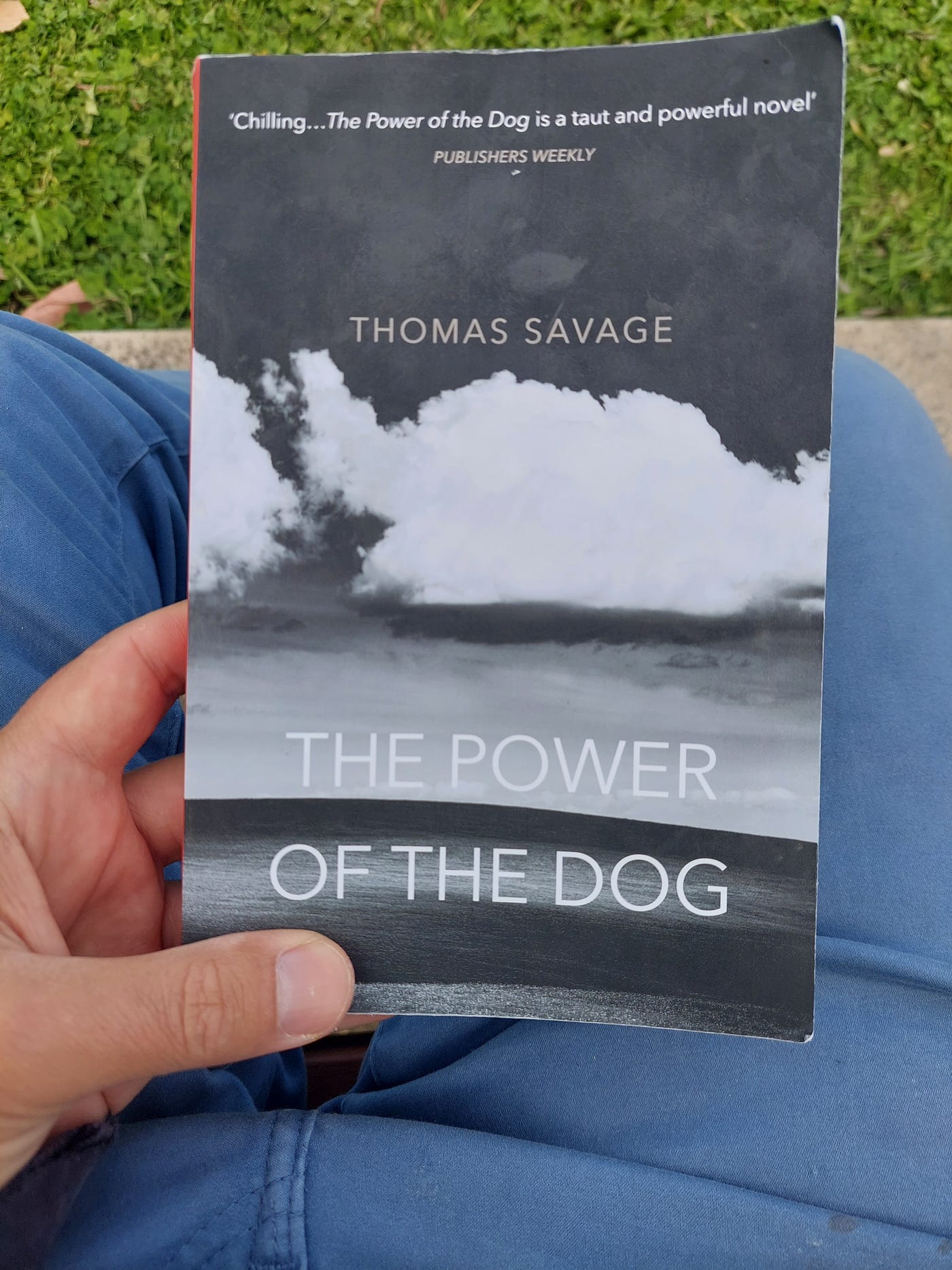
This review explores the profound impact of “The Power of the Dog,” a novel that masterfully delves into the complexities of power dynamics, the suffocating nature of toxic masculinity, and the deeply buried struggles of repressed desire. Originally published in 1967, the book offers a compelling narrative set against the backdrop of a sprawling ranch in early 20th-century rural America. It’s a story that has captivated readers and listeners alike, offering a psychological thriller with a uniquely domestic setting, exploring themes that resonate powerfully even today.
The narrative centers on the Burbank brothers, Phil and George, who own the largest ranch in their declining rural community. Their personalities are a study in contrasts: George is the quiet, kind, and unassuming brother, while Phil is brilliant, charismatic, yet intensely intolerant. Phil’s outward persona is marked by his racism, misogyny, and a particularly venomous disdain for anything he perceives as effeminate. The fragile balance of their lives is disrupted when George marries Rose, a gentle widow with an alcoholic past. Phil immediately targets Rose, subjecting her to a campaign of subtle but sustained emotional abuse, aiming to drive her away. The situation escalates with the arrival of Rose’s sixteen-year-old son, Peter, a boy whose perceived effeminacy is everything Phil despises, triggering a complex interplay of power, manipulation, and unexpected connection.
Unpacking the Psychological Depths
At its core, “The Power of the Dog” is a nuanced psychological thriller. The insular setting of the ranch amplifies the tension, forcing characters to confront their inner demons and hidden desires. The book’s exploration of masculinity is particularly striking. Phil Burbank is presented as a man deeply closeted, whose self-loathing manifests as outward cruelty. This portrayal of a “homophobic homosexual” trope, while potentially problematic, is framed within the context of the era in which the book was written. In 1967, openly discussing queer identity, especially within the hyper-masculine world of the Western genre, was virtually unthinkable. This historical context is crucial to understanding the depth of Phil’s internal conflict and its devastating external consequences.
The author’s skill in character development is exceptional. Even minor characters are imbued with depth and complexity, contributing to the narrative’s richness. The tentative, tender, and hopeful relationship between Rose and George offers a stark contrast to Phil’s cruelty, making Rose’s eventual breakdown under his relentless scorn all the more tragic. The portrayal of Phil himself is a masterclass in balancing monstrosity with profound tragedy. He is an abuser, undeniably toxic, yet the narrative prompts reflection on how societal pressures and repression can forge villains from individuals who might otherwise have been different. A poignant line, “[Phil] had a hunch George hated sissies as much as he did,” reveals Phil’s projection of his own self-hatred onto his brother, highlighting his inability to accept himself. This is further contrasted by George’s quiet kindness towards Peter, demonstrating a gentle nature untouched by Phil’s internalized prejudice.
A Masterpiece of Atmosphere and Symbolism
The novel excels in its atmospheric portrayal of ranch life and the underlying currents of sensuality and dread. Despite minimal physical contact between characters, the text is saturated with an uncomfortable yet undeniable sensuality, particularly in the unspoken dynamics between Phil and Peter. The author masterfully weaves in the stories of supporting characters, such as Edward Nappo, the son of a Native American chief, and Rose’s previous husband, adding layers of context and breadth to the central narrative. These interwoven threads prevent the story from becoming unbearably insular, offering a more comprehensive view of the human condition within this isolated world.
While the book’s psychological drama unfolds with compelling satisfaction, the author wisely refrains from revealing too much, allowing the reader to experience the gradual revelations. The ending, though perhaps abrupt for some, feels true to the narrative’s trajectory, offering a sense of earned conclusion rather than forced closure. For those who have seen the film adaptation, reading the book is highly recommended. The novel offers a far greater scope and a richer interior life for its characters, enhancing the overall experience. Furthermore, the symbolism within the book is potent; the imagery of willow trees, for instance, becomes a powerful and unforgettable emblem of repressed queer desire. For readers interested in exploring the nuances of human psychology and the impact of societal pressures on identity, “The Power of the Dog” stands as a monumental achievement in literature.
