
Dogs have been our loyal companions through millennia, standing by our side in times of peace and conflict. The “Dogs of War” narrative explores the profound and often overlooked roles these incredible animals have played on the battlefield, serving as scouts, sentries, medics, and even companions to soldiers. This exploration delves into the courage, sacrifice, and unwavering loyalty that define these canine heroes, shedding light on their vital contributions to military history and the deep bonds they forge with their human counterparts. Their stories are not just about war; they are about resilience, bravery, and the enduring power of the human-animal connection, echoing through tales of service and devotion.
The Ancient Roots of Canine Combat
From the early days of warfare, humans recognized the potential of dogs to aid in combat. Ancient civilizations like the Egyptians, Greeks, and Romans utilized dogs for various military purposes. Mastiff-type breeds, known for their size and ferocity, were employed as war dogs, capable of intimidating enemies and engaging in direct combat. Their presence on the battlefield was a testament to their strength and the strategic advantage they offered. These early deployments laid the groundwork for the specialized roles dogs would undertake in future conflicts, showcasing their adaptability and inherent protective instincts.
Early Deployment and Warring Breeds
The use of dogs in ancient warfare was not merely for intimidation. They served as sentinels, alerting troops to approaching enemies, and as shock troops, disrupting enemy formations. Breeds like the Molossus, a large and powerful ancient Greek dog, were prized for their combat prowess. Their formidable presence and aggressive nature made them effective deterrents and formidable opponents. The effectiveness of these early war dogs highlights a long history of recognizing and harnessing canine capabilities for military advantage.
World War I: The Great War’s Canine Heroes
World War I saw an unprecedented deployment of dogs in military service. With millions of soldiers engaged in brutal trench warfare, the need for reliable and versatile support became paramount. Dogs were trained for a multitude of tasks, proving indispensable in the harsh conditions of the Western Front. Their ability to navigate treacherous terrain and endure extreme hardship made them uniquely suited to the demands of this global conflict.
The Multifaceted Roles of Dogs in WWI
Dogs served as messengers, carrying vital communications between front lines often cut off by artillery fire. Their small size and agility allowed them to traverse No Man’s Land, braving enemy fire to deliver crucial intelligence. They also acted as sentries, their keen senses detecting approaching enemy patrols or gas attacks long before human soldiers could. Ambulance dogs were trained to locate wounded soldiers in the chaos of the battlefield, guiding medics to their positions. This wartime service cemented their status as invaluable members of the armed forces, often risking their lives alongside their human handlers. The dedication of these animals during WWI is a powerful testament to their courage and the profound bond they shared with the soldiers they served.
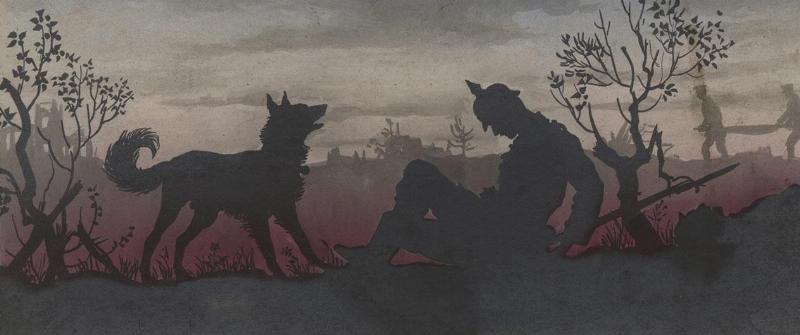 brave WWI dogs serving as messengers and sentries on the battlefield
World War II: Expanded Canine Capabilities
The Second World War continued and expanded upon the military uses of dogs established in WWI. With global conflict on an even larger scale, the demand for canine assistance increased. Dogs were crucial in various theaters of war, adapting to different climates and combat scenarios. Their contributions were vital in maintaining communication, security, and morale for Allied and Axis forces alike. The lessons learned from WWI were applied and refined, leading to even more sophisticated training and deployment strategies for these four-legged soldiers.
Specialized Units and Their Impact
During WWII, specialized canine units were formed. Sentinel dogs patrolled bases and guarded vital installations, their sharp senses preventing surprise attacks. Scout dogs led patrols through enemy territory, detecting ambushes and hidden dangers. They were also instrumental in reconnaissance missions, gathering intelligence in areas too dangerous for human soldiers. The stories of these dogs, often risking their lives to protect their units, are a testament to their unwavering loyalty and courage. Their presence provided a crucial layer of security and often meant the difference between success and failure in critical operations.
The Vietnam War and Beyond: Modern Military Dogs
The role of dogs in military operations continued to evolve through the latter half of the 20th century and into the 21st. The Vietnam War saw the extensive use of dogs, particularly for patrol and detection purposes. Their ability to detect Viet Cong tunnels, booby traps, and enemy soldiers saved countless lives. This era marked a significant increase in the recognition of military working dogs (MWDs) as essential assets, leading to more formalized training programs and greater integration into combat units. The bravery and effectiveness of these dogs in the challenging jungle environment of Vietnam underscored their unique value in modern warfare.
Detection and Patrol: Saving Lives
In contemporary conflicts, military working dogs are predominantly employed for their unparalleled skills in detection and patrol. MWDs are trained to sniff out explosives, narcotics, and contraband, playing a critical role in counter-terrorism efforts and maintaining force protection. Their ability to detect hidden threats in complex environments is a skill that cannot be replicated by technology alone. These dogs are not just tools; they are highly trained professionals who work alongside their handlers, forming unbreakable bonds built on trust and mutual respect. Their tireless work in identifying dangers before they manifest has directly saved countless lives, both military and civilian.
How do military dogs detect explosives?
Military working dogs are trained using scent imprinting. They are exposed to the odors of various explosive materials in a controlled and positive reinforcement environment. Through scent association and reward-based training, they learn to identify and signal the presence of these specific odors, even in minute concentrations. Their olfactory senses are far more acute than any artificial detector, making them indispensable for detecting hidden threats.
What are the main roles of a military dog?
The primary roles of military dogs typically include detection (explosives, narcotics, weapons), patrol (guarding, apprehending suspects), tracking (following trails), and sometimes search and rescue. Their versatility allows them to adapt to a wide range of mission requirements, enhancing the safety and effectiveness of military operations worldwide.
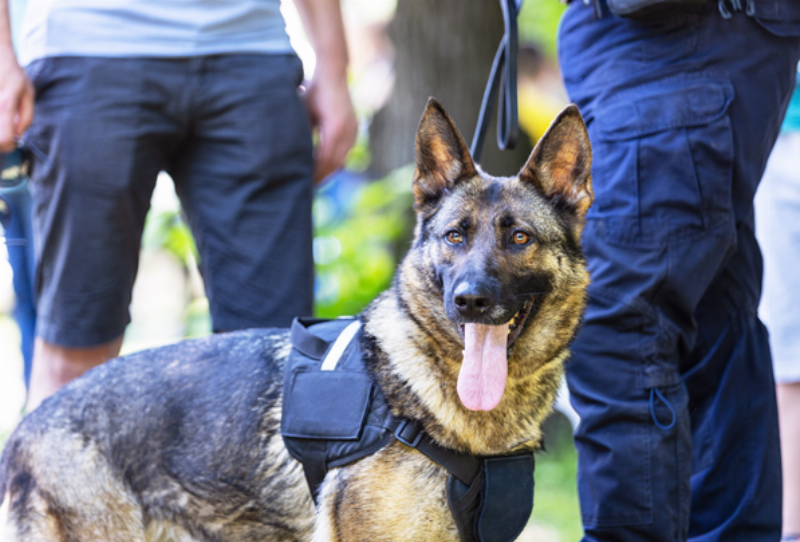 highly trained military working dog on patrol in a modern conflict zone
Beyond the Battlefield: The Enduring Legacy
The stories of the “Dogs of War” extend beyond their active service. Many military working dogs retire and are adopted by loving families, often by their former handlers. This transition offers them a well-deserved rest and the opportunity to experience a civilian life after their dedicated service. Organizations and initiatives are dedicated to supporting these retired canine heroes, ensuring they receive the care and recognition they deserve. Their legacy is one of profound courage, unwavering loyalty, and the unique ability of dogs to enrich and protect human lives, even in the most extreme circumstances. Exploring books like book all dogs go to heaven or the dogs of christmas book can offer further insights into the human-animal bond during challenging times, much like the real-life accounts of these war dogs.
The Bond Between Handler and Dog
The relationship between a military working dog and its handler is one of the strongest bonds formed in the military. Handlers rely on their dogs for their own safety and the success of their missions, while dogs depend on their handlers for guidance, care, and companionship. This partnership is built on trust, intensive training, and shared experiences, often leading to deep emotional connections that endure long after their service ends. Many handlers consider their MWDs to be family, and the decision to adopt their retired partners is a testament to this profound relationship. Understanding the depth of this connection can be further explored through rez dogs book summary, which touches upon the unique companionship found in unexpected places, paralleling the bond in military contexts.
Canine Companions in Literature and Film
The human fascination with dogs in service has been a recurring theme in literature and film. From classic tales to modern blockbusters, stories about “Dogs of War” capture the public’s imagination, highlighting their bravery and the emotional impact they have on soldiers and audiences alike. These narratives serve to honor their contributions and remind us of the incredible capabilities and loyalty of our canine friends. Exploring fiction books about dogs or a compelling fiction book about a dog can offer a glimpse into these profound stories.
In conclusion, the “Dogs of War” are a testament to the extraordinary capabilities and unwavering loyalty of canines. Their history is interwoven with human conflict, demonstrating their vital roles in saving lives, providing security, and forging unbreakable bonds. As we remember their service, we honor their courage and acknowledge their indispensable contributions to military history, ensuring their stories continue to inspire.
