
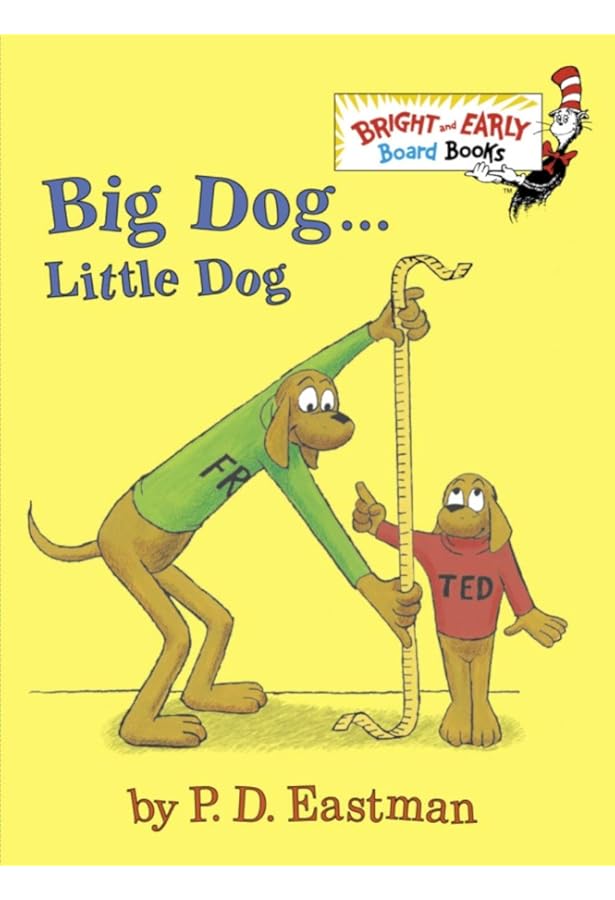
There’s a special kind of magic in the stories we share with our children, tales that capture their imagination and teach them valuable lessons about friendship, differences, and acceptance. Among the most beloved and enduring themes in children’s literature is the one exploring the bond between a big dog and a little dog. These narratives often go beyond simple pet stories, delving into universal truths that resonate with young readers and the adults who share these stories with them. The concept of “big dog, little dog” isn’t just about size; it’s a powerful metaphor for diversity and the beauty of relationships that transcend apparent disparities.
The History and Appeal of “Big Dog, Little Dog” Narratives
The archetype of the unlikely animal friendship has a long history in storytelling, but the specific dynamic of a large canine companion paired with a small one has a particular charm. Think of classic tales where a gentle giant is matched with a feisty, pint-sized counterpart. These pairings immediately offer a visual and emotional contrast that is inherently engaging for children. The inherent differences in size, temperament, and capabilities create opportunities for humorous situations, heartwarming resolutions, and meaningful lessons.
Early children’s literature often featured animal characters to explore human emotions and social dynamics in a safe, imaginative space. The “big dog, little dog” trope allowed authors to subtly introduce concepts like understanding and appreciating differences, overcoming prejudice, and the idea that true companionship isn’t limited by physical characteristics.
Why This Dynamic Captures Hearts
- Relatability: Children often see themselves reflected in these pairings. They might be the “big” one in some situations and the “small” one in others, or they might have friends who are very different from them.
- Humor: The physical comedy that can arise from a size difference is a goldmine for laughs. A big dog trying to play gently with a tiny dog, or a little dog bravely trying to keep up with its larger friend, provides endless amusement.
- Lesson in Acceptance: At its core, these stories teach acceptance and understanding. They show that despite differences, two individuals can form a deep bond, support each other, and bring out the best in one another.
- Emotional Depth: Beyond the humor, these narratives often explore themes of loyalty, courage, and unconditional love, which are powerful emotional anchors for young readers.
Exploring Iconic “Big Dog, Little Dog” Stories
While the keyword “big dog little dog” can bring up many specific titles, some stand out for their lasting impact and excellent storytelling. These books, whether through their text, illustrations, or both, have cemented the “big dog, little dog” theme in the landscape of children’s literature.
The Classic “Dog Man” Series by Dav Pilkey
Perhaps one of the most prominent and contemporary examples is Dav Pilkey’s wildly popular “Dog Man” series. While the titular character, Dog Man, is a hybrid of a police officer and a dog, the concept of a larger-than-life hero, often contrasted with smaller characters or situations, is a recurring element. The books blend action, humor, and heart, all centered around a canine protagonist who embodies bravery and kindness. For those interested in the series’ chronological order, understanding what order do the Dog Man books go in can enhance the reading experience. The sheer joy and silliness in these books, coupled with messages of heroism, make them a massive hit.
Clifford the Big Red Dog
Norman Bridwell’s creation, Clifford the Big Red Dog, is perhaps the quintessential example of a “big dog.” Clifford’s enormous size is his defining characteristic, yet his gentle nature and the love he shares with his young owner, Emily Elizabeth, are what truly define the stories. The contrast between Clifford’s monumental stature and his sweet, loving personality is the core of his appeal. Even though Clifford is the “big dog” in this pairing, the stories often explore how Emily Elizabeth, a small human, manages and cares for her giant companion. The Clifford the Big Red Dog board book versions are perfect for introducing the youngest readers to this lovable giant and his adventures.
Other Notable Mentions
Beyond these titans, numerous other books explore this dynamic. Some might feature a large, lumbering dog and a tiny, energetic terrier, while others might focus on a giant breed and a very small breed. The specifics vary, but the underlying theme of diverse friends finding common ground remains. The appeal is so broad that it extends to various formats, including board books designed for toddlers and more complex narratives for older children.
Themes and Lessons Embedded in “Big Dog, Little Dog” Stories
The enduring popularity of “big dog, little dog” narratives isn’t accidental. These stories are rich with valuable lessons that help shape a child’s understanding of the world and their place in it.
1. Celebrating Differences
The most prominent theme is the celebration of differences. These stories show that a dog’s size, breed, or even personality quirks don’t define their worth or their ability to form meaningful connections. A large, boisterous dog and a small, timid dog can learn to play together, understand each other’s needs, and become the best of friends. This teaches children to look beyond superficial characteristics and value individuals for who they are.
2. Friendship and Loyalty
At the heart of many “big dog, little dog” stories is the unwavering theme of friendship and loyalty. The characters often depend on each other, offering support, protection, and companionship. The big dog might protect the little dog from perceived threats, while the little dog might alert the big dog to something it missed or simply offer constant, cheerful company. This reinforces the idea that true friends are there for each other, no matter what.
3. Courage and Overcoming Fears
For the smaller dog in the pairing, there’s often an opportunity to explore themes of courage. A little dog might face its fears, inspired by its larger friend, or its bravery might surprise everyone. Conversely, the big dog might learn gentleness and patience from its smaller companion. These dynamics provide a framework for discussing how to be brave and how to support friends when they are scared.
4. Problem-Solving and Cooperation
The inherent differences in size and ability can lead to situations where the dogs must cooperate to solve problems. Perhaps the big dog can reach something high, while the little dog can squeeze into a tight space. These collaborative efforts highlight the importance of teamwork and how different strengths can complement each other to achieve a common goal.
The “Dog Care Story” Perspective: Nurturing Bonds
At Dog Care Story, we believe that every dog, big or small, deserves love, understanding, and proper care. The narratives of “big dog, little dog” resonate deeply with our mission to foster strong, positive relationships between humans and their canine companions, and between dogs themselves.
We champion the idea that diversity in the canine world is a source of richness. Whether you have a Great Dane or a Chihuahua, the principles of good dog care remain the same: providing nutritious food, regular exercise, consistent training, and abundant affection. Understanding your dog’s breed-specific needs, their individual personality, and how they interact with other dogs, regardless of size, is crucial for their well-being and happiness.
The magic of a big dog and a little dog sharing a home is a testament to the boundless capacity for love and friendship that dogs possess. It’s a reminder that differences are not barriers but opportunities for growth, learning, and deeper connection. We encourage all dog lovers to embrace the unique personalities of their pets and celebrate the incredible bonds they form, big or small. For parents looking to introduce their children to the joys of reading about dogs, exploring titles like those found in the dog man books Dav Pilkey collection, or the timeless adventures of Clifford, offers a wonderful starting point. And for those curious about different canine characters, the books with Kipper the dog series also provides delightful, smaller-scale doggy adventures.
Understanding the nuances of different dog breeds and their interactions can be key to ensuring harmonious relationships, whether between dogs or between dogs and their human families. The world of dogs is vast and varied, and each story, from the grand adventures of a giant breed to the quiet companionship of a tiny pup, contributes to the rich tapestry of “Dog Care Story.”
Frequently Asked Questions about “Big Dog, Little Dog” Stories
Q: What is the main appeal of stories featuring a big dog and a little dog?
A: The main appeal lies in the inherent contrast, the opportunities for humor and heartwarming moments, and the powerful lessons about acceptance, friendship, and celebrating differences.
Q: Are there specific books that are considered classics in the “big dog, little dog” genre?
A: Yes, classics include Norman Bridwell’s “Clifford the Big Red Dog” series and Dav Pilkey’s “Dog Man” books, which, while featuring a hybrid character, embrace the dynamic of a large, heroic figure.
Q: What lessons can children learn from these types of stories?
A: Children can learn valuable lessons about acceptance, loyalty, courage, cooperation, and understanding that true friendship transcends physical differences.
Q: How do these stories relate to modern dog care and training philosophies?
A: They reinforce the importance of understanding individual dog needs regardless of size or breed, promoting harmonious relationships, and celebrating the unique bond between humans and dogs, and among dogs themselves.
Q: Can you recommend a good starting point for a child interested in books about dogs?
A: For younger children, board books featuring characters like Clifford are excellent. For slightly older children who enjoy humor and action, the “Dog Man” books are a fantastic choice. Exploring books with characters like Kipper the dog also offers charming adventures.
Conclusion: The Enduring Magic of Canine Companionship
The narrative of the big dog and the little dog is more than just a plot device; it’s a timeless exploration of friendship, diversity, and love. These stories, whether through the colossal presence of Clifford or the heroic antics of Dog Man, remind us that companionship knows no bounds. They teach us to appreciate differences, to be brave, and to cherish the loyal bonds we form. At Dog Care Story, we are inspired by these tales and committed to fostering a world where every dog, no matter their size, is celebrated, understood, and deeply loved. The lessons learned from these canine tales extend far beyond the pages, shaping our interactions with pets and people alike, proving that the greatest stories often come in the most unexpected, and sometimes, the most contrasting, packages.
