
The phrase “Beware of the Dog” on a sign can evoke a sense of apprehension, but it’s a crucial warning that speaks to a complex aspect of dog ownership and behavior: canine aggression. Understanding why dogs might exhibit aggressive behaviors, how to recognize the signs, and what steps to take to manage and prevent it is paramount for the safety and well-being of both dogs and people. This isn’t about demonizing dogs, but about responsible pet guardianship.
The Nuances of Canine Aggression
Aggression in dogs is not a single behavior but a spectrum of behaviors that range from subtle warnings to full-blown attacks. It’s important to recognize that aggression is often a dog’s way of communicating discomfort, fear, or a perceived threat. It’s rarely unprovoked, though the triggers might not always be obvious to humans.
Common Triggers for Aggression
Several factors can contribute to a dog becoming aggressive:
- Fear and Anxiety: A dog that feels threatened or cornered may resort to aggression as a defense mechanism. This can stem from past negative experiences, lack of socialization, or even loud noises and unfamiliar situations.
- Territoriality: Dogs often protect their perceived territory, which can include their home, yard, or even their owner. This can manifest as barking, growling, or lunging at perceived intruders, whether they are other animals or humans.
- Resource Guarding: This is a common issue where dogs become possessive over valuable resources like food, toys, or even sleeping spots. They may show aggression to prevent others from taking these items.
- Pain or Illness: A dog in pain or suffering from an illness may become irritable and aggressive, especially if touched in a sensitive area. Underlying medical conditions can significantly impact a dog’s temperament.
- Frustration: When a dog is unable to achieve a goal (e.g., reaching another dog or a person), it can become frustrated, leading to redirected aggression.
- Social Status and Dominance (Debatable): While the concept of “dominance” in dog training is often misunderstood and debated, some interactions can be related to a dog’s attempt to assert itself or maintain a certain social standing within a group. However, modern understanding often frames this more in terms of learned behaviors and resource control rather than a rigid hierarchy.
Recognizing the Warning Signs
Before a dog escalates to biting, it will almost always offer a series of escalating signals. Learning to read these subtle cues is key to preventing an aggressive incident. These signs include:
- Body Posture: Stiffening of the body, raised hackles, direct staring, leaning forward.
- Vocalizations: Growling, snarling, barking. A low growl is a clear warning that should never be ignored.
- Facial Expressions: Lip curling, baring teeth, whale eye (showing the whites of their eyes), tightly closed mouth.
- Tail Movements: A stiff, high tail wag can indicate tension, not happiness. A tucked tail often signals fear.
- Other Behaviors: Lip licking, yawning when not tired, turning the head away, trying to create distance.
When to Be Extra Cautious
Certain situations inherently carry a higher risk for aggression:
- Feeding times: Especially if resource guarding is present.
- When the dog is sleeping: Disturbing a sleeping dog can lead to a startled and aggressive reaction.
- With puppies and new owners: Lack of training and socialization can be a factor.
- Around children: Children, especially young ones, may not understand dog body language and can inadvertently provoke a dog. Supervision is crucial.
- When introducing new pets: Introductions need to be managed carefully to avoid conflict.
Managing and Preventing Aggression
Addressing aggression requires a multi-faceted approach, often involving professional guidance.
Professional Help is Crucial
If your dog is showing signs of aggression, the first and most important step is to consult with a qualified professional. This could be:
- A Veterinarian: To rule out any underlying medical conditions or pain that could be contributing to the behavior.
- A Certified Applied Animal Behaviorist (CAAB) or a board-certified Veterinary Behaviorist (DACVB): These professionals have advanced degrees and specialized training in animal behavior and can diagnose complex behavioral issues.
- A Certified Professional Dog Trainer (CPDT-KA/KSA) with experience in aggression cases: Ensure they use positive reinforcement methods and have a proven track record. Avoid trainers who advocate for punishment-based methods, as these can often exacerbate aggression.
Management Strategies
While professional intervention is ongoing, management strategies can help keep everyone safe:
- Muzzling: When in public or in situations where aggression is likely, a properly fitted basket muzzle can prevent bites while still allowing the dog to pant and drink. This is a management tool, not a solution to the underlying problem.
- Leashing: Always keep an aggressive dog on a leash in public spaces.
- Environmental Management: Avoid situations that trigger aggression. This might mean walking your dog at less busy times, not allowing unsupervised interaction with children, or managing resources carefully at home.
- Crate Training: A crate can provide a safe den for a dog and prevent unwanted interactions when you cannot supervise.
Training and Behavioral Modification
Behavior modification aims to change the dog’s emotional response to triggers and teach alternative behaviors. This often involves:
- Desensitization and Counter-Conditioning: Gradually exposing the dog to its triggers at a distance where it doesn’t react, while pairing the trigger with positive reinforcement (treats, praise). The goal is to change the dog’s negative association with the trigger into a positive one.
- Obedience Training: Reinforcing basic obedience commands like “sit,” “stay,” “come,” and “leave it” can improve a dog’s impulse control and provide valuable tools for managing behavior.
- Socialization: For puppies, proper socialization during the critical developmental window (3-16 weeks) is crucial. For adult dogs with behavioral issues, controlled and positive social interactions under expert guidance can be beneficial.
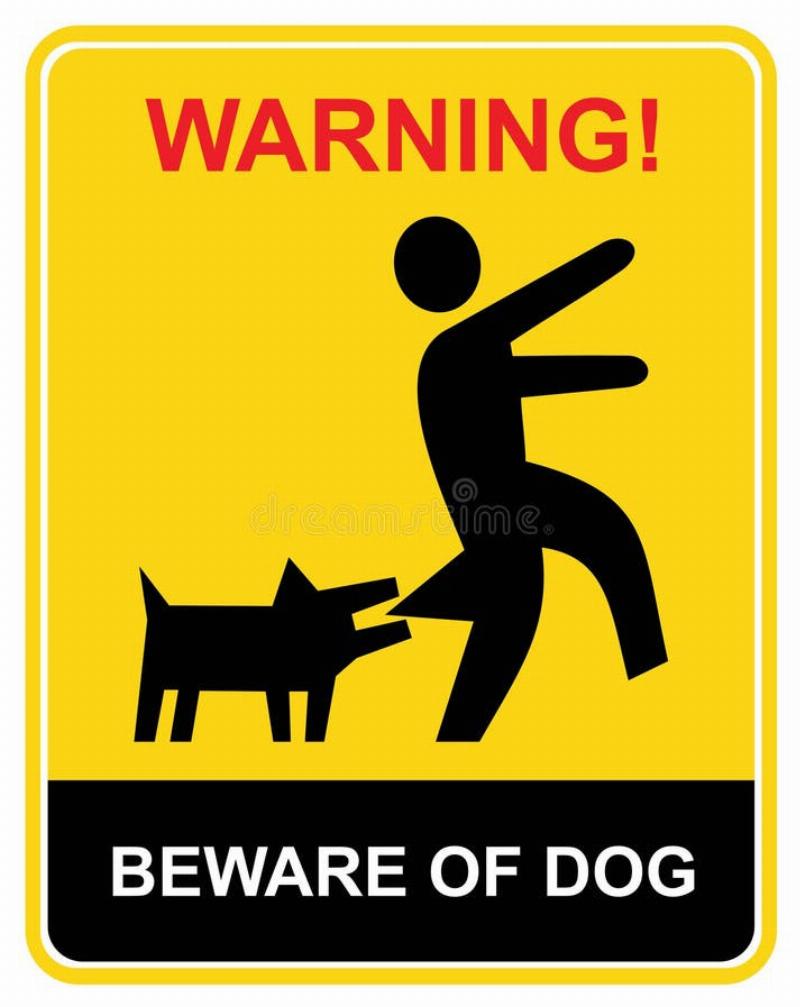 An illustrative image of a "Beware of the Dog" sign with a friendly-looking but alert dog silhouette, symbolizing responsible awareness.
The Role of Owners and the Community
Owning a dog, especially one with behavioral challenges, is a significant responsibility. It requires commitment, patience, and a willingness to seek and implement professional advice.
Owner’s Responsibility
- Education: Understanding dog body language and behavior is the first line of defense.
- Supervision: Never leave a dog with a history of aggression unsupervised, especially around children or other animals.
- Consistency: Training and management techniques need to be applied consistently by all members of the household.
- Commitment: Behavioral modification takes time and effort. There are no quick fixes.
Community Awareness
The “Beware of the Dog” sign serves as a community-level tool. It alerts visitors and passersby to a potential risk, allowing them to exercise caution and respect the dog’s space. It’s a sign of responsible ownership that prioritizes safety.
Furthermore, responsible dog owners should advocate for leash laws and encourage responsible pet ownership within their communities. Educating neighbors and friends about dog behavior can help prevent misunderstandings and potentially dangerous situations.
Conclusion: Fostering a Safe Environment
The “Beware of the Dog” sign, while stark, underscores a vital aspect of canine companionship: the need for understanding, respect, and responsible management. Aggression is a complex issue, but with the right knowledge, professional guidance, and dedicated effort, many aggressive behaviors can be managed or prevented. The ultimate goal is to ensure that dogs can live happy, fulfilling lives without posing a danger to themselves or others, and that their human companions can enjoy their presence safely and confidently. By addressing the root causes of aggression and implementing appropriate strategies, we can foster a harmonious coexistence between humans and their canine friends.
