
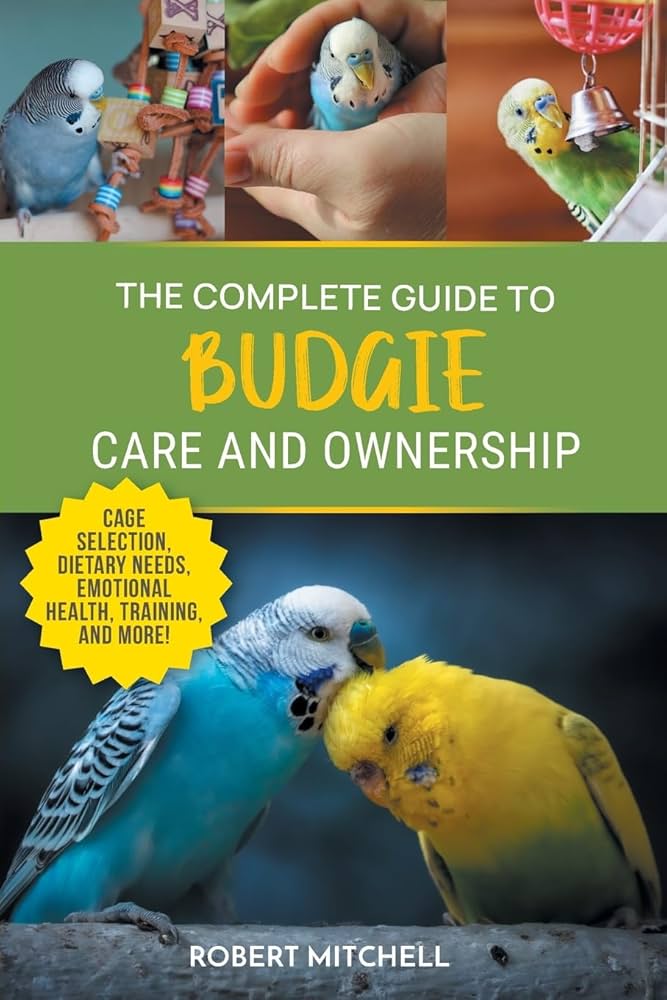
Budgies, also known as parakeets, are a popular choice for first-time pet owners due to their adaptable nature, relatively simple care requirements, and engaging personalities. These small birds can learn to mimic words and phrases, adding an interactive element to their companionship. While generally well-suited for families, adult supervision is always recommended when children interact with them. This guide will cover everything you need to know about providing proper care for your budgie, including habitat setup, diet, grooming, and health considerations.
Understanding Budgie Characteristics
Before bringing a budgie home, it’s helpful to understand their typical traits:
| Characteristic | Detail |
|---|---|
| Average Lifespan | 10–12 years with proper care |
| Average Adult Size | 7 inches long (head to tail) |
| Diet | Granivorous (grain-eaters) |
| Minimum Habitat Size | 18″ W x 18″ D x 18″ H |
| Difficulty of Care | Beginner |
Setting Up Your Budgie’s Habitat
A well-designed habitat is crucial for a budgie’s well-being and happiness.
Choosing the Right Cage
For a single budgie, an enclosure measuring at least 18x18x18 inches is recommended. If housing two budgies, the cage size should increase to 30x18x18 inches. For groups of three or more, a cage of 32x18x20 inches is appropriate. Ensure the cage bars are spaced no more than ½-inch apart to prevent escape or injury.
Cage Bedding
Lining the bottom of the cage with paper allows for easy daily cleaning and facilitates monitoring of droppings for signs of illness. Suitable bedding options include newspaper, paper towels, plain paper packaging, brown paper bags, and butcher paper. Avoid glossy printed materials, as the ink can be toxic if ingested. Pelleted paper or crushed corn cob bedding should also be avoided as they can retain moisture, potentially promoting fungal growth and masking important health indicators in droppings.
Feeding and Water Dishes
Feeding dishes can be made of plastic, stainless steel, or ceramic. Offer dry food, fresh food, and water in separate dishes. Water dishes should be large enough for the budgie to bathe in. If housing multiple budgies, provide each bird with its own feeding station to prevent competition. All dishes should be washed and dried daily, and any worn or damaged dishes should be replaced.
Providing Appropriate Perches
Offer a variety of perches with different sizes, heights, textures, and materials (e.g., rope) to encourage foot exercise and help prevent sores. Perches should be a minimum of 4 inches long and 3/8 inch in diameter. Wider perches can hinder gripping and lead to falls. To prevent soiling food and water, avoid placing perches directly above feeding areas. Replace worn or damaged perches promptly.
Lighting Considerations
When natural sunlight is limited, a full-spectrum UV light designed for birds should be used for 10–12 hours daily to supplement UV exposure.
Engaging Budgie Toys
A selection of toys made from bird-safe materials like firm plastic, wood, metal, fabric, or paper is essential for enrichment, entertainment, and exercise. Options include bird-safe mirrors, swings, ladders, and foraging toys. Rotate toys weekly and replace them monthly to prevent boredom. Homemade toys and cages should be avoided as common building materials can be toxic if ingested by birds.
Budgie Diet and Feeding
A balanced diet is key to a budgie’s health.
Budgie Bird Food and Water
A high-quality pelleted diet, making up 60–70% of their intake, provides balanced nutrition. Budgies require constant access to fresh, clean water, preferably filtered tap water or bottled spring water, which should be changed daily.
Healthy Treats, Fruits, and Vegetables
Treats, vegetables, and fruits should constitute 30–40% of the diet, with treats not exceeding 10% of the total. Safe treats include fortified seeds and millet sprays. Offer a variety of fruits and vegetables such as berries, melons, papaya, broccoli, sweet potatoes, pea pods, and bell peppers.
Essential Supplements
Mineral blocks or cuttle bones provide essential calcium and trace minerals vital for maintaining strong bones, healthy beaks and nails, and vibrant feathers.
Foods to Strictly Avoid
Never feed your budgie avocado, chocolate, caffeine, alcohol, fruit pits and seeds (always remove before feeding), foods high in salt, fat, and sugar, sugar-free foods and candy (which may contain xylitol), or garlic and onion seasonings. Additionally, non-stick cookware should not be used around birds, as heated non-stick surfaces can emit toxic gases.
Daily Budgie Care Practices
Consistent care ensures your budgie thrives.
Feeding Routine
Provide a fresh day’s portion of food daily, discarding any leftovers from the previous day. Fresh produce should be removed within a few hours to prevent spoilage. Treats can be offered daily or as rewards during training.
Grooming Needs
Budgies may enjoy bathing in a water bowl; if not, a misting bottle can be used a few times a week. Beaks should maintain their shape through daily use and typically do not require trimming. Routine nail trimming helps prevent snagging and allows for more comfortable handling. Wing trimming, typically needed every few months as feathers regrow, helps prevent escape and injury during flight.
Exercise and Play
Allowing ample space for flapping wings is crucial for exercise, achievable through supervised time outside the cage or in a flight cage/aviary. Toys that encourage climbing, foraging, and safe chewing are also important. Aim for at least an hour of supervised out-of-cage time daily for enrichment and social interaction.
Habitat Cleaning
Perform daily spot cleaning to remove waste and old food. Food and water bowls must be washed daily. Cage liners should be changed weekly for single budgies, or more frequently for multiple birds. Clean the cage thoroughly using a 3% bleach solution or a pet-safe cleaner, ensuring all surfaces are rinsed and dried completely before reassembling.
Companionship and Socialization
Budgies are flock birds and thrive on social interaction. The number of budgies housed together should align with your available time and resources for attention. Solo budgies require more personal interaction, while groups can be more self-sufficient in their social needs.
Handling Budgies Safely
Hand-raised budgies are typically comfortable with human interaction. Birds not accustomed to handling should be approached cautiously to minimize stress and prevent injury. Using a small hand towel to gently wrap the bird during handling can protect both the bird and handler and reduce fear. This technique is particularly useful when administering medication.
Veterinary Care for Budgies
Regular veterinary check-ups are essential for maintaining your budgie’s health.
Recommended Veterinary Care
An annual physical examination by a board-certified avian or exotic animal veterinarian is recommended. This may include a fecal test to check for parasites and bacteria. Annual blood testing is not routinely performed due to the small size of the birds.
Signs of a Healthy Budgie
A healthy budgie exhibits:
- Ideal body condition.
- Smooth, brightly colored feathers.
- Clear, bright eyes.
- No nasal discharge or discoloration above the nares.
- Smooth skin without cracks or swelling.
- No sticky material or discoloration around the vent.
- No visible swellings.
- Formed droppings of a green-brown color with a small amount of white and minimal wetness.
When to Seek Veterinary Attention
Contact a veterinarian immediately if you observe any of the following symptoms:
- Watery, loose, or discolored droppings.
- Fecal material sticking to feathers around the vent.
- Sneezing.
- Discolored feathers over the nares.
- Tail bobbing.
- Open-mouth breathing.
- Overgrown beak or nails.
- Changes to the skin of the feet, legs, and face.
- Swellings on the body.
- Broken, missing, or bleeding feathers.
- Growths on the skin.
- Seizures.
- Weakness or lack of balance.
Common Budgie Illnesses
Budgies can be susceptible to various health issues, including tumors, goiters, low vitamin A, scaly leg and face mites, obesity, liver disease, parasites, foot disorders, and Psittacosis.
Frequently Asked Questions About Budgies
What exactly is a budgie?
A budgie, short for budgerigar, is a small and affectionate bird species commonly kept as pets. They are also known as parakeets.
Do budgies have the ability to talk?
Budgies can chirp and whistle, and they possess the remarkable ability to imitate words and phrases they frequently hear from their owners.
How long can a budgie live?
With proper care and attention, pet budgies have the potential to live for an average of 10 to 12 years.
