
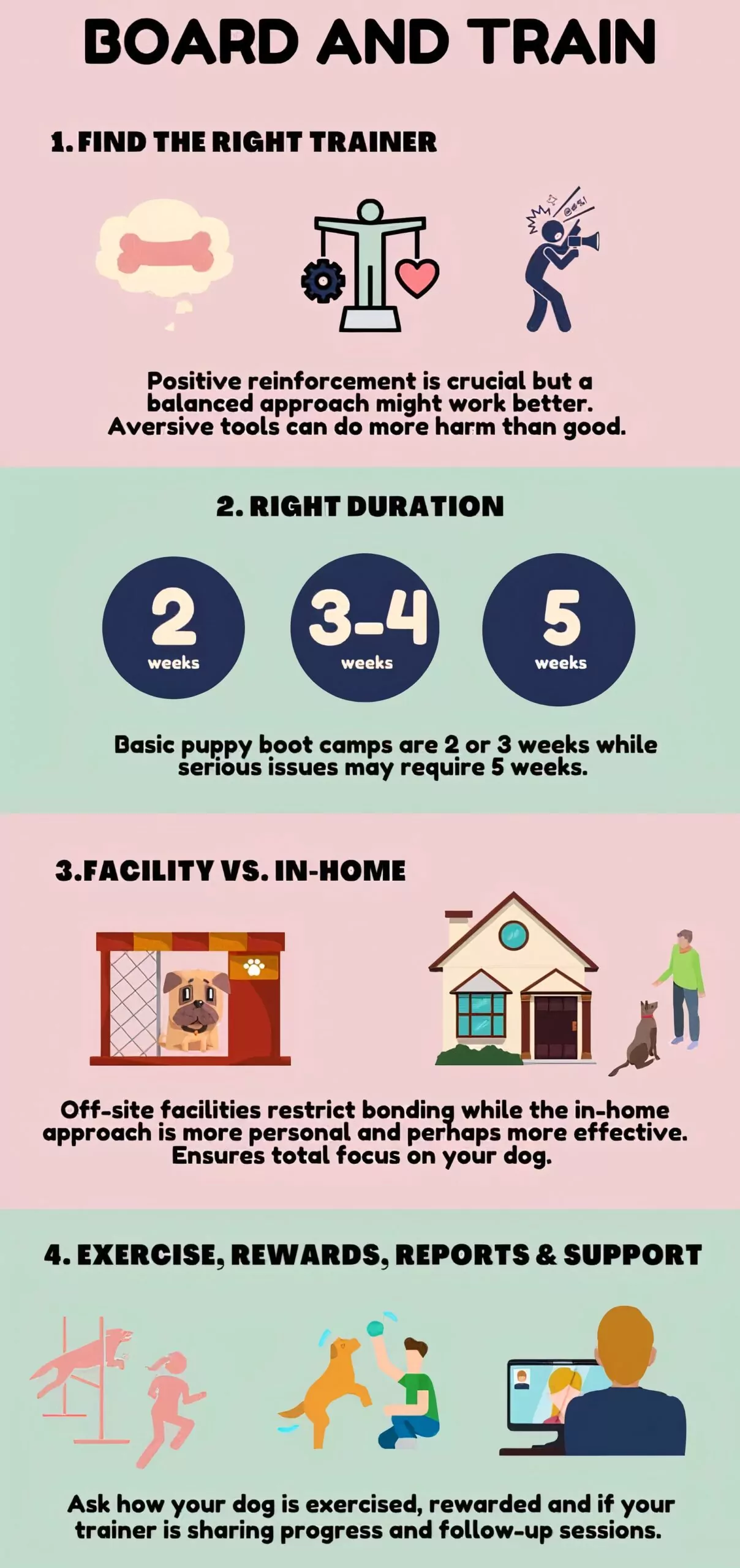
Are you struggling with your dog’s behavior and considering a “board and train” program? This immersive approach can be highly effective for addressing a range of issues, from basic obedience to more complex behavioral problems. However, choosing the right Board And Train Dog Trainers is crucial for success. This guide will walk you through what to look for, what questions to ask, and how to ensure you’re making the best decision for your canine companion.
Understanding Board and Train Programs
Board and train, often referred to as “doggy boot camp,” is a type of training where your dog lives with a professional trainer for a set period, typically ranging from two to six weeks. During this time, the trainer works intensively with your dog on obedience, socialization, and behavior modification. The goal is to establish a solid foundation of good behavior that you can then maintain at home.
Why Choose Board and Train?
- Intensive Training: Dogs learn commands and good manners in a controlled, immersive environment.
- Behavioral Problem Solving: Ideal for dogs with significant issues like aggression, severe anxiety, or destructiveness.
- Time Efficiency: Can achieve results faster than traditional weekly lessons, especially for busy owners.
- Professional Expertise: Your dog is in the hands of experienced professionals who understand canine behavior.
This intensive approach can be particularly beneficial for owners who have tried other methods without success. It’s a significant investment, both in terms of time and money, so selecting the right program is paramount.
What to Look for in Board and Train Dog Trainers
When searching for board and train dog trainers, consider the following key factors:
Trainer Qualifications and Experience
- Certifications: Look for trainers certified by reputable organizations (e.g., CCPDT, IAABC). While not always mandatory, it indicates a commitment to professional standards.
- Experience: How long have they been offering board and train services? Do they have experience with the specific issues your dog is facing?
- Training Philosophy: Understand their methods. Positive reinforcement is generally preferred, but some trainers may use balanced approaches. Ensure their philosophy aligns with your values.
Program Structure and Curriculum
- Duration: Is the program length appropriate for your dog’s needs?
- Curriculum: What specific commands and behaviors will be taught? Will they address your dog’s particular challenges?
- Daily Routine: What does a typical day look like for a dog in the program? This includes training sessions, exercise, playtime, and downtime.
- Handover and Follow-up: Crucially, how will the trainer transfer the learned skills back to you? A good program includes one-on-one sessions with you and your dog upon completion, plus ongoing support.
Facilities and Environment
- Living Conditions: Where will your dog be staying? Are the facilities clean, safe, and comfortable? Are they free from excessive stress or overstimulation?
- Safety Measures: What protocols are in place to ensure your dog’s safety (e.g., secure fencing, supervision)?
- Group Dynamics: If dogs are housed or trained in groups, how are they managed to prevent conflicts?
Client Testimonials and Reviews
- References: Ask for references from past clients, especially those with similar concerns.
- Online Reviews: Check reputable review sites, but be discerning. Look for consistent themes and detailed feedback.
- Before & After Videos: Many trainers provide videos showcasing their work.
Key Questions to Ask Potential Trainers
Don’t hesitate to ask detailed questions. This is your opportunity to vet the board and train dog trainers thoroughly.
About the Training Method
- “What is your primary training philosophy, and why do you use it?”
- “Can you describe your approach to positive reinforcement and how you handle unwanted behaviors?”
- “How do you ensure consistency in training across different environments and handlers?”
About the Program Details
- “What is the exact duration of the program for a dog like mine?”
- “What specific skills and obedience commands will my dog learn?”
- “How many training sessions does my dog have per day, and how long are they?”
- “What is the trainer-to-dog ratio during training sessions and supervision?”
- “What happens if my dog becomes ill or injured during the program?”
- “Do you offer any guarantees on the training results?” (Be wary of overly strong guarantees; dog training is a partnership.)
About the Transition and Support
- “What does the handover process involve? How much time is dedicated to teaching me what my dog has learned?”
- “What kind of follow-up support do you offer after the program is completed (e.g., private lessons, phone support)?”
- “How do you help owners maintain the training at home?”
Finding Local Board and Train Options
When searching for board and train dog trainers near you, consider these strategies:
Use Online Search Engines
Start with searches like:
- “board and train dog trainers [your city/state]”
- “dog boot camp training [your area]”
- “professional dog obedience boarding [your zip code]”
This will likely bring up local businesses and directories. You may find options such as dog training goodyear az or services in areas like dog training rancho cucamonga.
Ask for Recommendations
- Veterinarians: Your vet is often a great resource for recommending trusted local pet professionals.
- Local Pet Stores & Groomers: Staff at these establishments often interact with many dog owners and trainers.
- Dog Parks and Breed Clubs: Fellow dog owners can provide valuable insights and personal experiences.
Consider Specialized Programs
Some programs focus on specific needs:
- Advanced Obedience: For dogs that already have basic manners.
- Behavioral Modification: For aggression, anxiety, or reactivity.
- Puppy Imprinting: Early intensive training for young puppies.
If you’re looking into more intensive programs, exploring options like boot camp dog training could be beneficial.
The Importance of the Handover and Follow-Up
The most critical phase of any board and train program is the transition back to your home environment. The board and train dog trainers must equip you with the knowledge and skills to maintain your dog’s progress.
A comprehensive handover process typically includes:
- In-person session: The trainer works with you and your dog, demonstrating commands and techniques.
- Written materials: A guide summarizing the commands, routine, and troubleshooting tips.
- Follow-up support: Scheduled private lessons or check-in calls to address any challenges you encounter.
Without this crucial step, the investment in board and train may not yield long-term results. You are a vital part of your dog’s training journey.
When Board and Train Might Not Be the Right Fit
While highly effective, board and train isn’t for every dog or owner:
- Mild Behavioral Issues: For simple issues like house-training or leash pulling, weekly training sessions or at-home coaching might suffice.
- Separation Anxiety: If your dog has severe separation anxiety, being away from you for an extended period could exacerbate their stress.
- Owner Willingness: If you’re not prepared to commit to continuing the training at home, the benefits of the program will diminish.
In cases where immediate, professional guidance is needed in your local area, looking into dog trainers near me board and train can help you find suitable options. For those considering a career in this field, understanding roles like dog training job near me can provide context on the industry.
Conclusion: Investing in Your Dog’s Future
Choosing the right board and train dog trainers is a significant decision that requires careful research and due diligence. By understanding what constitutes a quality program, asking the right questions, and prioritizing the trainer’s qualifications and your dog’s well-being, you can find a solution that transforms your dog’s behavior and strengthens your bond. Remember, the goal is not just for your dog to learn, but for you to learn how to live harmoniously with a well-behaved canine companion.
