
The vibrant world of pet birds offers an array of captivating companions, but few are as striking as blue parrot species. From the deep indigo of a Hyacinth Macaw to the delicate sky blue of a Budgerigar mutation, these birds boast a breathtaking spectrum of blue plumage that can add a splash of color and personality to any home. Understanding the unique characteristics, care requirements, and temperaments of these magnificent birds is crucial for prospective owners. This comprehensive guide explores some of the most popular and enchanting blue parrot species available as pets, helping you find your perfect feathered friend.
The Allure of Blue Parrots: A Diverse Palette of Companions
Blue parrots are more than just beautiful; they are intelligent, social, and often highly interactive creatures. Their captivating blue hues, which can range from subtle hints to dominant tones, are either naturally occurring or the result of careful selective breeding. Whether you’re drawn to their playful antics or their ability to form deep bonds, the diversity within blue parrot species means there’s a bird to suit various lifestyles and experience levels. From small, feisty parrotlets to the “gentle giants” of the macaw world, these birds offer a unique blend of visual appeal and engaging companionship. If you are considering adding a bird to your home, exploring the world of household birds will provide valuable insights into creating a harmonious environment.
Iconic Blue Beauties: Large and Majestic Macaws
Among the most renowned blue parrot species are the macaws, celebrated for their impressive size, intelligence, and vivid coloration.
Blue-and-Gold Macaw
Hailing from the lush rainforests of South America, the Blue-and-Gold Macaw is an unmistakable spectacle of nature. Its brilliant blue back, wings, and tail contrast beautifully with its golden-yellow chest and belly. These intelligent and highly social birds require dedicated caretakers who can provide ample mental stimulation and physical activity. Their lifespan can extend from 30 to 60 years, making them a long-term commitment that rewards owners with affectionate and engaging companionship. Their striking appearance, coupled with their playful nature, makes them a favorite among experienced bird enthusiasts.
Hyacinth Macaw
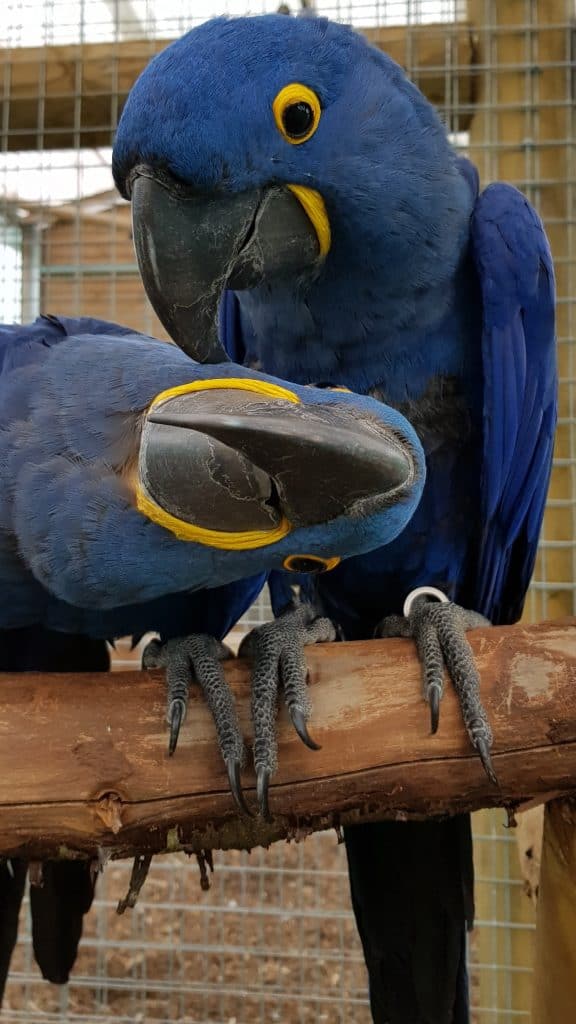
Often referred to as the “gentle giant” of the parrot world, the Hyacinth Macaw is the largest of all parrot species, boasting an almost entirely deep, solid blue plumage, accented by slight yellow patches around its eyes and beak. Despite their formidable size and powerful beaks, Hyacinths are known for their incredibly friendly and affectionate demeanor. They demand significant attention and interaction from their owners, along with vast spaces for exercise to thrive. With a lifespan often exceeding 60 years, the commitment to a Hyacinth Macaw is substantial, but their sweet nature makes them incredibly rewarding pets.
Small Wonders: Blue Budgies and Parrotlets
Not all blue parrots are large and majestic; some of the most charming blue companions come in compact packages.
Budgerigar (Blue Mutation)
While wild Budgerigars (budgies) are typically green and yellow, selective breeding in captivity has yielded a stunning array of color mutations, with blue being one of the most popular. These small parrots display beautiful blue plumage on their heads, chests, and bellies, often complemented by black markings. Budgies are excellent choices for both novice and experienced bird owners, known for their playful personalities, chattering, and ability to mimic sounds. With a lifespan of over 10 years, these tiny blue gems have been beloved pets for decades.
Pacific Parrotlet (Blue Mutation)
The Pacific Parrotlet holds the title of the smallest true parrot species, yet it possesses a personality far larger than its diminutive size suggests. Originally green, blue color mutations of the Pacific Parrotlet are highly sought after. These feisty birds are perfect for individuals with limited space, though they still require several hours of daily handling and exercise to maintain their health and tame disposition. Despite their small stature, Pacific Parrotlets are intelligent and can form strong bonds with their caretakers, living for 20 to 30 years. When considering small pet birds, understanding what makes good birds for pets is essential for a successful pairing.
Mid-Sized Charms: Conures, Quakers, and Pionus
For those seeking a blue parrot that falls between the extremes of macaws and budgies, several mid-sized species offer delightful companionship.
Blue-Crowned Conure
The Blue-Crowned Conure, famously featured in the movie “Paulie,” stands out with its brilliant blue head contrasting against a predominantly green body. These conures are among the friendlier species, thriving on interaction and spending time with their human companions. They dislike confinement, necessitating several hours of supervised out-of-cage time daily and the largest possible enclosure when they must be caged. Blue-Crowned Conures can live for approximately 30 years, offering a long-term and interactive pet experience.
Quaker Parrot (Blue Mutation)
Wild Quaker Parrots, also known as Monk Parakeets, are primarily green. However, stunning blue mutations were developed in the early 2000s, adding a vibrant blue option to this spunky species. Quaker Parrots are known for their strong bonds with caretakers and their impressive vocal abilities, often learning a significant vocabulary of human words and phrases, and mimicking household sounds. Their lifespan ranges from 20 to 30 years, making them engaging and chatty companions.
Blue-Headed Pionus
Native to Central and South America, the Blue-Headed Pionus is a relatively quiet and easygoing parrot species, especially when compared to some more boisterous relatives. Their striking blue heads and necks against a green body, along with black patches over their ears, make them visually appealing. They are generally gentle birds with a low propensity for biting, making them suitable for many households. Like other large pet birds, they benefit from sufficient space for supervised out-of-cage playtime. Blue-Headed Pionus can live up to 40 years in captivity, providing many years of calm companionship.
Elegant and Intelligent: Indian Ringnecks and Bourke’s
Two more blue parrot species offer unique traits for pet owners, blending elegance with intelligence.
Indian Ringneck Parakeet (Blue Mutation)
Indian Ringneck Parakeets in the wild are typically bright green, but selective breeding has introduced several captivating color mutations, including a beautiful blue. These highly intelligent birds require significant mental stimulation to prevent destructive behaviors like chewing. Ample socialization and regular handling are crucial to maintain their tame and sweet disposition. With a lifespan of 25 to 30 years, blue Indian Ringnecks are rewarding pets for owners who can dedicate time to their training and interaction. For those exploring diverse avian options, considering hoobly birds for sale can open up a wider range of choices and resources.
Bourke’s Parakeet (Parrot)
Bourke’s Parakeets are not entirely blue but feature distinctive blue tail feathers, and adult males often display blue feathers on their foreheads. These birds are known for their gentle and good-natured temperament, making them an excellent choice for owners seeking a quieter parrot species. Unlike many parrots, Bourke’s Parakeets are relatively quiet, making them suitable for apartment living or households where noise is a concern. Their calm demeanor also makes them compatible with other quiet birds, though they are perfectly capable of entertaining themselves. They can live for approximately 25 years.
Choosing Your Blue Companion: Key Considerations
Selecting the right blue parrot species involves more than just admiring their beautiful plumage. It requires careful consideration of their specific needs, your lifestyle, and your experience level. Each species has unique requirements regarding enclosure size, diet, social interaction, and mental stimulation. Larger birds like macaws demand significant space and time, while smaller birds like parrotlets still need daily handling. Responsible pet ownership means being prepared for a long-term commitment, understanding that these intelligent creatures thrive on proper care, nutrition, and engagement. Consulting with avian veterinarians or experienced bird enthusiasts can provide invaluable insights to ensure you choose a blue parrot that will flourish in your home.
In conclusion, blue parrot species offer an unparalleled beauty and a diverse range of personalities, making them truly special companions. From the vibrant Blue-and-Gold Macaw to the gentle Bourke’s Parakeet, there’s a blue bird for every enthusiast. By thoroughly researching and understanding the specific needs of each species, you can provide a loving and stimulating environment for these magnificent creatures. Always prioritize the well-being of your pet, ensuring they receive the best possible care throughout their long and happy lives. Read more about pet bird species and their care to make an informed decision for your feathered family member.
References
- The Spruce Pets. “9 Top Blue Parrot Species to Keep as Pets.” https://www.thesprucepets.com/bird-identification-blue-parrot-species-390516
