
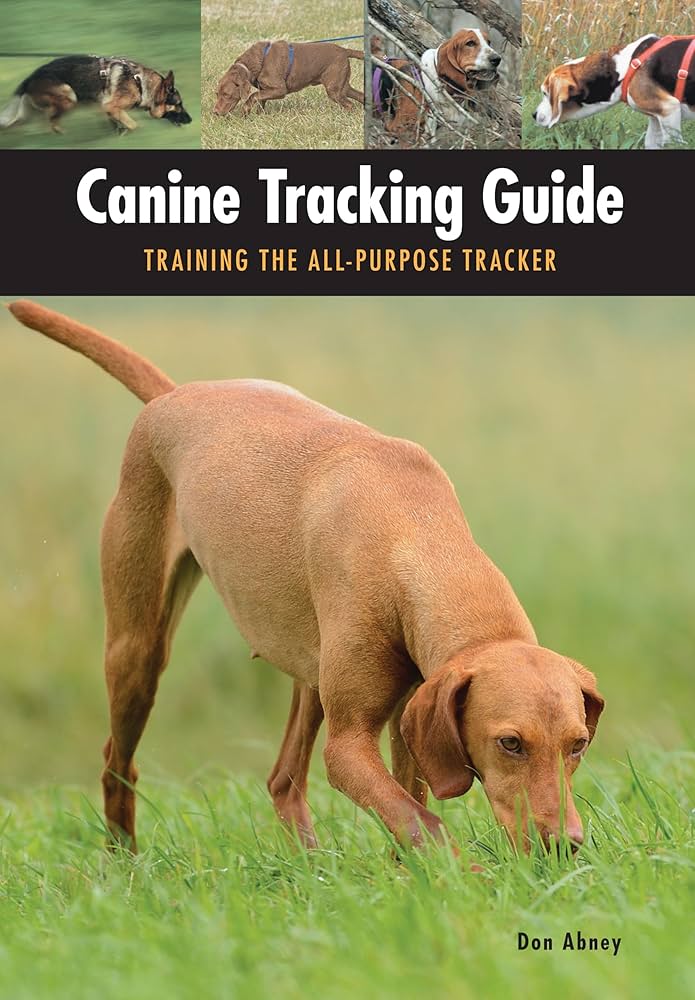
The world of scent work and specialized canine abilities is fascinating, and at its core lies the remarkable talent of blood tracking. This isn’t just about a dog’s keen nose; it’s about harnessing a primal instinct into a precise skill. For those passionate about the outdoors, hunting, or simply pushing the boundaries of what their dog can achieve, understanding Blood Tracking Dog Training is key. It’s a journey that builds an unbreakable bond, sharpens your dog’s natural gifts, and opens up a rewarding avenue for both of you. Whether you’re a seasoned hunter or a curious dog owner, this guide will navigate you through the essential principles and practices of training a blood tracking dog.
The Science and Instinct Behind Blood Tracking
At its heart, blood tracking leverages a dog’s extraordinary olfactory capabilities. A dog’s nose is a marvel, possessing up to 300 million scent receptors, vastly outnumbering our mere 6 million. This incredible sensory organ allows them to detect and differentiate a complex array of scents, including the subtle trail of blood, often long after it would be imperceptible to humans. This innate ability is crucial for many purposes, from locating wounded game in hunting scenarios to aiding in search and rescue operations.
The instinct to follow a scent is deeply ingrained in dogs. Breeds that were historically developed for hunting, such as Basset Hounds, Bloodhounds, and various sighthounds and scenthounds, often exhibit a stronger natural inclination for tracking. However, with the right approach, many breeds can be trained to follow a blood trail. The training process essentially refines this natural drive, teaching the dog to systematically follow a specific scent path and indicate its findings.
Getting Started: Essential Preparations for Blood Tracking Dog Training
Before you embark on the training journey, a few foundational elements need to be in place to ensure success and safety.
Choosing the Right Dog
While certain breeds are predisposed to scent work, the individual dog’s temperament, drive, and willingness to please are paramount. Look for a dog that is:
- Scent-driven: Shows a natural interest in sniffing and exploring.
- Persistent: Doesn’t give up easily when faced with a challenging scent.
- Obedient: Responds well to basic commands, which is crucial for control during training and in the field.
- Healthy: Free from any physical limitations that could hinder tracking.
For those interested in deer tracking dog training, or other game, selecting a dog with a robust nose and a desire to work is the first step.
Essential Gear
Proper equipment not only aids in training but also ensures your dog’s safety and comfort:
- Harness: A comfortable, well-fitting tracking harness that doesn’t restrict movement. Avoid collars for tracking as they can injure the dog if they pull against them.
- Leash/Line: A long tracking line (20-30 feet or more) allows the dog freedom to work the scent while remaining under your control.
- Scent Articles: For initial training, you’ll need artificial scents or, more effectively, actual blood. Ethical sourcing of blood is critical. This can involve using blood from a legally harvested animal (ensure compliance with local hunting regulations) or obtaining it from a butcher.
- Training Area: A safe, controlled environment for initial training sessions. This could be your backyard, a secluded park, or a designated training field.
- Positive Reinforcement Rewards: High-value treats, praise, or a favorite toy that your dog is highly motivated by.
The Core Principles of Blood Tracking Dog Training
Effective blood tracking dog training is built on a foundation of patience, consistency, and positive reinforcement. The goal is to associate the scent of blood with a positive outcome, encouraging the dog to follow the trail diligently.
Step-by-Step Training Methodology
Introduction to Scent:
- Begin by familiarizing your dog with the scent of blood in a controlled setting. Place a scent article (e.g., a piece of cloth with blood on it) on the ground and encourage your dog to investigate.
- When they show interest, reward them enthusiastically. Keep these early sessions short and highly positive.
Creating a Simple Trail:
- Once your dog is comfortable with the scent, create a very short, straight trail (a few feet long) in an open area.
- Lay the scent article at the end of the trail.
- Encourage your dog to follow the scent. As they move along the trail, offer verbal encouragement.
- When they find the article, reward them with praise and a treat.
Gradually Increasing Difficulty:
- Lengthen the Trail: Slowly increase the length of the scent trail.
- Add Turns: Introduce gentle turns in the trail.
- Increase Age of Scent: Allow the scent to “age” for a period (starting with 15-30 minutes, then extending to hours) before having your dog track it. This simulates real-world conditions where the trail may not be fresh.
- Vary Terrain: Practice on different surfaces like grass, dirt, and leaves.
Introducing Obstacles and Complications:
- As your dog becomes more proficient, incorporate natural obstacles like walking over fallen logs, through thick brush, or across water. This teaches them to maintain focus despite distractions.
- Crucially, at this stage, you are usually working off-leash or with a long line. The dog needs to learn to work independently.
The “Find” Command and Indication:
- Teach your dog a specific command (e.g., “Track,” “Find it”) to initiate the search.
- Develop a clear indication behavior. This could be a bark, a sit, or a down at the end of the trail where the scent article or game is located. Reward them consistently for this specific indication.
Working with Game:
- For hunting applications, eventually, you’ll want to integrate the scent of actual game. This often involves using a harvested animal, and teaching the dog to track the blood trail to the downed quarry. This is an advanced step that requires careful handling and knowledge of hunting laws.
Utilizing Positive Reinforcement
Positive reinforcement is the cornerstone of effective blood tracking dog training. This means rewarding desired behaviors to increase their frequency.
- High-Value Rewards: Use treats, toys, or praise that your dog finds extremely motivating. The reward should be commensurate with the effort.
- Timing: Reward your dog immediately after they perform the correct action (e.g., picking up the scent, following the trail correctly, indicating the find).
- Enthusiasm: Your positive attitude and praise are powerful motivators.
- Avoid Punishment: Harsh corrections can create fear and anxiety, which are detrimental to scent work. If your dog makes a mistake, simply redirect them or reset the exercise without punishment.
Common Challenges and Solutions in Training
Even with the best intentions, you might encounter some common hurdles:
- Distractions: Dogs can be easily sidetracked by other scents or sights.
- Solution: Start in a low-distraction environment and gradually introduce more challenging areas. Keep training sessions focused and rewarding. Use high-value treats to keep their attention.
- Losing the Scent: The dog may lose the trail.
- Solution: If the dog is struggling, you might need to shorten the trail, make it more obvious, or guide them back to a point where they were successful. Assess if the scent has aged too long or if the terrain is too difficult for their current skill level.
- Lack of Drive: The dog seems unmotivated.
- Solution: Ensure you are using high-value rewards and that your dog isn’t tired or stressed. Vary the training exercises to keep them engaging. Consider if this specific type of work is a good fit for your dog’s breed and individual personality.
- Indication Issues: The dog doesn’t indicate properly.
- Solution: Clearly define and consistently reinforce the desired indication behavior. Go back to basics if necessary, rewarding any attempt to indicate.
Advanced Training and Real-World Application
As your dog progresses, you’ll move towards more realistic scenarios.
Training for Specific Game
If your goal is deer tracking dog training, or for other game animals like rabbits or wild boar, the training needs to adapt. This involves using trails that mimic the conditions encountered during a hunt. This might include:
- Longer and older trails: Simulating a wounded animal that has moved for some time.
- Complex terrain: Training in dense woods, across streams, and over varied ground.
- Integration with hunting: Eventually, working in conjunction with a hunter to find downed game. This requires careful coordination and adherence to hunting ethics and regulations.
The Importance of an Aged Scent
A critical aspect of advanced tracking is working with an “aged” scent. This means the blood trail has been down for several hours, or even overnight. This is vital because:
- Realism: Wounded game rarely stays put; they move, and the trail doesn’t remain fresh.
- Scent Persistence: It tests the dog’s ability to pick up and follow a faint, less volatile scent.
- Dog’s Confidence: Successfully completing an aged trail builds immense confidence in the dog.
To practice this, lay a trail and let it sit for 12-24 hours (or longer, depending on the desired difficulty and weather conditions) before sending your dog.
Ethical Considerations and Regulations
When training for hunting purposes, always prioritize ethical hunting practices and be aware of local regulations. Ensure you are using legally obtained scent material and that your training activities comply with all game laws. The welfare of the animal being tracked, and any future game, should always be paramount.
Conclusion: A Rewarding Partnership
Embarking on blood tracking dog training is more than just teaching a skill; it’s about forging a deeper connection with your canine companion. It’s a journey that requires dedication, understanding, and a lot of patience. By leveraging your dog’s natural instincts and employing consistent, positive training methods, you can unlock their incredible potential. The satisfaction of watching your dog work a complex trail, using their nose to achieve a goal, is immense. This specialized training not only enhances their abilities but also strengthens the bond between you, creating a truly remarkable partnership built on trust and shared accomplishment.
