
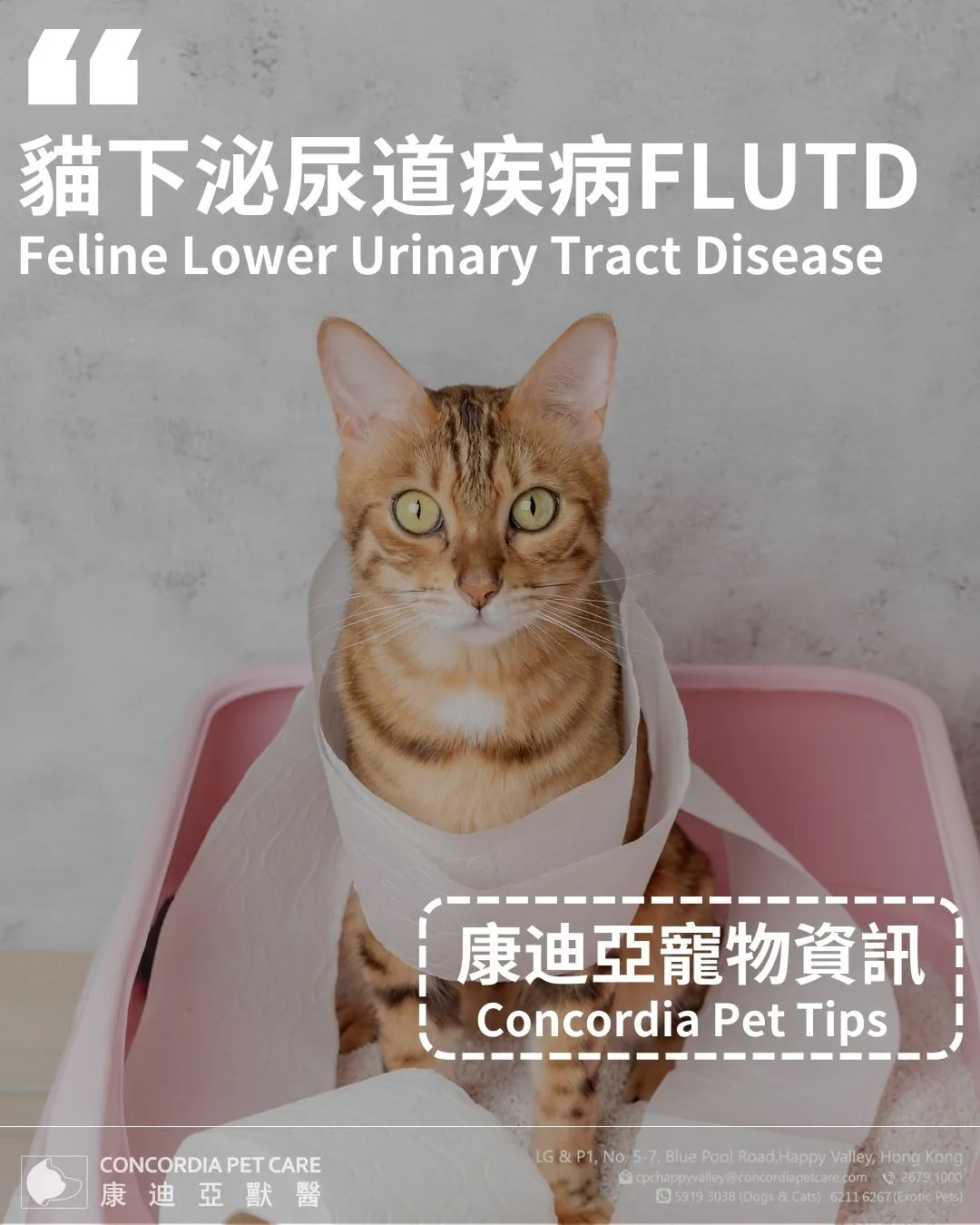
Feline lower urinary tract disease (FLUTD) is a common concern for cat owners, encompassing a range of conditions affecting a cat’s bladder and urethra. While FLUTD can affect cats of any age, it is most frequently observed in middle-aged, overweight cats with sedentary lifestyles and limited outdoor access. Factors such as changes in routine, new environments, or living in multi-cat households can also contribute to the risk of developing FLUTD. Providing a supportive and enriching environment is crucial for feline well-being, and understanding potential health issues like FLUTD is a key part of responsible pet ownership.
Recognizing the Signs of FLUTD
Identifying FLUTD early is vital for prompt and effective treatment. Owners should be aware of the following major signs:
- Straining in the litter box: This can be a primary indicator that your cat is experiencing discomfort or difficulty urinating.
- Urinating small amounts frequently: A change in urination patterns, especially if the volume is consistently small, warrants attention.
- Vocalization during urination: Crying out while attempting to urinate suggests pain or distress.
- Excessive licking of the genital area: This behavior can be a sign of irritation or discomfort in the urinary tract.
- Urinating outside the litter box: This can be a behavioral response to discomfort or a medical issue.
- Blood in the urine: Visible blood in urine is a serious sign that requires immediate veterinary attention.
It is crucial to note that cats experiencing urethral obstruction, a severe complication, will exhibit these signs along with passing little to no urine and showing increasing distress. This condition is a life-threatening emergency and necessitates immediate veterinary intervention.
Diagnosing FLUTD: A Veterinary Approach
Diagnosing the specific cause of FLUTD can be complex, as several underlying issues can manifest with similar symptoms. Your veterinarian will begin by gathering a detailed history of your cat’s health and environment. A thorough physical examination will be performed, followed by urinalysis to assess pH, concentration, and the presence of crystals, blood, or signs of infection and inflammation.
If the initial evaluation does not reveal a clear cause, further diagnostic tests may be recommended. These can include urine bacterial culture, abdominal X-rays or ultrasound, blood work, and additional urine tests. It’s important to understand that even with comprehensive diagnostics, a definitive cause may not always be identified. Furthermore, cats can experience multiple FLUTD episodes, and the underlying cause may differ with each occurrence, sometimes with multiple contributing factors present simultaneously. Therefore, a thorough evaluation is recommended for every episode of FLUTD. The treatment plan will be tailored based on the identified cause and any abnormalities found during the diagnostic process, potentially including fluid therapy and medications for pain, nausea, or anxiety.
Common Causes and Treatments for FLUTD
Several conditions can lead to FLUTD, each requiring specific management strategies.
Uroliths (Urinary Stones)
Urinary stones, also known as uroliths, are a frequent culprit, forming in the bladder and/or urethra and causing irritation or blockage. These stones are typically composed of either struvite or calcium oxalate minerals. Confirmation of their presence usually requires X-rays and/or ultrasound.
Treatment for struvite stones often involves a specialized prescription diet formulated to dissolve the stones, as recommended by your veterinarian. For oxalate stones, or for struvite stones that recur or do not respond to dietary changes, surgical removal is generally the preferred option. Fortunately, minimally invasive surgical techniques can often be employed, resulting in quicker recovery times and less discomfort for the cat compared to traditional methods like cystotomy or urethrotomy. Your veterinarian may also suggest medications and dietary adjustments to prevent future stone formation. Purina Pro Plan urinary cat products are often recommended by veterinarians to support urinary health.
Urinary Tract Infection (UTI)
Infections of the urinary tract by bacteria, fungi, parasites, or viruses can also lead to FLUTD signs. While bacterial infections are less common in younger cats due to the natural acidity and concentration of their urine, they become more prevalent in cats over 10 years old, particularly those with underlying health issues like kidney disease or diabetes.
Veterinary diagnosis typically involves a urine bacterial culture to identify the causative organism and antibiotic susceptibility testing to determine the most effective treatment. Treatment varies based on infection severity and the identified pathogen, potentially including fluid therapy, urinary acidifiers, and appropriate antibiotics.
Urethral Obstruction: A Critical Emergency
Urethral obstruction is the most severe and life-threatening cause of FLUTD. Cats experiencing this condition strain to urinate and pass little to no urine. While it may resemble constipation, it is often a sign of a blocked urethra. Urethral obstruction is most common in male cats aged one to ten years due to their longer, narrower urethras. Urethral plugs (composed of minerals, cells, and protein) and urinary stones are common causes. If the urethra remains blocked, urine backs up into the kidneys, leading to kidney failure, toxin buildup, and electrolyte imbalances, which can be fatal within 24-48 hours without prompt treatment. This is an emergency requiring immediate veterinary care.
Veterinary intervention typically involves dislodging the obstruction via flushing with sterile solution and catheterization. A catheter may remain in place for several days to reduce swelling. Intravenous fluid therapy addresses dehydration and electrolyte imbalances, while pain medication and specific diets may also be prescribed. For male cats with recurrent obstructions, a surgical procedure called perineal urethrostomy may be recommended to widen the urethra and reduce the risk of future blockages. Specialized diets, such as those designed for urinary tract health, can play a role in management. For instance, Pro Plan Veterinary Diets have options designed to support urinary tract health.
Feline Idiopathic Cystitis (FIC)
Feline idiopathic cystitis (FIC) is the most common cause of FLUTD in cats under 10 years old. The term “idiopathic” signifies that the exact cause is unknown, but it’s understood to be a complex condition involving both the urinary system and other bodily systems. Chronic stress and anxiety, often triggered by environmental factors like inter-cat conflict, are believed to be significant contributors. Male cats with FIC are also at a higher risk of urethral obstruction.
Episodes of FIC are typically short-lived, with cats without obstruction usually recovering within a week without specific treatment. However, a significant percentage of these cats will experience recurrent episodes. Stress or anxiety can exacerbate both the frequency and severity of FIC.
There is no specific diagnostic test for FIC; diagnosis is often made by ruling out other causes. Management focuses on reducing the frequency and severity of episodes through multimodal environmental modification (MEMO). This involves creating a less stressful environment that meets the cat’s sensory needs and provides a sense of control. Changes to litter boxes, safe resting areas, and increased opportunities for play can be beneficial. Dietary changes and certain medications may also be recommended by your veterinarian.
Other Potential Causes
Less common causes of FLUTD include tumors of the urinary tract, anatomical abnormalities, or injuries to the urinary tract or spinal cord. Treatment for these conditions will vary widely depending on the specific diagnosis.
Supporting Your Cat’s Urinary Health
Proactive care can significantly contribute to maintaining your cat’s urinary health and preventing FLUTD. Providing a safe and enriching environment is paramount. This includes:
- Safe spaces: Ensuring your cat has secure places to rest and sleep, such as a comfortable cat carrier.
- Environmental enrichment: Catering to your cat’s sensory needs through taste, sight, smell, sound, and touch.
- Fresh water: Constant access to clean, fresh water is essential.
- Adequate litter boxes: The general recommendation is one more litter box than the number of cats, with consideration for litter type, box size, and preferred location (quiet areas). Regular cleaning (scooping twice daily, changing litter weekly) is crucial.
- Opportunities for play: Daily interactive play helps manage weight and reduce stress.
- Healthy weight: Maintaining a healthy weight reduces the risk of various health problems, including FLUTD.
- Predictable environment: A positive and consistent environment minimizes stress.
For multi-cat households, providing separate areas for essential activities like sleeping, eating, drinking, litter box use, scratching, climbing, and playing can help minimize conflict and allow cats to maintain their personal space. Consulting with your veterinarian about specialized diets, such as Purina Pro Plan urinary tract health cat food, can also be a valuable part of supporting your cat’s long-term urinary well-being. For cats with specific needs, options like low protein cat food for kidney disease may be discussed with your vet.
