
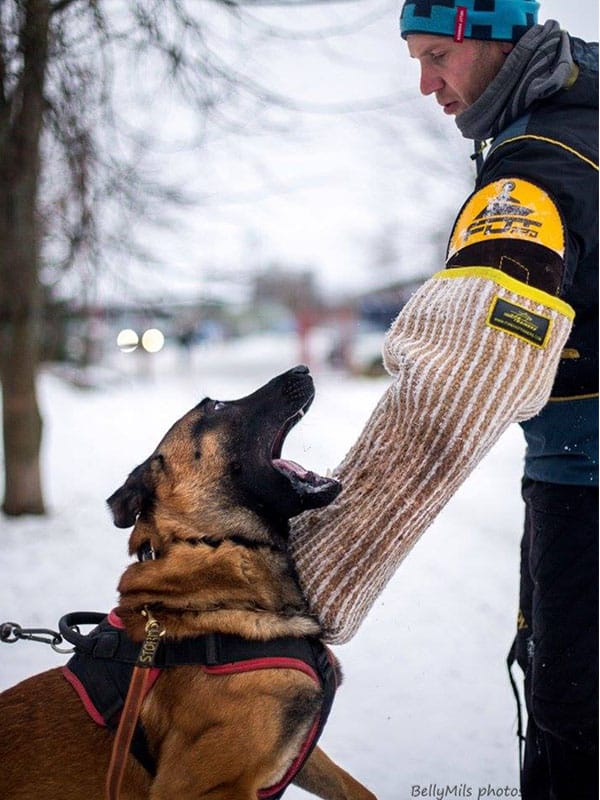
Unleashing a dog’s natural guarding instincts requires the right tools and techniques. When it comes to protection training, a high-quality bite sleeve is not just an accessory; it’s a fundamental piece of equipment that ensures safety, effectiveness, and a positive learning experience for your canine partner. Whether you’re involved in law enforcement K9 units, professional protection sports, or simply aiming to build a more confident and well-behaved companion, understanding the role and selection of bite sleeves is crucial. This guide delves into the world of bite sleeves for dog training, exploring their importance, types, features, and how to choose the best one for your needs.
The Crucial Role of Bite Sleeves in Dog Training
Bite sleeves are designed to protect the decoy (the person conducting the training) while providing a safe and engaging target for the dog to bite and hold. Their primary functions include:
- Safety: The most critical aspect of a bite sleeve is to protect the decoy from serious injury. Durable materials and thoughtful design prevent accidental bites from causing harm.
- Targeting: Sleeves provide a clear, defined target for the dog, helping them understand where to bite and encouraging a firm, confident grip. This is essential for developing proper bite inhibition and control.
- Stimulation: The texture, scent, and feel of a bite sleeve can be highly stimulating for dogs, tapping into their prey drive and making training sessions more engaging and rewarding.
- Progression: As dogs advance in their training, different types of sleeves allow for progressive challenges, helping them build confidence, power, and control in their bites.
Understanding Different Types of Bite Sleeves
The world of bite sleeves offers a variety of options, each suited for different stages of training and breeds. Recognizing these distinctions is key to selecting the appropriate gear.
Puppy Sleeves (Beginner Sleeves)
These are typically made of softer, lighter materials like jute or French linen. They are designed for young puppies just beginning their bite training journey.
- Purpose: To introduce puppies to the concept of biting a target and build initial confidence. They are less intimidating and allow for gentle retrieves and tugs.
- Features: Often smaller in size, with a softer construction and sometimes a handle for easy manipulation. They may not offer as much protection as advanced sleeves, as the emphasis is on gentle interaction.
Schutzhund/IPO Sleeves (Malinois or French Linen)
These are the standard for protection sports like Schutzhund (now IGP). They are made from durable materials like jute or French linen, offering a good balance of protection and feel for the dog.
- Purpose: Used for developing powerful, controlled bites in more experienced dogs. They are essential for various training exercises, from apprehending a suspect to tugging and shaking.
- Features: Constructed for durability and to provide a good surface for a firm grip. They usually cover the full arm, from wrist to shoulder, offering substantial protection. Various firmness levels are available.
Hard Sleeves (Professional/Police K9 Sleeves)
These sleeves are significantly more rigid and are typically made from thick leather or composite materials.
- Purpose: Primarily used in police and military K9 training, where the emphasis is on developing a strong, decisive, and powerful bite. They simulate a perpetrator’s arm more closely and demand a higher level of drive and control from the dog.
- Features: Offer maximum protection to the decoy. The firmness requires the dog to have a well-developed bite and a strong jaw. They are not typically recommended for beginners or puppies due to their rigidity.
Tug Muzzles and Rolls
While not technically full sleeves, tug muzzles and rolls are important accessories in bite training.
- Tug Muzzles: Allow the dog to bite and hold a target while keeping their mouth partially closed. This is excellent for teaching controlled grips and preventing jaw damage.
- Tug Rolls: These are long cylinders of material that allow for tugging exercises, helping to build drive and a strong hold.
Key Features to Look For in a Bite Sleeve
When selecting a bite sleeve, several factors contribute to its effectiveness and your dog’s training success.
Material Durability and Safety
The material is paramount. Look for:
- Jute: A traditional, durable material that offers a good grip and is comfortable for many dogs. It’s a popular choice for many types of sleeves.
- French Linen: Similar to jute in durability and grip, often preferred for its slightly softer feel.
- Leather: Used in more professional and hard sleeves, leather offers excellent durability and can develop a desirable patina over time. However, it can be stiffer initially.
- Nylon: Often used for the outer shell of some sleeves, providing an extra layer of protection and durability.
Ensure the stitching is robust and that there are no loose parts that a dog could ingest.
Size and Fit
The sleeve should fit the decoy comfortably and securely. A sleeve that is too loose can shift, potentially leading to accidents. Conversely, one that is too tight can restrict movement. For the dog, the sleeve should be large enough to provide a substantial target but not so large that it becomes unwieldy for them to get a full grip.
Handle Design
The handle is crucial for the decoy’s comfort and control. Padded handles, ergonomic designs, and multiple handle options can enhance the training experience and prevent fatigue or injury to the decoy. Some sleeves have internal handles, while others have external straps or loops.
Firmness
Sleeves vary in firmness. Softer sleeves are better for puppies and initial bite work, helping them build confidence. Firmer sleeves are used for more advanced training, encouraging a stronger, more committed grip. The firmness should match the dog’s developmental stage and the training goals.
Using Bite Sleeves Effectively and Safely
Proper use of a bite sleeve is as important as the sleeve itself.
- Start Young (with appropriate gear): Introduce puppies to bite sleeves early, using soft, small puppy sleeves. Focus on positive reinforcement and making the experience fun.
- Gradual Progression: Move from softer, smaller sleeves to larger, firmer ones as the dog matures and their bite develops. Never rush this process.
- Positive Reinforcement: Always reward a good bite, a solid hold, and a clean release. Use praise, treats, or a play session with a toy.
- Clear Commands: Teach clear commands for “bite,” “hold,” and “out” (release). Consistency is key.
- Decoy Safety First: Always wear appropriate protective gear, even when using a sleeve. Ensure the sleeve is securely fastened and properly positioned.
- Understand Drive: Recognize when your dog is showing high prey drive and how to channel it appropriately with the sleeve.
- Vary Training: Incorporate a variety of drills and exercises to keep training engaging and to develop different aspects of the dog’s bite work. This could include exercises on how do you train a dog to attack safely and effectively.
- Professional Guidance: If you’re new to protection training, seek guidance from experienced trainers. They can demonstrate proper techniques and help you select the right gear. For those interested in specialized training, resources on police dog training suit or advanced techniques can be beneficial.
Beyond the Sleeve: Complementary Training Tools
While the bite sleeve is central, other tools can enhance protection training:
- Harnesses: A well-fitting harness is essential for control and comfort during training. Look for harnesses designed for working dogs, such as those used in dog bite work training.
- Long Lines: These provide the decoy with a safe distance while still maintaining control over the dog during exercises.
- Tug Toys: High-quality tug toys are excellent for building drive, reinforcing positive play, and practicing the “out” command. They can serve as a reward or a stepping stone to sleeve work.
For individuals looking to acquire already trained canine partners, exploring options like trained family protection dogs for sale or specialized services like protection dog training sacramento can provide valuable insights into the commitment and expertise involved.
Conclusion: Investing in Quality for Effective Training
A bite sleeve is more than just a training accessory; it’s an investment in your dog’s development, safety, and the effectiveness of your training program. By understanding the different types of sleeves, the importance of material and design, and safe usage practices, you can select the ideal gear to foster a confident, capable, and well-trained canine companion. Whether your goals are competitive, professional, or simply to build a stronger bond through structured training, the right bite sleeve will be an indispensable tool on your journey. Remember, consistent, positive, and safe training practices are the cornerstones of success in any dog training endeavor.
