
Training your dog to be a successful hunting companion is a rewarding journey, and at its heart lies the art of retrieving. For many aspiring canine athletes, this means mastering the use of training birds. These specially designed tools are crucial for teaching your dog the fundamental skills of scenting, locating, and retrieving game birds. Whether you’re aiming for a competitive field trial career or simply want a reliable partner in the field, understanding the right tools for the job is paramount. This guide will delve into the world of birds used for training hunting dogs, helping you choose the best options to set your dog up for success.
Why Use Training Birds?
Training birds, often referred to as dummies or launchers, are designed to simulate the experience of retrieving real game birds without the complexities and potential risks associated with live birds during early training stages. Using these tools allows trainers to:
- Build foundational retrieving skills: Dogs learn to mark, go to, and pick up a retrieved item.
- Develop a strong retrieve drive: The consistent success and reward of retrieving a bird dummy reinforces the dog’s natural instinct.
- Introduce scent work: As the dog progresses, scent-infused dummies can mimic the smell of live game, honing their olfactory senses.
- Control the training environment: Dummies are durable, predictable, and can be used in various settings, from backyard drills to more advanced field training.
- Prevent bad habits: Early training with dummies can help prevent common issues like “soft mouth” or dropping the bird too early, which can be harder to correct with live game.
Types of Training Birds and Dummies
The market offers a diverse range of training birds, each suited for different stages of training and specific breeds. Understanding these options is key to selecting the most effective tools for your dog.
1. Basic Bird Dummies
These are the workhorses of early retrieving training. Typically made of durable canvas or plastic, they come in various shapes and sizes, often resembling a quail or duck.
- Canvas Dummies: Soft, pliable, and less intimidating for young puppies. They can often be thrown by hand or with a launcher. Some have a tail or long “streamer” to help dogs mark them in flight.
- Plastic Dummies: More durable and water-resistant, these are great for dogs that tend to be a bit rough. They often come with weighted bottoms to make them stand upright when thrown.
- Scented Dummies: Many canvas and plastic dummies have a hole or internal compartment where you can add scent attractants. This is crucial for introducing the smell of real game.
2. Weighted Dummies and Birds
As your dog gains confidence, weighted dummies introduce an added challenge. The extra weight simulates the feel of a larger bird, helping to build jaw strength and a more controlled retrieve.
- Weighted Quail/Duck Dummies: These often look similar to basic dummies but have added weight internally.
- “Dead Fowl” Style Trainers: These are designed to mimic the feel and smell of a real bird more closely. They often have a natural body shape, a feathered exterior, and a rope tail for easy throwing and retrieving. Some even have a scent dispenser. These are excellent for bridging the gap between dummies and live birds.
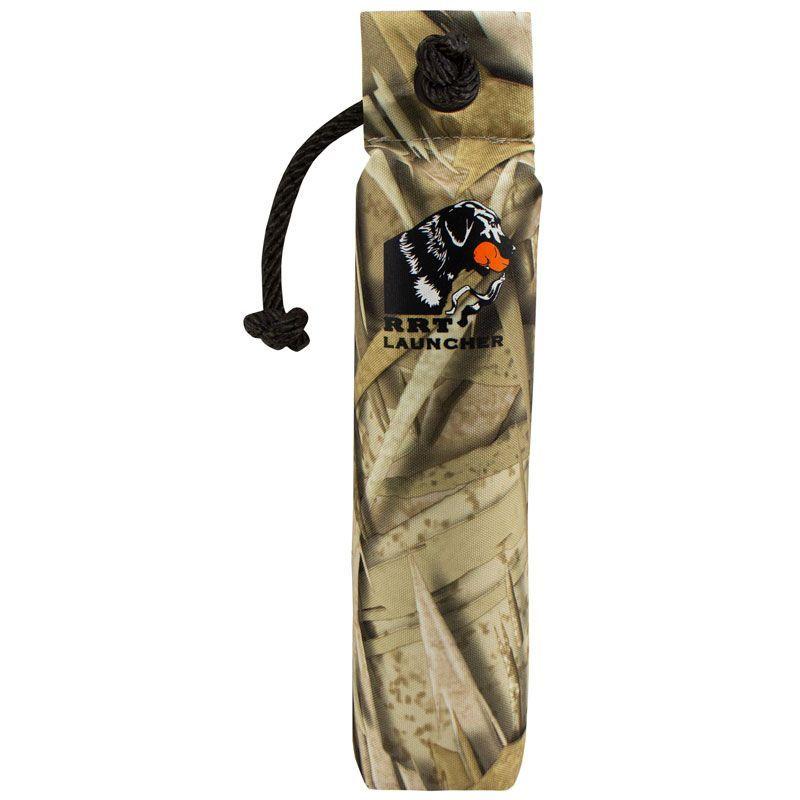 Weighted dummies for advanced hunting dog training
3. Bird Launchers and Wingers
To truly simulate flushing game, bird launchers are indispensable. These devices propel a dummy bird into the air, teaching your dog to track and retrieve on the wing.
- Manual Launchers: You manually pull a cord or trigger to release the bird. These are great for controlled, consistent launches.
- Remote-Controlled Launchers: More advanced, these allow you to launch the dummy from a distance, simulating a handler flushing game. This is essential for teaching your dog to work in response to commands and environmental cues.
- Wingers: These devices mimic the flapping of wings as a bird takes flight. They often use a mechanical system to throw a dummy with the appearance of flight, adding realism to the flushing scenario. Using a winger is a critical step in teaching your dog to training dog to retrieve birds effectively.
Choosing the Right Training Bird for Your Dog
The “best” training bird is one that suits your dog’s age, breed, temperament, and your current training goals.
For Puppies and Beginners:
- Start with soft, lightweight canvas dummies. They are gentle on a young dog’s mouth and encourage a positive first experience with retrieving.
- Look for dummies with a long streamer or tail to make them easier for a puppy to see and track.
- Ensure the dummy is not too large for your puppy’s mouth.
For Intermediate and Advanced Dogs:
- Transition to more durable plastic or weighted dummies to build strength and refine the retrieve.
- Introduce “dead fowl” style trainers to get closer to the feel and scent of real birds.
- Invest in a bird launcher. This is where the real simulation of flushing and retrieving game begins. Remote launchers offer the most versatility for advanced scenarios. If you’re training a vizsla bird dog training, you’ll find these tools invaluable for simulating pointing and retrieving scenarios.
Essential Accessories and Scenting
Beyond the dummies themselves, a few accessories can significantly enhance your training sessions.
Scent Training
This is arguably one of the most critical aspects of training a hunting dog. Real game birds have a distinct scent, and your dog needs to learn to identify and follow it.
- Scent Sprays/Oils: You can purchase concentrated scents of various game birds (quail, pheasant, duck). Apply a few drops to your training dummy.
- Scent Balls/Pads: These are small, absorbent items that can be infused with scent and placed inside or near your dummy.
- Natural Scent: If possible, especially as your dog progresses, use actual bird wings or discarded feathers attached to your dummy to introduce a more natural scent profile.
Other Useful Accessories:
- Throwing aids: Some dummies come with ropes or handles for easier throwing.
- Storage bags: Keep your dummies clean and organized.
Advanced Training Techniques and Tips
- Introduce Scent Gradually: Start with a dummy that has a very light scent and gradually increase the concentration as your dog becomes more proficient.
- Vary the Launch: Use your launcher or winger to send dummies in different directions and heights. This keeps the dog engaged and teaches them to adapt.
- “Marking” Drills: Focus on teaching your dog to watch where the dummy lands (the “mark”). This is crucial for retrieves in dense cover. For those interested in specific breeds, resources like bird dog training videos youtube offer visual guides.
- Blind Retrieves: Once your dog is confident with marks, you can introduce blind retrieves where the dog doesn’t see the dummy thrown but relies on your direction and scent to find it.
- Simulate Field Conditions: Train in different terrains (tall grass, woods, water) and weather conditions to prepare your dog for the real hunting environment. Consider using tools like the avery atb ez-bird training dummy for its versatility.
- Consistency is Key: Regular, short training sessions are far more effective than infrequent, long ones.
- Positive Reinforcement: Always end training on a positive note. Reward successful retrieves with praise, a favorite toy, or a small treat. The goal is to make training fun and rewarding.
Common Challenges and Solutions
- Soft Mouth: If your dog is crushing the dummy, ensure they understand that the retrieve is about bringing it back gently. Practice with softer dummies and reinforce a gentle mouth hold.
- Not Retrieving: For reluctant retrievers, ensure the dummy is appealing and the training is fun. Start with short-distance retrieves and gradually increase the challenge. Make the retrieve a game.
- Distractions: If your dog gets easily distracted, start training in a quiet, enclosed area. Gradually introduce distractions as your dog’s focus improves. Learning from experts like george hickox bird dog training can provide valuable insights into managing distractions.
Conclusion: Building a Better Hunter, One Bird at a Time
Training your hunting dog is a journey that requires patience, consistency, and the right tools. Training birds and dummies are fundamental to building a strong retrieving foundation, developing scenting abilities, and preparing your canine partner for the field. By understanding the different types of training birds available and employing effective training techniques, you can significantly enhance your dog’s capabilities and deepen the bond you share. Remember, every successful retrieve with a training bird is a step towards a more successful and enjoyable hunting experience together. For specific breed insights, explore resources on training dog to retrieve birds.
