
Have you ever been captivated by the majestic flight of an eagle or the keen hunting prowess of a falcon? The world of raptors is as fascinating as it is demanding, and for those with a deep passion for these magnificent birds, a career as a Bird Of Prey Trainer might be your calling. This isn’t just a job; it’s a commitment to understanding, nurturing, and working with some of nature’s most incredible predators. It requires a unique blend of patience, knowledge, and a profound respect for the wild. If you’re considering this unique profession, you’re embarking on a journey that’s both challenging and immensely fulfilling.
Understanding the Role of a Bird of Prey Trainer
A bird of prey trainer, often referred to as a falconer when working with falcons, is responsible for the care, training, and handling of birds of prey. This can encompass a wide range of activities, from preparing birds for hunting and sport to utilizing them in educational programs and even film productions. The core of the job involves building a strong bond with the bird, understanding its natural instincts, and using positive reinforcement techniques to train it for specific tasks. This relationship is built on trust and mutual respect, a delicate balance that is central to successful training. For those interested in specific training techniques, resources on upland bird dog training books might offer insights into disciplined learning, though applied to different species.
Essential Qualities of a Successful Trainer
Beyond a love for birds, certain innate qualities and acquired skills are crucial for anyone aspiring to be a bird of prey trainer.
- Patience and Perseverance: Training birds of prey is a slow, deliberate process. Setbacks are common, and a trainer must possess the patience to work through them without becoming discouraged.
- Dedication and Commitment: These birds require daily care, feeding, and training, regardless of weather or personal circumstances. This is a lifestyle, not just a 9-to-5 job.
- Observational Skills: Understanding a bird’s subtle cues – its body language, vocalizations, and overall behavior – is paramount to recognizing its mood, health, and readiness to train.
- Physical Fitness: Handling large birds of prey can be physically demanding. Trainers need to be agile, strong, and able to withstand various weather conditions.
- Respect for Wildlife: A deep-seated respect for the wild nature of these birds is non-negotiable. Training aims to enhance, not suppress, their natural abilities.
The Journey to Becoming a Bird of Prey Trainer
The path to becoming a professional bird of prey trainer is often through apprenticeships and mentorships, as formal academic programs are rare.
Gaining Experience and Knowledge
- Apprenticeship: The most common route is to apprentice under an experienced falconer or bird of prey trainer. This provides hands-on experience under expert guidance, which is invaluable. You’ll learn about husbandry, equipment, training techniques, and legal requirements.
- Education and Research: While direct academic programs are scarce, understanding avian biology, behavior, and conservation is essential. Reading books, attending workshops, and studying the natural history of raptors will significantly aid your learning. Some may even explore methods for how to preserve bird wings for dog training, showcasing a commitment to understanding avian anatomy, though this is not directly part of raptor training.
- Volunteer Work: Volunteering at wildlife rehabilitation centers, raptor centers, or zoos can provide exposure to handling and caring for various avian species, including birds of prey.
Legal and Ethical Considerations
Working with birds of prey is heavily regulated due to their protected status and the potential impact on wild populations.
- Licensing and Permits: In most regions, you will need to obtain specific licenses or permits to possess and train birds of prey. These often require demonstrating a certain level of experience and knowledge. Regulations vary significantly by country and even by state or province, so researching local laws is critical. For instance, bird dog training in arizona has its own set of regulations that trainers must adhere to.
- Ethical Training Practices: Modern ethical training emphasizes positive reinforcement and avoiding any methods that cause undue stress or harm to the bird. The goal is to foster a willing partnership.
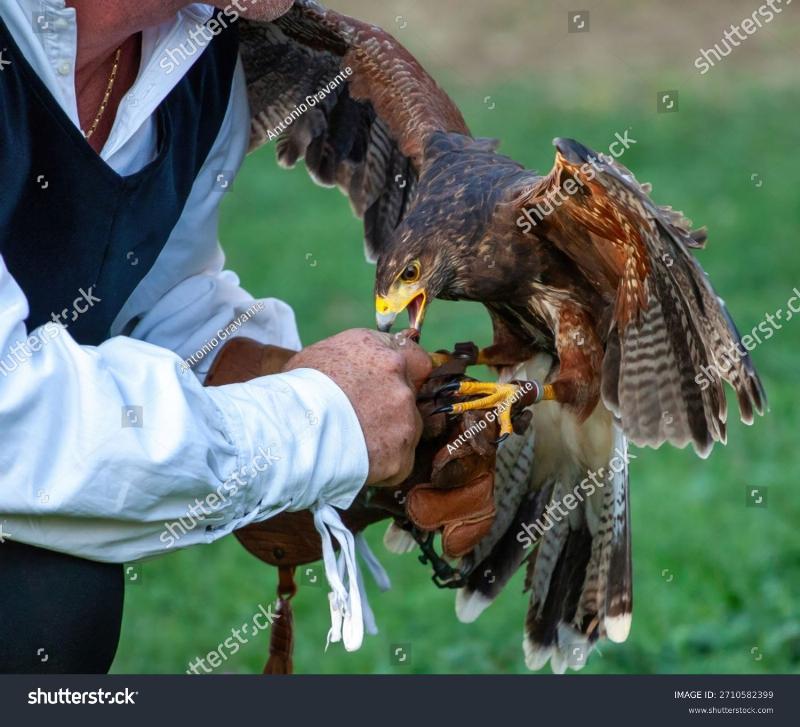 Professional bird of prey trainer working with a falcon on a gloved hand in a natural outdoor setting, demonstrating a strong bond and focus.
Applications of Bird of Prey Training
The skills of a bird of prey trainer are utilized in several distinct fields:
Falconry
This is the traditional and most widely recognized application. Falconers train birds, primarily falcons, hawks, and owls, to hunt small game in partnership with their human counterpart. It’s a sport steeped in history and tradition, requiring immense skill and dedication from both the bird and the trainer.
Education and Outreach
Many organizations employ trainers to work with birds of prey in educational programs. These programs aim to teach the public about raptors, their ecological importance, and conservation efforts. Seeing these birds up close, often with a trainer explaining their unique adaptations, can be a powerful learning experience. The presence of trained birds can also be found in more niche areas, similar to how trained birds for film are used.
Pest Control
In certain urban and industrial settings, birds of prey are used as a humane and effective method for pest control, particularly to deter nuisance birds like pigeons and seagulls from airports, agricultural areas, and public spaces. This method harnesses the natural predatory behavior of raptors to manage populations without resorting to harmful chemicals or other methods.
Film and Media
Birds of prey are often featured in movies, television shows, and commercials. Trainers work with these animals to perform specific actions on cue, ensuring the safety of both the bird and the film crew. This requires a high level of training and adaptability from the birds.
Caring for Your Bird of Prey
The well-being of the bird is always the top priority. This involves meticulous attention to diet, housing, and health.
Diet and Nutrition
Birds of prey are carnivores, and their diet in training typically consists of whole prey items like mice, quail, rabbits, or other appropriate meats, depending on the species. The diet must be balanced to provide all necessary nutrients for energy, feather health, and overall condition. This is a critical aspect of training, as a well-fed bird is a healthy and responsive bird.
Housing and Equipment
Birds are housed in specialized enclosures designed to meet their needs. This can range from large aviaries to smaller mews. Essential equipment includes:
- Jesses: Leather straps attached to the bird’s legs, allowing the falconer to hold onto the bird.
- Leash: Connects to the jesses, providing a secure way to tether the bird.
- Glove: A thick leather glove worn by the trainer to protect their hand from talons.
- Perches: Designed to be comfortable and safe for the bird’s feet.
Health Monitoring
Regular health checks are crucial. Trainers must be vigilant for any signs of illness, injury, or distress. This includes monitoring appetite, droppings, feather condition, and overall demeanor. Establishing a relationship with a veterinarian experienced in avian or raptor medicine is essential. Some trainers even assist with specialized preparations, such as learning how to preserve bird wings for dog training, highlighting a broader interest in avian anatomy and its applications, though this is distinct from raptor care itself.
Frequently Asked Questions About Bird of Prey Training
Q: How long does it take to train a bird of prey?
A: Training can take anywhere from several months to several years, depending on the species, the individual bird’s temperament, and the intended purpose. Building a strong foundation of trust and basic behaviors is crucial and time-consuming.
Q: What is the difference between a bird of prey trainer and a falconer?
A: While often used interchangeably, “falconer” specifically refers to someone who trains and hunts with falcons. A “bird of prey trainer” is a broader term that encompasses anyone training raptors for various purposes, including education, pest control, or film work, and can include hawks, owls, and eagles.
Q: Can any bird of prey be trained?
A: Most birds of prey can be trained to some extent, but their natural instincts and capabilities vary. Some species are more amenable to training for specific tasks than others. For example, some might be akin to someone who trains birds of prey for hunting, while others are better suited for static demonstrations.
Q: What are the biggest challenges in bird of prey training?
A: The biggest challenges include ensuring the bird’s welfare, overcoming its natural wild instincts, managing legal and permit requirements, and the significant time commitment involved. Building and maintaining a trusting relationship is also a continuous effort.
Q: Is it possible to train a bird of prey for film work?
A: Yes, it is possible and done professionally. Trainers work with birds to perform specific actions on cue, but it requires extensive training, a deep understanding of the bird’s behavior, and strict safety protocols.
Q: What kind of education is required to become a bird of prey trainer?
A: While formal degrees are rare, a strong background in avian biology, animal behavior, and conservation is highly beneficial. Most importantly, extensive hands-on experience through apprenticeships is considered essential.
The Enduring Appeal of Working with Raptors
Embarking on a career as a bird of prey trainer is a path for the dedicated, the patient, and the passionate. It offers a unique opportunity to connect with the natural world on a profound level, working with animals that inspire awe and respect. While the challenges are significant, the rewards – the silent understanding with a powerful predator, the thrill of a successful hunt, or the joy of educating others about these incredible creatures – are unparalleled. For those who feel the call of the wild and possess the commitment to answer it, a life dedicated to birds of prey is a truly remarkable journey.
