
Washington State, with its diverse landscapes ranging from the lush forests of the west to the open fields and mountainous terrain of the east, offers a paradise for bird hunters and their canine companions. If you’re looking to unlock your dog’s natural retrieving instincts and hone their skills for the field, professional bird dog training in Washington State is an invaluable investment. Whether you own a seasoned hunting partner or a young pup with potential, expert guidance can make all the difference in developing a reliable, responsive, and effective bird dog.
Understanding the journey of bird dog training involves appreciating the unique qualities that make certain breeds excel in this specialized work. These dogs are bred for stamina, keen senses of smell, and an innate desire to point or retrieve game birds. The training process itself is a blend of patience, consistency, and a deep understanding of canine behavior, all of which are hallmarks of reputable training programs available in Washington State.
Why Choose Professional Bird Dog Training in Washington?
While many owners enjoy the process of training their dogs, professional bird dog trainers in Washington State bring a level of expertise and experience that’s hard to replicate. They understand the nuances of training for specific game birds, the impact of Washington’s varied terrain on a dog’s performance, and how to tailor training methods to individual dog temperaments and breeds.
- Expertise in Breed-Specific Needs: Different breeds, from versatile German Shorthaired Pointers and Vizslas to retrievers like Labs and Goldens, have distinct working styles and needs. Professional trainers are adept at recognizing and nurturing these breed-specific traits.
- Controlled Environment and Resources: Training facilities often provide controlled environments for introducing dogs to birds, gunfire, and challenging retrieves, minimizing risks and maximizing learning. They also typically have access to a variety of birds, such as chukar, quail, and pheasant, allowing for diverse training scenarios.
- Structured Progression: A professional program follows a systematic approach, building foundational obedience and then progressing to more complex field skills. This ensures the dog develops a solid understanding and confidence at each stage.
- Problem Solving: Experienced trainers can quickly identify and address behavioral issues or learning plateaus that might stump an amateur owner.
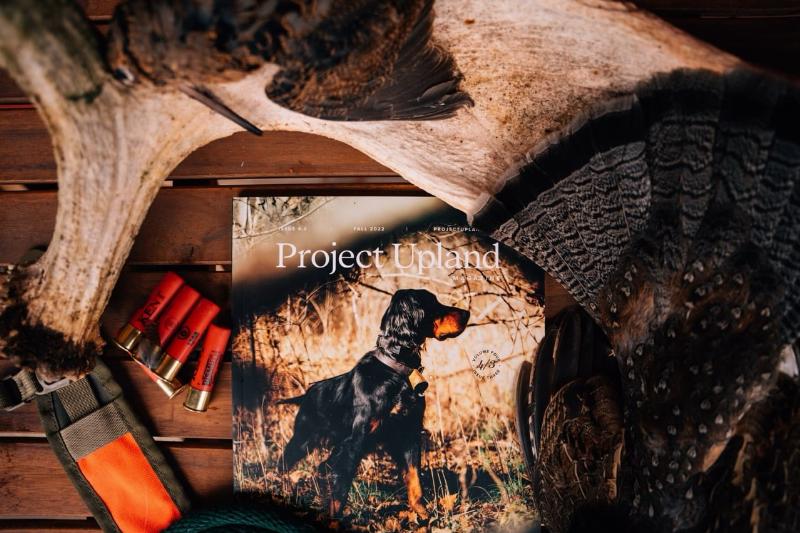 Professional bird dog training in Washington State for optimal field performance
Key Stages of Bird Dog Training
Bird dog training is a comprehensive process that typically involves several key stages, each building upon the last to create a well-rounded field dog.
1. Foundation Obedience and Socialization
Before any specialized field work begins, a solid foundation of obedience is crucial. This includes:
- Basic Commands: “Sit,” “stay,” “come,” “heel,” and “down” are non-negotiable. A reliable recall is paramount for safety and control in the field.
- Kennel and Crate Training: Essential for managing the dog and ensuring comfort during travel and downtime.
- Socialization: Exposing the puppy or dog to various sights, sounds, people, and other dogs in a positive way helps build confidence and prevents fear-based behaviors later on. This is particularly important for dogs that will be working around hunters and other dogs.
2. Introduction to Birds and Gunfire
This is where the specialized training truly begins. The goal is to associate birds and the sound of a shotgun with positive experiences.
- Scent Introduction: Letting the dog discover the scent of birds (often using pigeons or chukar partridge) in a controlled setting.
- “Wing and Shot”: Gradually introducing the sound of a blank shotgun shell as a bird is flushed. This helps the dog associate the sound with the flushing bird, preventing vấn đề gun shyness.
- Retrieving Instincts: Encouraging the natural desire to fetch. This might start with bumper retrieves and progress to live birds.
3. Field Work and Honing Skills
Once the foundation is set and the dog has positive associations with birds and gunfire, training moves to more complex field scenarios.
- “Whoa” Training: Teaching the dog to stop and remain in place when commanded, crucial for pointing breeds.
- Marking and Retrieving: Developing the dog’s ability to watch where a bird falls (“mark”) and then retrieve it upon command. This is critical for all types of bird dogs.
- Blind Retrieves: Training the dog to retrieve a bird that has been placed without the dog seeing where it went. This requires advanced handling and understanding of the dog’s mental cues.
- Water Work: For retrievers, developing confidence and skill in retrieving birds from water is essential.
Finding the Right Bird Dog Trainer in Washington State
When selecting a trainer, it’s vital to do your homework. Look for professionals with a proven track record, clear communication about their methods, and a philosophy that aligns with your own.
What to Look For:
- Experience with Your Breed: While many trainers work with various breeds, someone with specific experience with your dog’s type can be a significant advantage.
- References and Testimonials: Ask for references from past clients and check online reviews. Speaking with previous clients can offer invaluable insights into a trainer’s effectiveness and client satisfaction.
- Training Philosophy: Understand their methods. Are they focused on positive reinforcement? How do they handle challenging behaviors? Ensure their approach is humane and effective.
- Facility Visit: If possible, visit the training facility to observe the conditions and how the dogs are handled.
- Clear Communication and Goals: A good trainer will clearly outline the training program, expected outcomes, and keep you informed about your dog’s progress.
Training Your Bird Dog for Washington’s Unique Game Birds
Washington State is home to a variety of game birds, each requiring slightly different skills from your canine partner. Understanding these can help you and your trainer focus your efforts.
- Pheasant: Often found in agricultural areas and grasslands, pheasants require dogs that can handle scent in open country and are steady on point or reliable retrievers.
- Chukar Partridge: These birds inhabit steep, rocky hillsides. Dogs need excellent stamina, agility, and a strong nose to locate chukar in challenging terrain.
- Quail: Found in brushy cover, quail hunting demands dogs that can navigate dense vegetation and work closely with their handler.
- Ducks and Geese: For waterfowl hunters, specialized retriever training is essential, focusing on water retrieves, steadiness, and marking multiple birds.
Working with a trainer familiar with these specific birds and the habitats they occupy in Washington State will ensure your dog is optimally prepared for your hunting adventures.
The Bond Beyond the Field
Bird dog training is more than just preparing a dog for hunting season; it’s about building an unparalleled partnership. The shared experiences, the mutual understanding, and the trust developed through rigorous training create a bond that is deeply rewarding. A well-trained bird dog is not only an asset in the field but also a well-behaved, confident companion at home.
Investing in professional bird dog training in Washington State is an investment in your dog’s potential, your hunting success, and the enduring relationship you’ll share. With the right guidance and dedication, your dog can become the reliable, skilled partner you’ve always envisioned.
