
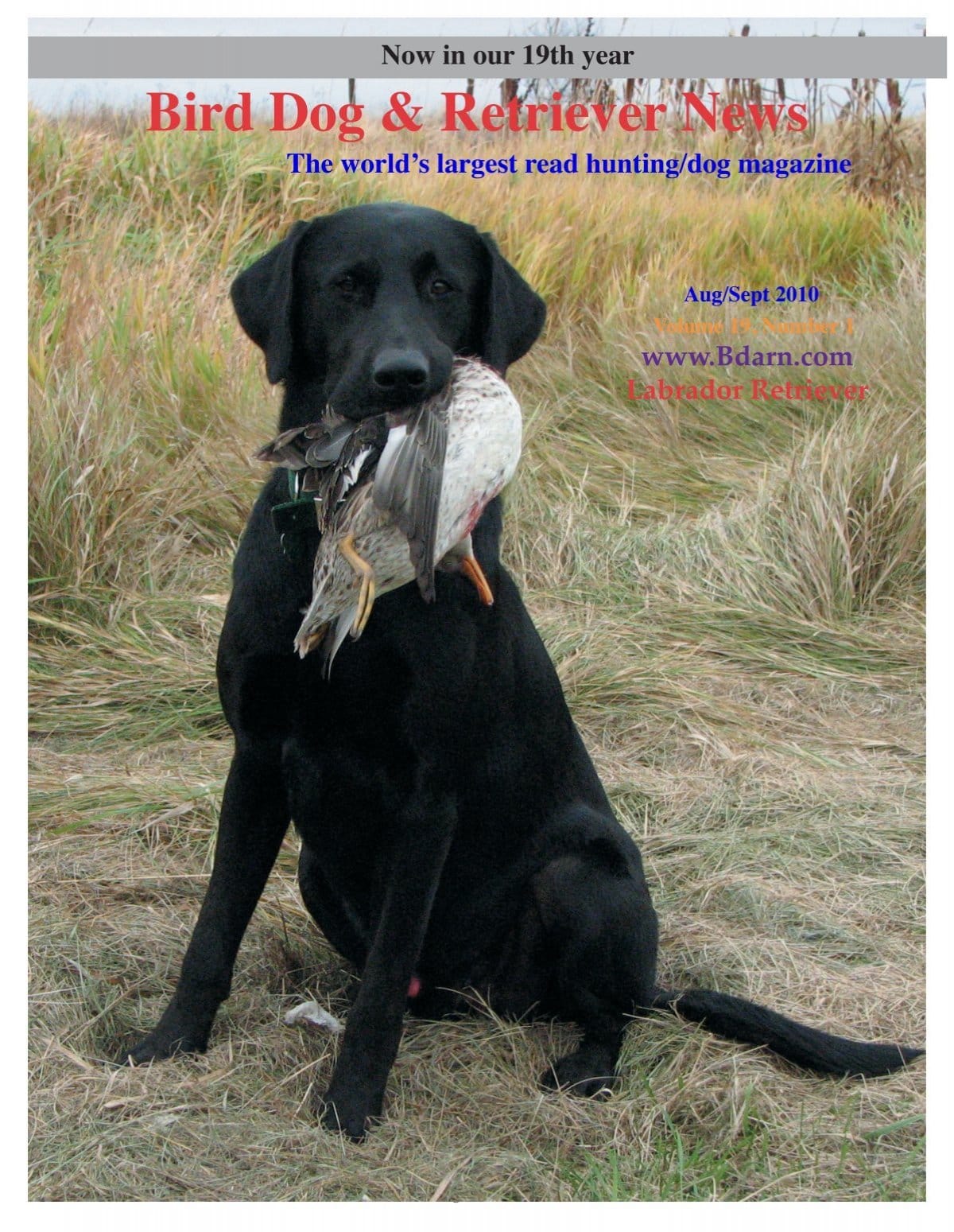
Training your bird dog is a rewarding journey that deepens your bond and enhances your hunting experience. Pittsburgh, with its diverse landscapes and active dog-loving community, offers a fantastic backdrop for honing your canine companion’s skills. This guide will walk you through the essential aspects of bird dog training, from foundational principles to advanced techniques, ensuring your dog is a reliable and eager partner in the field.
Understanding the Bird Dog’s Instinct
At their core, bird dogs are bred with an innate drive to locate and often retrieve game birds. This instinct is a combination of scenting ability, a desire to point or flush, and a willingness to work closely with their handler. Understanding these natural inclinations is the first step in effective training. Breeds like Pointers, Setters, Labs, and Goldens, while varying in their specific behaviors, all share this fundamental connection to game birds.
Foundational Training: Building a Solid Base
Before venturing into the field, a strong foundation of obedience and socialization is crucial. This ensures your dog is responsive, confident, and safe in various environments.
Basic Obedience Commands
Commands like “sit,” “stay,” “come,” and “heel” are non-negotiable. Consistent training, using positive reinforcement methods, makes these commands reliable. Short, frequent sessions are more effective than long, drawn-out ones.
Socialization
Exposing your puppy or dog to different sights, sounds, people, and other well-behaved dogs is vital. This helps them develop into a well-adjusted companion, less prone to fear or aggression. Puppy classes are an excellent starting point for socialization.
Introduction to Scent and Birds
Early exposure to bird scent, often through training aids like feathers or bird wings, can pique your dog’s interest. For pointing breeds, introducing them to a calm, caged bird under controlled conditions helps them learn to honor the scent without excessive excitement.
The Art of Bird Dog Training
Once the basics are in place, you can begin specialized bird dog training. This is where your dog’s natural abilities are shaped and refined.
Developing the Point (for Pointing Breeds)
The point is a bird dog’s signature stance – a frozen, statuesque pose indicating the presence of game. Training this involves:
- Scent Recognition: Encouraging the dog to naturally point when they catch a bird’s scent.
- Holding the Point: Teaching the dog to remain steady in their point until released. This often involves gradual introductions to stimuli that might break their concentration.
- “Whoa” Command: Instilling a reliable “whoa” command to halt the dog and encourage them to hold their point or retrieve.
Force Fetching
This is a critical method for many retrieving breeds, ensuring they pick up and deliver game gently and reliably. It involves systematically teaching the dog to take an object, hold it, and bring it back to the handler. While the name sounds harsh, modern force fetch training emphasizes positive reinforcement and building the dog’s confidence.
Steadiness
Steadiness is paramount. It means the dog remains calm and under control when birds are flushed or retrieved, refraining from chasing or breaking point prematurely. Training steadiness involves:
- Controlled Environment Practice: Starting with static training aids and gradually introducing live birds in controlled scenarios.
- Delayed Reinforcement: Rewarding the dog for remaining steady, even after a long period of anticipation.
Introducing Live Birds and Gunfire
This is often the most exciting, yet challenging, phase.
- Controlled Introductions: Using planted birds or controlled flushers in a safe, open area.
- Desensitization to Gunfire: Gradually exposing the dog to the sound of a shotgun, starting at a distance and slowly moving closer, ensuring the dog associates the sound with a positive outcome (finding birds). This is best done with experienced trainers or established programs.
Finding Training Resources in Pittsburgh
Pittsburgh and its surrounding areas offer several excellent resources for bird dog training:
Professional Trainers and Kennels
Many experienced professional trainers and boarding kennels specialize in bird dog training. They offer everything from puppy basic obedience to advanced field training. Look for trainers who emphasize positive, science-based methods and have a proven track record with your chosen breed.
Training Clubs and Organizations
Joining local bird dog clubs or field trial organizations is invaluable. These groups provide opportunities for:
- Training Sessions: Regular practice sessions, often with experienced mentors.
- Simulated Hunt Tests: Events that mimic hunting scenarios, allowing dogs to be tested and refined.
- Networking: Connecting with other bird dog enthusiasts, sharing knowledge, and gaining support.
Public Lands and Practice Areas
Western Pennsylvania offers numerous public lands, state gamelands, and dog-friendly parks that can be suitable for training, provided you adhere to local regulations and practice ethical hunting and training principles. Always check park rules regarding dog training and the use of training aids.
Common Challenges and Solutions
- Lack of Drive: Some dogs may naturally have less enthusiasm for birds. Consistent, positive exposure and proper motivation can help.
- Breaking Point/Chasing: This is often a sign of over-excitement or insufficient training in steadiness. Slow down the process, use more controlled stimuli, and reinforce “stay” commands rigorously.
- Fear of Gunfire: This requires careful desensitization. Never force a dog to endure loud noises. Gradual exposure with positive associations is key.
- Retrieving Issues: Some dogs might be reluctant to pick up or deliver game. Force fetch or alternative methods focusing on positive reinforcement can address this.
The Role of Nutrition and Health
A well-trained bird dog is also a healthy dog. Proper nutrition is essential for sustained energy and optimal performance. High-quality dog food formulated for active breeds provides the necessary fuel. Regular veterinary check-ups, parasite control, and prompt attention to any injuries are crucial for keeping your dog in top condition throughout their training and hunting career.
Conclusion: A Lifelong Partnership
Training a bird dog is a continuous process, extending far beyond initial obedience. It’s about building a partnership based on trust, communication, and mutual understanding. By investing time and effort into quality training, utilizing the resources available in the Pittsburgh area, and understanding your dog’s instincts, you’ll forge an unbreakable bond and create a capable, reliable partner for countless adventures in the field. Embracing the journey of bird dog training enriches both your life and your dog’s, creating stories you’ll cherish for years to come.
