
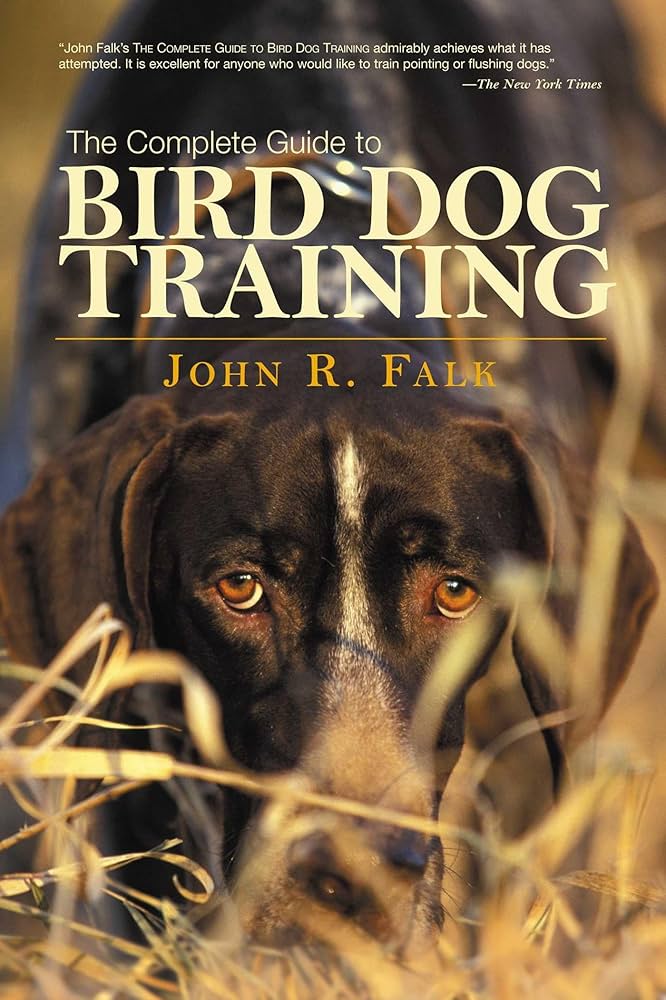
Bringing a bird dog puppy into your home is an exciting adventure, and having the right Bird Dog Training Kit can make all the difference in ensuring a smooth and successful training journey. Whether you’re aiming to develop a seasoned hunting companion or simply want a well-behaved and responsive pet, the foundational tools and knowledge are crucial. This guide will walk you through the essential components of a bird dog training kit, along with tips for their effective use, to help you nurture your puppy’s potential and build a strong bond.
The Foundation: Understanding Bird Dog Training
Before diving into specific tools, it’s important to grasp the core principles of training a bird dog. These dogs are bred with a natural instinct to locate, point at, and often retrieve game birds. Training harnesses and amplifies these innate abilities. The goal is to channel their energy and drive constructively, teaching them commands, boundaries, and desired behaviors. This process requires patience, consistency, and a deep understanding of canine behavior.
Why a Specific Bird Dog Training Kit?
While many general dog training tools can be useful, a dedicated bird dog training kit often includes items specifically designed to address the unique needs and instincts of breeds like pointers, setters, retrievers, and spaniels. These kits are tailored to help owners introduce concepts such as scent work, retrieving, and steadiness in a progressive manner.
Essential Components of a Bird Dog Training Kit
A well-rounded bird dog training kit should equip you with the necessary items to cover various aspects of training, from basic obedience to more specialized bird-dog-specific skills.
1. Training Collars and Leashes
- Flat Buckle Collar: A standard, comfortable collar for everyday wear and attaching identification tags.
- Martingale Collar: Ideal for dogs with heads narrower than their necks, preventing them from slipping out.
- Leash (6-foot): A standard nylon or leather leash for basic obedience and walks.
- Long Lead (20-30 foot): Crucial for developing recall and off-leash control from a distance. This allows the dog to move more freely while still maintaining a safety line. Using a long lead is a fundamental step in progressing towards reliable off-leash behavior, especially when you’re working on your young bird training schedule.
2. Training Treats and Pouches
- High-Value Treats: Small, soft, and incredibly motivating treats are essential for positive reinforcement. Think tiny pieces of chicken, cheese, or specialized training treats.
- Treat Pouch: A hands-free pouch that clips to your belt or waistband allows for quick and easy access to treats during training sessions. This is vital for reinforcing desired behaviors in real-time.
3. Whistles and Remote Launchers
- Dog Training Whistle: Many trainers use specific whistle commands for recall or other cues, as the sound carries further and can be more consistent than a human voice.
- Remote Launcher (Bird Dummy Launcher): This device, often spring-loaded, can launch a dummy bird or bumper a significant distance. It’s used to simulate the flush of game and teach retrieving or steadiness. Mastering this tool is key for introducing the concept of working with birds.
4. Retrieving Dummies and Birds
- Soft Dummy: A basic, soft dummy is great for introducing retrieving to young puppies.
- Harder Dummy: As the puppy grows, a slightly firmer dummy can be introduced for more durable retrieving practice.
- Bird-Bags and Scent Articles: Using burlap sacks filled with bird scent or actual bird wings attached to dummies helps your dog learn to identify and carry the scent of game. These are integral for developing a strong bird drive and are often included in a comprehensive bird bags for dog training setup.
5. Other Useful Items
- Clicker: A clicker can be used for clicker training, a highly effective positive reinforcement method that precisely marks the moment the dog performs the desired behavior.
- Target Training Stick: Useful for teaching target fetching and directing the dog’s movement. This can be a valuable tool, especially when you’re focused on target training stick for birds.
- Grooming Supplies: Brushes, nail clippers, and ear cleaner are essential for maintaining your dog’s hygiene and health, which is an often-overlooked but vital part of overall well-being.
Implementing Your Bird Dog Training Kit
Having the right tools is only half the battle. Effective use requires understanding how and when to introduce each item.
Positive Reinforcement is Key
Always prioritize positive reinforcement. Reward desired behaviors with treats, praise, or a favorite toy. This builds trust and makes training an enjoyable experience for your dog.
Start Simple and Build Gradually
Begin with basic obedience commands like “sit,” “stay,” “come,” and “down” using the treats and leash. Once these are solid, gradually introduce more specialized items. For instance, start with short retrieves using a soft dummy before moving on to scent articles or the remote launcher. The process of training bird dog puppy should always be progressive and tailored to the individual dog’s learning pace.
Consistency is Crucial
Short, frequent training sessions are more effective than long, infrequent ones. Maintain a consistent routine and ensure all family members are using the same commands and methods. This consistency helps your dog understand expectations and reduces confusion.
Introduce Birds Safely and Ethically
When introducing live birds or simulating their flushing, do so with extreme care and ethical considerations. The goal is to encourage natural instincts, not to create fear or anxiety. Using a remote launcher with a training dummy or scent article is a safe way to start.
Frequently Asked Questions About Bird Dog Training Kits
Q1: What is the most important item in a bird dog training kit?
A1: While all items are valuable, a high-quality long lead and a reliable remote launcher are often considered indispensable for developing advanced skills and simulating field conditions.
Q2: How young can a puppy start using a bird dog training kit?
A2: Puppies can begin basic obedience and retrieving with soft dummies as early as 8-10 weeks old. More specialized tools like whistles and launchers are typically introduced around 4-6 months, depending on the puppy’s maturity.
Q3: Do I need a specific kit if I’m not planning to hunt?
A3: Even if hunting isn’t your goal, the instincts of a bird dog can be channeled into enjoyable activities like advanced obedience, agility, or scent work. A kit can still be highly beneficial for training and enrichment.
Q4: How often should I train my bird dog puppy?
A4: Aim for short, frequent sessions of 10-15 minutes, several times a day. This keeps the puppy engaged and prevents them from becoming overwhelmed.
Q5: Where can I purchase a good bird dog training kit?
A5: Reputable online pet supply stores, specialized bird dog training retailers, and even custom-assembled kits from experienced trainers are good sources. Many companies also offer pre-assembled starter kits.
Conclusion: Building a Bond Through Training
A well-equipped bird dog training kit is an investment in your dog’s future and your relationship with them. By understanding the purpose of each tool and applying consistent, positive training methods, you can unlock your bird dog’s potential and enjoy a fulfilling partnership. Remember that training is a journey, and the bond you build through shared experiences is as valuable as any field trial success. Happy training!
