
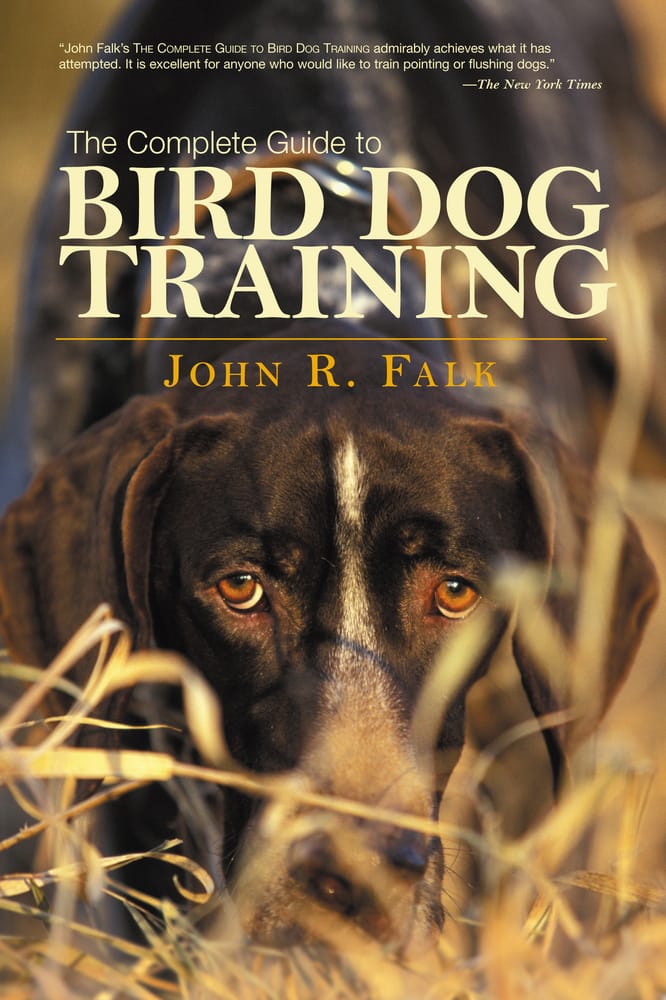
Embarking on the journey of training a bird dog is a rewarding experience, fostering a deep bond between you and your canine companion. Whether you dream of sunny field days or simply want a well-behaved hunting partner, this guide is designed to equip beginners with the foundational knowledge and techniques for successful bird dog training. We’ll cover everything from understanding your dog’s natural instincts to mastering essential commands and introducing them to the field. Let’s dive into the world of bird dogs and unlock your dog’s potential.
Understanding Your Bird Dog’s Instincts
At the heart of every bird dog lies a powerful set of instincts honed over centuries of selective breeding. These instincts are what make them exceptional at finding, flushing, and retrieving game birds. As a beginner, recognizing and understanding these innate drives is crucial for effective training.
The Foundation of Instincts
Bird dogs generally fall into a few categories, each with specialized instincts:
- Pointers: These dogs naturally point by freezing and indicating the direction of game birds with their nose. Their ancestors were bred to locate game and hold a steady position, allowing the hunter to approach.
- Retrievers: As the name suggests, retrievers are bred to fetch downed game birds. They possess a natural love for water, a soft mouth to avoid damaging the birds, and a strong desire to please, making them ideal for retrieving.
- Flushing Dogs (or Spaniels): These energetic dogs work closely with the hunter, using their keen sense of smell to locate birds in dense cover and then flush them out into the open.
Harnessing Natural Drives
Instead of fighting your dog’s instincts, the goal of training is to channel them constructively. A pointer’s instinct to freeze can be shaped into a solid point, and a retriever’s drive to carry things can be refined into a gentle retrieve. Positive reinforcement is key; rewarding behaviors that align with desired hunting actions strengthens those behaviors. Understanding these inherent traits allows for a more intuitive and effective training approach.
Essential Gear for Bird Dog Training
Before you head out to the field, having the right equipment can make a significant difference in your training sessions. Safety, control, and the ability to communicate effectively with your dog are paramount.
Safety First
- Collar: A well-fitting, durable collar is essential. For training, a standard buckle or quick-release collar is a good starting point. Many trainers also utilize a training collar, such as a slip lead or a remote e-collar, but these should be introduced carefully and ethically.
- Leash: A sturdy 6-foot leash is ideal for basic obedience and initial field work, providing control without restricting movement too much.
- Harness: For some breeds or dogs with sensitive necks, a harness can offer better control and comfort. Consider a padded chest harness for better weight distribution.
Training Aids
- Dummy or Retrieve Dummy: These are weighted objects, often resembling a bird or duck, used to teach retrieving. They come in various sizes and weights.
- Bird Wings or Scented Dummies: To introduce your dog to the scent and sight of birds, using actual bird wings or dummies scented with bird scent is highly effective.
- Bird Launchers: For more advanced training, bird launchers are used to simulate the flushing of birds, helping dogs practice their skills in a controlled environment.
- Whistle: Many bird dog trainers prefer using a whistle for commands, as the sound carries further than the voice and can be more consistent.
Protective Gear
- Bird-Proof Vest or Vestments: For dogs that are particularly sensitive or work in dense cover, a protective vest can prevent injuries from thorns, brambles, and bird beaks.
- Boots: While not always necessary, boots can protect your dog’s paws from rough terrain, extreme temperatures, or sharp objects.
Foundational Obedience for Bird Dogs
A solid foundation in obedience is non-negotiable for any bird dog, ensuring they are safe, responsive, and a pleasure to be around. These commands are the building blocks for more specialized field work.
The “Heel” Command
Teaching your dog to walk calmly by your side is fundamental. Start in a quiet area with a leash. When your dog walks beside you, offer praise and a treat. If they pull ahead, stop walking. Only resume when the leash slackens. Consistency is key. This is crucial for maintaining control in the field and prevents your dog from running off.
The “Sit” Command
A reliable “sit” is vital for control, especially when introducing birds or in hunting situations. Hold a treat at your dog’s nose and move it up and slightly back over their head. As their head follows the treat, their rear end will naturally lower. As they sit, say “sit” and reward them. Gradually phase out the lure, using the verbal command and hand signal.
The “Stay” Command
Once “sit” is mastered, introduce “stay.” Ask your dog to sit, then give the “stay” command with a hand signal (often an open palm). Take one step back, then return and reward if they haven’t moved. Gradually increase the distance and duration of the stay. If they move, simply return them to the original spot and try again.
The “Come” (Recall) Command
A strong recall is arguably the most important command for safety. Start in a small, enclosed space. Get your dog excited, say their name followed by “come,” and use an encouraging tone. Reward them enthusiastically when they reach you. Never call your dog to punish them. Gradually increase the distance and introduce distractions as they improve. For bird dog training, this is often referred to as the “whoa” command or “here” command, signaling them to stop or come back to you. This is similar to how messenger birds were trained to return to their handlers.
Introducing Your Dog to Birds
This is where the excitement truly begins! The process should be gradual and positive, building your dog’s natural interest without overwhelming them.
Scent Introduction
Start by letting your dog smell bird wings or a scented retrieve dummy. Allow them to explore and investigate at their own pace. Praise them for showing interest. This helps them associate the scent with positive experiences.
The Static Point/Flush Introduction
For pointers, begin by having someone hold a bird or a live, clipped-wing bird (under controlled conditions and with experienced handlers) stationary. Encourage your dog to approach. Praise them for showing interest. Later, you can progress to a controlled flush. For retrievers and spaniels, you can use a dummy that is thrown a short distance.
Using Bird Launchers
As your dog gains confidence, bird launchers can simulate a more natural flush. Start with the launcher set to release a bird or dummy at a short distance. The goal is for the dog to either point, flush, or retrieve depending on their breed and the training objective. This simulates situations similar to those encountered when using bird launchers for dog training.
Basic Field Work and Retrieving
Once your dog understands basic commands and has been introduced to birds, you can start more practical field work.
The Retrieve
For retrievers, the retrieve is paramount.
- Tug and Tease: Start by playing tug with a retrieve dummy. This builds drive and makes the dog want to hold the object.
- The Throw: Throw the dummy a short distance. Encourage your dog to go get it.
- The Hold: As they pick it up, praise them. When they return, ask for a “give” or “drop it” command.
- The Return: Reward them generously for bringing the dummy back to you. Gradually increase the distance and introduce distractions.
Pointing and Flushing Practice
- For Pointers: Encourage your dog to “point” at the dummy or bird wing. Reward them for holding the point. Gradually introduce live birds under controlled conditions. The objective is for the dog to freeze and indicate the bird’s location.
- For Flushing Dogs: Work on getting your dog to quarter (work back and forth) in front of you, using their nose to drive birds into the open. Praise them for good range and enthusiasm.
Whoa Training
The “whoa” command is essential for many bird dog disciplines, teaching the dog to stop on command. This is critical for control in the field, preventing the dog from chasing game too early or flushing birds prematurely.
Building the “Whoa”
- Initial Command: Start with your dog on a leash. As they move forward, say “whoa” and apply gentle pressure with the leash to stop them.
- Reward Stillness: The moment they stop, even for a second, release the leash pressure and offer praise and a reward.
- Increase Duration and Distance: Gradually increase the time they must hold the “whoa” and the distance you are from them.
- Field Application: Once they understand the command in a controlled setting, practice in the field, using it to stop them from chasing squirrels or flushing birds before you are ready. This command is vital for the discipline required in activities like bird dog training books often detail.
Common Bird Dog Training Challenges and Solutions
Even with the best intentions, you might encounter a few hurdles. Here’s how to address them:
Dropping Birds
If your dog picks up the bird but won’t give it to you, go back to basic retrieving exercises with a dummy. Ensure the “give” or “drop it” command is solid. You can also try trading the bird for a high-value treat or another dummy. The key is to make giving the bird to you more rewarding than keeping it.
Rushing the Point or Flush
This often happens when a dog is overly excited or hasn’t mastered the “whoa” command. Go back to “whoa” training and reinforce the importance of waiting for your cue. Introduce birds in very controlled, low-distraction environments. Patience and repetition are crucial.
Lack of Interest in Birds
Sometimes, a dog may show little initial interest. This could be due to their individual temperament or a lack of proper introduction. Ensure the scent introduction is positive and exciting. Try using different types of bird scents or wings. If the breed is known for bird work, consult with experienced trainers or breeders for specific advice. Certain easy birds to train might be a good starting point to build confidence.
Advanced Training and Next Steps
Once your dog has a solid grasp of the basics, you can explore more advanced training techniques:
- Blind Retrieves: Training your dog to retrieve a bird or dummy that they haven’t seen fall.
- Water Work: For retrievers, specific training to overcome any water aversion and to retrieve from various water conditions.
- Honoring: Teaching your dog to wait and remain steady while another dog retrieves.
Conclusion: The Rewarding Journey of Bird Dog Training
Training a bird dog is a commitment, but the rewards are immense. You’ll develop a partner that not only excels in the field but also brings joy and companionship into your home. Remember to stay patient, consistent, and always keep training sessions positive and fun. By understanding your dog’s instincts, using the right tools, and mastering foundational commands, you’ll be well on your way to a successful bird dog training journey. The bond you build through this shared activity will be the most valuable retrieve of all.
