
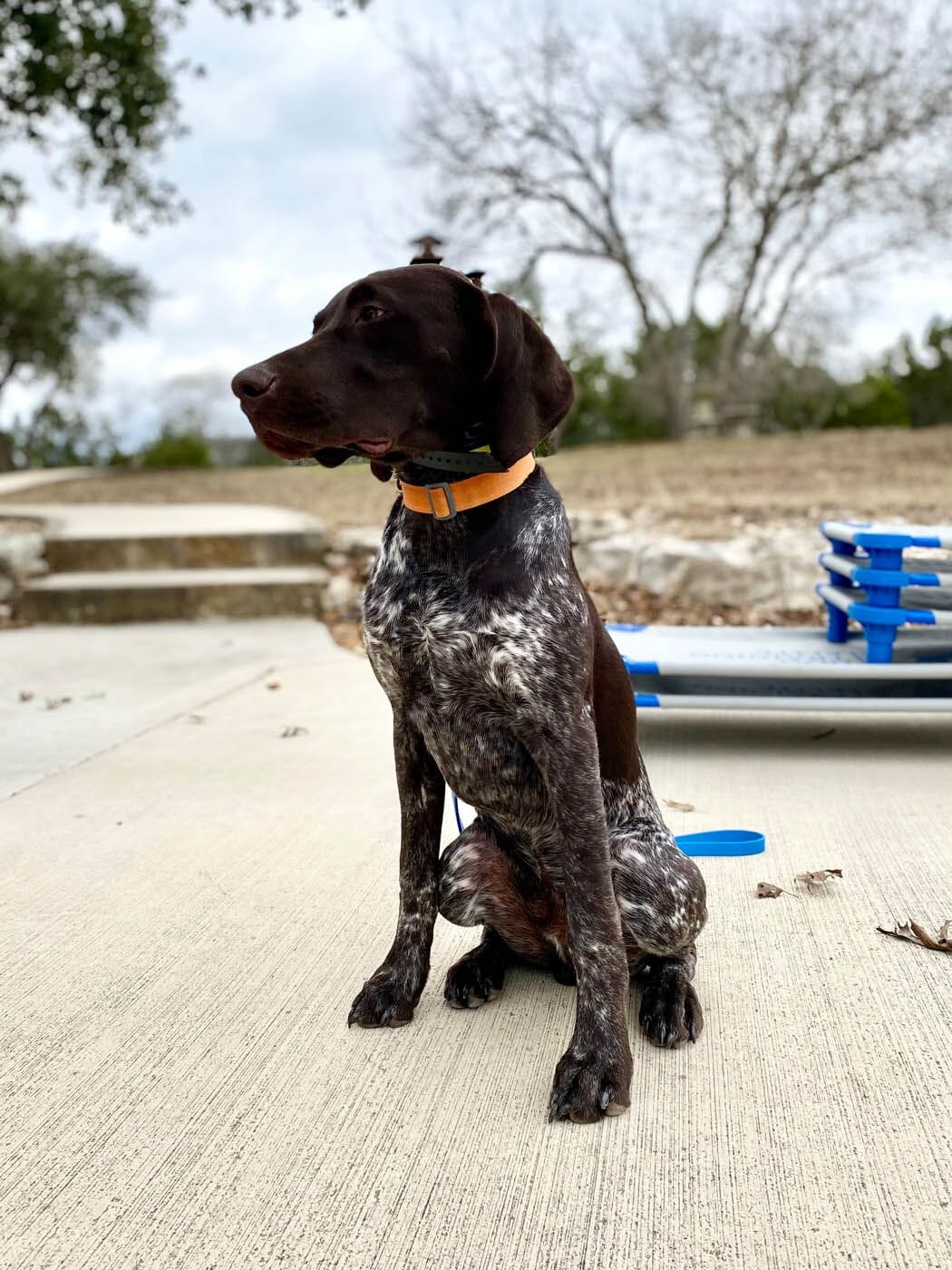
Arizona’s unique landscape, with its vast deserts, rugged mountains, and diverse wildlife, offers a fantastic, albeit challenging, training ground for bird dogs. Whether you’re a seasoned handler or just starting with your energetic pup, understanding how to train effectively in the Grand Canyon State is key to unlocking your dog’s full potential. This guide delves into the specifics of bird dog training in Arizona, focusing on techniques, environmental considerations, and tips to ensure your canine companion becomes a skilled hunter and a cherished partner.
The journey of bird dog training is as much about building a strong bond with your dog as it is about honing their hunting instincts. It requires patience, consistency, and a deep understanding of canine behavior. In Arizona, this also means adapting your training to the local climate and terrain, ensuring your dog’s safety and comfort while maximizing their learning experience.
Understanding the Arizona Environment for Bird Dog Training
Arizona’s climate presents a unique set of challenges and advantages for bird dog training. The extreme heat, particularly during summer months, is a primary concern. Dehydration and heatstroke are serious risks, so all training sessions must be planned with these in mind. Early morning and late evening are the most suitable times for outdoor activities. Providing ample water and shade is non-negotiable.
The terrain is another significant factor. From the sandy washes to the rocky outcrops and dense brush in some areas, your dog needs to be physically conditioned and agile. Training on varied surfaces helps build foot toughness and confidence. Understanding the local game birds – quail, dove, and sometimes waterfowl in specific regions – will also guide your training focus.
Bird Dog Training Videos and Resources
For those seeking visual aids, a wealth of bird dog training videos are available online. These resources can demonstrate specific techniques, from basic obedience to advanced retrieving and scent work. While general training videos are helpful, seeking out those that specifically address desert or hot-weather training can provide more tailored advice for Arizona. Many professional trainers also offer online courses and seminars that can be invaluable.
Essential Training Stages for Arizona Bird Dogs
1. Foundational Obedience
Before any specialized bird work begins, solid obedience is paramount. A well-trained dog that reliably responds to commands like “sit,” “stay,” “come,” and “heel” is crucial for safety and control in the field. In Arizona’s expansive and sometimes remote training areas, a strong recall is especially vital. Start in a controlled environment and gradually introduce distractions.
2. Introduction to Birds and Quail Training
Introducing your dog to the scent and sight of game birds is a critical step. For quail, which are native to Arizona, this involves using quail scent, planted birds (live or dummy launchers), and controlled exposure. The goal is to build your dog’s natural pointing or flushing instinct without overwhelming them. Patience here is key; let the dog’s natural abilities emerge.
- Scent Introduction: Use quail scent on a dummy or drag cloth to get your dog accustomed to the smell.
- Exposure: In a controlled setting, allow your dog to see and then chase planted quail. Gradually progress to having them hold a point.
- Steady Retraining: Teach your dog to remain steady when birds flush and to retrieve only on command.
For a deeper dive into specific methods, resources like bird dog training in arizona can offer localized insights.
3. Field Work and Conditioning
Once your dog has a grasp of basic bird work, it’s time to move to more challenging field conditions. This involves longer training sessions, simulating real hunting scenarios, and ensuring your dog is physically conditioned to handle the demands.
- Water Work: If waterfowl is part of your hunting interest, introduce your dog to water. Even in Arizona, there are opportunities for this, such as local reservoirs or ponds. Start slow, especially in cooler water, to avoid shock.
- Retrieving: Perfecting the retrieve – finding, fetching, and delivering the bird to hand – is the culmination of much of the training. This requires soft-mouth training and precise command following.
- Desensitization: Gradually expose your dog to gunfire (using a training launcher or blank cartridges) at a safe distance to prevent gun shyness.
4. Advanced Skills and Handler Integration
Advanced training might include blind retrieves, handling across different terrains, and working with multiple dogs. Crucially, it’s about the handler and dog working as a seamless team. Understanding your dog’s body language and cues is as important as the commands you give.
Safety First: Training in the Arizona Heat
The Arizona sun is no joke. Always prioritize your dog’s safety:
- Hydration: Carry more water than you think you’ll need. Offer it frequently.
- Timing: Train during cooler parts of the day – dawn and dusk.
- Breaks: Take frequent breaks in the shade.
- Acclimation: Gradually increase the duration and intensity of training to allow your dog to acclimate.
- Recognize Signs: Be aware of heatstroke symptoms: excessive panting, drooling, lethargy, vomiting, bright red gums. If you suspect heatstroke, get your dog to a cool place immediately and contact a vet.
Common Challenges and Solutions
Gun Shyness
This is a common issue, often stemming from a negative association with loud noises. Start introducing the sound of a bird launcher or blank cartridge at a significant distance, rewarding calm behavior. Gradually decrease the distance as the dog becomes more comfortable. Never force a dog that is showing fear.
Lack of Drive or Stamina
Ensure your dog is physically fit and has a healthy diet. Supplements can help, but a balanced diet is foundational. For dogs lacking drive, engaging their natural instincts through positive reinforcement and making training fun is key.
Difficulty with Specific Commands
If your dog struggles with a particular command, break it down into smaller steps. Positive reinforcement, such as praise and treats, works best. Consult with experienced trainers or resources like bird of prey trainer for specialized advice if needed.
The Bond: More Than Just Training
Ultimately, bird dog training in Arizona is about building an unbreakable partnership. It’s about understanding your dog’s needs, celebrating their successes, and navigating challenges together. The unique environment of Arizona provides an incredible backdrop for this journey, forging a bond that will last a lifetime, whether you’re out in the field or relaxing at home.
Frequently Asked Questions about Bird Dog Training in Arizona
Q1: What is the best time of year to train bird dogs in Arizona?
A1: Fall and spring offer the most comfortable temperatures for extensive outdoor training. Winter is also viable, but summer requires extreme caution and very specific timing (early morning/late evening) and shorter sessions.
Q2: Are there specific bird dog breeds that are better suited for Arizona’s climate?
A2: While many breeds can adapt, those with shorter coats and higher heat tolerance, like Vizslas or German Shorthaired Pointers, might have a slight advantage. However, any breed can be trained successfully with proper management of heat and conditioning.
Q3: How can I find reputable bird dog trainers in Arizona?
A3: Look for trainers with certifications from recognized organizations, ask for references, and seek out those with experience training in desert or hot climates. Local bird dog clubs or hunting forums can be good resources.
Q4: What safety precautions are most important for bird dog training in Arizona?
A4: Hydration, training during cooler hours, providing shade, regular breaks, and understanding the signs of heat exhaustion are paramount. Ensure your dog is fit and acclimated to the conditions.
Q5: How long does it typically take to train a bird dog?
A5: This varies greatly depending on the dog’s age, breed, prior experience, and the handler’s consistency. Basic obedience can take months, while advanced field work can take years to perfect. Consistent, positive training is key.
Q6: Can I use my bird dog for hunting other game in Arizona besides birds?
A6: Some bird dogs, depending on their breed and training, can adapt to tracking or retrieving other game. However, specialized training might be required for different types of hunting.
Q7: What are the legal requirements for owning or training dogs in Arizona?
A7: Ensure your dog is up-to-date on vaccinations and licensed according to local regulations. Be aware of any specific rules regarding dogs in certain public lands or wildlife areas. Always practice Leave No Trace principles.
Conclusion
Training a bird dog in Arizona is a rewarding endeavor that requires a blend of classic training principles, environmental awareness, and a deep commitment to your dog’s well-being. By understanding the unique challenges and leveraging the opportunities the Arizona landscape provides, you can develop a skilled, reliable, and devoted hunting partner. Remember to prioritize safety, maintain consistency, and most importantly, cherish the journey of building a strong bond with your bird dog. For more insights and techniques, exploring resources on bird dog training videos can be exceptionally beneficial.
