
Embarking on the journey of bird dog ownership is incredibly rewarding, but it truly blossoms when your canine partner is well-trained and obedient. Bird Dog Obedience Training isn’t just about teaching commands; it’s about forging a deep bond, ensuring safety, and unlocking your dog’s full potential in the field and at home. Whether you’re a seasoned hunter or looking for a responsive companion, mastering the fundamentals of obedience is key. This guide will walk you through the essential steps to train your bird dog for reliable performance and a harmonious life together.
Understanding the “Why” Behind Bird Dog Training
Before diving into the “how,” it’s crucial to understand the unique demands placed on bird dogs and why obedience training is paramount. These dogs are bred with specific instincts for locating, flushing, or retrieving game birds. This means they need to be controlled and responsive, especially in environments with numerous distractions like scents, sounds, and the birds themselves. Effective obedience training ensures your dog:
- Stays safe: Responds to commands like “come” or “stay” prevents them from running into dangerous situations.
- Works harmoniously: Follows commands like “whoa” or “heel” allows for efficient and cooperative hunting.
- Is a pleasure to be around: General obedience makes them well-behaved pets in all settings.
- Builds confidence: A well-trained dog is a confident dog, both for the handler and the animal.
Foundational Obedience: The Bedrock of Success
Every advanced training, especially for specialized tasks like bird dog work, is built upon a solid foundation of basic obedience commands. These commands are the building blocks that allow you to communicate effectively with your dog. Consistency, positive reinforcement, and patience are your greatest tools here.
Essential Commands for Your Bird Dog
- Come/Recall: This is arguably the most critical command for safety. A reliable recall ensures your dog returns to you when called, regardless of distractions. Start in a quiet area, use a happy tone, and reward enthusiastically with treats and praise when they come. Gradually increase distractions as they master the command.
- Sit: A simple yet effective command for gaining your dog’s attention and control. Ask your dog to “sit,” and when their rear touches the ground, reward them. This command is useful for waiting patiently, controlling excitement, and preparing for other commands.
- Stay: Teaching your dog to remain in a designated spot (like a “sit” or “down”) until released is vital for control, especially in the field. Start with short durations and minimal distance, gradually increasing both as your dog succeeds.
- Down: Similar to “sit,” this command helps calm your dog and can be a precursor to other behaviors.
- Heel: This command teaches your dog to walk politely beside you without pulling. It’s essential for controlled movement, whether on a leash or in hunting scenarios. Focus on rewarding your dog for staying in the correct position.
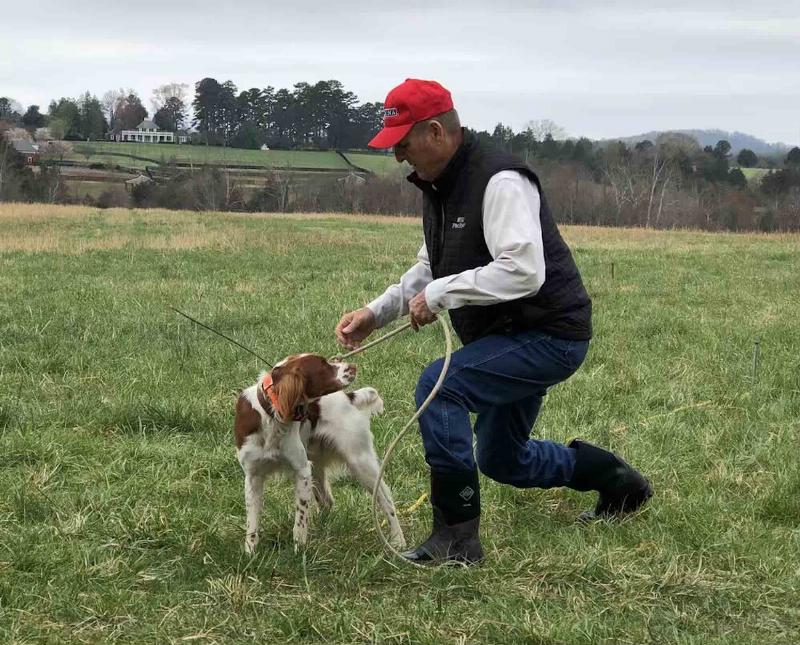 Obedient bird dog sitting patiently on command, demonstrating foundational training.
Introducing Specialized Bird Dog Training Concepts
Once your dog has a firm grasp of basic obedience, you can begin introducing concepts specific to bird dog work. This often involves introducing them to birds and teaching them to work with, rather than chase, their quarry.
Creating Positive Associations with Birds
The goal is for your dog to see birds as something to locate and work with, not as prey to catch.
- Scent Introduction: Start by exposing your dog to bird scent. This can be done using bird wings or live, flight-impaired birds in a controlled environment. The idea is to build excitement and focus around the scent.
- “Find It” Game: Hide bird wings or dummy birds and encourage your dog to use their nose to locate them. This reinforces their natural drive and teaches them to actively search.
- Introduction to Live Birds: This should be done gradually and under strict control. A flight-impaired bird or a bird in a “launcher” can provide a controlled experience. The goal is to let the dog get excited about the bird, then reward them for not chasing aggressively, perhaps by calling them back to a “sit” or “heel.”
The “Whoa” Command: Mastering the Flush
The “whoa” command is fundamental for many bird dog breeds. It teaches the dog to stop instantly and remain frozen when a bird flushes. This allows the hunter to move into position and shoot without the dog interfering.
- Initial Training: This often starts with a check cord and a bird launcher. When the bird is released and the dog starts to move, apply gentle pressure on the leash while saying “whoa.” Reward them for stopping, even momentarily.
- Building Duration and Distance: Gradually increase the time and distance your dog holds the “whoa” command. This requires significant patience and repetition. You can also practice “whoa” without birds present, using a visual cue and rewarding them for freezing. cite: WHOA training bird dog
Force Fetching and Retrieving
For retrieving breeds, teaching a reliable retrieve is essential. This involves teaching them to take the bird, hold it gently, and bring it back to you.
- Tug and Release: Start with a toy, teaching your dog to take it, hold it, and release it on command.
- Introducing the Bird: Once they understand the concept with a toy, gradually introduce a bird wing or a soft dummy. Ensure they are not “hard-mouthed” and damaging the retrieve. Positive reinforcement is key to a gentle mouth. For those interested in advanced techniques, understanding dog training bird launchers can be beneficial.
Overcoming Common Challenges in Bird Dog Training
Even with the best intentions, training can present challenges. Understanding common pitfalls can help you navigate them effectively.
- Distractions: Bird dog training environments are inherently distracting. Consistent practice in various settings and gradually increasing the difficulty is key. If your dog is struggling, simplify the exercise.
- Hard Mouth: If your dog tends to damage retrieves, focus more on the “hold” and “release” commands with toys before introducing birds. Using softer dummies and rewarding gentle holding can help.
- Lack of Drive: Some dogs may be naturally less enthusiastic. Ensure you’re using high-value rewards and making training sessions engaging and fun. For specific breeds or regions, resources like bird dog training Washington state or bird dog training Ohio might offer localized insights.
- Impatience: Training takes time. Avoid getting frustrated, as this can transfer to your dog. Break down complex behaviors into smaller, manageable steps. If you’re in a particular region, looking into local expertise such as bird dog training Florida might provide tailored advice.
The Role of Positive Reinforcement and Relationship Building
Modern dog training, especially for sensitive and intelligent breeds like bird dogs, heavily relies on positive reinforcement. This means rewarding desired behaviors rather than punishing unwanted ones.
- Reward System: Use a combination of treats, praise, and play to reinforce correct responses. Identify what motivates your dog most.
- Timing is Everything: Reward your dog immediately after they perform the desired action so they can clearly associate the reward with the behavior.
- Building Trust: Obedience training is a two-way street. By using fair and consistent methods, you build trust and a stronger relationship with your dog. This trust is the foundation for their willingness to listen and work with you.
Conclusion: A Rewarding Partnership
Training your bird dog is an investment that pays dividends throughout your companionship. From ensuring their safety in the field to enjoying a well-behaved partner at home, the journey of bird dog obedience training is incredibly fulfilling. Remember to celebrate the small victories, stay consistent, and enjoy the process of building an unbreakable bond with your canine companion. A well-trained bird dog is more than just a hunting partner; they are a loyal friend and a testament to the power of clear communication and mutual respect.
