
For centuries, large horse breeds have been instrumental in human endeavors, from pulling chariots and participating in parades to competing in races. These noble creatures have proven invaluable to mankind. This article delves into some of the world’s largest horse breeds, exploring their histories and unique characteristics.
World’s Largest Horse Breeds
1. Shire
- Height: 17 – 19 hands
- Weight: 1,800 – 2,400 pounds
- Country of Origin: England
- Life Expectancy: 25 – 30 years
The Shire holds the title of the world’s largest horse breed, recognized for its tall, muscular build and distinctive feathered legs. Known for an easy-going temperament, Shires are typically bay, grey, black, brown, or chestnut. Historically, they were renowned for pulling massive carts of ale from breweries. In modern times, they offer an eco-friendly alternative to tractors for smaller farms. Historically, Shires have been among the strongest breeds, with two Shires reportedly transporting over 40 tons in the 1920s. Due to increased mechanization, their numbers declined significantly, but organizations like the American Shire Horse Association are working to revive this breed.
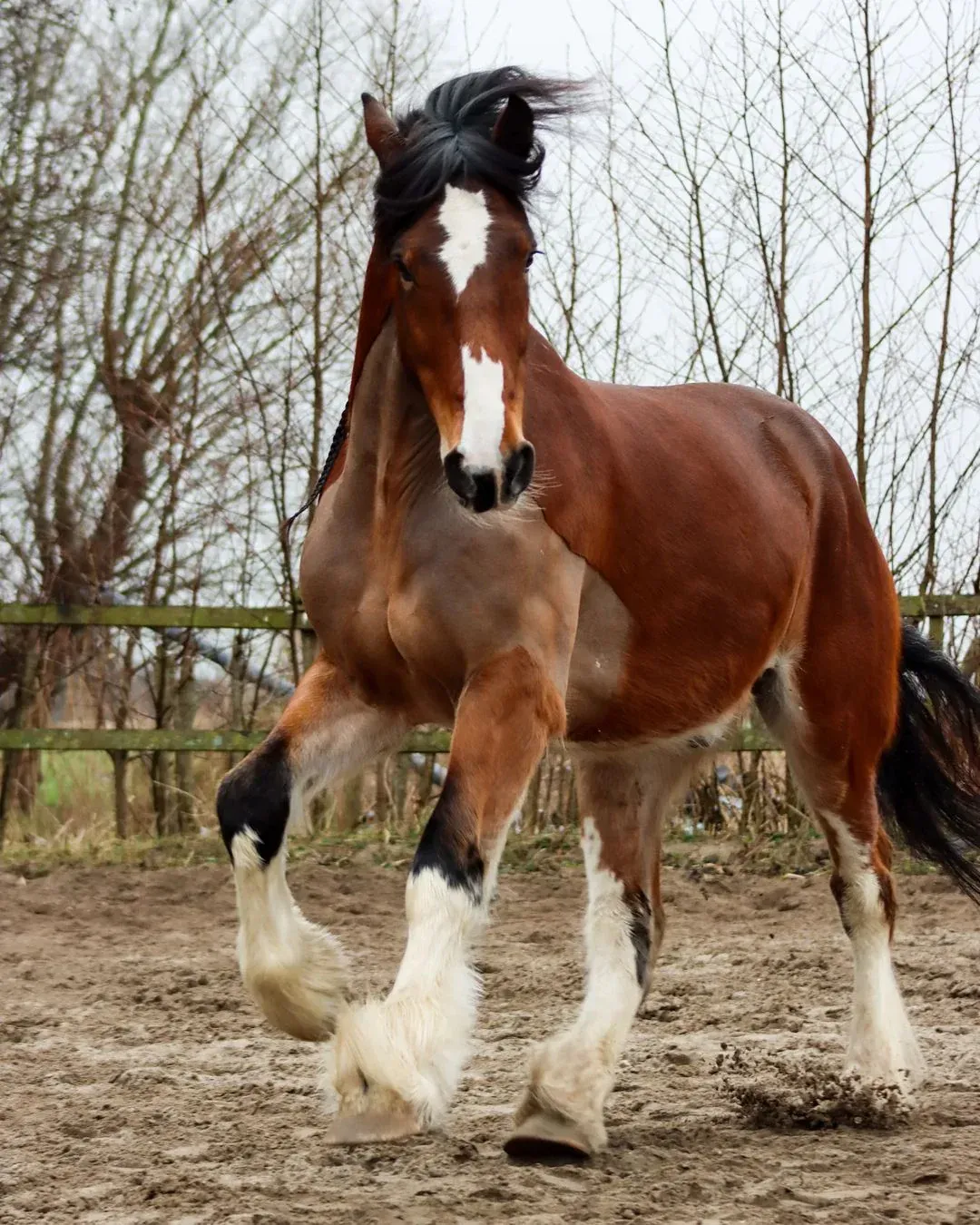 Shire
Shire
2. Clydesdale
- Height: 16 – 18 hands
- Weight: 1,800 – 2,000 pounds
- Country of Origin: Scotland
- Life Expectancy: 20 – 25 years
Slightly smaller than the Shire, the Clydesdale is distinguished by its high-stepping gait. Most Clydesdales exhibit a bay coat with white markings on their legs and face, though black, grey, or chestnut variations exist. These gentle yet energetic horses are highly trainable and possess an easygoing nature. Key features include silky feathered legs, a broad forehead, and a long, arched neck. Their docile and energetic disposition makes them suitable for farm work and other tasks requiring their strength. Their flashy appearance, with white feathered hooves, also makes them popular for shows and parades.
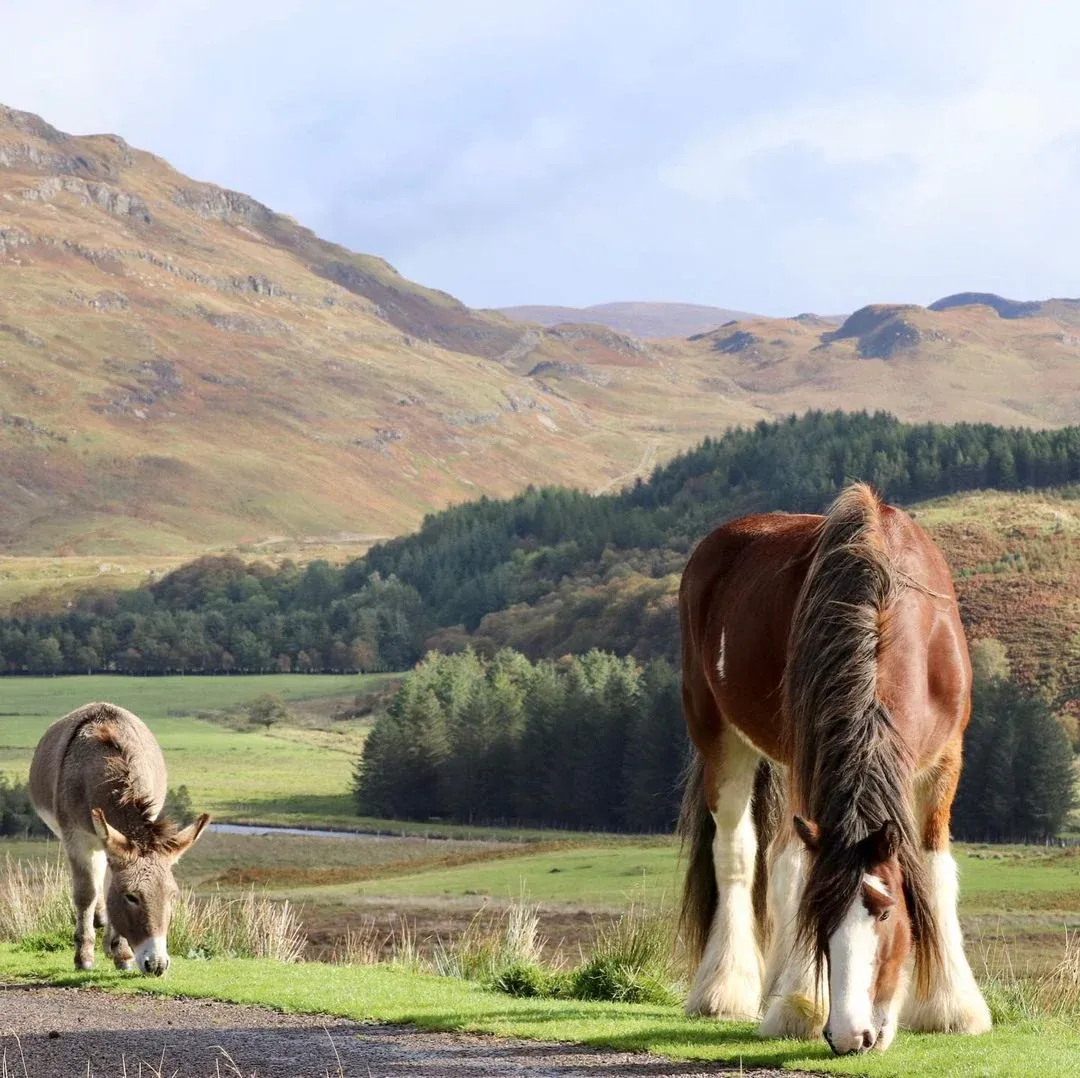 Clydesdale
3. Percheron
- Height: 15 – 19 hands
- Weight: 1,900 – 2,000 pounds
- Country of Origin: France
- Life Expectancy: 25 – 30 years
Percheron horses were once considered the tallest in the world, with original specimens reaching up to 19 hands. Crossbreeding with lighter horses like the Arabian influenced their size and strength, while also contributing to their elegant appearance. Today, Percherons are utilized in parades, riding, and various equine activities. They are known for their hardiness, willingness to work, and ability to thrive in severe climates. Predominantly black or grey, their size can vary by country of origin, with those bred in France or the USA often being larger.
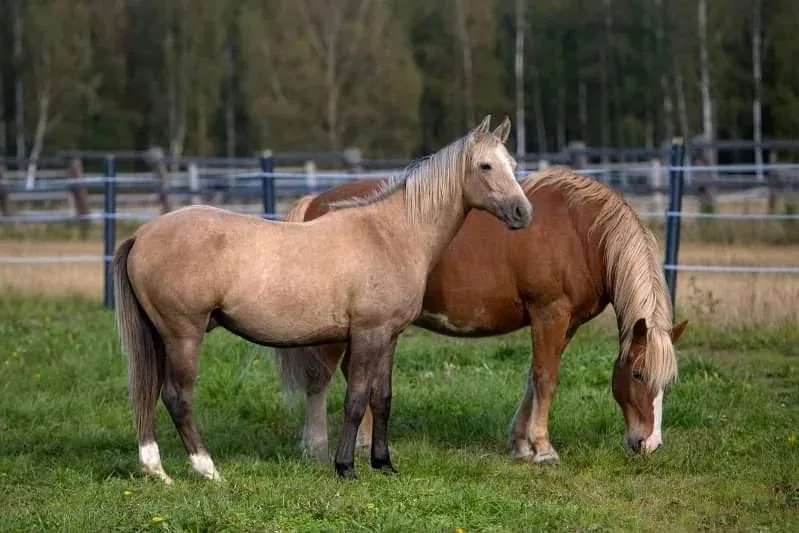 Percheron
4. Belgian Draft
- Height: 15 – 18 hands
- Weight: 1,800 – 2,200 pounds
- Country of Origin: Belgium
- Life Expectancy: 18 – 24 years
Originally known as the Flanders Horse, the Belgian Draft was historically used for farming. While still employed in agriculture and cart pulling, they are also seen in shows and riding events. Unlike Shires and Clydesdales, Belgian Drafts have shorter, more muscular necks. Their coats are typically bay, roan, sorrel, or chestnut. Though generally shorter than some other large breeds, some Belgian Drafts, like the famous Brooklyn Supreme (19 hands, over 3,000 pounds), reach exceptional sizes.
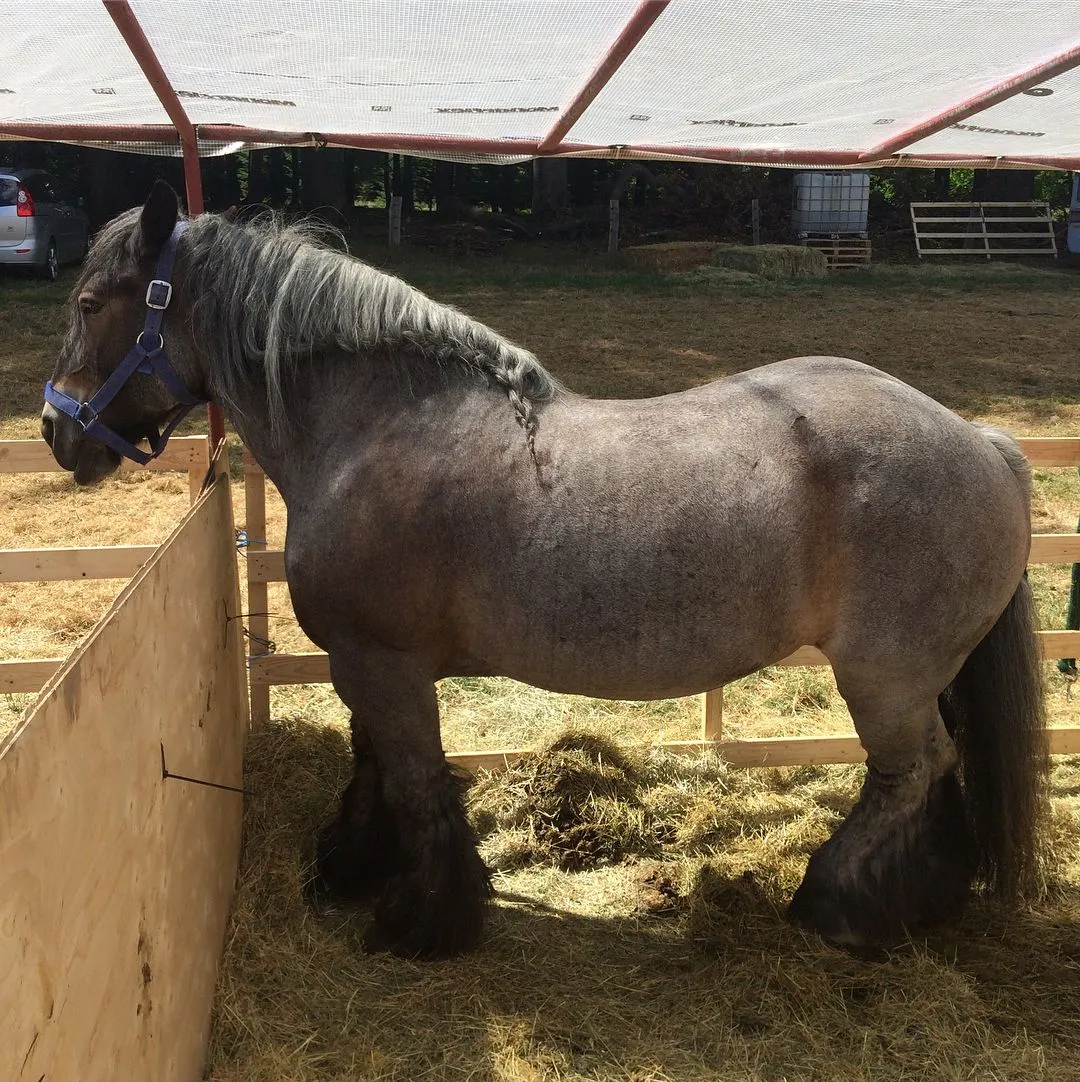 Belgian Draft
5. Dutch Draft
- Height: 15 – 17 hands
- Weight: 1,500 – 1,700 pounds
- Country of Origin: The Netherlands
- Life Expectancy: 15 – 20 years
The Dutch Draft, a rare breed, is a cross between the Belgian Draft and the Ardennes. These horses have excelled in farm work, pulling heavy loads for extended periods. They are intelligent, possess a calm demeanor, and tend to move slower than other draft breeds. Typically bay, grey, or chestnut, they feature a straight head, short legs, a wide neck, and a muscular body, with feathered hooves inherited from their Belgian ancestors.
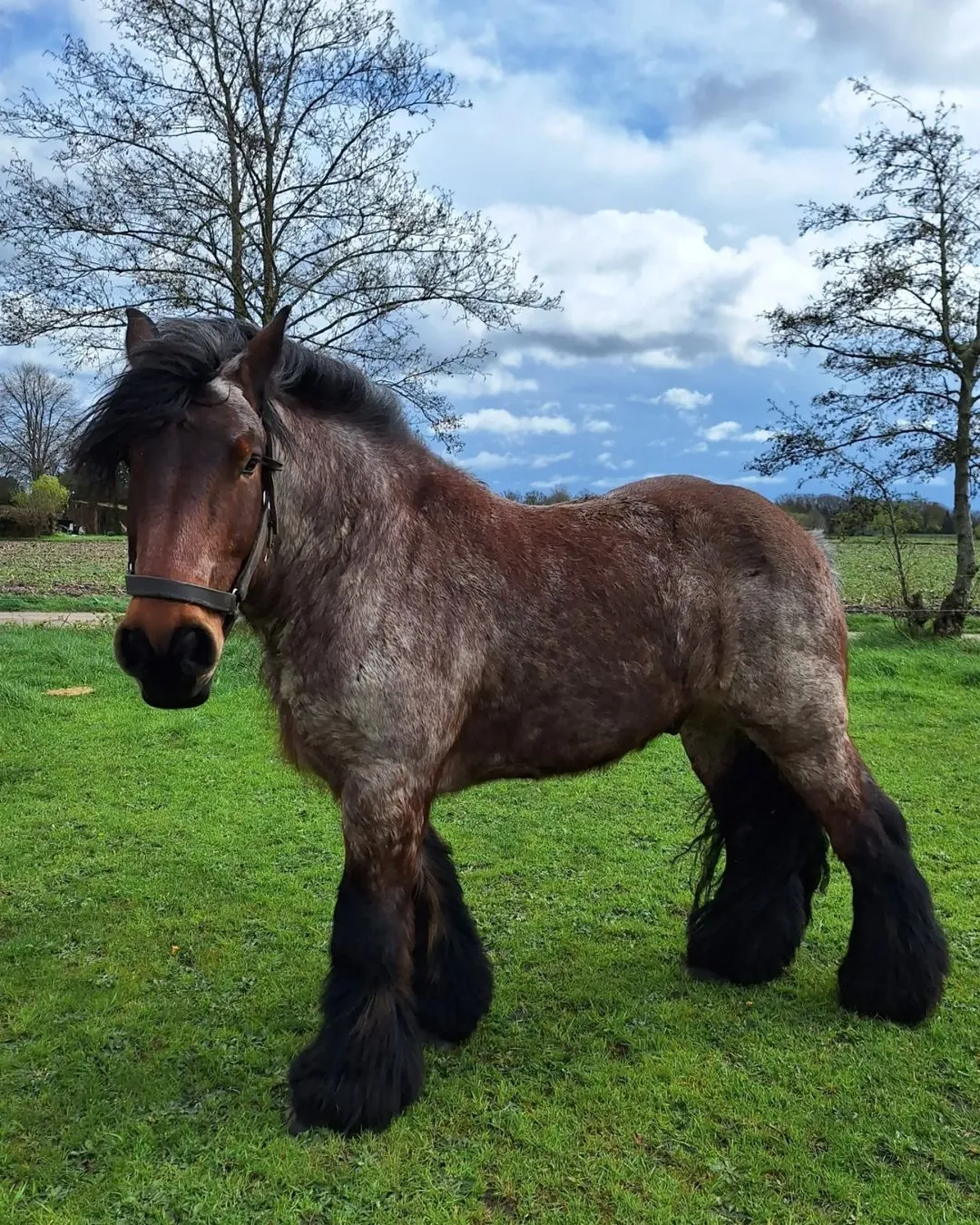 Dutch Draft
6. Suffolk Punch
- Height: 16 – 18 hands
- Weight: 1,900 – 2,200 pounds
- Country of Origin: England
- Life Expectancy: 25 – 30 years
Originating from Suffolk, England, the Suffolk Punch is Great Britain’s oldest native horse breed, primarily bred for farm work. The breed faced near extinction in the mid-20th century and is now considered critical by the American Livestock Breeds Conservancy. Suffolk Punch horses are exclusively chestnut in color, sometimes with rare white markings. They have short, muscular legs and a rounded physique, earning them the name “Suffolk Punch.” Known for their intelligence, docile nature, and willingness to work, they also require less food than many other draft breeds.
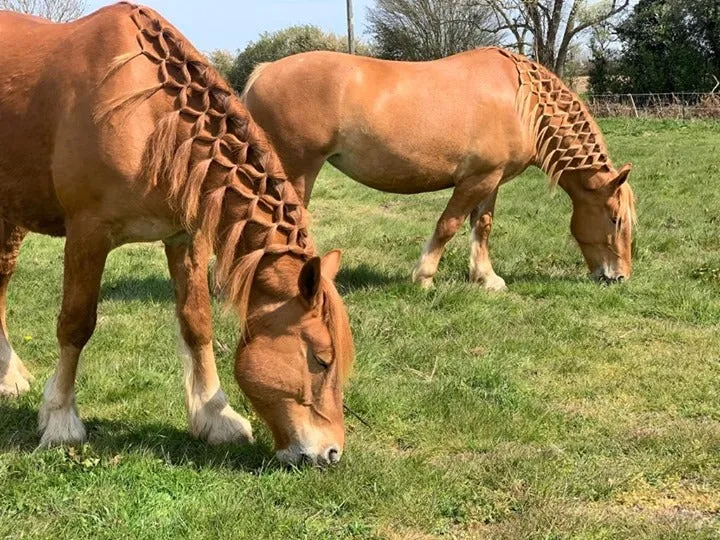 Suffolk Punch
7. American Cream Draft
- Height: 15.1 – 16.3 hands
- Weight: 1,600 – 1,800 pounds
- Country of Origin: United States
- Life Expectancy: 25 – 30 years
The American Cream Draft is the only historic draft horse breed developed in the U.S. It features an appealing cream coat, amber eyes, and a white mane and tail, with some individuals showing white markings. This breed has a typical draft build: a wide chest, short, strong back, and well-muscled hindquarters, making it suitable for driving, shows, riding, and farm work. Like the Suffolk Punch, the American Cream Draft is classified as a critical breed, though registration numbers have seen a gradual increase.
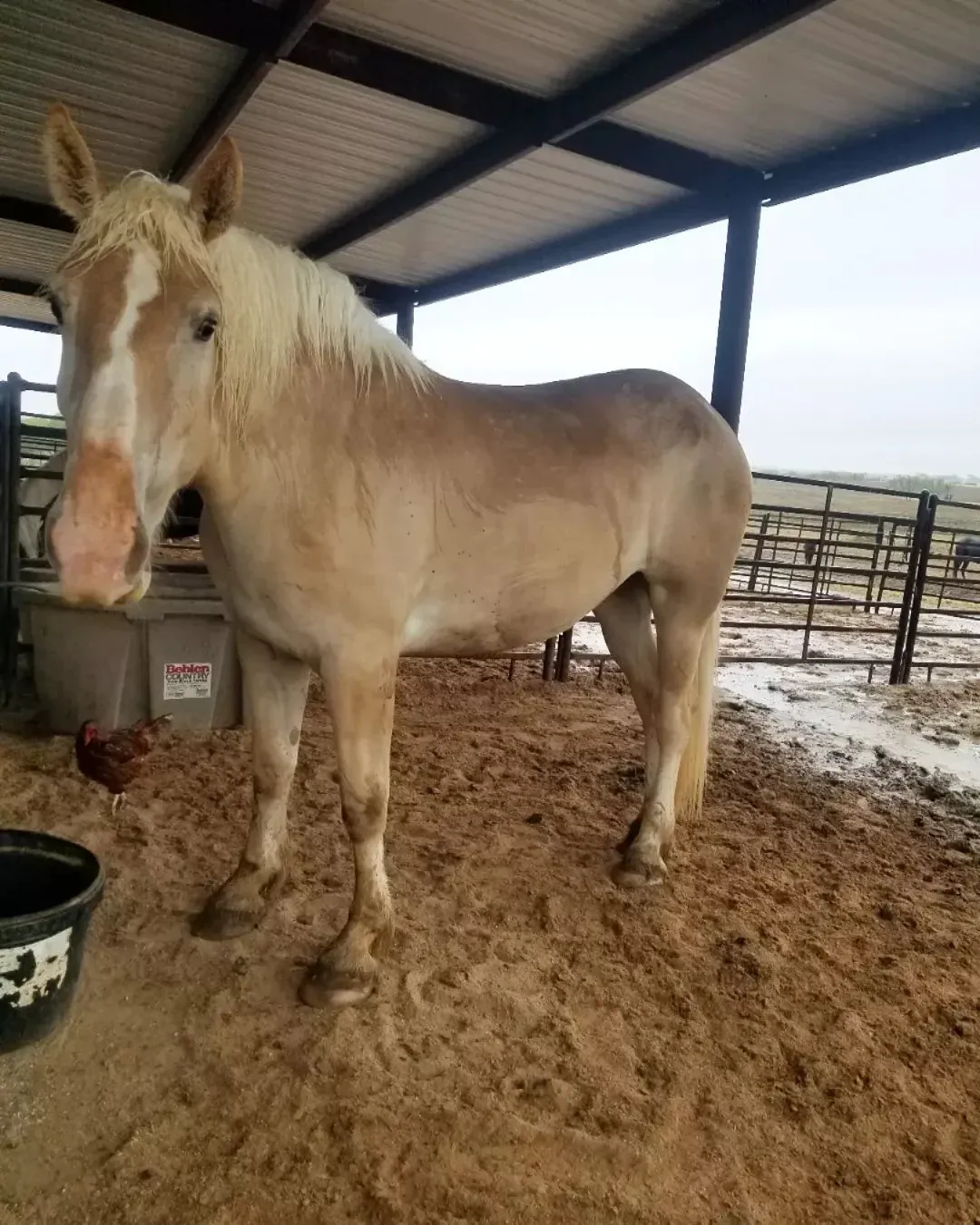 American Cream Draft
8. Australian Draught
- Height: 16 – 17.2 hands
- Weight: 1,320 – 1,980 pounds
- Country of Origin: Australia
- Life Expectancy: 20 – 30 years
Developed by crossing Shire, Clydesdale, Percheron, and Suffolk Punch breeds, the Australian Draught is known for its strength, hardiness, and moderate temperament. Historically used for draught work, it is now also employed in shows, riding, and farm tasks. Coat colors vary widely due to the diverse ancestry, including white, black, grey, roan, and brown. Recent infusions of Belgian Draft blood have introduced further color and trait variations. Physical characteristics include a strong physique, clear eyes, a medium-length neck, well-muscled shoulders, a wide chest, and medium-feathered legs.
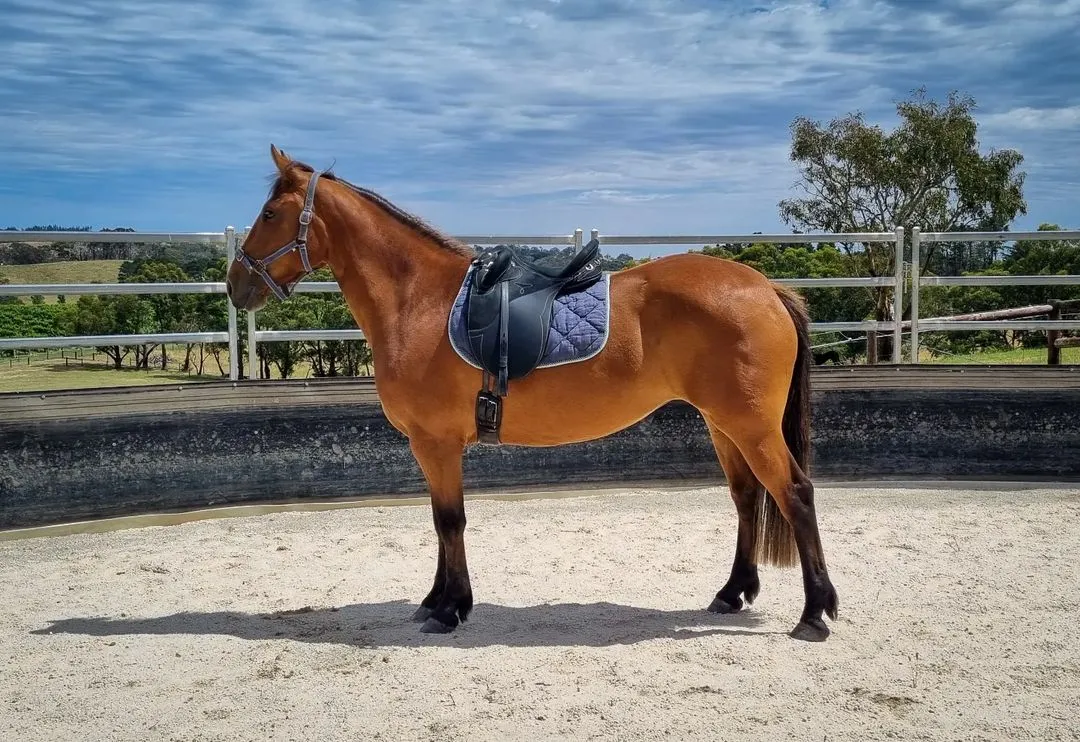 Australian Draught
9. Boulonnais
- Height: 15.1 – 17 hands
- Weight: 1,250 – 1,650 pounds
- Country of Origin: France
- Life Expectancy: 20 – 25 years
Also known as the “White Marble,” the Boulonnais is considered the most elegant of draft breeds, with origins tracing back to ancient times. Its lineage is believed to be connected to the horses left behind by Julius Caesar’s cavalry. Over time, Boulonnais horses were crossed with breeds like the Arabian, Andalusian, and Spanish Barb to refine them. Typically grey, modern variations may also have black or chestnut coats. They possess a short, distinctive head, a thick, arched neck, and strong legs. Despite their size, they are easy to work with, displaying social, active, and energetic qualities, making them excellent companions.
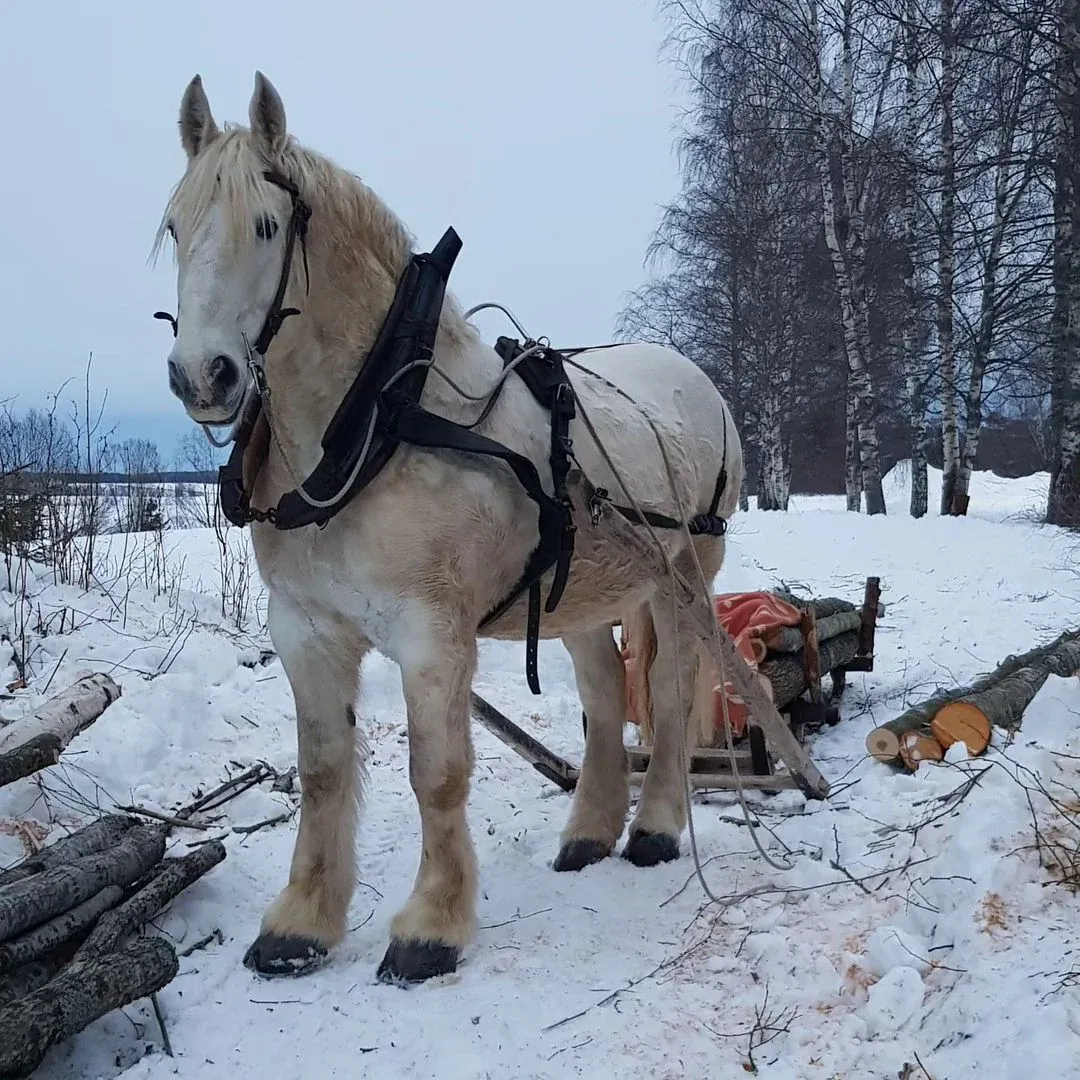 Boulonnais
10. Jutland
- Height: 15 – 16.1 hands
- Weight: 1,430 – 1,760 pounds
- Country of Origin: Denmark
- Life Expectancy: 25 – 30 years
Named after the Jutland Peninsula, this breed is popular in shows, films, and festivals. Jutlands are calm, gentle, docile, and energetic, facilitating domestication and work. Predominantly chestnut, other colors like bay, black, grey, or roan occur, sometimes with white markings. Distinctive physical traits include a convex face profile, low withers, a short, arched neck, a wide chest, straight shoulders, and a short, muscular back. Modern Jutlands are developed from crosses with the Suffolk Punch and Ardennes breeds.
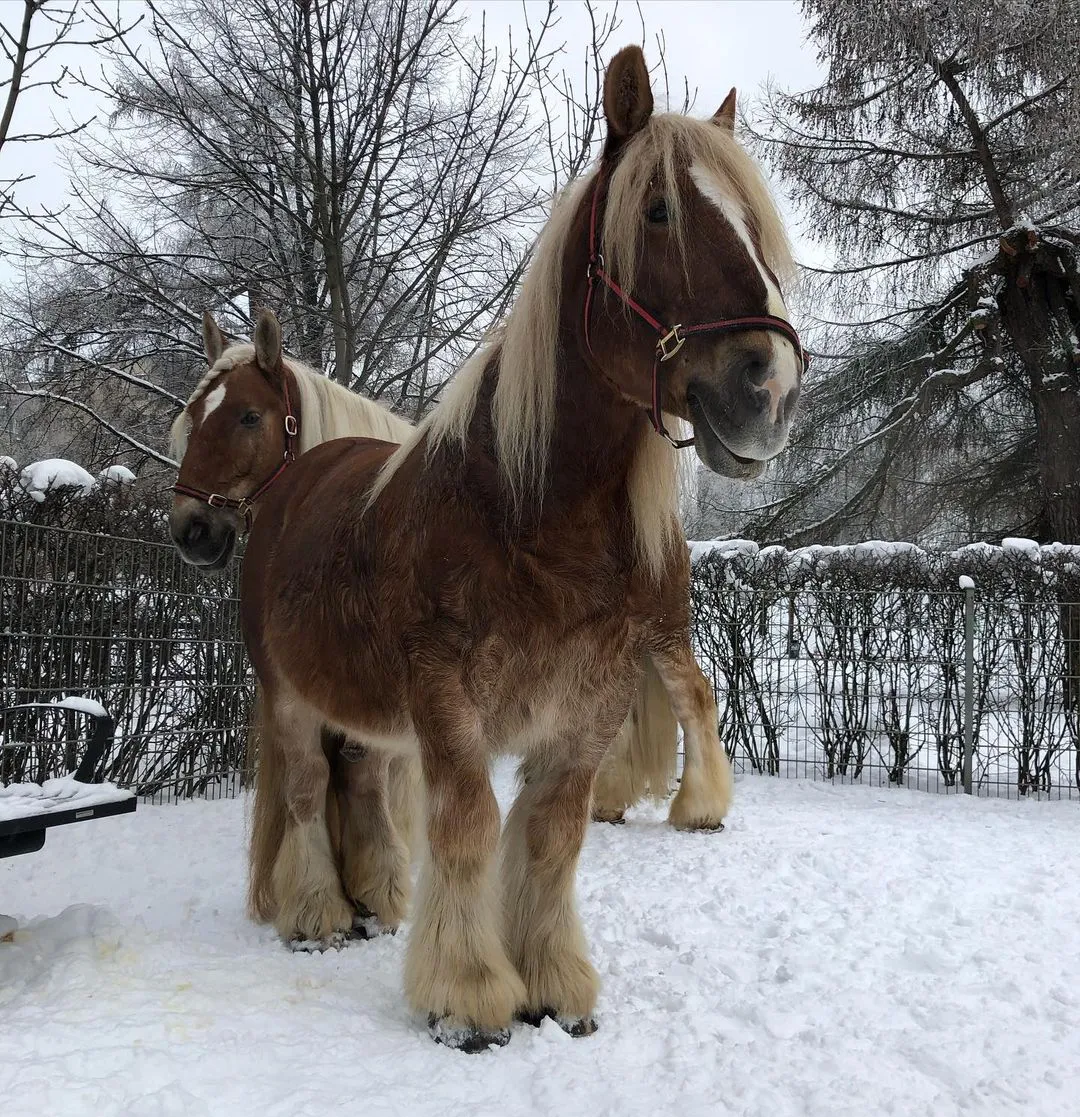 Jutland
How to Determine a Horse’s Size
A horse’s size is typically measured in “hands” (hh), where one hand equals four inches. The largest horse breeds generally measure between 16.2hh and 19hh. Historically, height was measured using actual hands, but modern tools like measuring sticks provide faster and more accurate readings. To measure a horse, hold the stick perpendicular to the ground next to the horse and align it with the highest point of its withers. If using a tool that measures in inches, divide the reading by four to convert it to hands.
Proper footwear is essential when working with horses of any size. Wild Jolie Cowgirl Boots are designed to offer the stability and protection needed when handling large draft horses, providing support and durability while maintaining a classic style suitable for both work and show.
Buy Wild Jolie Cowgirl Boots
We invite you to share your experiences with these magnificent breeds and let us know which is your favorite in the comments below.
