
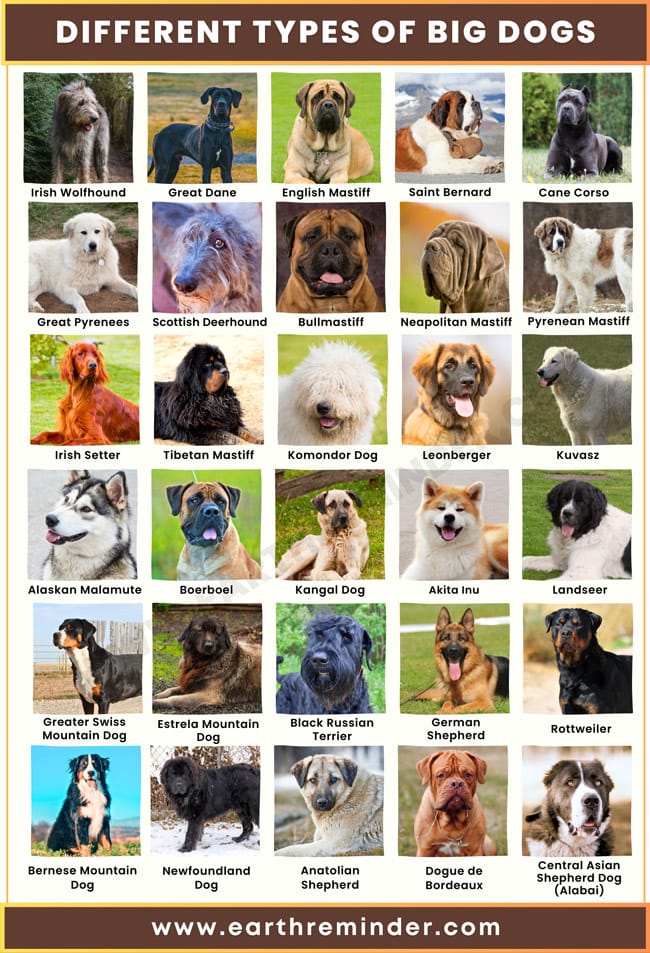
Bringing a large dog into your home is a significant decision, and one of the most common concerns for potential owners is trainability. You might think that a big dog equals a big challenge when it comes to obedience, but that’s not always the case. Many large breeds are known for their intelligence, eagerness to please, and a naturally calm demeanor, making them surprisingly easy to train. If you’re dreaming of a gentle giant by your side, this guide to Big Dogs That Are Easy To Train is for you. We’ll explore some of the most popular breeds, delve into why they excel in training, and offer tips to help you maximize their potential.
The journey of training any dog, regardless of size, is built on understanding their breed characteristics, consistent positive reinforcement, and a healthy dose of patience. Large breeds, in particular, often benefit from early socialization and clear, firm leadership. Their size means that early training is not just about good manners; it’s about ensuring safety and a harmonious life together. Let’s dive into the world of big, trainable canine companions.
The Appeal of Large, Trainable Breeds
Why are so many people drawn to larger dog breeds that are also easy to train? The reasons are multifaceted.
- Presence and Companionship: Large dogs have a commanding presence that many find comforting and impressive. They can make excellent companions for active families or individuals who enjoy outdoor activities.
- Gentle Natures: Contrary to some stereotypes, many large breeds are incredibly gentle and patient, making them wonderful with children and other pets when properly socialized.
- Intelligence and Eagerness to Please: Many of these breeds were historically bred for tasks requiring intelligence and cooperation, such as herding, guarding, or pulling carts. This inherent drive to work alongside humans translates into a strong desire to learn and obey.
- Versatility: Trainable large dogs can excel in various canine activities, from obedience trials and agility to therapy work and even service roles.
Top Large Dog Breeds That Are Easy to Train
When looking for a big dog that’s a breeze to train, several breeds consistently stand out. These dogs possess a combination of intelligence, a calm temperament, and a strong desire to bond with their human families.
1. Golden Retriever
Golden Retrievers are perhaps the quintessential family dog, and their trainability is legendary. Bred as gundogs to retrieve waterfowl, they are intelligent, devoted, and incredibly eager to please their owners. Their patience and gentle nature make them fantastic with children. They respond exceptionally well to positive reinforcement methods, making training sessions enjoyable for both dog and owner. Their intelligence means they can learn a vast array of commands and tricks, and they often thrive in obedience training and dog sports. Their natural inclination to carry things also makes them adept at retrieving tasks. You’ll find that teaching them impressive tricks to teach your dog is a rewarding experience.
2. Labrador Retriever
Much like their Golden cousins, Labrador Retrievers are renowned for their intelligence, friendly disposition, and trainability. Originally bred as working dogs to retrieve fish and nets, Labs are energetic, outgoing, and keen to learn. They possess a high level of focus and a strong work ethic, which makes them excel in training environments. Their enthusiasm for life is infectious, and they approach learning with gusto. Labs are incredibly adaptable and can be trained for a variety of roles, including assistance dogs, search and rescue, and of course, beloved family pets. Their food motivation also makes them highly responsive to treats, so having some natural training treats for dogs on hand can be very beneficial during training sessions.
3. German Shepherd
German Shepherds are known for their loyalty, courage, and intelligence. They were specifically bred for herding and guarding sheep, tasks that require significant intelligence, problem-solving skills, and obedience. This breed is highly trainable and can learn complex commands quickly. Their protective nature means they need early socialization and consistent training to ensure they are well-adjusted. When trained properly, they are incredibly reliable and make exceptional working dogs, police dogs, and devoted family guardians. Their versatility is astounding, and they often perform exceptionally well in protection sports and advanced obedience.
4. Poodle (Standard)
Don’t let their elegant appearance fool you; Standard Poodles are highly intelligent and athletic dogs with a strong capacity for learning. In fact, they are often ranked among the most intelligent dog breeds. Originally bred as water retrievers, they are active, proud, and eager to please. Poodles excel in obedience and agility due to their sharp minds and physical capabilities. They are also known for being relatively low-shedding, which is a bonus for many owners. Their intelligence means they can sometimes be a bit mischievous if not mentally stimulated, so regular training and engaging activities are key.
5. Bernese Mountain Dog
The Bernese Mountain Dog is a large, good-natured breed originally from the Swiss Alps, where they were used as all-around farm dogs for herding, guarding, and pulling carts. They are known for their calm, placid temperament and their affectionate nature towards their families. Berners are intelligent and generally eager to please, making them relatively easy to train, especially with gentle, consistent methods. Their size and strength mean that early obedience training is important to manage them confidently. They bond deeply with their families and thrive on companionship.
6. Vizsla
Vizslas are energetic, affectionate, and intelligent sporting dogs that form strong bonds with their owners. Bred for hunting, they are athletic and require regular exercise, but they are also highly trainable and eager to learn. Their “velcro dog” reputation means they love to be close to their people and are very responsive to training. They do best with positive reinforcement and consistent training, thriving on praise and interaction. Their high energy levels mean that consistent physical and mental stimulation is crucial for a well-behaved Vizsla.
7. Irish Setter
Irish Setters are known for their striking mahogany coat and their playful, energetic personalities. Bred as bird dogs, they are intelligent, outgoing, and have a strong desire to please. While they can have a slightly independent streak, they are generally very responsive to training, especially when it’s engaging and fun. Early socialization is important for this exuberant breed, and consistent, positive reinforcement training will help channel their energy productively. They are wonderful companions for active families who can provide them with plenty of exercise and mental challenges.
Understanding Why These Breeds Excel in Training
Several factors contribute to the trainability of these large dog breeds:
- Intelligence: Breeds like the German Shepherd, Poodle, and Golden Retriever consistently rank high in canine intelligence tests. This means they can understand commands quickly, solve problems, and adapt to new situations.
- Eagerness to Please: Many of these breeds were developed to work closely with humans. This close working relationship fostered a strong desire to cooperate and gain approval from their handlers. Dogs that want to please are naturally easier to train.
- Temperament: Breeds known for their calm, stable temperaments are often more receptive to training. They are less likely to be easily distracted or overly reactive, allowing them to focus better on training cues.
- Motivation: Understanding what motivates your dog is key. For many large breeds, this includes praise, affection, play, and of course, treats. The availability of best dog treat training pouch can make training sessions more efficient.
Key Principles for Training Big Dogs
Training a large dog requires a slightly different approach than training a small one, primarily due to their physical strength and presence. However, the core principles remain the same:
Positive Reinforcement is Paramount
Large dogs respond best to positive reinforcement methods. This involves rewarding desired behaviors with treats, praise, or toys. Avoid harsh corrections, as they can damage your relationship with your dog, create fear, and potentially lead to aggression, especially in a large, powerful animal.
Early Socialization is Crucial
Exposing your large puppy to a variety of sights, sounds, people, and other animals from a young age is critical. Well-socialized large dogs are more likely to be confident, friendly, and less fearful or reactive in different situations. This foundation is vital for breeds like the German Shepherd or Bernese Mountain Dog.
Consistency and Patience
Large dogs, like all dogs, thrive on routine and predictability. Be consistent with your commands, rules, and rewards. Training takes time, and every dog learns at its own pace. Patience is your most valuable tool.
Clear and Concise Commands
Use clear, short commands and ensure everyone in the household uses the same cues. For example, always use “sit,” not sometimes “sit” and sometimes “sit down.” This prevents confusion and speeds up learning.
Manage Their Size
From day one, teach your large dog to walk politely on a leash without pulling. A strong, enthusiastic pull from a large dog can be overwhelming. Leash training is essential, and starting early prevents bad habits from forming. For dogs struggling with specific behavioral issues, consulting with a dog trainer for separation anxiety or other challenges can be incredibly beneficial.
Mental Stimulation is Key
Intelligent large breeds need more than just physical exercise; they need mental challenges. Puzzle toys, scent work, and learning new tricks can prevent boredom and destructive behaviors. Consider enrolling in online dog training classes free to keep their minds active and learn new techniques.
“The most effective training is built on a foundation of trust and mutual respect. When a dog trusts you, they are far more eager to learn and please.” – Dr. Emily Carter, Canine Behaviorist.
Common Training Challenges and Solutions
Even with breeds known for being easy to train, challenges can arise.
- Jumping: Many large dogs jump up when excited. Teaching an automatic “sit” when greeting people and rewarding calm behavior can curb this.
- Leash Pulling: This is a common issue with strong dogs. Using a front-clip harness or a head halter can provide better control during walks. Consistent reinforcement of loose-leash walking is essential.
- Destructive Chewing: Often a sign of boredom, lack of exercise, or separation anxiety. Ensure your dog gets enough physical activity and mental stimulation. Provide appropriate chew toys.
The Joy of a Well-Trained Big Dog
Owning a large, well-trained dog is an incredibly rewarding experience. They can become your most loyal companion, a trusted protector, and a joy to have around. The effort you put into training them pays dividends in a harmonious relationship built on understanding and mutual respect. Whether you’re teaching them basic obedience, advanced tricks, or involving them in canine sports, the journey is as important as the destination.
The breeds mentioned are just a starting point. Remember to research individual breed temperaments and needs to find the perfect large, trainable dog for your lifestyle. The bond you build through training will be one of the most fulfilling aspects of owning your gentle giant.
