
From the majestic tigers of Asia to the familiar house cat purring on your lap, the feline family boasts an incredible diversity in size. But have you ever wondered which cat species reigns supreme in terms of sheer mass? This list explores the top ten largest cats, offering a fascinating glimpse into the world of these powerful predators. We’ll be measuring their weight in pounds, kilograms, and even a fun comparison to standard 16-pound bowling balls, giving you a tangible sense of their impressive scale.
10. Caracal (Caracal caracal)
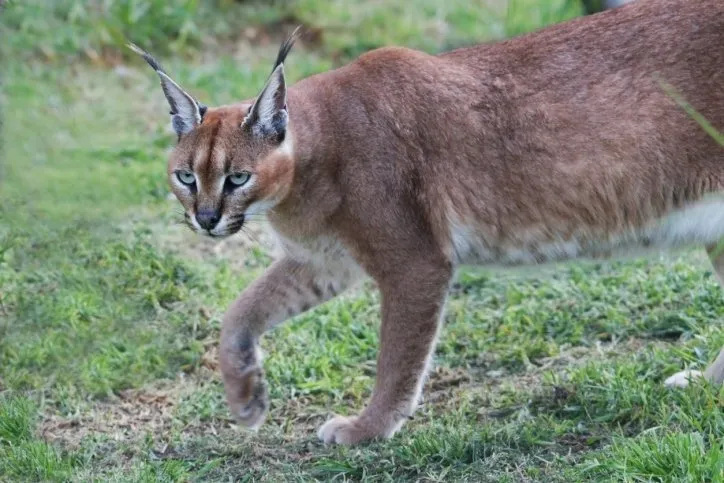 caracal
This medium-sized wild cat, known for its distinctive long, black ear tufts, inhabits parts of Africa, Central Asia, and Southwestern Asia. The caracal is a solitary and elusive hunter.
- Weight: 19 kg, 42 pounds, or approximately 2.6 bowling balls.
- Habitat: Africa, Central Asia, and Southwestern Asia.
9. Clouded Leopard (Neofelis nebulosa)
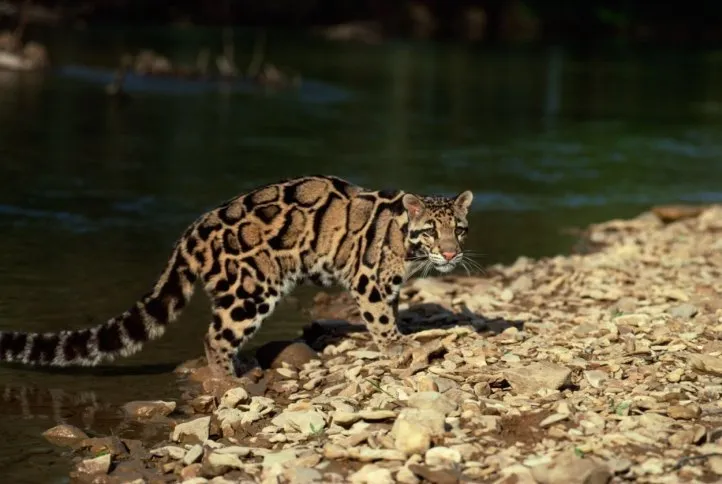 clouded leopard
Named for its spectacular coat patterns resembling clouds, the clouded leopard is a highly adaptable and agile climber. It is found in the forests from the Himalayas to Southeast Asia.
- Weight: 23 kg, 51 pounds, or approximately 3.2 bowling balls.
- Habitat: South of the Himalayas, including Nepal, Bhutan, and parts of Northeastern India.
8. Eurasian Lynx (Lynx lynx)
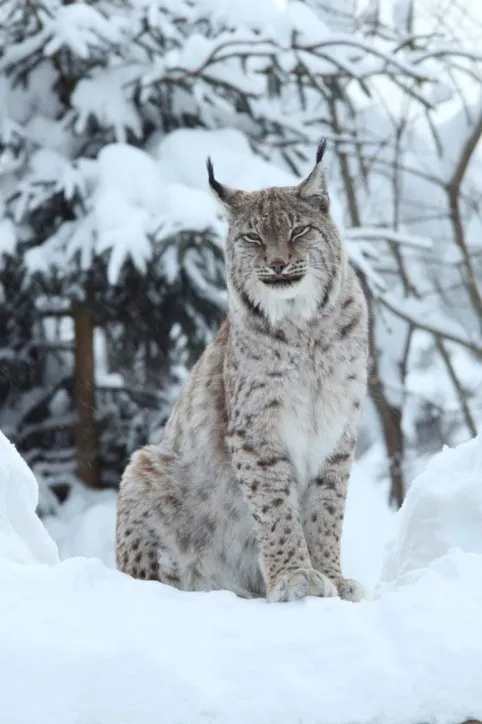 eurasian lynx
The Eurasian lynx is the largest of the lynx species, characterized by its short tail, tufted ears, and ruff of fur around its face. It roams vast forested areas across Europe and Asia.
- Weight: 36 kg, 79 pounds, or approximately 4.9 bowling balls.
- Habitat: From Western Europe to Russia, extending to Tibet and Central Asia.
7. Cheetah (Acinonyx jubatus)
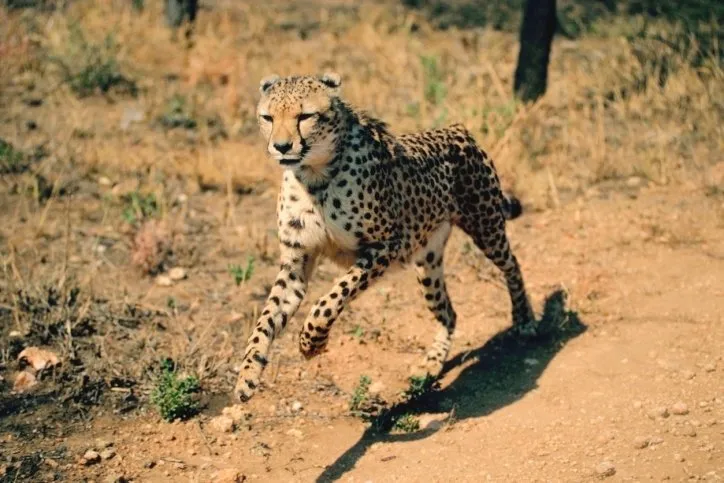 cheetah
Renowned as the fastest land animal, the cheetah is built for speed with its slender body, long legs, and semi-retractable claws. Its unique adaptations allow it to reach incredible speeds in pursuit of prey across open grasslands and savannas.
- Weight: 54 kg, 119 pounds, or approximately 7.4 bowling balls.
- Habitat: Sub-Saharan Africa and parts of Iran.
6. Leopard (Panthera pardus)
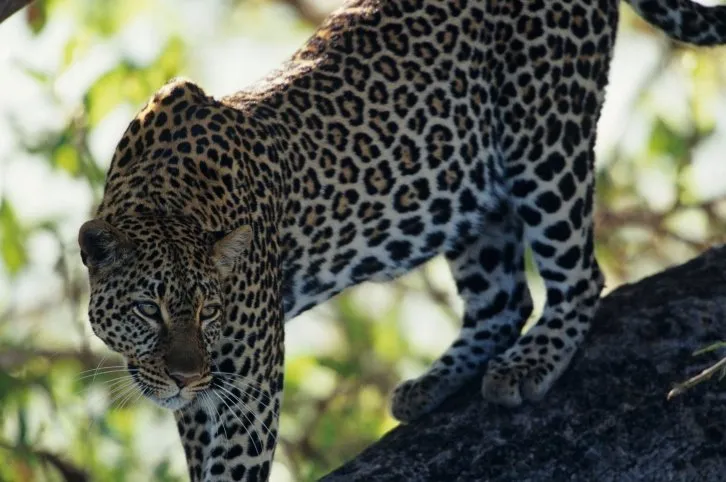 leopard
The leopard is a symbol of stealth and power, recognized by its spotted coat which provides excellent camouflage. This adaptable big cat can be found in diverse habitats across Africa and Asia, from forests to deserts.
- Weight: 65 kg, 143 pounds, or approximately 8.9 bowling balls.
- Habitat: Africa and Asia.
5. Snow Leopard (Uncia uncia)
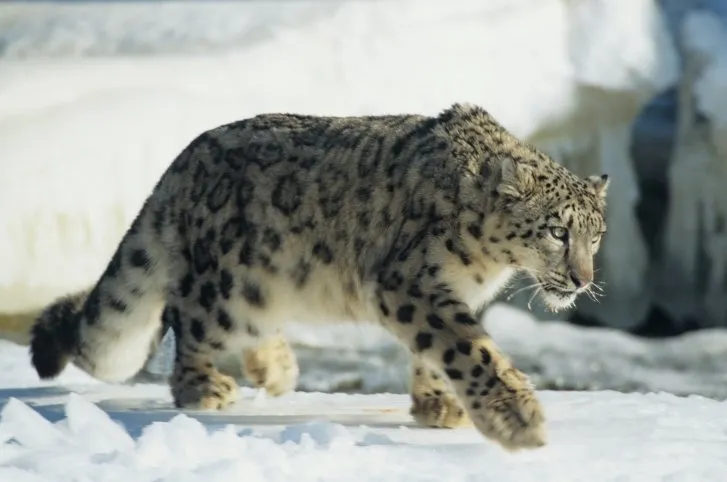 snow leopard
The elusive snow leopard, with its thick, smoky-grey coat and long, bushy tail, is perfectly adapted to the harsh, mountainous environments of Central Asia. Its powerful build and incredible agility allow it to navigate steep terrains and hunt in high altitudes.
- Weight: 75 kg, 165 pounds, or approximately 10.3 bowling balls.
- Habitat: Central Asia, extending to Northwestern China and Tibet.
4. Cougar (Also known as Puma or Mountain Lion) (Puma concolor)
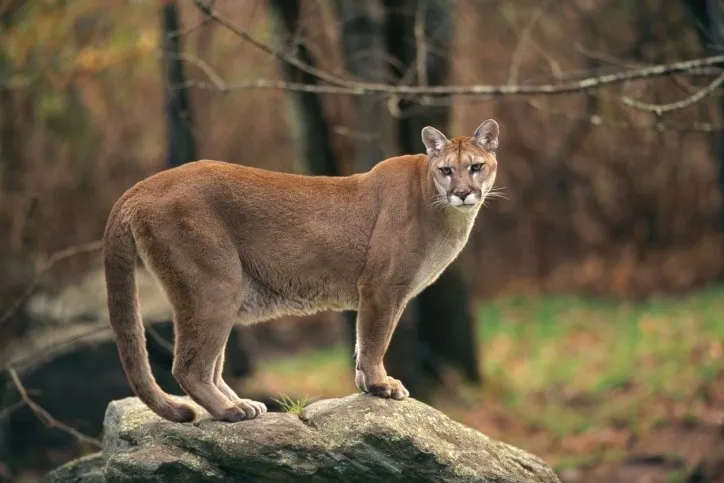 cougar
The cougar boasts the largest range of any wild terrestrial mammal in the Western Hemisphere, spanning from the Canadian Yukon to the southern Andes. This powerful and adaptable cat is a formidable predator capable of taking down prey much larger than itself.
- Weight: 120 kg, 264 pounds, or approximately 16.5 bowling balls.
- Habitat: From Southern Argentina and Chile to Southeastern Alaska.
3. Jaguar (Panthera onca)
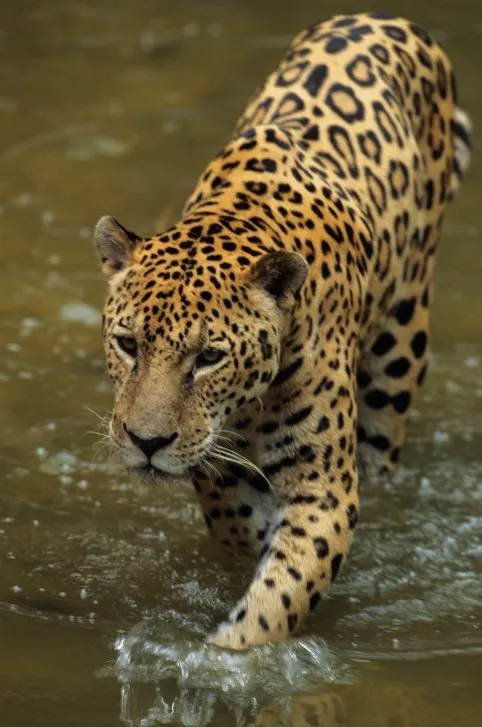 jaguar
The jaguar is the largest cat in the Americas, known for its powerful build and distinctive rosettes, which are larger than a leopard’s and often have spots inside. Jaguars are strong swimmers and often inhabit rainforests and wetlands.
- Weight: 136 kg, 299 pounds, or approximately 18.7 bowling balls.
- Habitat: Southern Arizona and New Mexico, extending to Northern Argentina and Northeastern Brazil.
2. Lion (Panthera leo)
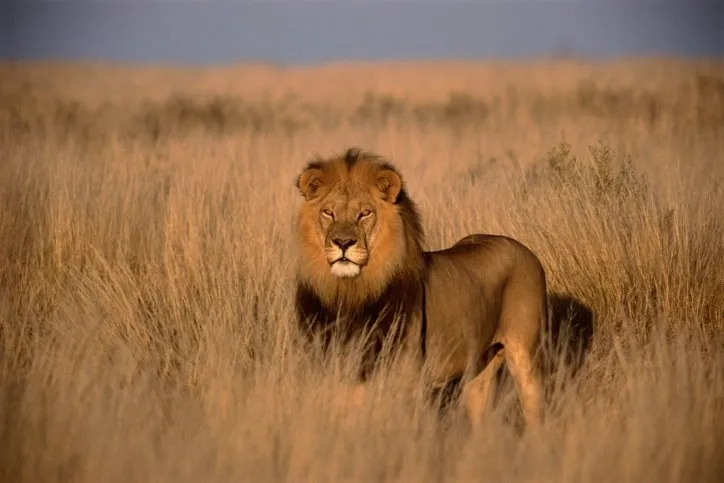 lion
lion
Lions are iconic for their social structure, living in prides. The “king of the jungle,” though more accurately found in savannas and grasslands, is a powerful apex predator. Males are distinguished by their impressive manes.
- Weight: 272 kg, 598 pounds, or approximately 37.4 bowling balls.
- Habitat: Sub-Saharan Africa, avoiding desert and rainforest environments.
1. Siberian Tiger (Panthera tigris)
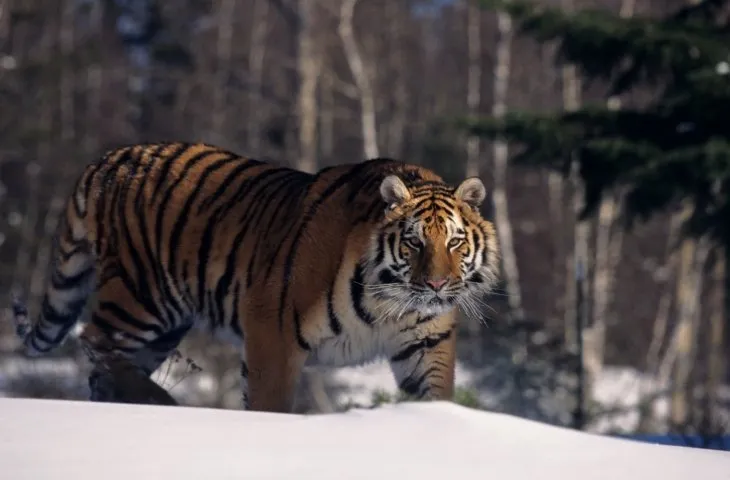 siberian tiger
The Siberian tiger, also known as the Amur tiger, is the largest of all living cat species. These magnificent big cats are powerful hunters adapted to the cold climates of the Russian Far East and northeastern China. Their striped coats provide camouflage in the snowy forests they call home.
- Weight: 423 kg, 931 pounds, or approximately 58.2 bowling balls.
- Habitat: Northeastern China, Korea, Russia, and parts of India and the Himalayas.
This countdown highlights the incredible power and diversity within the cat family, reminding us of the importance of conserving these magnificent creatures and their habitats.
Learn more about other incredible animals by exploring the Earth Rangers Podcast.
References:
animaldiversity.ummz.umich.edu/site/accounts/information/Caracal_caracal.html
animaldiversity.ummz.umich.edu/site/accounts/information/Neofelis_nebulosa.html
animaldiversity.ummz.umich.edu/site/accounts/information/Lynx_lynx.html
animaldiversity.ummz.umich.edu/site/accounts/information/Acinonyx_jubatus.html
animaldiversity.ummz.umich.edu/site/accounts/information/Panthera_pardus.html
animaldiversity.ummz.umich.edu/site/accounts/information/Uncia_uncia.html
animaldiversity.ummz.umich.edu/site/accounts/information/Puma_concolor.html
animaldiversity.ummz.umich.edu/site/accounts/information/Panthera_onca.html
animaldiversity.ummz.umich.edu/site/accounts/information/Panthera_leo.html
animaldiversity.ummz.umich.edu/site/accounts/information/Panthera_tigris.html
