
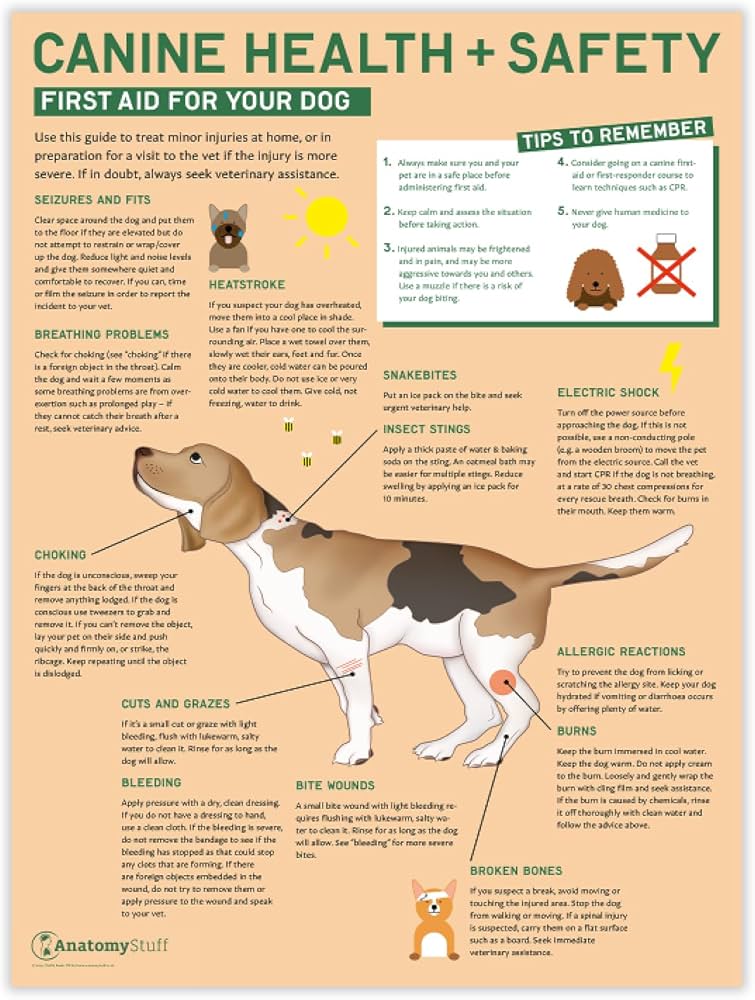
Caring for a dog’s wounds at home is a crucial skill for any pet owner, allowing for prompt attention to minor injuries and ensuring your furry friend’s comfort and recovery. This guide will walk you through the essential supplies and step-by-step process for managing simple dog wounds, as well as identifying critical situations that require immediate veterinary intervention. While major injuries necessitate professional care, understanding how to handle scrapes, cuts, and abrasions can make a significant difference in your dog’s healing process. Preparing a well-stocked dog first-aid kit is the first step in being ready for unexpected accidents.
Understanding Dog Wounds
A dog wound is any injury affecting a dog’s body. This can range from superficial scrapes to severe lacerations. For the purposes of at-home care, we are focusing on wounds that involve a break in the skin, such as minor cuts, scratches, and abrasions. It is critical to recognize that wounds in the mouth, suspected internal damage, or any wound that appears more serious than a minor cut or scrape require immediate veterinary attention.
Essential Supplies for Treating Dog Wounds
Having a dedicated pet first-aid kit is paramount. Here are the key items you should have readily available for dog wound care:
- Wound Spray (Pet-Safe): A pet-safe wound spray is essential for flushing and decontaminating the wound.
- Antimicrobial Wipes (Pet-Safe): These pet-safe wipes help clean minor skin injuries and prevent bacterial and fungal infections.
- Wound Ointment (Pet-Safe): Medical-grade honey ointments offer strong antibacterial properties beneficial for wound healing.
- Topical Cream for Inflammation: An enzymatic cream with hydrocortisone can alleviate itching and inflammation associated with conditions like hot spots.
- Styptic Powder: For minor cuts or broken nails, this powder is invaluable for stopping bleeding. It also contains benzocaine, a topical anesthetic to reduce pain.
- Gauze Pads: After cleaning, gauze pads help keep the wound clean during healing.
- Bandage Scissors (Blunt-Tipped): These bandage scissors are designed for safely cutting bandages and removing them without harming your pet.
- Rubber or Latex Gloves: Wear latex gloves to maintain hygiene and prevent transferring contaminants to your pet.
- Clippers: Use dog-safe clippers to carefully shave fur around the wound, aiding cleanliness and bandage adherence.
- Vet Wrap Bandage: This vet wrap bandage provides stability and protection for wounds on limbs.
- Recovery Cone: A recovery cone is essential to prevent your dog from licking or biting at the wound or bandage.
Step-by-Step Dog Wound Care at Home
When faced with a minor wound, follow these steps diligently:
- Assess Severity: Determine if the injury is minor (cut, scrape) or severe. If it’s anything more serious, proceed directly to veterinary care.
- Glove Up: Put on disposable gloves to ensure cleanliness.
- Clip Fur: Use clippers or scissors to carefully remove fur from the wound area. Remove any stray hairs from the wound itself during cleaning.
- Clean the Area: Begin by flushing the wound with water to remove loose debris. Follow up with wound spray and antimicrobial wipes for thorough cleaning.
- Control Bleeding: If there’s minor bleeding from cuts or nails, apply styptic powder.
- Apply Ointment: Gently apply a thin layer of pet-safe wound ointment, such as a medical-grade honey ointment for antibacterial properties or an anti-inflammatory cream for conditions like hot spots.
- Dress the Wound (If Necessary):
- For wounds on the body, an adhesive wound dressing secured with medical tape may be appropriate.
- For wounds on limbs or tails requiring bandaging, it is strongly recommended to seek veterinary guidance to prevent wrapping too tightly, which can be dangerous.
- Apply Recovery Cone: Fit your dog with a recovery cone to prevent them from accessing the wound or bandage.
- Monitor and Change Bandages: For bandaged wounds, change the dressing and clean the wound daily for the first three days, then every two to three days thereafter. This allows for close monitoring for signs of infection. For unbandaged wounds, follow the same cleaning schedule.
If you have any doubt about the depth of a wound or whether it requires stitches, contact your veterinarian immediately.
Signs a Tight Bandage Needs Veterinary Attention
If your dog has a bandage on a limb, watch for these signs that it might be too tight:
- Swelling below the bandage.
- Increased swelling between the toes.
- Discoloration or a purplish hue to the skin under the bandage.
- Your dog chewing or excessively licking the bandage or limb.
- Limping or lameness.
If any of these signs appear, contact your veterinarian promptly.
When Dog Wounds Constitute a Veterinary Emergency
Certain situations demand immediate emergency veterinary care:
- Serious Injuries: Wounds resulting from being hit by a car, gunshot, or other significant trauma.
- Uncontrolled Bleeding: If the wound is bleeding profusely and cannot be stopped.
- Signs of Infection: Redness, swelling, pus, or heat around the wound.
- Eye Injuries: Any wound involving the eye.
- Deep Wounds: Wounds that expose muscle or bone.
- Severe Burns: Including those from fires, fireworks, or hot surfaces.
- Open Fractures: A broken bone that pierces the skin.
- Degloving Injuries: Where the skin is torn away from underlying tissue.
- Puncture into Body Cavities: Wounds that penetrate the abdominal or chest cavity.
- Severe Pain or Distress: If your dog is in significant pain or shows signs of distress.
Additionally, consult your veterinarian before attempting at-home care for:
- Minor burns (e.g., hot pavement).
- Wounds near sensitive areas like the eyes, nose, ears, mouth, genitals, or anus.
- Bites from other animals.
- Recurring injuries, such as hot spots that repeatedly return.
If your dog is too distressed, fearful, or aggressive to allow for safe at-home wound care, seek professional veterinary assistance. A veterinarian is best equipped to handle their needs safely and effectively.
