
Introduction to Feline Weight Management
Ensuring your cat maintains a healthy weight is crucial for their overall well-being and longevity. Overweight cats are susceptible to various health issues, including diabetes, arthritis, and heart disease. A specially formulated diet is a cornerstone of safe and effective feline weight loss. The best weight loss foods for cats are typically lower in calories and fat than standard formulas, while providing a higher concentration of nutrients per serving. Many of these specialized diets also incorporate increased fiber content, which helps cats feel fuller for longer, even when consuming fewer calories. Understanding the root causes of weight gain, such as aging, reduced mobility, excessive calorie intake, and hormonal changes from spaying or neutering, is the first step in addressing the issue. Consulting with your veterinarian is paramount to determine your cat’s specific daily calorie needs and to select an appropriate weight management diet. Proper portion control, guided by your vet, is essential to help your cat achieve and maintain a healthy weight. However, it’s important to note that simply reducing food portions without a proper diet can be detrimental, potentially leading to nutritional deficiencies.
Understanding the Causes of Feline Weight Gain
Several factors can contribute to a cat gaining excess weight. As cats age, their metabolism naturally slows down, and their activity levels may decrease, making them more prone to weight gain if their diet isn’t adjusted accordingly. Reduced mobility, whether due to age, injury, or underlying health conditions, also plays a significant role. Consuming more calories than the cat expends is the fundamental reason for weight gain. This can be exacerbated by overfeeding, frequent high-calorie treats, or diets not suited for their activity level.
Furthermore, a lack of sufficient mental and physical exercise can contribute to a sedentary lifestyle, where energy expenditure is minimal. Spaying or neutering, while vital for a cat’s long-term health and preventing unwanted litters, can also lead to a slight decrease in metabolic rate, potentially contributing to gradual weight gain if not managed through diet and exercise.
Key Considerations for Choosing Weight Loss Cat Food
When selecting the best weight loss foods for cats, several criteria are essential to ensure both effectiveness and safety. Veterinarians emphasize the importance of specific features in these specialized diets.
AAFCO Nutritional Adequacy Statement
The Association of American Feed Control Officials (AAFCO) provides nutritional guidelines for pet food. A food bearing an AAFCO statement for “adult maintenance” or “all life stages” indicates that it meets the general nutritional requirements for cats. However, for weight management foods, it’s crucial that the serving sizes are appropriate to prevent nutritional deficiencies. It’s important to remember that weight management foods are not typically suitable for growing kittens, even if labeled for “all life stages,” as kittens have higher caloric and nutrient needs. Consult your veterinarian for guidance on kitten nutrition and weight.
Guaranteed Analysis and Nutrient Profiles
The guaranteed analysis on a cat food label provides the minimum percentages of key nutrients like protein and fat, and maximum percentages of fiber. For adult cats, including seniors, a minimum of 26% protein and 9% fat on a dry matter basis is generally recommended. Weight loss formulas typically feature low to moderate fat content and high fiber to promote satiety. Examining these profiles is vital to ensure the food meets your cat’s specific needs.
Ingredient List
Ingredients are listed in order of weight. As obligate carnivores, cats require diets rich in animal-based proteins. Therefore, whole meats, meat meals, or animal byproducts should be primary ingredients. For added fiber, look for complex carbohydrates like whole corn, brown rice, oats, or sources of inulin such as chicory root.
Expert Formulation and Manufacturing Standards
Brands that employ board-certified veterinary nutritionists or PhD-level animal nutritionists are more likely to produce well-formulated diets that meet nutritional recommendations. Transparency regarding quality control measures, testing frequency, and results is also a sign of a trustworthy brand, aligning with guidelines from organizations like the World Small Animal Veterinary Association (WSAVA).
Calorie Content
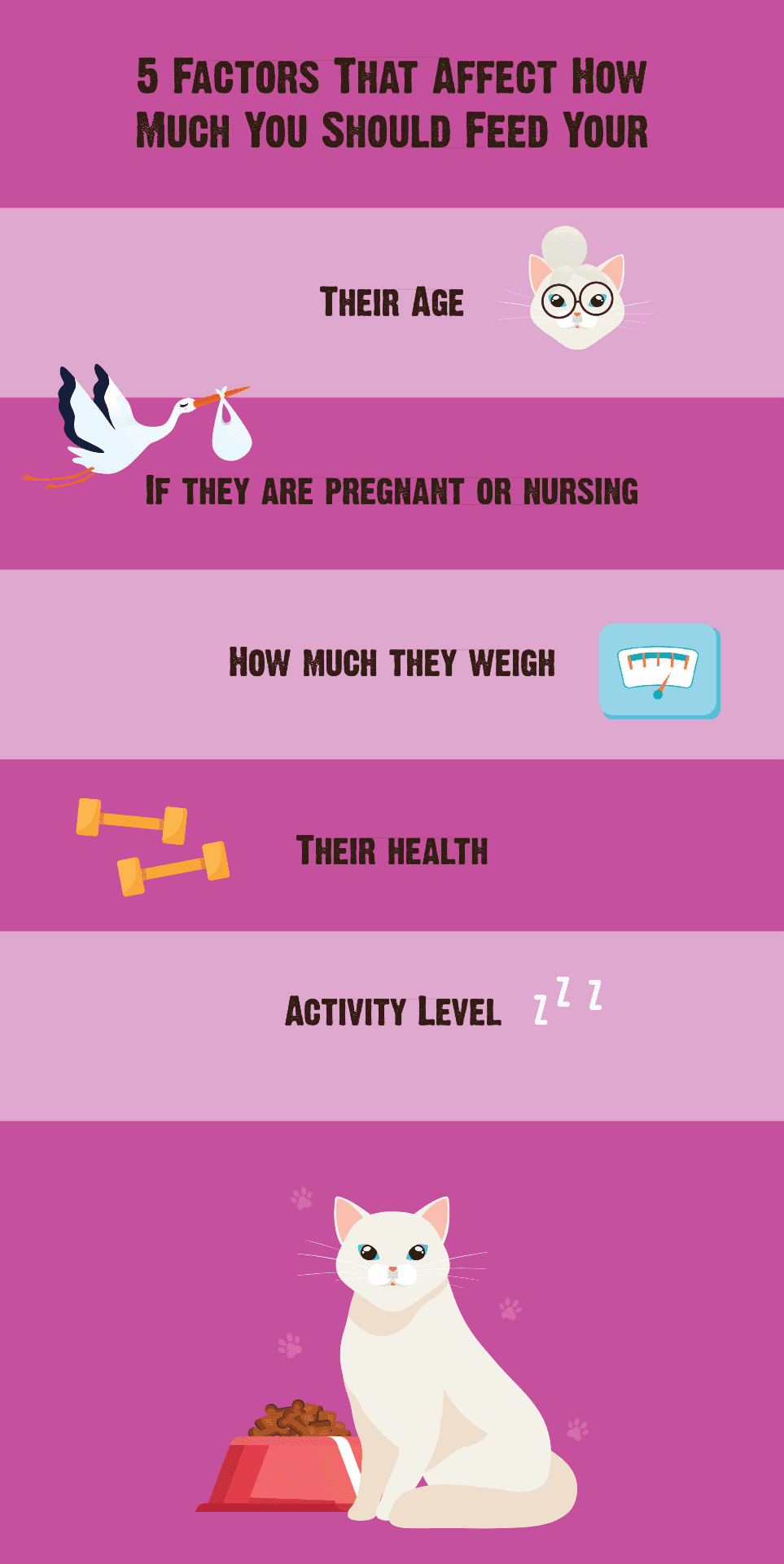
Weight management foods are designed to be nutrient-dense but lower in calories per serving. The precise caloric needs of a cat vary based on age, ideal weight, activity level, and overall health. Switching to a lower-calorie food and adjusting portion sizes, alongside increased exercise, is a recommended approach for mildly overweight cats. For obese cats, a prescription weight loss diet may be necessary, as determined by a veterinarian.
Top Picks for the Best Weight Loss Foods for Cats
Based on expert consultations and nutritional guidelines, several cat foods stand out for their effectiveness in supporting feline weight loss.
Best Wet Food Overall
Hill’s Science Diet Perfect Weight Roasted Vegetable and Chicken Medley is a top choice for wet food. This formula features chicken and pork liver as primary protein sources, complemented by powdered cellulose for fiber to promote fullness. It also contains L-carnitine, an amino acid that aids in fat metabolism. Its nutrition profile is approximately 38.8% protein, 11.9% fat, and 9.2% fiber on a dry matter basis, with about 62 kcal per 2.9-ounce can. [cite:INDEX]
Royal Canin Weight Care Adult Dry Cat Food is another highly recommended option. This dry food is formulated with chicken meal as a key protein source and includes fiber from psyllium seed husk and beet pulp. It also contains L-carnitine for fat burning and omega-3 fatty acids to help reduce inflammation. Its nutritional breakdown is around 34% protein, 8.4% fat, and 11.2% fiber, with approximately 254 kcal per cup. [cite:INDEX]
Best Budget-Friendly Options
For owners seeking more affordable solutions, Purina ONE +Plus High Protein Chicken (dry) and Blue Buffalo True Solutions Weight Control Chicken Recipe (wet) offer good value. The Purina ONE option provides animal protein sources like chicken and chicken byproduct meal, along with fiber from corn and cellulose, L-carnitine, and L-lysine for immune support. It boasts approximately 41% protein, 8.5% fat, and 6% fiber, with around 385 kcal per cup. [cite:INDEX] The Blue Buffalo wet food lists chicken, chicken liver, and whitefish as its main proteins, incorporating fiber from brown rice and powdered cellulose, plus L-carnitine. It offers about 38.8% protein, 11.9% fat, and 9.2% fiber, with roughly 86 kcal per 3-ounce can. [cite:INDEX]
Best for Senior Cats
Senior cats often require specialized nutrition to manage weight and support age-related health concerns. Iams Proactive Health Healthy Senior Chicken Recipe (dry) is a suitable choice, containing chicken, chicken byproduct meal, and dried egg product as protein sources. It includes fiber from beet pulp and whole grain corn, along with fish oil for skin and brain health. Its profile is about 34% protein, 17% fat, and 3% fiber, with approximately 399 kcal per cup. [cite:INDEX] Royal Canin Feline Health Nutrition Weight Care (senior wet food) also supports senior weight management with animal proteins like pork byproducts and chicken, L-carnitine, fiber, glucosamine, and chondroitin for joint health. It contains approximately 57.12% protein, 15.36% fat, and 4.38% fiber, with about 65 kcal per 3-ounce can. [cite:INDEX]
Implementing a Weight Loss Plan for Your Cat
Successful feline weight loss hinges on a combination of a balanced diet, precise portion control, and consistent exercise.
The Role of Diet and Portion Control
A dedicated weight management food is crucial, but the quantity fed is equally important. Veterinarians stress the significance of accurate portioning, often recommending the use of kitchen scales or specially calibrated measuring cups. Treats should be factored into the daily calorie intake; opting for a small portion of the cat’s regular meal as a reward can be a healthier alternative to commercial treats, which often provide empty calories.
The Importance of Exercise
Exercise is vital, especially for indoor cats, to burn calories and prevent boredom-induced overeating. Engaging cats in play sessions using interactive toys, puzzle feeders, or vertical spaces like cat trees can encourage activity. Slow feeders and food puzzles can also help by mimicking natural foraging behaviors, slowing down consumption, and providing mental stimulation.
Monitoring Progress and Veterinary Consultation
Regular monitoring of your cat’s weight is essential. Your veterinarian can utilize the Body Condition Scoring (BCS) system to assess body fat and adjust caloric intake as needed. Gradual weight loss, typically at a rate of 1% to 2% of body weight per week, is recommended to prevent health complications such as muscle loss and hepatic lipidosis (fatty liver disease). For cats significantly overweight, your vet may prescribe a therapeutic diet and a structured weight loss plan.
Frequently Asked Questions About Cat Weight Loss Food
What is the best food for cats to lose weight?
The most effective foods are specifically formulated and labeled as “weight management,” “weight loss,” or “healthy weight” cat food. These diets are lower in calories and fat but nutrient-dense. However, the ideal food is personalized to your cat’s individual needs, age, and health status, making veterinary consultation essential. [cite:INDEX]
Is wet or dry cat food better for weight loss?
Both can be effective, but wet food often has an advantage due to its higher moisture content, which aids satiety, and typically lower calorie density per bite. Dry food can also support weight loss if it’s low-calorie, high-fiber, and portions are meticulously measured. [cite:INDEX]
How long should it take a cat to lose weight?
A safe and healthy rate of weight loss for cats is approximately 1% to 2% of their body weight per week. Rapid weight loss can lead to serious health issues like hepatic lipidosis. [cite:INDEX]
Conclusion
Choosing the right food and implementing a consistent weight management plan are key to helping your cat achieve and maintain a healthy weight. By working closely with your veterinarian, understanding the nutritional needs of your feline companion, and incorporating regular exercise, you can significantly improve your cat’s quality of life and longevity. Remember that patience and consistency are vital throughout the weight loss journey.
