
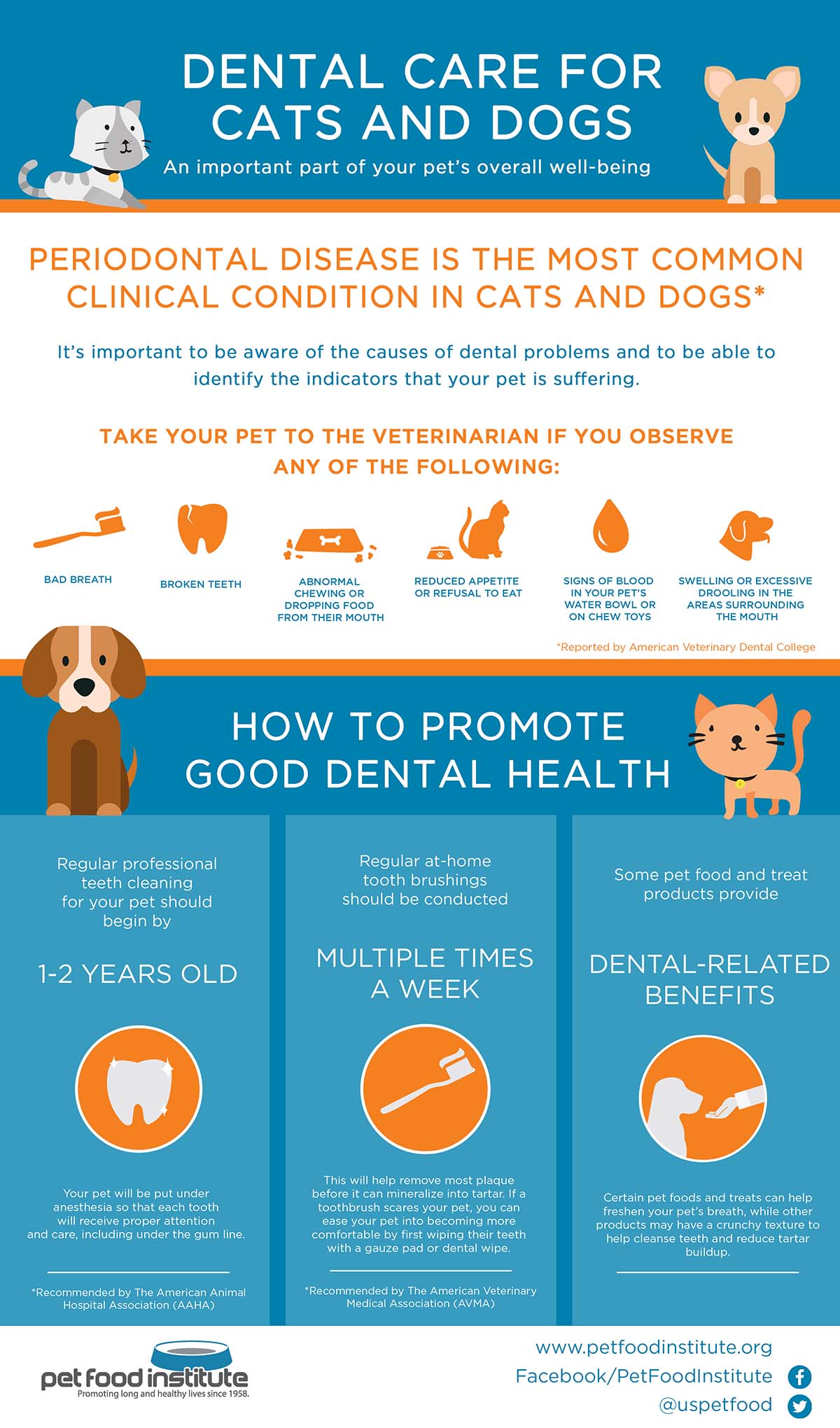
Maintaining your dog’s dental health is a crucial aspect of their overall well-being, yet it’s an area where many pet parents find themselves falling behind. For specific breeds prone to dental issues, such as Greyhounds and all small-breed dogs, or for those with a history of dental problems, a comprehensive at-home care routine is essential, complementing regular professional cleanings at the veterinarian’s office. The market offers a wide array of products designed to support canine dental health, including dental chews, toothpastes, food additives, and water enhancers, which can be overwhelming for owners seeking the best approach. Fortunately, the Veterinary Oral Health Council (VOHC) provides guidance by reviewing products and awarding their seal of approval to those that demonstrably reduce plaque and tartar buildup by at least 20%. You can consult their website, VOHC.org, to identify approved brands before making purchasing decisions.
Regularly brushing your dog’s teeth using canine-specific toothpaste stands out as the most effective method for preventing plaque and tartar accumulation. While brushing is ideal, dental powders, water additives, treats, and prescription diets can serve as valuable alternatives, especially for dogs that resist tooth brushing. It’s important to remember that professional dental cleanings are indispensable, as at-home care alone cannot fully remove tartar, particularly below the gumline.
Expert-Approved Dog Dental Care Strategies
Implementing a few vet-approved dental care tips can significantly contribute to your dog’s health and happiness.
1. Regular Tooth Brushing with Canine Toothpaste
Many dogs actually enjoy having their teeth brushed, especially when canine toothpaste, often flavored with appealing tastes like chicken, beef, or peanut butter, is used. If your dog has food allergies, it’s vital to select toothpaste flavors carefully and consult your veterinarian for recommendations if your pet is on a restricted or hydrolyzed diet. Dogs that are food-motivated and can remain still for a short period typically adapt well to teeth brushing. For larger breeds, a standard human toothbrush can be effective, while smaller dogs may benefit more from a baby toothbrush or a fingertip brush. Many kits are available that include toothpaste, a regular brush, and a fingertip brush, offering a convenient all-in-one solution.
To brush your dog’s teeth, slightly dampen the toothbrush, apply a layer of toothpaste, and then proceed with brushing. If your dog is uncomfortable with you brushing the inside surfaces of their teeth, focus on the outer surfaces – this is still beneficial. Rinsing the toothpaste is not necessary. Aim to brush your dog’s teeth two to three times a week; however, daily brushing would be ideal if time permits and your dog tolerates it well. If you have any concerns about your dog biting you, do not attempt to brush their teeth and explore alternative methods instead.
2. Incorporating Dental Powder into Meals
Products like VetriScience Perio Support offer a flavored dental powder that can be easily sprinkled over your dog’s food. This powder contains probiotics that help foster healthy bacteria in your dog’s mouth while simultaneously combating plaque-forming bacteria. Administering this powder with every meal can help freshen your dog’s breath and prevent the buildup of tartar and plaque on their teeth.
3. Utilizing Water Additives
Various water additives are available for dogs, designed to be tasteless and added to your dog’s water bowl daily according to the product’s instructions. This solution aids in freshening your dog’s breath and eliminates plaque-building bacteria within their mouth. These products can be a convenient way to supplement your dog’s dental hygiene.
4. Exploring Prescription Dental Diets
For dogs that are resistant to other dental care methods or are particularly prone to periodontal disease, veterinary dental diets may be a suitable option. These diets are clinically formulated to help reduce dental disease. As your dog chews the kibble, it helps to clean the tooth surfaces, thereby reducing tartar buildup. Additionally, these foods often contain ingredients that help to combat bacteria responsible for plaque and tartar formation. Since these specialized diets require a veterinarian’s prescription, discuss with your vet whether one of these formulas is appropriate for your individual pet. You might consider options such as healthy things for dogs to eat as a broader dietary approach.
5. Offering Dental Treats and Chews
When selecting dental treats or chews for your dog, look for the Veterinary Oral Health Council’s (VOHC) Seal of Acceptance. This seal confirms that the product aids in controlling tartar buildup. For example, OraVet chews, given daily, help reduce plaque and tartar and create a protective barrier on the teeth, making it more difficult for bacteria to adhere and form tartar. Similarly, Purina Pro Plan Veterinary Diets Dental Chewz are effective in significantly reducing tartar buildup and can be given occasionally as treats.
6. Scheduling Regular Professional Dental Cleanings
Despite diligent at-home dental care, tartar will inevitably accumulate on your dog’s teeth over time. Just as humans require periodic professional dental cleanings, so do dogs. When visible tartar and gingivitis are present, your veterinarian will likely recommend a dental cleaning, also known as dental prophylaxis. It is essential to schedule your dog’s annual wellness exam, during which their oral health should be thoroughly checked.
Professional cleaning requires general anesthesia for your dog, allowing the veterinarian to meticulously remove all tartar, including that which has formed below the gumline. The frequency of these cleanings varies depending on the dog’s breed, genetics, diet, and the effectiveness of their home dental care routine. Regular check-ups at a pet hospital are a good way to ensure these needs are met.
The Significance of Dog Dental Care
Dental health is paramount for dogs to live long and healthy lives. Bacteria that accumulate in the mouth can lead to tartar formation on the teeth. If left untreated, these bacteria can penetrate below the gumline, causing infection in the tooth roots and potentially spreading into the bloodstream. Once in the bloodstream, bacteria can affect other vital organ systems, including the heart and kidneys.
Dogs suffering from dental disease are at a significantly higher risk of developing chronic conditions such as chronic kidney disease and heart disease. Beyond the risk of other systemic diseases, dogs with dental issues often experience chronic pain from infected teeth, which may manifest as dropping food frequently or showing reluctance to eat. Infected tooth roots can also lead to abscess formation, resulting in painful swelling beneath the eye on the affected side of the face. Maintaining a consistent dental care routine is fundamental for your dog’s health, happiness, and longevity. For comprehensive care, consulting with a vet care professional is always recommended.
