
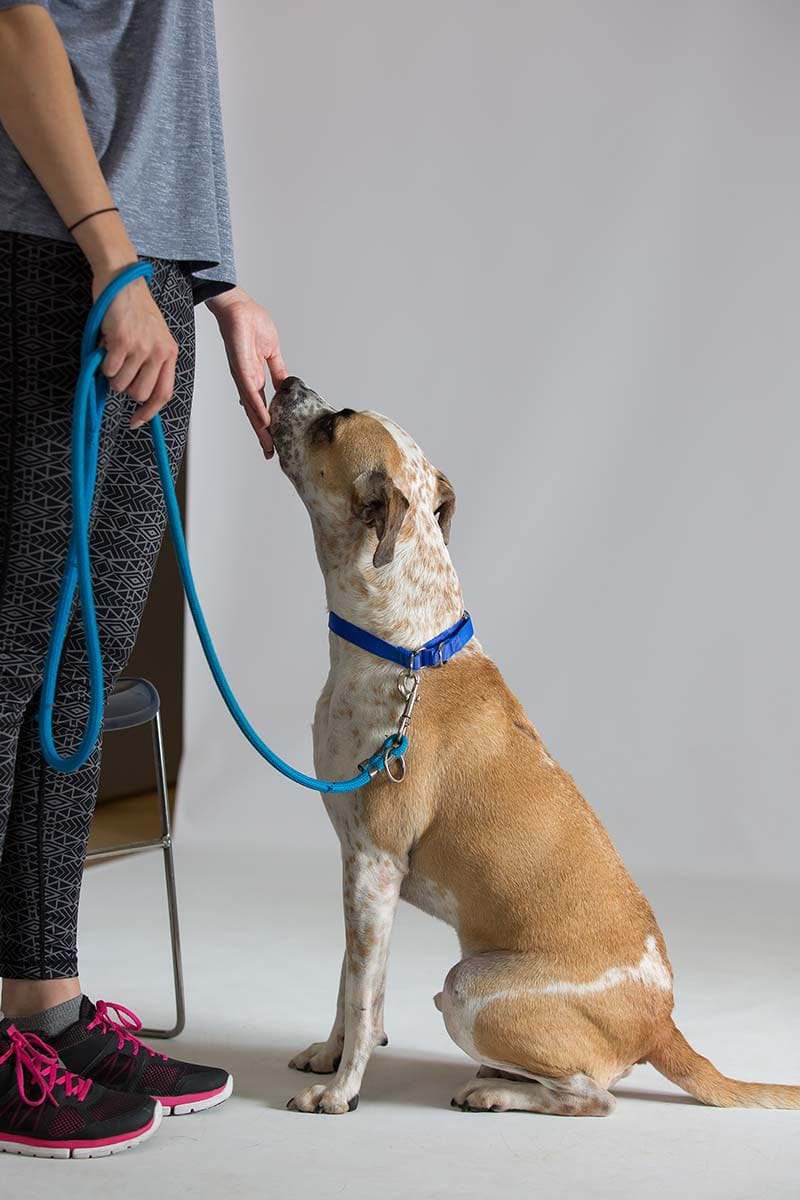
Are you looking for the Best Training Tools For Dogs to help your furry companion learn and grow? Training your dog is a rewarding experience, but having the right equipment can make all the difference. From basic obedience to advanced tricks, the journey of dog training is much smoother and more effective with the proper tools. This guide will walk you through essential training tools that cater to various training needs and styles.
Understanding the Importance of Training Tools
Before diving into specific tools, it’s crucial to understand why they are so important. Training tools are not about control; they are about clear communication and effective reinforcement. They help bridge the gap between your intentions and your dog’s understanding. Well-chosen tools can:
- Improve communication: Tools provide a consistent way to signal desired behaviors.
- Enhance reinforcement: Many tools are designed to deliver rewards or acknowledge correct actions.
- Ensure safety: Certain tools, like harnesses and long leashes, are vital for safety during training walks and in public.
- Increase engagement: Interactive toys and treat dispensers can make training sessions more enjoyable and motivating for your dog.
- Address specific challenges: Tools can be instrumental in overcoming behavioral issues like excessive barking or pulling on the leash.
Essential Training Tools for Every Dog Owner
When selecting training tools, consider your dog’s breed, size, temperament, and your training goals. What works for a tiny Chihuahua might not be suitable for a large German Shepherd.
1. Collars and Harnesses: The Foundation of Control and Safety
The first tools most owners acquire are for identifying and controlling their dog.
- Flat Buckle Collars: These are standard for ID tags. For training, they are generally only suitable for dogs who already have good leash manners. Ensure a comfortable, snug fit – you should be able to fit two fingers between the collar and your dog’s neck.
- Martingale Collars: Also known as “limited-slip” collars, these are excellent for dogs with slim heads (like sighthounds) or those who tend to back out of traditional collars. They tighten slightly when the dog pulls, providing a gentle cue to stop, but prevent choking.
- Head Halters (e.g., Gentle Leader, Halti): These fit over a dog’s muzzle and behind the ears. They offer excellent control for strong pullers by gently guiding the head in the direction you want the dog to go. It may take time for a dog to adjust to wearing one.
- Front-Clip Harnesses: These are a fantastic alternative to collars for dogs that pull. The leash attaches to a ring on the dog’s chest. When the dog pulls, it gently turns them back towards you, discouraging pulling without causing discomfort or restricting movement.
- Back-Clip Harnesses: These are great for dogs that don’t pull excessively and are ideal for dogs prone to neck issues. The leash attaches to a ring on the dog’s back. They distribute pressure across the chest and back.
2. Leashes: Connecting You to Your Canine Companion
The leash is your primary communication line during walks and training.
- Standard Flat Leashes (4-6 feet): Made of nylon or leather, these are the go-to for everyday walks and basic obedience training. They provide good control in most situations.
- Long Leashes (15-30 feet or more): Often made of nylon or biothane, these are invaluable for recall training and allowing dogs more freedom to explore at a safe distance, especially in open, safe areas. They are not recommended for use in busy public places.
- Retractable Leashes: While popular, these are generally not recommended by professional trainers for training purposes. They can teach dogs to pull, can snap unexpectedly, and pose a safety risk.
3. Clickers and Positive Reinforcement Tools
These tools are central to marker training, a highly effective positive reinforcement method.
- Clickers: A small, handheld device that makes a distinct “click” sound. The click acts as a precise marker, telling the dog exactly when they’ve performed the desired behavior. This is followed immediately by a reward. Consistency is key; the click should always mean a reward is coming. Learning to use a clicker effectively is like learning clicker to train dogs.
- Treat Pouches/Bags: Essential for keeping high-value treats readily accessible during training sessions. Look for ones with secure closures and easy access so you can reward your dog instantly. Having the right dog treats for puppy training in your pouch makes training much more efficient.
4. High-Value Rewards: Motivating Your Dog
Rewards are the cornerstone of positive reinforcement.
- Training Treats: Small, soft, and highly palatable treats that your dog absolutely loves. They should be different from their regular kibble to make them extra motivating. Consider size – small training treats prevent overfeeding.
- Toys: For some dogs, particularly those with high play drives, a favorite toy can be an even greater reward than food. Tug toys or squeaky balls can be used as a jackpot reward for complex behaviors or as a reward for a job well done.
5. Puzzle Toys and Food Dispensers: Mental Stimulation and Engagement
These tools provide mental enrichment and can be used during training or as a way to keep your dog occupied.
- Kongs: Classic rubber toys that can be stuffed with treats, peanut butter, yogurt, or kibble. Freezing them makes them last longer and provides a more challenging mental task.
- Snuffle Mats: Fabric mats with various folds and pockets where you can hide kibble or treats. They encourage natural foraging behaviors and slow down fast eaters.
- Interactive Puzzle Feeders: These range from simple treat balls to complex multi-level puzzles that require dogs to slide, lift, or flip components to get to the food. They are excellent for building problem-solving skills.
6. Muzzles: Safety and Prevention
While often misunderstood, muzzles are crucial safety tools. They should never be used to punish a dog or as a substitute for training. A well-fitted basket muzzle allows a dog to pant, drink, and take treats while preventing them from biting. They are essential for:
- Veterinary visits for anxious or reactive dogs.
- Grooming sessions for dogs that may be uncomfortable.
- Managing dogs with a bite history to ensure the safety of others.
- Allowing dogs to experience new environments safely.
Getting a dog accustomed to wearing a muzzle requires patience and positive reinforcement, much like introducing any new tool.
Choosing the Right Tools for Your Dog
Consider these factors when selecting training tools:
- Dog’s Size and Breed: A tool suitable for a Great Dane will likely be too large and cumbersome for a Yorkshire Terrier.
- Dog’s Temperament: A sensitive dog may do best with softer, less intrusive tools, while a more boisterous dog might need more robust equipment.
- Training Goals: Are you focusing on basic obedience, leash manners, recall, or addressing a specific behavioral issue?
- Your Comfort Level: You should feel confident and comfortable using the tools. If you’re unsure, seek guidance from a professional dog trainer. For instance, if you’re struggling with specific behaviors in your area, you might look into dog training in texas or other local resources.
Integrating Tools into Your Training Plan
Remember, tools are aids, not replacements for consistent training, patience, and positive reinforcement.
- Introduce Tools Gradually: Allow your dog to become comfortable with new equipment before expecting them to perform under pressure. Use positive association, like pairing a new harness with treats.
- Focus on Positive Reinforcement: Always pair the use of training tools with rewards for correct behavior. The goal is to build positive associations.
- Seek Professional Guidance: If you are struggling with a particular training challenge or are unsure about which tools to use, consulting a certified professional dog trainer can provide personalized advice and support. They can offer tailored solutions, perhaps even for specific areas like dog training johnson city tn.
- Consistency is Key: Use the tools consistently during training sessions. This helps your dog understand the cues and expectations.
Conclusion: Empowering Your Training Journey
The right training tools can significantly enhance your ability to communicate with and guide your dog. By understanding the purpose of each tool and selecting those that best suit your dog’s individual needs, you can build a stronger bond and achieve your training goals more effectively. Whether you’re working on simple commands or complex behaviors, the best training tools for dogs are those that foster trust, clear communication, and a positive training experience for both you and your canine companion. Invest in quality tools and consistent training, and you’ll be well on your way to a happy, well-behaved dog.
