
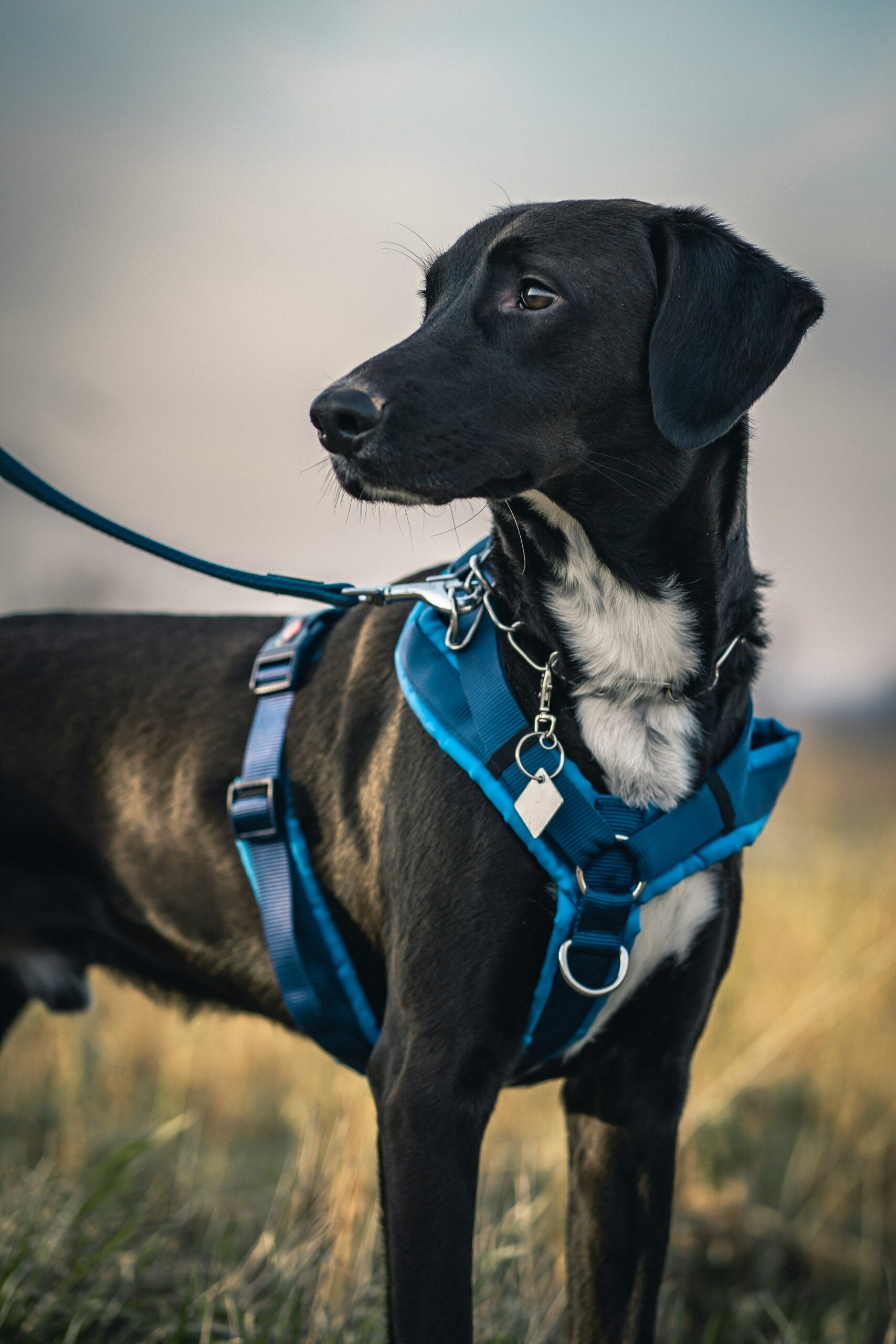
Training your dog is one of the most rewarding experiences you can share, and having the right equipment can make all the difference. Among the essential tools for successful dog training, the leash stands out. But with so many options available, how do you choose the best training leash for dogs? This guide will walk you through everything you need to know, from understanding different leash types to selecting the perfect one for your canine companion’s needs.
Why the Right Leash Matters for Dog Training
A training leash isn’t just about keeping your dog by your side; it’s a communication tool. It allows you to guide your dog, teach them commands, and correct unwanted behaviors safely and effectively. The wrong leash can be frustrating for both you and your dog, potentially leading to tangled messes, lack of control, or even injury.
The primary goals of using a training leash include:
- Establishing control: Allowing you to manage your dog’s movements and prevent them from running off or getting into dangerous situations.
- Teaching loose-leash walking: This is a fundamental skill for any dog owner, ensuring walks are enjoyable for everyone.
- Facilitating specific training exercises: Certain training techniques, like recall or advanced obedience, require a reliable leash.
- Ensuring safety: Preventing your dog from encountering traffic, other animals, or hazards.
Types of Training Leashes Explained
Understanding the different types of leashes available is the first step in choosing the best training leash for your dog. Each type serves a specific purpose and is suited for different training scenarios and dog breeds.
1. Standard Flat Leashes
These are the most common type of leash, typically made of nylon or leather, and come in various lengths (usually 4 to 6 feet).
- Pros:
- Versatile and durable.
- Easy to find and relatively inexpensive.
- Good for everyday walks and basic obedience.
- Cons:
- Can be a bit basic for advanced training.
- May not offer enough control for strong pullers.
A 6-foot flat nylon leash is a fantastic starting point for most puppies and well-behaved adult dogs. It offers a good balance of freedom and control.
2. Martingale Collars and Leashes (often used together)
While a martingale is a type of collar, it’s often paired with a specific leash. The martingale collar is designed to tighten slightly when the dog pulls, providing a gentle cue to slow down, but it won’t choke the dog.
- Pros:
- Effective for dogs with narrow heads (like greyhounds) that can slip out of regular collars.
- Provides a gentle correction without causing harm.
- Cons:
- Requires careful fitting to be effective and safe.
- Not ideal for continuous strong pulling.
3. Slip Lead Leashes
A slip lead is a leash and collar in one, forming a loop that tightens when the dog pulls. They are often used by professional trainers and shelter staff.
- Pros:
- Simple to use, no separate collar needed.
- Effective for quick control and training.
- Cons:
- Can be too harsh if used incorrectly or with excessive force.
- Not suitable for dogs that constantly pull.
4. Training Leashes (or Control Leashes)
These leashes are specifically designed for training purposes and often feature multiple adjustment points or handles for better control. Some might be extra long for recall training.
- Pros:
- Offer enhanced control and versatility for various training exercises.
- Can have added features like padded handles for comfort.
- Cons:
- Can be more expensive than standard leashes.
5. Retractable Leashes
Retractable leashes offer a long length of cord or tape that can be extended or retracted with a button.
- Pros:
- Allow dogs a greater range of motion.
- Can be useful for allowing dogs to explore safely in open areas.
- Cons:
- Generally not recommended for training. They offer less control, can teach dogs to pull against the resistance, and pose a significant safety risk due to potential breakage or the handler losing grip.
For serious training, it’s best to avoid retractable leashes. They undermine the goal of teaching your dog to walk calmly on a loose leash.
Key Features to Consider When Choosing the Best Training Leash for Dogs
Beyond the type of leash, several features can impact its effectiveness and your experience.
Length
- 4-6 feet: Ideal for most everyday walks and basic obedience training. This length allows for good control and keeps your dog close.
- 7-10 feet: Useful for longer-distance training or when you want to give your dog a bit more freedom to sniff and explore while still maintaining control.
- Longer leashes (15-30+ feet): Primarily used for recall training in safe, open areas where your dog can learn to come back to you from a distance.
Material
- Nylon: Durable, lightweight, water-resistant, and easy to clean. It’s a popular choice for its versatility.
- Leather: Strong, comfortable to grip, and develops a nice patina over time. It can be more expensive and requires conditioning.
- Rope/Biothane: Modern materials offering excellent durability, grip, and water resistance. Biothane is particularly popular for its low maintenance and excellent grip, even when wet.
Handle Design
- Standard loop handle: The most common type, offering a comfortable grip for walks.
- Traffic handle: A second, shorter handle located closer to the clasp. This is invaluable for quickly gaining more control in busy areas or when passing other dogs.
- Padded handles: Offer extra comfort, especially for long walks or if your dog is a strong puller.
Clasp Type
- Bolt snap: A simple and common clasp. Ensure it’s sturdy and the right size for your dog’s collar or harness.
- Trigger snap: Offers a more secure connection with a spring-loaded trigger.
- Swivel clasp: Prevents the leash from twisting and tangling, which is a great feature to have.
Top Picks for the Best Training Leash for Dogs
Based on the features discussed, here are some types of leashes that excel in training scenarios.
1. The Versatile 6-Foot Nylon Leash
This is your workhorse. For general obedience and everyday walks, a well-made 6-foot nylon leash is hard to beat. Look for one with a comfortable loop handle and a sturdy, swivel clasp. It’s a fundamental tool for teaching your dog to walk nicely beside you without pulling. If you’re just starting, consider one with a traffic handle for added security.
2. The Dual-Handle Control Leash
For dogs that are still learning or have energetic temperaments, a leash with two handles can be a game-changer. One handle is at the end of the leash, and another is placed about 1-2 feet from the clasp. This setup allows you to switch between giving your dog more freedom and keeping them very close for better control when needed. This is similar to how you might use pet training collars for dogs in conjunction with a leash for added correction.
3. The Long Line for Recall Training
When you’re ready to practice recall in a safe, open space like a park or field, a long line (20-50 feet) is essential. This isn’t your everyday leash; it’s a tool for teaching your dog to come when called from a distance, ensuring their safety as they learn. It mimics the freedom of off-leash play while maintaining a secure connection. This is where the choice of the best leash for training dogs really expands to include specialized equipment.
4. The Gentle Leader or Head Halter (Used with a Leash)
While not a leash itself, a head halter like the Gentle Leader or Halti works with a leash to provide excellent control, especially for strong pullers. It fits around the dog’s muzzle and behind the ears, redirecting their head when they pull, thus discouraging pulling. This method is humane and highly effective for many dogs.
How to Use Your Training Leash Effectively
Choosing the right leash is only half the battle. Proper technique is crucial for successful training.
Loose-Leash Walking Technique
- Hold the leash correctly: With the handle looped around your wrist for security, hold the leash with a relaxed grip, not tense.
- Keep the leash loose: Aim for a gentle J-shape. If the leash is taut, your dog is pulling.
- Reward good behavior: When your dog walks beside you with a loose leash, offer praise and occasional treats.
- Stop or change direction when they pull: If your dog pulls ahead, simply stop walking or turn and walk in the opposite direction. They will learn that pulling doesn’t get them where they want to go.
Handling Pullers
For dogs that are particularly strong pullers, consider these options:
- Use a leash with a traffic handle: This allows you to shorten the leash instantly for better control.
- Pair with a front-clip harness: Many trainers find that a front-clip harness, when used with a training leash, is very effective at reducing pulling by redirecting the dog’s forward motion.
- Consistent training: Work on the loose-leash walking technique daily. Patience is key. You might find resources on dog training west des moines ia helpful if you’re looking for local expertise or professional guidance on handling strong pullers.
Recall Training with a Long Line
- Choose a safe, enclosed area.
- Attach the long line to your dog’s harness or collar.
- Let them explore at the end of the line.
- Call their name and give the recall command (“Come!”).
- If they hesitate, gently reel them in using the long line. Avoid yanking.
- When they reach you, reward them lavishly with treats and praise.
- Gradually increase the distance as they improve.
Safety First: Important Considerations
- Never tie your dog up with a retractable leash. This is a major safety hazard.
- Ensure the leash and clasp are appropriate for your dog’s size and strength. A small clasp might break under the weight of a large, powerful dog.
- Inspect your leash regularly for wear and tear, especially near the clasp and handle.
- Be aware of your surroundings when walking your dog.
- If you’re struggling with leash control or pulling, don’t hesitate to seek professional help. A good dog training facility near me can provide tailored advice and training support.
Frequently Asked Questions About Dog Training Leashes
Q1: What is the best length for a dog training leash?
A1: For most training, a 6-foot leash is ideal. Longer leashes (20-50 feet) are best for recall training in safe, open areas.
Q2: Should I use a retractable leash for training?
A2: No, retractable leashes are generally not recommended for training as they offer less control and can teach dogs to pull.
Q3: How do I stop my dog from pulling on the leash?
A3: Consistent training using positive reinforcement, stopping or changing direction when they pull, and using a leash with a traffic handle or a front-clip harness can be very effective.
Q4: What’s the difference between a regular leash and a training leash?
A4: Training leashes often have features like multiple handles, adjustable lengths, or are designed for specific training purposes (like long lines for recall) to offer better control and versatility.
Q5: When should I consider a different type of leash or training tool?
A5: If your dog is a very strong puller, slips out of collars, or if you’re having persistent issues, you might need to consider a front-clip harness, a head halter, or consult a professional trainer.
Q6: How do I choose the best leash for my puppy?
A6: Start with a lightweight, 4-6 foot nylon leash. Focus on teaching them to walk without pulling from an early age.
Conclusion: Finding the Perfect Leash for Your Canine Story
The journey of training your dog is a beautiful story unfolding between you and your furry companion. Selecting the Best Training Leash For Dogs is a critical chapter in this narrative. By understanding the different types of leashes, their features, and how to use them effectively, you equip yourself with the tools needed for clear communication, safety, and a stronger bond. Remember that consistency, patience, and positive reinforcement are your most valuable allies, and the right leash is simply a supportive character in your dog’s training adventure. Happy training!
