
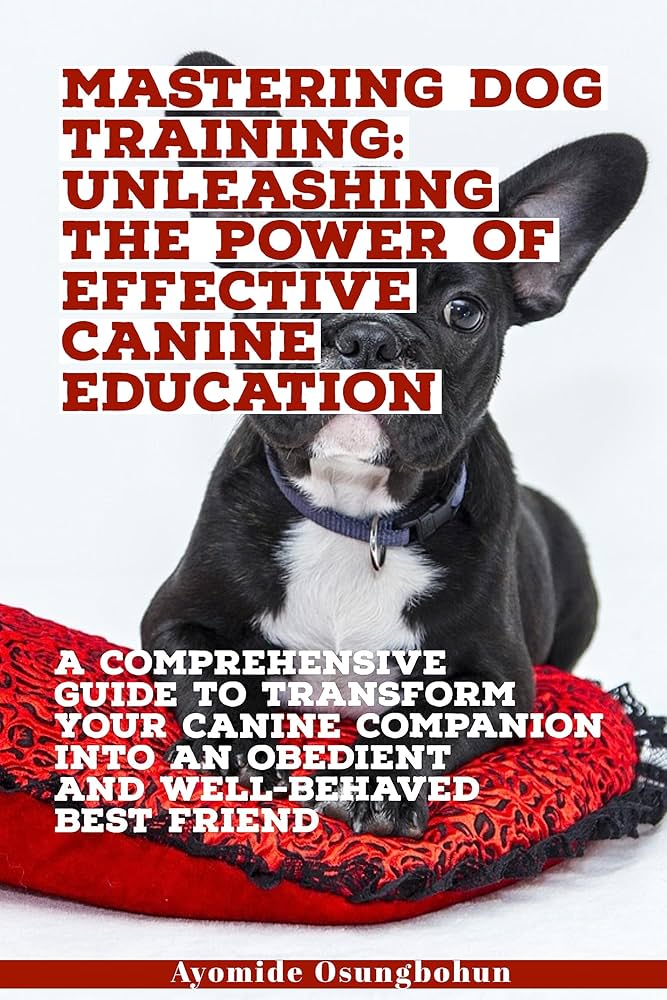
Bringing a dog into your life is an incredibly rewarding experience, but it also comes with responsibility. One of the most crucial aspects of responsible dog ownership is training. Effective training not only fosters a strong bond between you and your canine companion but also ensures their safety and well-being, making them a joy to be around. Whether you’re welcoming a new puppy or looking to improve the behavior of an older dog, understanding the best training methods is key. This guide will explore various approaches, from foundational obedience to addressing specific behavioral challenges, helping you cultivate a happy, confident, and well-behaved dog.
The Foundation of Dog Training: Understanding Canine Behavior
Before diving into specific training techniques, it’s essential to grasp some fundamental principles of how dogs learn. Dogs are intelligent creatures that thrive on routine, positive reinforcement, and clear communication.
- Positive Reinforcement: This is widely considered the most effective and humane training method. It involves rewarding desired behaviors, making them more likely to occur again. Rewards can include treats, praise, toys, or petting. The key is to reward immediately after the desired action so the dog associates the reward with the behavior.
- Classical and Operant Conditioning: Understanding these learning theories helps in shaping behavior. Classical conditioning, famously demonstrated by Pavlov’s dogs, involves associating a neutral stimulus with a naturally occurring one. Operant conditioning, the basis of positive reinforcement, focuses on how consequences influence behavior. Behaviors followed by pleasant consequences are repeated, while those followed by unpleasant ones are less likely to be.
- Consistency is Crucial: All members of the household must be on the same page regarding commands, rules, and rewards. Inconsistency confuses dogs and slows down the learning process.
- Timing and Patience: Dogs don’t understand human language in the same way we do. Training takes time, and every dog learns at their own pace. Be patient, celebrate small victories, and avoid punishment-based methods, which can lead to fear and aggression.
Essential Obedience Commands Every Dog Should Know
Mastering basic obedience commands is the cornerstone of good behavior. These commands not only provide structure but also ensure your dog’s safety in various situations.
Sit
The “sit” command is often the first one dogs learn. It’s a simple way to calm a dog and ask for their attention.
- Hold a treat near your dog’s nose.
- Move the treat up and slightly over their head. As their nose follows the treat, their rear end will naturally lower into a sit.
- As soon as their rear touches the ground, say “Sit” and give them the treat and praise.
- Repeat this several times in short, frequent sessions.
Stay
The “stay” command teaches impulse control and is vital for safety.
- Ask your dog to sit.
- Hold your hand up in a “stop” gesture and say “Stay.”
- Take one small step back. If your dog remains in place, return, reward, and release them with a command like “Okay.”
- Gradually increase the distance and duration you ask them to stay, always returning to reward them before releasing. If they move, gently guide them back to the original spot and try again.
Come (Recall)
A reliable recall is perhaps the most important command for your dog’s safety.
- Start in a quiet, enclosed area.
- Get down on your dog’s level and excitedly say their name followed by “Come!”
- When they come to you, reward them enthusiastically with treats, praise, and play.
- Never call your dog to punish them. This will make them hesitant to come when called in the future. As your dog improves, gradually increase distractions and practice in different environments.
Down
The “down” command is another calming exercise.
- Ask your dog to sit.
- Hold a treat from their nose towards the floor and slightly away from them, between their front paws.
- As they follow the treat, they should lower themselves into a down position.
- As their elbows touch the ground, say “Down” and reward them.
Leave It
This command teaches your dog to ignore something you don’t want them to have.
- Place a low-value treat on the floor and cover it with your hand.
- Let your dog sniff or paw at your hand. When they stop trying to get the treat, say “Leave it” and reward them with a different, higher-value treat from your other hand.
- Gradually progress to leaving the treat uncovered, then tossing it slightly away, always rewarding them for disengaging.
Popular Dog Training Methods Explained
Beyond basic obedience, various training philosophies cater to different needs and owner preferences. Understanding these can help you choose the best approach for your dog.
Clicker Training
Clicker training is a form of positive reinforcement that uses a distinct click sound to mark the exact moment a dog performs the desired behavior.
- How it works: First, you “charge” the clicker by pairing the sound with a treat. You click, then immediately give a treat. Do this repeatedly until the dog associates the click with a reward.
- Application: When your dog performs a desired action (e.g., sitting), you click the instant they do it, followed by a treat. The click acts as a precise marker, letting the dog know exactly what they did right. This method is excellent for teaching complex behaviors and tricks.
Reward-Based Training
This encompasses all methods that heavily rely on positive reinforcement, as discussed earlier. It focuses on building a dog’s confidence and enthusiasm for learning by making training a fun and rewarding experience. This approach is highly recommended by veterinarians and animal behaviorists for its effectiveness and humane nature.
Balanced Training
Balanced training involves using both positive reinforcement and aversive methods. Aversive tools might include choke chains, prong collars, or electronic collars, used to correct unwanted behaviors.
- Considerations: While some trainers advocate for balanced methods, these techniques carry a higher risk of causing fear, anxiety, and aggression in dogs if not applied by a highly experienced and skilled professional. Many modern trainers strongly advise against the use of aversive tools due to potential negative side effects. It’s crucial to research any trainer thoroughly if considering this approach.
Relationship-Based Training
This philosophy emphasizes building a strong, trusting relationship between the dog and owner as the foundation for all training. It focuses on understanding the dog’s individual needs, motivations, and communication style. Training is seen as a collaborative process, strengthening the bond and encouraging the dog to “want” to please their owner.
Addressing Common Behavioral Challenges
Even with the best training, some dogs may exhibit challenging behaviors. Here’s how to approach some common issues:
Destructive Chewing
Chewing is a natural dog behavior, especially for puppies exploring their world or adult dogs experiencing boredom or anxiety.
- Solutions: Provide plenty of appropriate chew toys. Redirect destructive chewing onto these toys. Ensure your dog gets enough physical and mental exercise. For severe cases, consult a professional trainer or veterinarian to rule out separation anxiety or other underlying issues. If your dog is teething, the best potty training spray for dogs might help redirect chewing, though it’s primarily for house-training.
Excessive Barking
Barking can be a response to boredom, fear, attention-seeking, or territorial instincts.
- Solutions: Identify the trigger for the barking. If it’s attention-seeking, ignore the barking until they are quiet, then reward. If it’s boredom, increase exercise and mental stimulation. For territorial barking, desensitization and counter-conditioning may be necessary. Teaching a “quiet” command can also be effective.
Leash Pulling
Pulling on the leash can turn walks into a tug-of-war.
- Solutions: Use a front-clip harness or head halter for better control. Stop walking whenever your dog pulls. Only resume walking when the leash slackens. Reward them for walking calmly beside you. Consistency is key; the best training collar for large dogs can be helpful if used correctly, but positive reinforcement methods are generally preferred.
House-Soiling
Accidents happen, especially with puppies or newly adopted dogs.
- Solutions: Establish a consistent potty schedule. Take your dog out frequently, especially after waking up, eating, and playing. Clean up accidents thoroughly with an enzymatic cleaner to eliminate odors. Never punish your dog for accidents; simply interrupt and take them outside. For persistent issues, consult your vet to rule out medical problems. Using a spray for potty training dogs can help attract your dog to a designated potty spot.
The Role of Mental Stimulation and Play
Training isn’t just about commands; it’s also about engaging your dog’s mind. Mental stimulation is as vital as physical exercise for a well-rounded dog.
- Puzzle Toys: These toys dispense treats or kibble as the dog manipulates them, providing a fun challenge.
- Nose Work: Dogs have an incredible sense of smell. Hiding treats around the house or yard and letting your dog find them is a fantastic mental workout.
- New Tricks: Teaching new tricks not only keeps their minds sharp but also strengthens your bond and reinforces training principles.
- Play: Interactive play, like fetch or tug-of-war (with rules!), is crucial for physical and mental health. It also provides an outlet for natural behaviors. For dogs struggling with anxiety, day training for dogs near me or specialized dog training for anxious dogs near me options can offer structured support and socialization.
Professional Help: When to Seek a Trainer
While many dog owners can successfully train their dogs at home, there are times when professional guidance is invaluable.
- Complex Behavioral Issues: If your dog exhibits aggression, severe anxiety, or persistent destructive behaviors, a certified professional dog trainer or a veterinary behaviorist can provide expert assessment and a tailored plan.
- New Owners: First-time dog owners can benefit greatly from a trainer’s expertise to establish good habits from the start.
- Specific Training Goals: Whether you’re interested in competitive dog sports or need help with a particularly challenging aspect of training, a professional can guide you.
- Choosing a Trainer: Look for trainers who use positive, science-based methods and are certified by reputable organizations. Ask for references and observe a training session if possible.
Conclusion: Building a Lifelong Partnership
Training your dog is an ongoing journey, not a destination. It requires patience, consistency, and a deep understanding of your dog’s needs. By employing positive, reward-based methods and providing consistent mental and physical stimulation, you can build a strong, trusting relationship with your dog. The effort you invest in training will be repaid tenfold in the form of a well-behaved, happy companion who enriches your life for years to come. Remember, every training session is an opportunity to strengthen your bond and create more positive “Dog Care Story” moments together.
