
Finding the perfect tools to communicate with our furry friends can be a game-changer, especially when they’re pint-sized. The quest for the Best Training Collar For Small Dogs is about more than just correcting behavior; it’s about finding a safe, humane, and effective way to strengthen your bond and ensure their safety. Small dogs, with their delicate frames and often spirited personalities, require a different approach than their larger counterparts. The right training collar acts as a subtle communication device, helping you guide your pup through commands and navigate a world that wasn’t built to their scale. For those just starting, exploring different pet training collar for small dogs options is the first step toward a more harmonious relationship.
This guide will walk you through everything you need to know, from the different types of collars available to the crucial safety features that protect your little companion. We’ll demystify the technology and help you make an informed choice that aligns with positive reinforcement principles, ensuring every training session is a positive step forward for both of you.
Understanding the Types of Training Collars
Navigating the market for training collars can feel overwhelming. It’s essential to understand the primary types available and how they function, particularly for smaller breeds who are more sensitive to physical corrections and stimuli.
Vibration and Tone Collars
Vibration and tone collars are often considered the most humane electronic options. Instead of a static shock, they use a non-painful stimulus to get your dog’s attention.
- Tone Collars: These emit a high-frequency sound that is audible to your dog but often quiet to human ears. The sound serves as a cue or a marker for a specific behavior, similar to a clicker.
- Vibration Collars: These collars use a gentle vibration, much like a silent cell phone alert. The sensation is designed to interrupt unwanted behavior, such as excessive barking or jumping, and redirect your dog’s focus back to you.
For many small dogs, a simple tone or vibration is more than enough to break their concentration and encourage them to listen. They are excellent tools for teaching commands like “come” or “leave it” in distracting environments.
Static Stimulation (E-Collars)
Modern electronic collars, or “e-collars,” are a far cry from the harsh “shock collars” of the past. High-quality models offer a wide range of adjustable static stimulation levels, often starting at a barely perceptible tingle.
“The goal of a modern e-collar is not to punish, but to communicate,” explains Dr. Sarah Miller, a canine behavior specialist. “For a small dog, the lowest effective level of stimulation might feel like a tiny muscle twitch—just enough to say, ‘Hey, listen to me.’ It should never cause pain.”
When considering an e-collar, it’s crucial to choose one designed specifically for small breeds. These will have lower maximum settings and smaller, lighter receiver units that won’t overwhelm your dog. Proper use involves finding the lowest level your dog responds to and pairing the stimulation with a command and positive reinforcement. Many owners find that these dog training collars for small dogs can be highly effective when used responsibly.
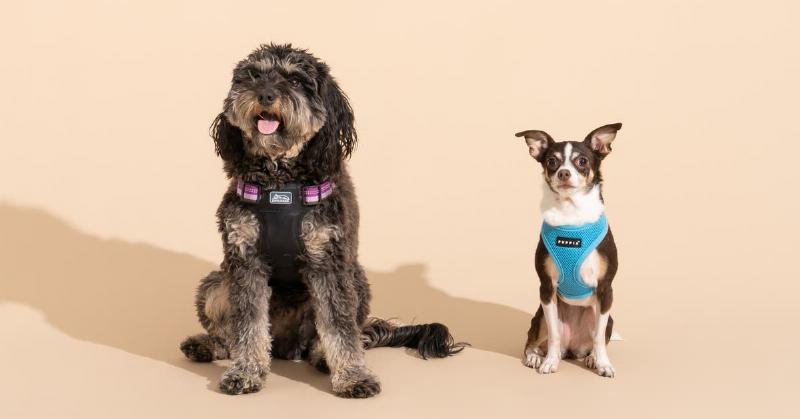 A small terrier mix sitting attentively in a park, wearing a lightweight and comfortable best training collar for small dogs
Martingale Collars
For leash training, a Martingale collar is an excellent non-electronic option. It’s designed to provide gentle, even pressure around the neck when the dog pulls, without choking. Unlike a traditional choke chain, it has a built-in stop that prevents it from becoming too tight. This feature makes it a safer alternative for small dogs with delicate tracheas, like Chihuahuas or Yorkshire Terriers.
How to Choose the Best Training Collar for Small Dogs
Selecting the right collar requires careful consideration of your dog’s individual needs, temperament, and your specific training goals. Here are the key factors to evaluate.
Size, Weight, and Fit
This is the most critical factor for a small dog. The collar should be lightweight enough that your dog barely notices it. A heavy or bulky receiver can cause discomfort, skin irritation, and even neck strain.
- Measure Carefully: Always measure your dog’s neck circumference before buying.
- Check the Weight: Look for receivers that weigh an ounce or less.
- Ensure a Snug Fit: The collar should be snug enough for the contact points to touch the skin (if applicable) but loose enough to fit two fingers underneath.
Adjustable and Low-Level Stimulation
If you opt for a collar with static or vibration, adjustable intensity is non-negotiable. You need a model with a wide range of levels (often 1-100) so you can find the absolute lowest setting that works for your dog. A “tone only” or “vibration only” mode is also a fantastic feature, as you may find you rarely, if ever, need to use the static function.
Key Features to Consider
- Range: How far do you need the remote to work? For off-leash park training, a longer range (300+ yards) is ideal. For in-home training, a shorter range is sufficient.
- Battery Life: Rechargeable lithium-ion batteries are standard now and much more convenient than disposable ones. Look for models with a long battery life and, ideally, a feature that lets you charge the remote and collar simultaneously.
- Waterproofing: If your dog loves to swim or you live in a rainy climate, a waterproof or water-resistant collar (check the IPX rating) is a must-have.
- Safety Features: Some advanced collars include a safety lock to prevent accidental stimulation at a high level. Others have an automatic shut-off feature that stops the stimulation after a few seconds as a precaution.
Dealing with a dog who overreacts to other pets or people requires a specialized approach. In these cases, consulting a professional dog trainer for reactive dogs can provide invaluable guidance on using training tools effectively and humanely.
Using a Training Collar Safely and Humanely
A training collar is only as good as the person using it. Responsible use is paramount to ensuring your dog’s well-being and achieving your training objectives.
It’s a Tool, Not a Punishment
The primary rule is that the collar should be used to communicate and redirect, not to punish. The goal is to interrupt an unwanted behavior and teach a preferred one in its place. For example, if your dog is digging, a quick tone or vibration can stop them in their tracks, giving you a moment to call them over and reward them for coming to you. This positive association is key.
Start Low and Go Slow
Always begin at the lowest possible setting. Find a quiet place and observe your dog for a subtle reaction, like an ear twitch or a turn of the head. That’s all you need. Using a level that is too high will only create fear and anxiety, which is counterproductive to training.
Keep Training Sessions Short and Positive
Training sessions should be fun and engaging, especially for puppies. Keep them short (5-10 minutes) and always end on a positive note with lots of praise, treats, and affection. Consistency is more important than duration. Tackling dog training with distractions is a gradual process that builds on these short, successful sessions.
Frequently Asked Questions (FAQ)
Are training collars cruel for small dogs?
When used correctly, modern training collars are not cruel. The key is to use the lowest effective level of stimulation (often just a tone or vibration) and to pair it with positive reinforcement. It’s a communication tool, not a punishment device. Always choose a model specifically designed for small dogs.
At what age can I start using a training collar on my small puppy?
Most veterinarians and professional trainers recommend waiting until a puppy is at least 6 months old. Before this age, their focus should be on basic socialization and positive reinforcement training methods like clicker training and treats. If you need help in a specific area, consider local resources; for example, searching for dog training Henderson NV could connect you with professional guidance.
Can a training collar burn my dog’s neck?
This is a common myth associated with old, poorly designed collars. Modern, high-quality collars cannot cause burns. However, it is possible for “pressure necrosis” to occur if the collar is left on too tight for too long, which is why proper fit and removing the collar for at least 8 hours a day is crucial.
How long should my dog wear the training collar each day?
A training collar should only be worn during active training sessions. It is not meant to be worn 24/7. Most manufacturers recommend removing the collar for at least 8 hours per day to allow the skin to breathe and prevent irritation.
Will a training collar change my dog’s personality?
A properly used training collar will not change your dog’s personality. It will not make them fearful or aggressive. The goal is to reduce unwanted behaviors and strengthen desired ones, leading to a more confident and well-behaved dog, which can actually improve your relationship and their quality of life.
Conclusion: A Step Towards Better Communication
Choosing the best training collar for small dogs is a thoughtful process that prioritizes their safety, comfort, and well-being. By understanding the different types of collars, focusing on features suited for a smaller frame, and committing to humane, positive training methods, you can unlock a powerful new way to communicate with your little companion. Remember that this tool is an aid, not a replacement for consistent training, patience, and a loving bond. When used responsibly, a training collar can help you and your dog overcome behavioral hurdles and build a foundation of trust and understanding that will last a lifetime.
