
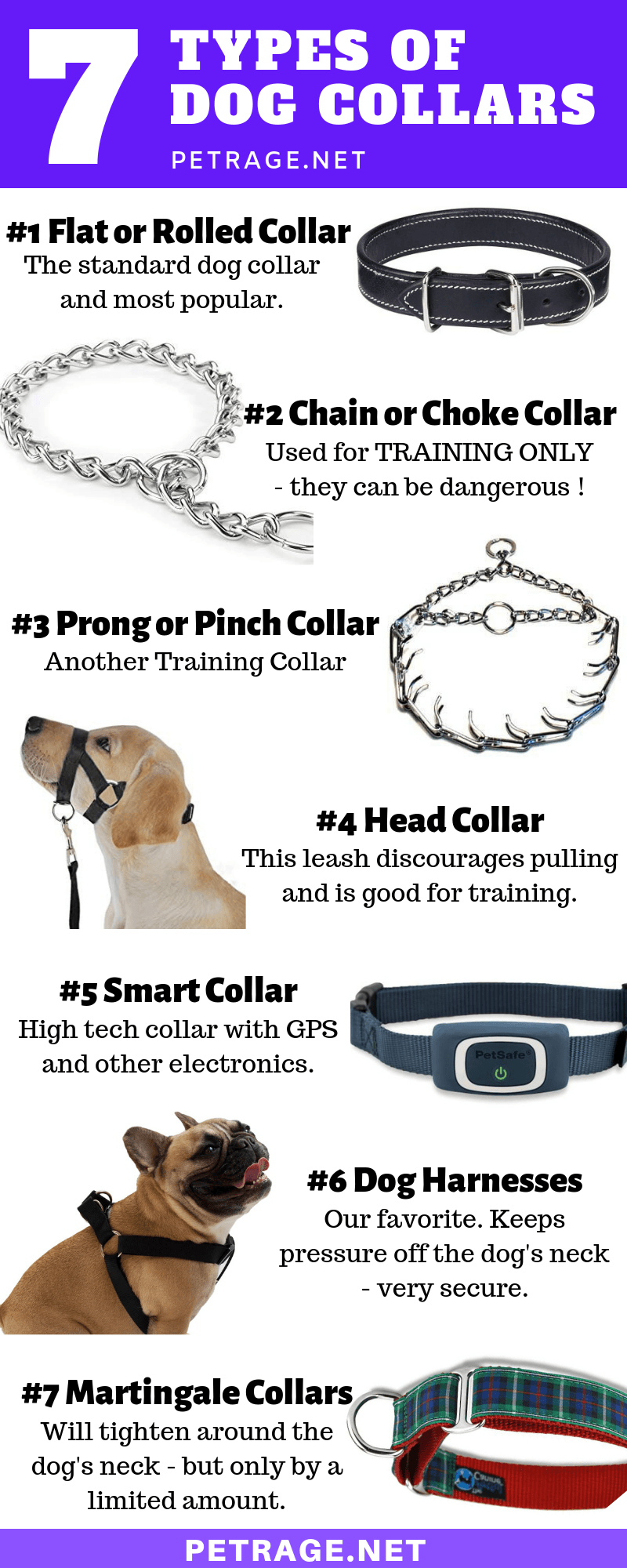
Bringing a large dog into your home is an exciting adventure, filled with boundless energy and unwavering loyalty. However, managing a big dog, especially during training, comes with its unique set of challenges. One of the most effective tools in a dog owner’s arsenal is the training collar. When chosen and used correctly, a training collar can be instrumental in teaching your canine companion good manners, reinforcing commands, and ensuring their safety. This guide delves into the world of training collars specifically designed for large breeds, helping you find the perfect fit for your furry friend and navigate the often-confusing options available. We’ll explore what makes a collar suitable for larger dogs, discuss different types, and offer insights into selecting the Best Training Collar For Large Dogs that prioritizes both effectiveness and your dog’s well-being.
Understanding the Needs of Large Breed Dogs
Large dogs, by their very nature, possess more strength and a higher prey drive compared to their smaller counterparts. This means a training collar for a large breed needs to be robust, durable, and capable of providing sufficient control without causing discomfort or injury. Unlike smaller dogs, a flimsy collar can easily break or slip off, compromising training sessions and potentially leading to dangerous situations. Therefore, the material, construction, and fit of the collar are paramount.
Exploring Different Types of Training Collars for Large Dogs
The market offers a variety of training collars, each with a specific mechanism and purpose. Understanding these differences is key to making an informed decision.
1. Martingale Collars
Martingale collars, also known as limited-slip collars, are designed to prevent dogs from slipping out of their collars. They feature two loops: a larger one that goes around the dog’s neck and a smaller one that tightens when the dog pulls. This tightening action gently alerts the dog, encouraging them to stop pulling, without choking them. They are particularly useful for dogs with thick necks or narrow heads, where a standard buckle collar might slip off. For large breeds, a heavy-duty martingale made from strong nylon or leather is recommended.
2. Head Halters (Gentle Leaders)
Head halters work on a different principle, guiding the dog’s head rather than their neck. When the dog pulls, the halter gently turns their head back towards the owner, naturally discouraging pulling. This type of collar offers excellent control, making it a popular choice for strong, energetic large breeds. Brands like the Gentle Leader and Halti are well-known in this category. It’s important to introduce head halters gradually, as some dogs may initially resist wearing them. Proper fitting is crucial to ensure comfort and effectiveness. You can find more information on gentle leaders and their usage in our detailed comparison.
3. Front-Clip Harnesses
While not technically a collar, front-clip harnesses are highly effective training tools for large dogs prone to pulling. These harnesses have a leash attachment point on the dog’s chest. When the dog pulls, the harness gently redirects them back to the owner, similar to a head halter but without going over the face. This method reduces pulling significantly by leveraging the dog’s own mechanics. They distribute pressure across the chest rather than the neck, making them a safer alternative for dogs with respiratory issues or sensitive tracheas.
4. Remote Control E-Collars (Electronic Collars)
Electronic collars, often referred to as e-collars, use electronic stimulation (static correction) to deter unwanted behaviors or reinforce commands. These collars come with a remote control operated by the owner. While they can be effective when used by experienced trainers according to strict guidelines, they are also the most controversial. Misuse can lead to fear, anxiety, and aggression in dogs. If considering an e-collar, it is highly recommended to consult with a professional dog trainer who uses positive reinforcement methods and can guide you on the ethical and effective use of dog shock training collar technology. There are also variations like the best no shock dog training collar that offer vibration or tone options as alternatives to static stimulation.
5. Slip Leads/Collars
A slip lead is essentially a leash and collar in one, made from a single piece of rope. When the dog pulls, the loop tightens around their neck. While simple and convenient, they require careful handling to avoid over-tightening and causing distress. They are best suited for dogs who have already mastered basic obedience or for quick potty breaks, rather than intensive training.
Key Features to Look For in a Training Collar for Large Dogs
When selecting a training collar for your large breed, consider these crucial features:
- Durability and Strength: Large dogs can exert significant force. Opt for collars made from high-quality, robust materials like strong nylon webbing, durable leather, or sturdy metal components. Check for reinforced stitching and secure hardware.
- Adjustability and Fit: A proper fit is non-negotiable. The collar should be snug enough not to slip off but loose enough to allow two fingers to fit comfortably between the collar and the dog’s neck. Look for collars with a wide range of adjustability to accommodate your dog’s growth or weight fluctuations.
- Comfort: Even strong dogs deserve comfort. Ensure the collar’s edges are smooth, and it doesn’t rub against their skin, especially during long wear. Padded collars or those with rounded edges can enhance comfort.
- Safety Mechanisms: For collars that tighten, ensure they have a limit to prevent excessive pressure. Quick-release buckles can be a safety feature, but for training, a secure, non-releasable buckle might be preferred to prevent accidental removal.
- Ease of Use: The collar should be straightforward to put on and take off, and the leash attachment point should be easily accessible.
Choosing the Right Collar: Factors to Consider
Beyond the type and features, several personal factors influence your choice:
- Your Dog’s Temperament and Breed: Is your dog particularly stubborn, easily distracted, or sensitive? Some breeds, like powerful hounds or stubborn bulldogs, might benefit more from head halters or front-clip harnesses.
- Your Training Goals: Are you working on basic leash manners, addressing pulling, or tackling more complex behavioral issues? The collar choice should align with your specific training objectives. For instance, if you are working on house training a dog, a collar might be less critical than other training tools.
- Your Experience Level: If you are a novice trainer, simpler tools like front-clip harnesses or Martingale collars might be easier to manage. More complex tools like e-collars require significant expertise.
- Veterinarian or Trainer Recommendations: Always consult with your veterinarian or a certified professional dog trainer. They can assess your dog’s individual needs and recommend the most appropriate training tools. They can also provide guidance on safe and effective usage.
Best Training Collars for Large Dogs: Top Picks
While the “best” collar is subjective and depends on individual needs, here are some highly-regarded options and types that consistently receive positive reviews for large breeds:
- For Heavy Pullers: Front-clip harnesses like the Sensation Harness or Easy Walk Harness are often top recommendations. For a collar option, a well-fitted head halter can be incredibly effective.
- For General Obedience and Control: A durable Martingale collar from a reputable brand can offer a good balance of control and safety.
- For Advanced Training (with caution): If considering electronic stimulation, research brands known for offering multiple levels of correction and reliable customer support. Always prioritize ethical training practices. Remember to look into best dog training collar for large dogs specific reviews.
How to Properly Use a Training Collar
No matter which collar you choose, proper usage is crucial for your dog’s safety and your training success.
- Introduction: Introduce the collar gradually. Let your dog sniff it, associate it with positive experiences like treats or praise. For head halters, start by just placing it on their nose for a few seconds before rewarding.
- Proper Fit Check: Regularly check the fit, especially after exercise or if your dog has been roughhousing. Ensure it hasn’t become too tight or too loose.
- Leash Attachment: Always attach the leash to the designated D-ring or attachment point.
- Positive Reinforcement: Training collars are tools to facilitate training, not a replacement for it. Pair the use of the collar with positive reinforcement methods like treats, praise, and clicker training. Reward desired behaviors consistently.
- Consistency is Key: Use the collar consistently during training sessions. Inconsistency can confuse your dog and hinder progress.
- Know When to Stop: If your dog shows signs of distress, fear, or pain, stop the training session and reassess. Consult a professional if you are unsure. Remember, the goal is to build a stronger bond and better communication, not to cause suffering.
Common Mistakes to Avoid
- Using a Collar That’s Too Small or Too Large: This can lead to choking, skin irritation, or the collar slipping off.
- Jerking the Leash: Harsh corrections can injure your dog and damage your relationship. Use gentle guidance and positive reinforcement.
- Leaving the Collar On Unattended: Some collars, especially Martingales or e-collars, should not be left on your dog unsupervised, as they could get caught on something.
- Punishment-Based Training: Relying solely on punishment can create a fearful dog. Focus on rewarding good behavior and redirecting unwanted actions.
- Not Seeking Professional Help: For complex behavioral issues or if you’re struggling with training, don’t hesitate to enlist the help of a certified professional dog trainer. They can offer personalized advice and demonstrate proper techniques. Some advanced techniques might even involve 2 dog training collars for specific scenarios, but this is best guided by an expert.
Conclusion: Empowering Your Journey with Your Large Dog
Choosing the right training collar for your large dog is a significant step towards a well-behaved companion and a more enjoyable partnership. By understanding the different types of collars, considering your dog’s unique needs, and prioritizing safety and positive reinforcement, you can select a tool that empowers your training efforts. Remember, a training collar is just one part of the equation; consistent training, patience, and a deep understanding of your dog’s behavior are the true cornerstones of success. Embrace the journey of training your large dog, and enjoy the incredible bond that a well-trained companion brings.
