
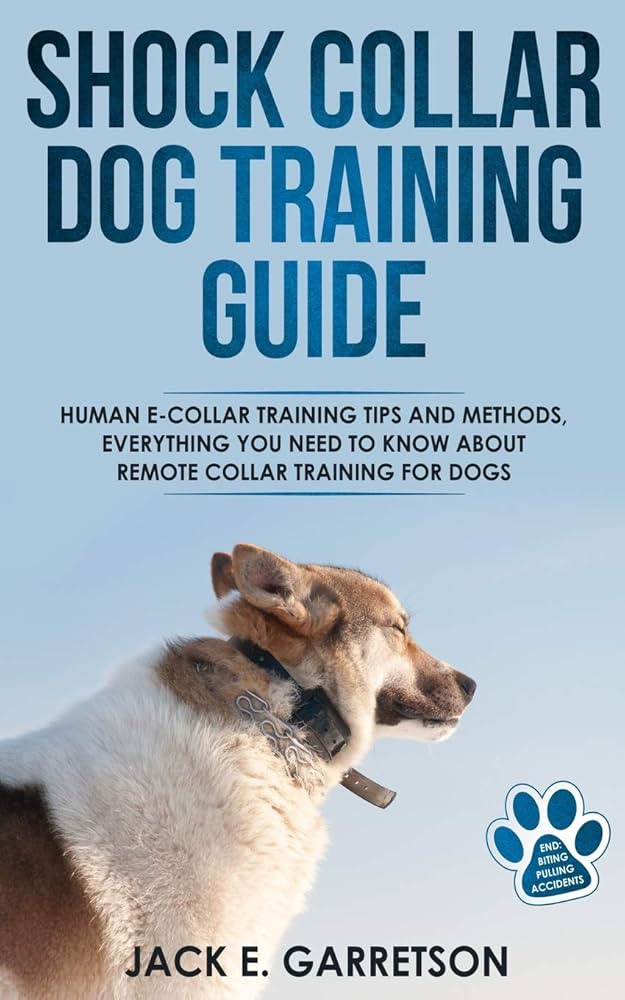
Finding the perfect tool to communicate with your canine companion can feel overwhelming, but choosing the best training collar for dogs is a crucial step toward building a better relationship. It’s not about control; it’s about clear communication, safety, and understanding. A training collar is simply a tool that, when used correctly, helps you guide your dog’s behavior and reinforce the training you’re working on together. Whether you’re dealing with a strong puller, a pup who loves to chase squirrels, or you’re just starting with basic obedience, the right collar can make all the difference.
Understanding that every dog is an individual is key. A method that works wonders for a sensitive Greyhound might be completely ineffective for a stubborn Bulldog. That’s why this guide will walk you through the different types of training collars, helping you understand how they work, which situations they’re best for, and how to use them safely and effectively. Making an informed choice is the first step toward a more harmonious walk in the park and a deeper bond with your best friend. For those with more specific needs, exploring options like the pet training collar for small dogs can provide tailored solutions.
Understanding the Purpose of a Training Collar
Before we dive into the different types, it’s essential to reframe the purpose of a training collar. Its primary function is not to punish bad behavior but to provide a clear, immediate form of communication that your dog can understand. Think of it as a telephone line between you and your pup during training sessions.
“A training collar is a tool for communication, not correction,” states Dr. Evelyn Reed, a renowned canine behaviorist with over 20 years of experience. “When used with patience and positive reinforcement, it helps bridge the gap between human language and canine understanding. The goal is to make the desired behavior clearer to the dog, not to intimidate it.”
Effective training focuses on teaching your dog what you want them to do. A collar can help you gently interrupt an unwanted action (like lunging at another dog) and redirect their attention back to you, creating a teachable moment.
Types of Dog Training Collars Explained
The market is flooded with options, each with its own philosophy and mechanism. Understanding the fundamental differences is crucial for selecting the right one for your dog’s specific temperament and your training goals.
Martingale Collars
Also known as limited-slip or humane choke collars, Martingale collars are designed for safety and control without the risks of a traditional choke chain. It consists of a main loop and a smaller control loop. When the dog pulls, the control loop tightens the main loop slightly—just enough to prevent the dog from backing out of its collar, which is a common issue for breeds with narrow heads like Greyhounds and Whippets. It provides gentle control without choking.
- Best for: Sighthounds, dogs that pull moderately, and escape artists.
- Pros: Safe, prevents escape, provides gentle correction.
- Cons: Not effective for very strong pullers or reactive dogs.
Head Halters
A head halter, or head collar, works on the principle that where the nose goes, the body will follow. It consists of a strap that goes around the dog’s muzzle and another that clips behind the ears. The leash attaches under the chin. When the dog pulls, the halter gently guides its head toward you, making it physically difficult to continue lunging forward. It offers excellent control without putting pressure on the trachea.
- Best for: Strong pullers, large breeds, and reactive dogs.
- Pros: Provides maximum control with minimal force, discourages pulling.
- Cons: Requires a careful and positive introduction period as many dogs initially resist it. Can be mistaken for a muzzle.
No-Pull Harnesses
While not technically a collar, a no-pull harness is a popular and humane training tool. Unlike standard harnesses that clip on the back (which can encourage pulling like a sled dog), no-pull harnesses have a leash attachment point on the chest. If the dog pulls, the harness redirects them back toward you, off-balancing them slightly and breaking their forward momentum. It’s a fantastic tool for teaching loose-leash walking. Finding the best training collar for large dogs often involves considering these effective harness options.
- Best for: Most breeds, especially those prone to tracheal collapse (like Pugs), and for owners who prefer not to use a collar around the neck.
- Pros: Very humane, effective for most pullers, easy to use.
- Cons: May cause chafing on some dogs if not fitted properly.
Electronic Collars (E-Collars)
Modern electronic collars, often called e-collars, are a highly debated topic. They are a world away from the “shock collars” of the past. Today’s high-quality e-collars deliver stimulation in the form of a vibration (like a phone), a tone, or a static pulse (similar to a TENS unit). They operate on dozens of levels, allowing for the absolute minimum level of stimulation needed to get a dog’s attention.
They are primarily used for off-leash training and reliability at a distance. When used correctly by an experienced trainer, they serve as a long-distance “tap on the shoulder” to recall a dog or interrupt a dangerous behavior, like chasing wildlife toward a busy road. The conversation around the best training e collar for dogs is nuanced and requires extensive research.
- Best for: Off-leash reliability, advanced obedience, and correcting specific, serious behaviors like chasing cars or livestock.
- Pros: Effective at a distance, provides clear communication when voice commands are ignored.
- Cons: Have a steep learning curve and can cause fear and anxiety if used improperly. Professional guidance is highly recommended.
How to Choose the Right Training Collar
Selecting the best training collar for your dog isn’t a one-size-fits-all decision. You must consider several factors to ensure the tool is both effective and humane.
- Your Dog’s Breed and Size: A powerful, large dog will require a different tool than a small or delicate breed. The collar must be appropriately sized and strong enough for your dog.
- Temperament and Sensitivity: A sensitive or fearful dog will respond poorly to aversive methods. A gentle tool like a no-pull harness or Martingale collar is often a better starting point. A more confident, stubborn dog might require clearer communication.
- Specific Training Goals: Are you trying to stop pulling on walks? Or are you aiming for reliable off-leash recall? Your goal will heavily influence your choice. For instance, a head halter is great for pulling, while an e-collar is designed for distance work.
- Your Experience Level: Some tools, especially the best training shock collar for dogs, require significant knowledge and skill to use correctly. Be honest about your own abilities and seek professional help if you’re unsure.
Using a Training Collar Safely and Effectively
Once you’ve chosen a collar, using it correctly is paramount. Improper use can lead to physical injury, fear, and a breakdown of trust between you and your dog.
1. Ensure a Proper Fit
A collar that is too tight can cause chafing, pain, and injury. A collar that is too loose will be ineffective and can pose a safety risk if the dog slips out. For most collars, you should be able to fit two fingers snugly between the collar and the dog’s neck. Always follow the manufacturer’s specific fitting instructions.
2. Introduce the Collar Positively
Never just slap a new tool on your dog and head out the door. Associate the new collar or halter with positive things. Let your dog sniff it, and give them treats. Put it on for a few seconds, then give a treat and take it off. Gradually increase the duration over several days before you ever attach a leash.
3. Timing is Everything
The feedback from the collar must be immediate. It should occur the instant the unwanted behavior starts, not seconds later. The goal is for the dog to associate the sensation with their specific action (e.g., pulling on the leash), not with you or the environment.
4. Combine with Positive Reinforcement
A training collar should never be the only tool you use. It works best when integrated into a balanced training approach. Mark and reward desired behaviors (like walking on a loose leash) with praise, treats, or toys. The collar is for interrupting the unwanted, while positive reinforcement is for building the wanted.
5. Never Use it for Punishment
Never use the collar out of anger or frustration. It is a communication tool, not a tool for retribution. If you feel yourself getting frustrated, end the training session on a positive note and try again later. This is especially true for any type of electronic device; consulting a guide on the best dog training collar for large dogs can offer critical safety insights.
Frequently Asked Questions (FAQ)
What is the most humane dog training collar?
Most trainers and veterinarians agree that tools like front-clip harnesses and Martingale collars are among the most humane options for teaching loose-leash walking, as they prevent pulling without causing pain or restricting breathing.
Can a training collar hurt my dog?
Any training tool, even a simple flat collar, can hurt a dog if used incorrectly. The key is proper fitting, appropriate usage, and never yanking or jerking the leash. The tool itself is rarely the problem; the improper application is.
At what age can I start using a training collar on my puppy?
Basic training with a flat collar or harness can begin as soon as you bring your puppy home. However, for more specialized tools like head halters or e-collars, it’s generally recommended to wait until the dog is at least 6 months old and has a solid foundation in basic obedience.
How do I know if the training collar is working?
Success isn’t about your dog walking perfectly out of fear. It’s about seeing a noticeable reduction in the unwanted behavior and an increase in your dog’s focus on you. The ultimate goal is to fade the use of the training tool over time as your dog learns the desired behaviors.
Should I consult a professional trainer?
Absolutely. If you are struggling with your dog’s behavior or are unsure which tool to use or how to use it, hiring a certified professional dog trainer is the best investment you can make. They can provide a personalized assessment and hands-on guidance.
Conclusion: The Journey to Better Communication
Choosing the best training collar for dogs is a deeply personal decision that reflects your commitment to understanding and communicating with your pet. There is no single “best” collar, only the one that is best for your unique dog and your specific situation. By focusing on the principles of clear communication, safety, and positive reinforcement, you can transform your training tool from a simple restraint into a powerful way to strengthen your bond. Remember that patience and consistency are your most valuable assets on this journey to a well-behaved companion and a lifetime of happy walks together.
