
Bringing a bird into your life can be a deeply rewarding experience, offering unique companionship and entertainment. While dogs and cats are traditional choices, birds can be an excellent social addition for the right household. Living with a bird is a significant commitment, requiring daily care, cleaning, playtime, socialization, training, and potentially costly veterinary attention. However, certain species possess the remarkable ability to talk, enriching your home with their vocal talents if given sufficient time, attention, and training. It’s important to remember that each bird is an individual; some birds from talkative species may never speak, while others might become surprisingly loquacious. This guide explores some of the Best Talking Birds, helping you understand what to expect.
Best Birds That Talk
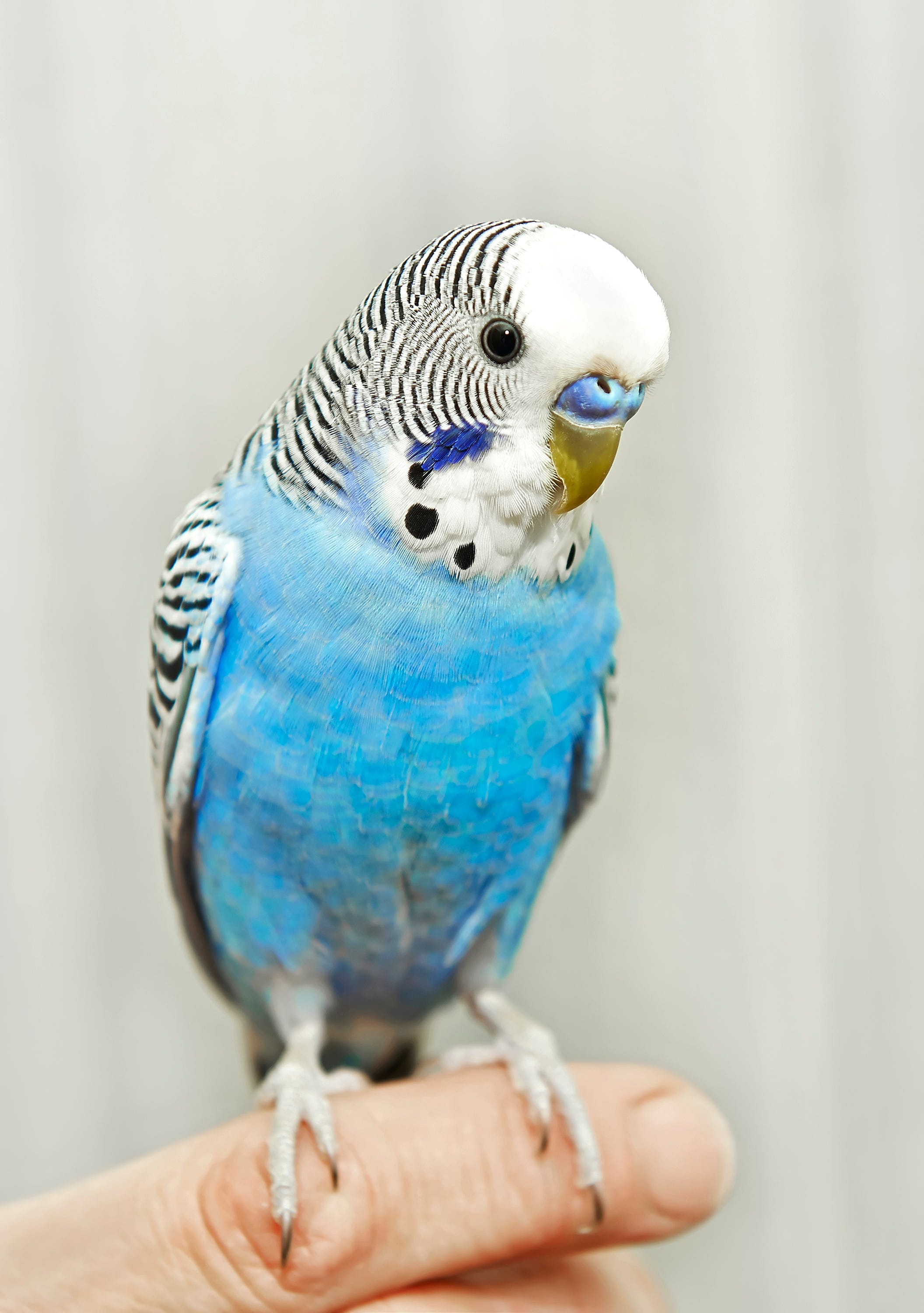
Budgerigar (Budgie/Parakeet)
Also known as the budgie or parakeet, this small bird, averaging 5–8 years in lifespan, is intelligent and highly social. Measuring only 6–8 inches and weighing about an ounce, budgies hold world records for the largest bird vocabularies, mastering both short and long phrases, and even singing. This small but mighty bird is not as loud as some other talkative species and can be content in a large cage with the television on for exposure to language while you’re away. Their voices may sound slightly garbled, but their enthusiasm and extensive vocabulary compensate. For optimal learning, seek out a very young bird from a rescue or a reputable local breeder who hand-raises their birds.
Cockatiel
Cockatiels are beloved pets for their gentle, social, and easy-to-care-for nature. They thrive on physical affection and human company. With consistent socialization and training, they can learn up to 250 words and phrases, including whistling songs. While both males and females can learn, male cockatiels generally excel at speech. Larger than budgies at 12–14 inches and weighing 2.5–4 ounces, they have a longer lifespan of 10–14 years. Cockatiels are excellent beginner birds, offering years of devoted companionship.
Quaker Parakeet (Monk Parakeet)
Quaker parakeets, also known as monk parakeets, are relatively easy to keep and suitable for novice bird owners. However, it’s crucial to check local regulations, as they are illegal in some areas. These small birds (11–12 inches, 3–5 ounces) are fast learners and pick up human speech quickly, making them easier to train for beginners. While their vocabulary may not be as extensive as budgies, their voices are clearer and more understandable. They can learn 50+ words and phrases and mimic household sounds, like dog barks. Both young and older birds can quickly pick up household conversations with consistent repetition. Quakers are social, enjoy human interaction, and can live up to 30 years, making them excellent beginner birds.
Ring-necked Parakeet (Indian Ringneck)
Slightly larger at 14–17 inches and weighing 5 ounces, Ring-necked parakeets excel at learning longer phrases and individual words. They can repeat full sentences and mimic various sounds with a clear, understandable voice. In some cultures, they are revered for their ability to mimic daily prayers. Their talent for longer phrases requires more repetition and training, making them a more challenging, “advanced” beginner bird. They can be noisy, potentially unsuitable for apartment living or those with low noise tolerance.
Eclectus
Eclectus parrots are medium-sized birds, measuring 17–20 inches and weighing 13–19 ounces. They are generally gentle but require moderate care and socialization, making them more suitable for intermediate bird owners. Males are often easier to train, but both sexes need significant interaction and out-of-cage time. They can learn various words and phrases and are less noisy than some other parrot species.
Yellow-naped Amazon
While many Amazon parrots are known for their talking ability, the yellow-naped Amazon is considered the best. They possess enormous vocabularies and can form coherent sentences, even understanding context, tempo, and tone. These large birds (15–27 inches, 16–23 ounces) can live up to 80 years. They are highly intelligent, social, and excellent communicators with clear, pleasant voices. However, they can be moody and prone to biting, especially males during breeding season. Their “attitude” often cannot be trained out, making them best suited for experienced bird owners.
Cockatoo
Cockatoos are strikingly beautiful, social, and exceptionally affectionate birds, sometimes described as clingy or needy, requiring hours of daily social interaction. They can be quite noisy, particularly when displeased. While not top talkers, they can pick up words and phrases, especially if it garners attention. Cockatoos are best suited for owners with ample time, space, and energy to dedicate to them 24/7, and are not recommended for beginner bird parents. Their unparalleled desire for social interaction, however, makes them highly rewarding companions.
Macaw
Macaws are impressive in size and personality. Without consistent training, they can become demanding. However, they can develop a reasonable vocabulary and mimic a variety of sounds. Macaws require significant training and socialization, and owners must tolerate considerable noise and potential destruction of their environment due to their powerful beaks. For dedicated and advanced bird owners, their devoted personalities can compensate for their smaller vocabularies and loudness.
Myna Bird
These social and intelligent birds are known for their vocalizations, including whistles, screeches, and words. Myna birds can learn up to 100 words and phrases, along with numerous other sounds. They are independent and not particularly fond of cuddling or tricks. Mynas adjust well to cage life, but their fruit-heavy diet results in soft, often smelly droppings, requiring more intensive care. Owners willing to meet their specific dietary and maintenance needs can enjoy up to 25 years of companionship.
African Grey
The African grey parrot is considered the most intelligent talking parrot, capable of learning over 1,000 words and exhibiting the intelligence of a 2–3-year-old toddler. They can mimic sounds but also use their intelligence to create chaos and destruction. They can be moody and deliver painful bites. African greys are only suitable for individuals with extensive bird experience, significant patience, and ample time for socialization and training. Due to their demanding nature, they often change homes, which is unfair to the bird. Those willing to work with their “attitude” can be rewarded with up to 80 years of entertaining mimicry and commentary.
Considerations Before Finding a New Bird Pet
Adopting a bird is a profound, lifelong commitment with responsibilities comparable to owning a dog. The rewards include years of social interaction, regardless of whether your bird becomes a talker. Each species has unique advantages and disadvantages, from adaptability to cage life and dietary needs. Many parrot species can be extremely loud, while others maintain a quieter tone. Thorough research into the temperament of any species you consider, as well as the individual bird, is essential to ensure many happy years with your new feathered companion.
