
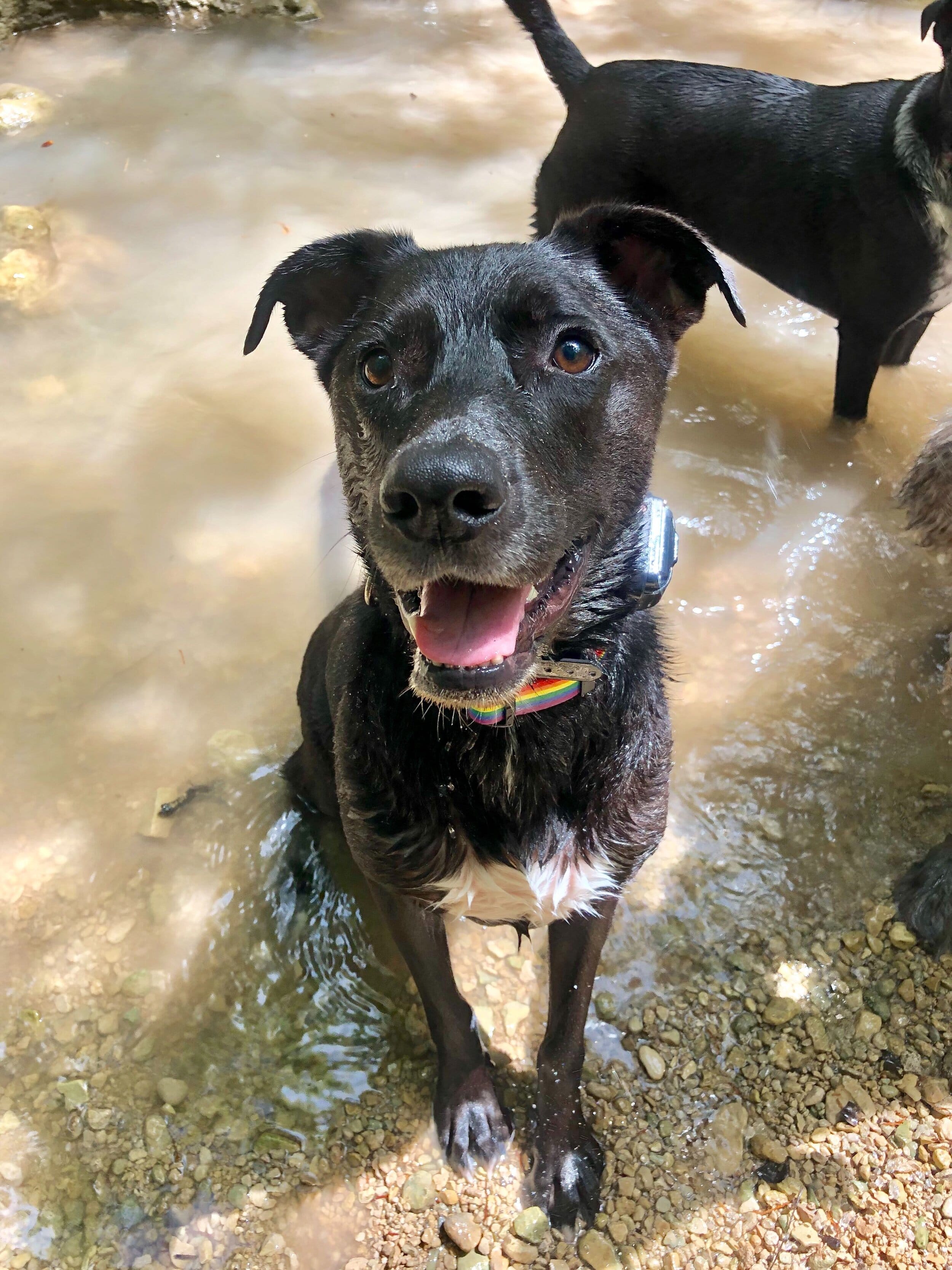
Finding the right training collar for your small dog can be a game-changer for obedience and safety. Small breeds, while adorable, can sometimes be a bit feisty or prone to distraction, making consistent training essential. The challenge lies in selecting a tool that is effective without being harsh, and safe for their delicate size. This guide dives deep into the world of training collars specifically designed for small dogs, helping you choose the best option to foster a well-behaved companion and strengthen your bond.
When it comes to training small dogs, the goal is always to enhance communication and build trust, not to cause discomfort or fear. Collars designed for smaller breeds take into account their size, weight, and sometimes more sensitive nature. We’ll explore various types, from gentle vibrators to advanced e-collars, and discuss what to look for in terms of fit, material, and functionality. Understanding these nuances will empower you to make an informed decision for your furry friend.
Understanding Small Dog Training Needs
Small dogs, despite their size, possess the same intelligence and capacity for learning as their larger counterparts. However, their physical differences necessitate a tailored approach to training. They might be more prone to certain behavioral issues like excessive barking, jumping, or leash reactivity, often stemming from a lack of clear boundaries or socialization.
The effectiveness of any training tool, including collars, hinges on the owner’s consistency and understanding of their dog’s individual personality and needs. A collar is merely a communication aid; it’s the consistent application of training principles and positive reinforcement that truly shapes behavior. For small dogs, this communication needs to be clear, precise, and always gentle.
Common Behavioral Challenges in Small Dogs
- Excessive Barking: Small dogs may bark more frequently as a way to alert, seek attention, or due to anxiety.
- Leash Reactivity: Pulling on the leash or reacting to other dogs/people can be common if not properly trained.
- Jumping and Nipping: These behaviors are often seen in puppies and smaller breeds and need early correction.
- House-training Issues: While not exclusive to small dogs, consistent training is key.
Types of Training Collars for Small Dogs
The market offers a variety of training collars, each with its own mechanism and intended use. It’s crucial to select one that aligns with your training philosophy and your dog’s specific needs.
Gentle Leader Headcollars and Martingale Collars
These collars offer a different approach to leash control.
- Gentle Leader Headcollars: These fit around a dog’s muzzle and behind the ears. They work by redirecting the dog’s head when they pull, making it difficult for them to pull effectively. They are excellent for dogs that pull excessively on the leash. They offer control without applying pressure to the neck.
- Martingale Collars: Also known as limited-slip collars, these are designed to tighten slightly when the dog pulls, preventing them from backing out of the collar. They are a safer alternative to choke chains because they have a stopper that prevents them from tightening excessively. These are particularly useful for sighthounds or dogs with narrow heads, but can also be a good option for small dogs who tend to slip out of traditional collars.
No-Pull Harnesses
While not technically collars, no-pull harnesses are a very popular and effective training tool for small dogs. They typically have a front-clip D-ring on the chest. When the dog pulls, the front-clip gently turns them back towards you, discouraging pulling without causing discomfort. They distribute pressure across the chest and shoulders rather than the neck.
For dogs that tend to pull, a good option might be a Carhartt training dog harness.
Electronic Training Collars (E-Collars)
Electronic training collars, often referred to as e-collars, offer various correction methods, including vibration, tone, and static stimulation. They are typically used with a remote control operated by the handler. For small dogs, it is paramount to use e-collars designed for their size and sensitivity, with adjustable levels of stimulation.
- Vibration Collars: These collars vibrate when activated by the remote. Many dogs respond well to the vibration as a cue, as it’s less intrusive than a static shock.
- Tone Collars: These collars emit a sound when activated. They can be useful for recall training or to interrupt unwanted behaviors.
- Static Stimulation Collars: These collars deliver a mild static impulse. They are often considered a last resort and should only be used by experienced handlers who understand how to set the lowest effective stimulation level. It is crucial to ensure the stimulation is not painful but rather a startling sensation. Shock collar dog training requires careful consideration and professional guidance.
When exploring options for dog training collars for small dogs, it’s vital to choose models with multiple, finely adjustable levels of correction to accommodate the sensitivity of smaller breeds.
Bark Collars
Bark collars are designed specifically to deter excessive barking. They typically activate automatically when the collar detects a bark. They can use vibration, tone, or mild static stimulation. Like e-collars, they come with adjustable settings, and it’s important to start with the lowest, least intrusive setting.
Key Features to Consider for Small Dog Collars
When selecting a training collar for your small dog, several factors are crucial for their safety, comfort, and the effectiveness of the training.
Size and Fit
This is paramount. A collar that is too loose can slip off, while one that is too tight can cause discomfort, chafing, or even injury. Most reputable brands provide detailed sizing charts. Always measure your dog’s neck circumference accurately before purchasing. You should typically be able to fit two fingers comfortably between the collar and your dog’s neck.
Weight of the Collar
Small dogs have less body mass, so a heavy collar can be burdensome and uncomfortable. Look for lightweight designs that won’t weigh your dog down.
Material and Comfort
The material should be durable, hypoallergenic, and comfortable against your dog’s skin. Nylon is a common choice for its durability and ease of cleaning. For e-collars, ensure the contact points are smooth and appropriately sized for small dogs to avoid irritation.
Durability and Waterproofing
Your dog will likely wear the collar in various conditions, so it should be robust enough to withstand daily wear and tear. Waterproofing is a significant advantage, especially if your dog enjoys playing in water or if you live in a region with frequent rain.
Range and Battery Life (for E-Collars and Remote Collars)
If you opt for a remote-controlled e-collar, consider the effective range. For recall training or off-leash work, a longer range is beneficial. Battery life is also important; you don’t want the collar to die mid-training session. Rechargeable batteries are often a convenient option.
Adjustability of Stimulation Levels
For e-collars and bark collars, the ability to finely adjust the intensity of stimulation is critical. Small dogs may require much lower levels than larger breeds. Look for collars with a wide range of settings, including vibration-only modes, which can be effective for many dogs without the need for static stimulation.
Using Training Collars Effectively and Humanely
The most important aspect of using any training collar is to do so responsibly and ethically. A training collar is a tool to aid communication, not a substitute for consistent training and positive reinforcement.
Professional Guidance is Key
If you are new to training collars, especially e-collars, seeking guidance from a certified professional dog trainer or behaviorist is highly recommended. They can help you choose the right collar, set it up correctly, and use it effectively and humanely as part of a comprehensive training plan. Good dog dog training practices emphasize a balanced approach.
Gradual Introduction
Introduce any new collar gradually. Let your dog wear it for short periods around the house, associating it with positive experiences like playtime or treats, before using it for actual training sessions.
Focus on Positive Reinforcement
Training collars should complement, not replace, positive reinforcement methods like rewards, praise, and clicker training. Use the collar’s signal to mark desired behavior or to interrupt unwanted behavior, immediately followed by a reward or redirection.
Never Use as Punishment
A training collar should never be used out of anger or as a form of punishment. This can create fear and anxiety in your dog and damage your relationship. The goal is to guide your dog towards better behavior, not to punish them.
Understanding Your Dog’s Signals
Pay close attention to your dog’s body language. Signs of stress, fear, or discomfort include lip licking, yawning, whale eye (showing the whites of their eyes), tucked tail, or avoidance. If you observe these, stop the training session and reassess your approach or the collar settings.
Regular Checks and Maintenance
Ensure the collar fits correctly before each training session. Check the contact points for any signs of irritation or redness on your dog’s neck. Keep the collar clean according to the manufacturer’s instructions.
The Role of Training Collars in Recall Training
Recall training is perhaps one of the most critical aspects of dog safety, and training collars can play a significant role. A reliable recall ensures your dog will come back to you when called, no matter the distractions.
For long-line training, a training collar can provide a gentle reminder if your dog becomes too focused on a distraction and ignores your recall command. It’s about ensuring they understand the importance of returning to you. Start with very short distances and gradually increase the length of the line and the level of distraction as your dog improves.
Remember, the ultimate goal of recall training is for your dog to return to you voluntarily, happily, and quickly. The collar is a tool to help bridge the gap during the learning process, particularly for smaller breeds that might be more easily distracted or have a strong prey drive.
Conclusion: Finding the Right Fit for Your Small Companion
Choosing the best training collar for your small dog is a decision that requires careful consideration of your dog’s specific needs, personality, and the training goals you aim to achieve. From gentle no-pull harnesses and headcollars that redirect pulling, to carefully used e-collars offering precise communication, the options are diverse.
Always prioritize your dog’s comfort and well-being. Ensure a proper fit, choose lightweight materials, and, especially with electronic collars, opt for adjustable, low-level stimulation. Remember that a training collar is an aid, not a magic fix. Consistent, positive, and humane training practices, guided by professional advice when needed, are the cornerstones of building a strong bond and achieving reliable obedience with your beloved small dog. By investing time and effort into the right training approach, you’ll foster a well-behaved companion who brings even more joy into your life.
