
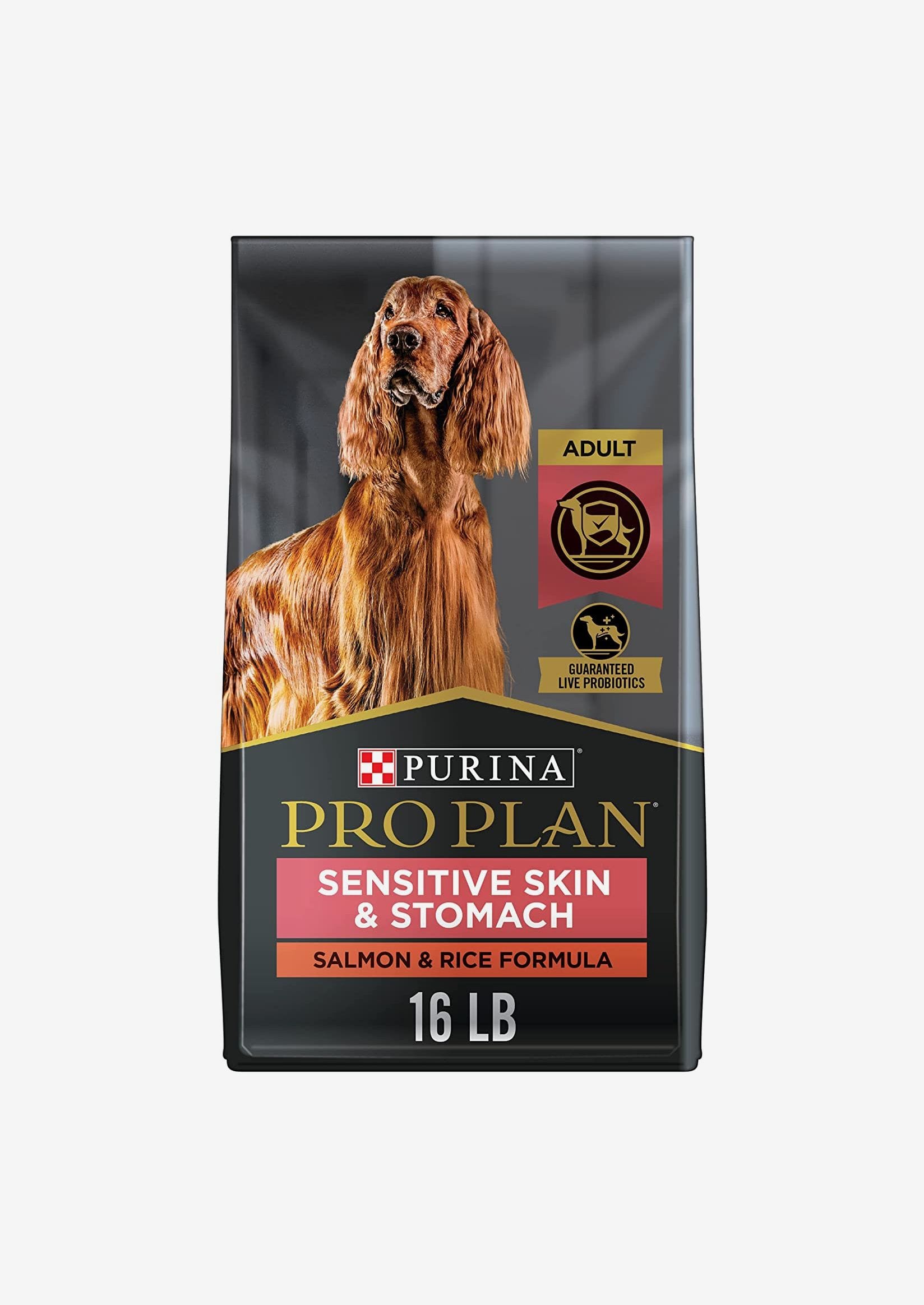
Choosing the right food for your small dog is crucial for their overall health and well-being. This guide, curated by a panel of veterinarians and veterinary technicians from Chewy, offers insights into selecting the best dog food for small breeds, considering factors like ingredient quality, palatability, and affordability. Our aim is to empower pet parents with the knowledge to make informed decisions for their beloved companions.
Understanding Small Dog Nutrition Needs
Small dogs have unique dietary requirements due to their faster metabolisms and smaller digestive systems. Foods specifically formulated for small breeds often feature smaller kibble sizes, making them easier to chew and digest. These formulas are typically more calorie-dense to meet their higher energy demands.
Kibble Size Matters
The size of the kibble plays a significant role in a small dog’s eating experience. Small kibble is designed to be manageable for their little mouths, preventing choking hazards and encouraging proper chewing. This also contributes to dental health by helping to reduce plaque and tartar buildup.
Calorie Density and Metabolism
Small dogs generally have a faster metabolism than larger breeds, meaning they burn calories more quickly. This necessitates a food that is calorie-dense, providing sufficient energy without requiring large portion sizes. Overfeeding can lead to obesity, which is particularly detrimental to small breeds and can exacerbate joint issues.
Dry vs. Wet Food for Small Dogs
The debate between dry and wet food is common among pet owners, and the best choice for a small dog can depend on several individual factors.
The Benefits of Dry Food
Dry dog food, or kibble, offers several advantages for small dogs. It’s convenient for pet parents, has a longer shelf life, and the abrasive texture of kibble can contribute to dental hygiene by cleaning teeth and reducing tartar. Many small dogs thrive on a dry food diet, especially when it’s a high-quality formula designed for their breed size.
When Wet Food is Preferable
Wet or soft food can be highly beneficial for some small dogs. Its increased palatability can entice picky eaters, and its softer texture is easier to chew, which is ideal for puppies, senior dogs, or those with dental sensitivities. Wet food also has a higher moisture content, which can be helpful for dogs that need extra hydration.
A Combination Approach
In some cases, a combination of both wet and dry dog food might be recommended by your veterinarian. This approach can offer the benefits of both textures and nutrient profiles, potentially increasing mealtime enjoyment and ensuring comprehensive nutritional intake. Consulting with your veterinarian is the best way to determine the ideal food type and diet for your individual small dog.
Frequently Asked Questions About Small Dog Food
Q: What is the best food to give a small dog?
A: Every dog is an individual, and their ideal diet will depend on factors including their age and health. Small dogs should eat small-size kibble or wet food that’s formulated for their metabolic needs.
Q: Is dry food good for small dogs?
A: Dry food is a good choice for many small dogs. Dry food can help keep teeth clean while reducing plaque and tartar, and is convenient for pet parents. However, every small dog is different, and soft (wet) food is preferable for some individuals.
Q: Is soft or hard food better for small dogs?
A: The ideal food for a small dog depends on factors including their age, health, and activity level. Soft (wet) food is easier to chew and is usually more palatable. Hard (dry) food can help keep teeth clean and is more convenient. Sometimes a combination of both wet and dry dog food is recommended. Your veterinarian can help you decide which is best for your pet.
Choosing the right food is a vital part of responsible pet ownership. By understanding the specific needs of small breeds and consulting with veterinary professionals, you can ensure your small dog receives optimal nutrition for a long, healthy, and happy life.
