
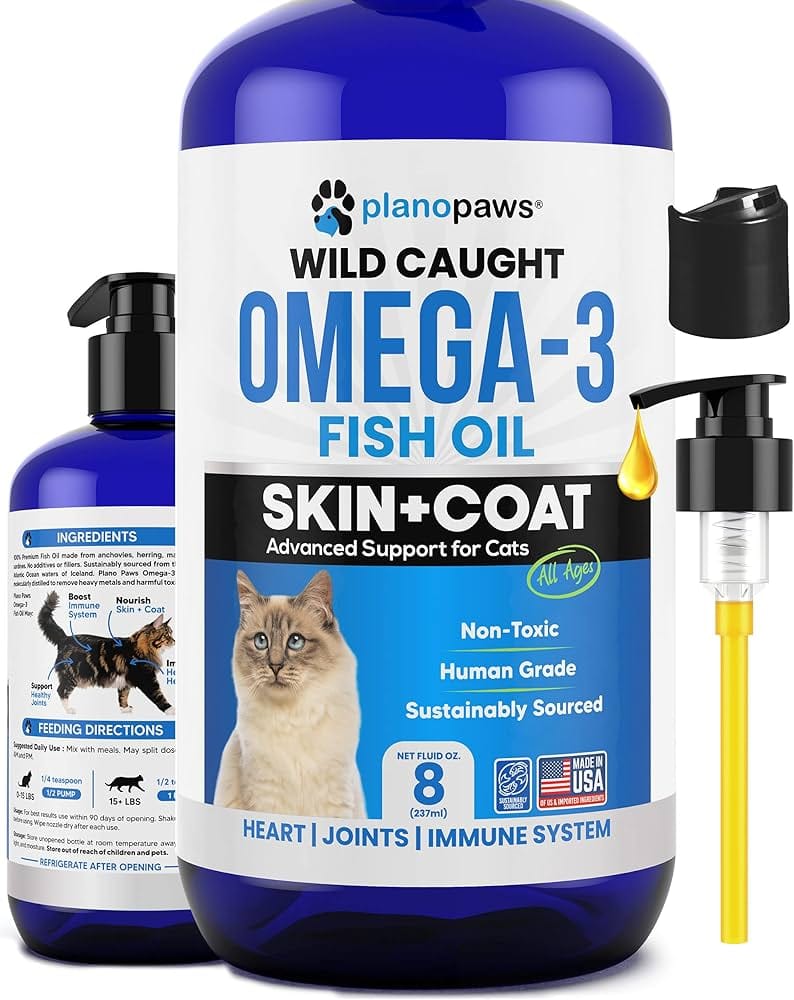
A cat’s shiny coat and clear, healthy skin are more than just aesthetic qualities; they are vital indicators of their overall well-being. The skin, being the largest organ, plays a crucial role in protection, temperature regulation, and immune system support. For cats experiencing dry, itchy, flaky, or inflamed skin, natural supplements can provide effective, gentle support from within. This article explores the best natural skin supplements for cats, detailing their benefits and how they can help your feline companion look and feel their best.
The Best Natural Skin Supplements for Cats
Here are our top recommendations for natural skin supplements that can significantly benefit your cat.
1. Omega-3 Fatty Acids
Omega-3 fatty acids are potent anti-inflammatory agents that can effectively soothe itchy or irritated skin, reduce allergic reactions, and promote a soft, hydrated coat. They strengthen the skin’s natural barrier, shielding it from dryness and environmental irritants.
Beyond skin health, Omega-3s also contribute positively to your cat’s joint, heart, kidney, and brain function, making them beneficial for cats of all ages.
Tip: Opt for purified, sustainably sourced omega-3 oils specifically formulated for cats. Ensure they are free from heavy metals and contaminants. Begin with small doses, mixed into their food, to encourage acceptance. Our Potent-Sea Omega-3 is derived from microalgae, offering high levels of EPA and DHA while protecting marine ecosystems.
2. Probiotics
A healthy gut is intrinsically linked to healthy skin. Probiotics aid in regulating immune responses, diminishing inflammation, and enhancing nutrient absorption, which are all critical for skin repair and hydration, particularly for cats with allergies or sensitivities.
Tip: It is essential to use probiotic blends specifically designed for felines, containing strains proven to survive within the feline digestive system. We recommend Felix’s Flora, which includes feline-specific strains, prebiotics, and beneficial fulvic and humic acids.
3. Coconut Oil
Coconut oil is rich in medium-chain fatty acids, such as lauric acid, which possess antibacterial and anti-yeast properties, helping to combat inflammation. It supports the skin’s barrier function and can alleviate dryness and flakiness.
- Internal Use: MCT oil, a concentrated form of coconut oil, is often easier for cats to digest and can offer anti-inflammatory benefits.
- Topical Use: If your cat tolerates it, a small amount of coconut oil can be gently massaged into dry or irritated skin areas.
Tip: Start with a very small amount, approximately ⅛ teaspoon, mixed into food or applied externally. Closely monitor for any signs of loose stools or digestive sensitivity.
4. Spirulina
This nutrient-dense blue-green algae is packed with protein, antioxidants, and essential fatty acids. Spirulina can assist in detoxifying the body, reducing inflammation, and promoting a vibrant, healthy coat.
Tip: Always choose trusted, organic brands. Begin with a minuscule pinch (around 1/16 tsp) daily, as excessive amounts can lead to digestive upset.
5. Chamomile Tea
Renowned for its calming and anti-inflammatory properties, chamomile can be brewed into a tea and cooled for topical application. It is effective in soothing itchy or irritated skin, gently dabbed onto hotspots or affected areas with a soft cloth or cotton pad to help reduce redness and inflammation.
Tip: Use only organic, caffeine-free chamomile tea and ensure it is completely cooled before application. Discontinue use if your cat has known allergies to plants in the daisy family.
Best Skin Supplements for Dogs
Honourable Mention #1: Embrace Natural Behaviors
While encouraging your indoor cat to engage with safe, natural environments, such as providing access to cat grass or pet-safe potted plants, can enrich their lives, allowing them opportunities for natural exposure is beneficial. Exposure to a natural microbiome, rather than overly sterile conditions, can help maintain healthy skin. If your cat can safely explore your backyard, permit them to indulge their natural instincts. For indoor cats, supervised outings in pet-friendly parks or gardens on a leash can provide a taste of outdoor exploration.
Honourable Mention #2: Minimize Bathing
Cats are naturally adept at self-grooming. Unless specifically advised by a veterinarian, frequent bathing is typically unnecessary and can strip the skin of its natural oils, leading to dryness and irritation.
Tip: Opt for a soft, damp cloth or pet-safe grooming wipes for cleaning dirt or allergens from your cat’s coat instead of full baths. Regular brushing is also highly effective for distributing natural oils, removing loose hair, and minimizing skin flakes.
When introducing any new supplement, it’s crucial to start with small doses and closely observe your cat’s reaction. Natural products are not always risk-free, especially for sensitive feline systems. Always select high-quality, species-appropriate products, and consult with a holistic or integrative veterinarian if you have any doubts.
By incorporating the right skin supplements, maintaining a balanced diet, practicing gentle grooming, and providing ample affection, your cat’s coat can radiate health from the inside out.
