
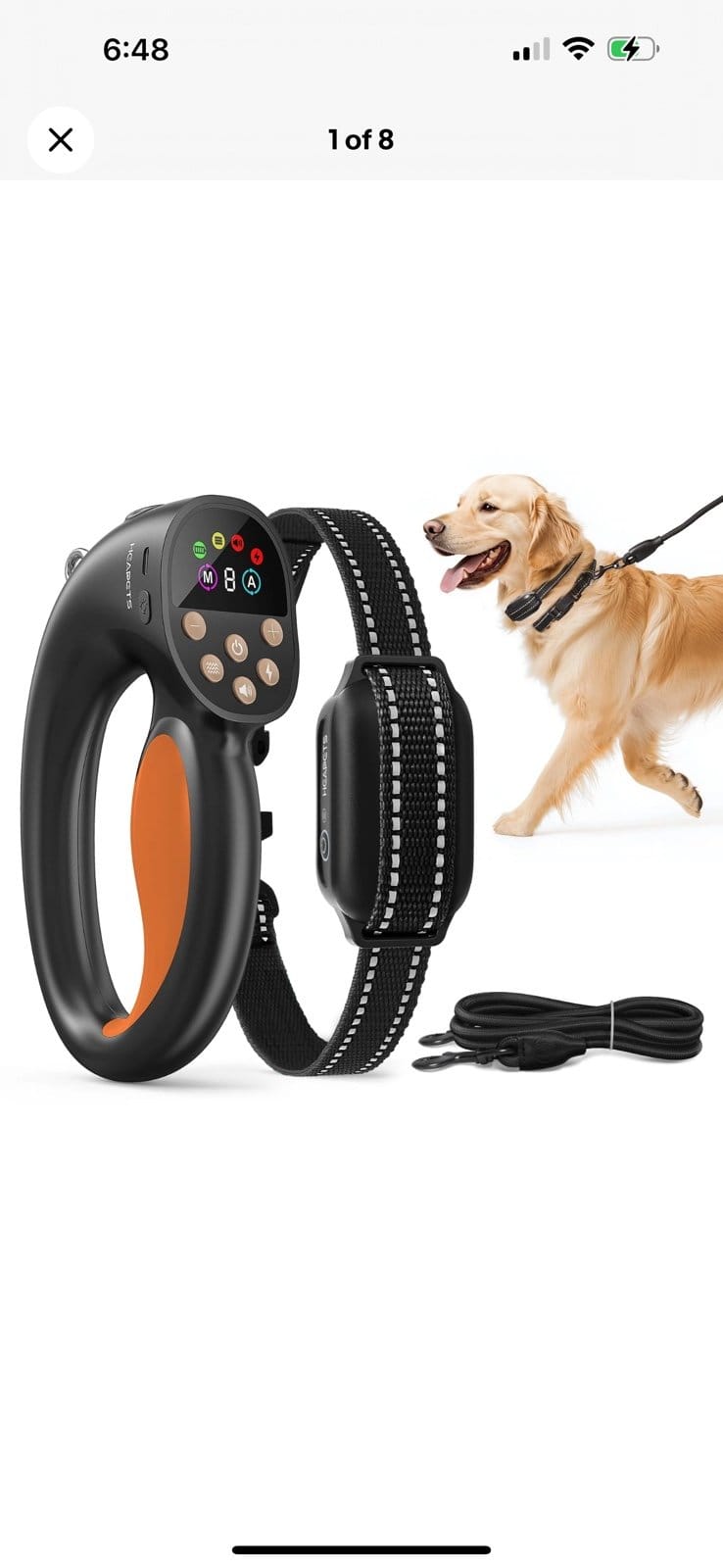
Embarking on the journey of dog training can be incredibly rewarding, but it also comes with its challenges. For many, a remote dog training collar, often referred to as a shock collar or e-collar, emerges as a tool to address specific behavioral issues or enhance obedience. But with a plethora of options on the market, choosing the best remote dog training collar can feel overwhelming. This guide aims to demystify the world of remote collars, helping you make an informed decision that prioritizes your dog’s well-being and training success.
Understanding the nuances of these devices is crucial. Remote dog training collars work by delivering a stimulation – which can range from a vibration or tone to a mild electric shock – to your dog via a collar, controlled by a handheld transmitter. They are designed to be used as a communication tool, reinforcing commands or interrupting unwanted behaviors at a distance. However, their effectiveness and ethical use are subjects of ongoing discussion. This article will delve into what makes a remote training collar “best,” explore popular and highly-rated models, and discuss how to use them responsibly.
Understanding the Technology: How Remote Dog Training Collars Work
At its core, a remote dog training collar is a communication system between you and your dog, extending beyond the reach of your voice or a leash. The system typically consists of a transmitter (the remote) and a receiver (the collar worn by the dog). When you press a button on the transmitter, it sends a signal to the receiver, which then delivers a pre-set form of stimulation.
The key to responsible use lies in understanding the different types of stimulation and their intended applications. Most modern collars offer a spectrum of options:
- Tone/Beep: A simple auditory cue that can be used to get your dog’s attention or as a warning before a more intense stimulation.
- Vibration: A physical sensation that can be effective for dogs with hearing impairments or for those who are sensitive to electronic stimulation.
- Electric Stimulation (E-Stim): This is the most debated feature. It ranges from a mild “nick” or “tap” to a more sustained “constant” stimulation. It’s vital to understand that proper use involves finding the lowest effective level for your individual dog, often referred to as the “working level.” This is usually a level that gets your dog’s attention without causing distress or fear. Many experienced trainers emphasize that a properly fitted and correctly used e-collar delivers a sensation that is more surprising than painful.
The “best” collar isn’t just about features; it’s about how those features align with your training goals and your dog’s temperament. For instance, if you’re dealing with a stubborn breed, you might need a collar with a wider range of intensity levels. If your dog is particularly sensitive, a collar that emphasizes vibration and tone might be more appropriate.
Key Features to Look for in the Best Remote Dog Training Collars
When you’re in the market for a remote dog training collar, several features can significantly impact its effectiveness and your overall experience. Prioritizing these will help you narrow down your choices and find a device that truly suits your needs.
- Range: Consider how far away you typically train your dog. Collars vary widely in their effective range, from a few hundred yards to over a mile. For basic obedience in a fenced yard, a shorter range might suffice. For off-leash training in large open spaces or during hunting activities, a longer range is essential. Check out different dog training methods to see how range plays a role.
- Number of Levels and Types of Stimulation: As discussed, a wider range of intensity levels (e.g., 1-100) allows for precise adjustments to find your dog’s working level. The availability of tone and vibration options in addition to electric stimulation adds versatility.
- Waterproof/Water-Resistant Design: Dogs can be adventurous, and training often happens outdoors in various weather conditions. A waterproof or highly water-resistant collar and transmitter are crucial for durability.
- Rechargeable Batteries: While some collars use disposable batteries, rechargeable options are generally more cost-effective and environmentally friendly in the long run. Battery life is also a key consideration – you don’t want the collar dying mid-session.
- Ergonomic Transmitter: The remote should be comfortable to hold and operate, ideally with intuitive button placement so you can focus on your dog, not fumbling with controls. Some transmitters feature a digital display for clear level indication.
- Fit and Comfort of the Collar: The collar itself needs to fit your dog properly – snug enough to ensure good contact with the skin for stimulation, but not so tight that it causes chafing or discomfort. Adjustable straps and comfortable materials are important.
- Expandability: If you have multiple dogs, look for collars that allow you to control more than one receiver with a single transmitter. This can be a significant cost-saver.
Top Picks for the Best Remote Dog Training Collars
While “best” is subjective and depends on individual needs, certain models consistently receive high marks from users and trainers for their reliability, features, and effectiveness. Here are a few contenders often cited as top choices:
1. PetSpy Dog Training Collar
The PetSpy brand frequently appears in discussions about effective remote training collars. Models like the PetSpy M686 or P620 often come with a substantial range (up to 650 yards), multiple stimulation modes (vibration, tone, and 16 levels of electric shock), and are designed to be waterproof. They are often praised for their user-friendly interface and reliable performance, making them a solid choice for general obedience training. The ability to train two dogs with one remote is also a common feature in their lineup.
2. Educator E-Collar Remote Dog Training System
Educator collars are known for their focus on humane training. They often feature a unique “Rapid Shock” system that provides a gentler, more localized stimulation compared to some competitors, minimizing the risk of startling the dog. They typically offer a wide range of stimulation levels (up to 100) and various modes, including tone and vibration. Many models are also fully waterproof and come with rechargeable batteries. Their emphasis on precise, low-level stimulation makes them a favored choice for experienced trainers and owners who prioritize a gentle approach. Explore the ethical considerations of using a remote shock dog training collar to understand why features like Educator’s are important.
3. SportDOG Brand Wetland Hunter 1000
For those who need serious range and durability, the SportDOG brand is a strong contender. Their Wetland Hunter series, for example, is designed for rugged use in challenging environments. These collars often boast ranges of up to 1000 yards, are fully waterproof, and offer multiple stimulation levels and modes. They are built to withstand tough conditions, making them ideal for hunting dogs or for owners who train in remote areas. The reliability and robust construction are key selling points for this brand.
4. Garmin Sport Pro/PT10**
Garmin, a leader in GPS technology, also offers high-quality remote dog training collars. Models like the Sport Pro combine training capabilities with robust design. They often feature a decent range, multiple stimulation options, and are built to be durable and waterproof. Garmin’s reputation for reliable electronics extends to their training collars, offering a dependable solution for serious dog owners.
Responsible Use: More Than Just the Collar
Choosing the best remote dog training collar is only half the battle. The other, arguably more important, half is understanding how to use it responsibly and ethically. A remote training collar is a tool, and like any tool, its impact depends entirely on the user.
Key principles for responsible use include:
- Proper Fit: Ensure the collar is fitted correctly. The contact points should rest firmly against the dog’s skin on the neck, usually on either side of the trachea. Too loose, and it won’t work; too tight, and it can cause irritation or injury.
- Start at the Lowest Level: Always begin with the lowest stimulation setting and gradually increase it until you achieve the desired response (e.g., the dog turning its head, looking at you). This is your dog’s “working level.” Never use a level that causes yelping, panic, or avoidance.
- Use as a Communication Tool, Not Punishment: The collar should be used to get your dog’s attention, interrupt an unwanted behavior, or reinforce a command, not as a punitive device for past actions. Timing is crucial; the stimulation should be delivered as the dog is performing the unwanted behavior or as you give a command.
- Combine with Positive Reinforcement: Remote collars are most effective when used in conjunction with positive reinforcement methods, such as praise, treats, and toys. The stimulation is used to gain attention or interrupt, while positive reinforcement strengthens desired behaviors.
- Understand Your Dog’s Temperament: Some dogs are more sensitive than others. What works for one dog might be overwhelming for another. Patience and careful observation are key. Consider consulting with a professional trainer experienced with e-collars to help determine the appropriate level and usage for your specific dog.
- Know When NOT to Use It: Avoid using the collar when your dog is sick, injured, highly stressed, or fearful. It should also not be used as a substitute for proper socialization or management of the environment.
It’s also important to be aware of local regulations. Some areas have restrictions or bans on the use of electronic training collars. Staying informed ensures you’re using the device legally and ethically. The question of are training collars bad for dogs often comes down to how they are implemented.
When to Consider a Remote Dog Training Collar
Remote dog training collars are not a magic bullet for every training issue. They are typically most effective for:
- Reinforcing Off-Leash Reliability: Helping dogs maintain commands like “come” or “heel” at greater distances, especially in distracting environments.
- Interrupting Persistent Unwanted Behaviors: Addressing issues like excessive barking, chasing, or counter-surfing when other methods haven’t been successful.
- Specific Working Dog Applications: Used by hunters, search and rescue teams, or professional trainers for specialized tasks requiring precise control over distances.
If you’re dealing with a young puppy, a very fearful or anxious dog, or a dog with significant aggression issues, a remote collar might not be the appropriate first step. In such cases, consulting with a certified professional dog trainer or a veterinary behaviorist is highly recommended. They can help you understand the root cause of the behavior and recommend the most suitable training plan, which may or may not include a remote collar.
Conclusion: Finding the Right Tool for Your Canine Companion
The quest for the best remote dog training collar is a journey toward better communication and a stronger bond with your canine companion. By understanding the technology, considering essential features, and prioritizing responsible usage, you can select a tool that aids in achieving your training goals. Remember, the collar is just one part of the equation. Patience, consistency, positive reinforcement, and a deep understanding of your dog’s needs are the cornerstones of successful dog training. Whether you’re refining basic obedience or tackling more complex challenges, the right training collar, used wisely, can be an invaluable asset in your dog training story.
