
Allergies are a prevalent issue in dogs, causing discomfort and distress for both the pet and their owner. Fortunately, advancements in veterinary medicine offer a range of effective allergy medicines for dogs, moving beyond older treatments to newer, targeted therapies. This guide provides a comprehensive overview of ten solutions, from traditional antihistamines to cutting-edge immunotherapies, to help manage your dog’s allergic reactions and improve their quality of life.
Understanding Canine Allergies: Types and Triggers
Canine allergies can be broadly categorized into three main types, each with distinct causes and management approaches:
Environmental Allergies (Atopy)
Environmental allergies, also known as atopy or atopic dermatitis, are the most common type. Dogs react to substances in their surroundings, such as:
- Tree, weed, and grass pollens
- Dust mites
- Mold and mildew
These allergies can manifest seasonally, coinciding with high pollen counts, or year-round if the dog is sensitive to indoor allergens like dust mites or mold.
Food Allergies (Cutaneous Adverse Food Reactions – CAFR)
Food allergies occur when a dog’s immune system mistakenly identifies certain food ingredients as harmful. Common culprits include beef, chicken, lamb, and wheat. Unlike immediate reactions, dogs often develop allergies to foods they have consumed for an extended period, sometimes months or years.
Flea Allergies (Flea Allergy Dermatitis – FAD)
Flea allergies are a reaction to the saliva of fleas, rather than the fleas themselves. Even a single flea bite can trigger intense itching and discomfort in a sensitive dog. This highlights the critical importance of consistent flea prevention.
It is also important to note that a dog may suffer from a combination of these allergy types, making diagnosis and treatment more complex. Veterinarians often recommend a multi-faceted approach, combining medications, dietary changes, and environmental management strategies.
Recognizing the Symptoms of Dog Allergies
Allergic reactions in dogs often present with similar symptoms, regardless of the underlying cause. Key indicators include:
- Intense Itching (Pruritus): This is the most common symptom, leading to excessive scratching, licking, and gnawing, particularly on the armpits, belly, face, ears, and base of the tail.
- Skin Issues: Red, inflamed, or irritated skin, often leading to secondary yeast or bacterial infections (pyoderma). Hot spots, interdigital cysts, and furunculosis can also develop.
- Ear Infections: Itchy ears are a hallmark sign, often becoming infected due to constant scratching and a compromised skin barrier.
- Hair Loss: Allergic reactions can cause patchy or generalized hair loss.
- Gastrointestinal Upset: While less common, vomiting and diarrhea can occasionally be associated with food allergies.
- Respiratory Symptoms: In rare cases, dogs may exhibit a dry cough or other respiratory signs.
These symptoms can significantly impact a dog’s quality of life, making them constantly uncomfortable and preventing them from enjoying daily activities. Prompt veterinary attention is crucial if you notice any of these signs.
Veterinary Diagnosis of Dog Allergies
Diagnosing allergies in dogs involves a thorough approach by your veterinarian. They will likely:
- Gather History: Discuss your dog’s diet, flea and tick prevention, symptom onset, seasonality, and any previous treatments.
- Perform a Physical Examination: Pay close attention to the skin and ears to identify signs of infection, inflammation, and parasites.
- Rule Out Other Conditions: Eliminate other potential causes of itching, such as parasites (mange, mites) or infections.
Diagnostic Tests:
- Flea Checks: To confirm or rule out flea allergy dermatitis.
- Skin Scrapes/Cultures: To identify secondary bacterial or yeast infections.
- Food Trials: The gold standard for diagnosing food allergies. This involves feeding a strict hypoallergenic diet (novel protein or hydrolyzed protein) for 6-12 weeks. Improvement during the trial and recurrence of symptoms upon reintroduction of the suspected allergen confirms a food allergy.
- Allergy Testing: Blood tests or intradermal skin testing can identify environmental allergens but are typically used to formulate allergy shots (immunotherapy), not to diagnose the allergy itself.
It’s important to understand that there isn’t a single, quick test for all types of allergies. Diagnosis is often based on a combination of history, clinical signs, and response to treatment.
Treatment Options: A Comprehensive Guide to Allergy Medicine for Dogs
1. Antihistamines (e.g., Benadryl, Zyrtec)
- Mechanism: Block histamine, a chemical released during allergic reactions.
- Pros: Readily available over-the-counter, relatively inexpensive. May help prevent mild allergies if given before symptoms appear.
- Cons: Often have limited effectiveness for moderate to severe allergies, especially once symptoms have started. Do not give formulations containing decongestants.
- Bottom Line: Generally safe but often unimpressive for significant allergy symptoms.
2. Apoquel (Oclacitinib)
- Mechanism: A Janus kinase (JAK) inhibitor that blocks itch and inflammation signals.
- Pros: Rapidly effective in reducing itching and inflammation. Minimal side effects compared to older medications. Can be used with other medications.
- Cons: Approved for dogs over one year old. Potential concerns about immune suppression and cancer risk, though studies suggest no increased risk.
- Bottom Line: A veterinarian favorite for its speed and effectiveness with a good safety profile.
3. Zenrelia (Ilunocitinib)
- Mechanism: Another JAK inhibitor, targeting JAK1, JAK2, and TYK2 enzymes to reduce inflammation and itching.
- Pros: Shows promise, particularly for dogs unresponsive to Apoquel or Cytopoint. Improved efficacy over Apoquel after 14 days.
- Cons: Approved for dogs over 12 months. Carries a “black box warning” regarding potential fatal reactions to vaccines and inadequate immune response. Side effects include GI upset and potential increased risk of infections or tumors.
- Bottom Line: A newer option with potential benefits but requires careful consideration due to the vaccine warning and potential side effects.
4. Cytopoint (Lokivetmab)
- Mechanism: A monoclonal antibody that targets and neutralizes Interleukin-31 (IL-31), a key itch-signaling protein.
- Pros: Given as an injection every 1-2 months, making it convenient for dogs who won’t take pills. Targets a specific itch signal with a low risk of immune suppression. Generally well-tolerated.
- Cons: Less effective at reducing inflammation compared to steroids or Apoquel.
- Bottom Line: A safe and effective option for managing itch, especially for dogs with underlying health conditions or those difficult to medicate orally.
5. Steroids (e.g., Prednisone)
- Mechanism: Potent immunosuppressants that quickly reduce inflammation and itching.
- Pros: Fast-acting and highly effective, especially for acute flare-ups and ear infections. Relatively inexpensive.
- Cons: Significant potential for serious side effects with long-term use, including increased thirst, appetite, urination, panting, muscle wasting, increased susceptibility to infections, and development of Cushing’s disease.
- Bottom Line: Excellent for short-term crisis management but generally not recommended for long-term use due to severe side effects.
6. Allergy Shots (Immunotherapy)
- Mechanism: Gradually exposes the dog’s immune system to specific allergens to build tolerance.
- Pros: The “gold standard” for environmental allergies. Targets the root cause rather than suppressing the immune system. Low risk of side effects.
- Cons: Requires consistent administration for 6-12 months or longer. Results can vary, and lifelong treatment may be necessary. Dogs may still need other medications during treatment.
- Bottom Line: A highly effective, long-term solution for environmental allergies when administered consistently.
7. Atopica (Cyclosporine)
- Mechanism: Suppresses T-cell activation, reducing the immune system’s inflammatory response.
- Pros: Effective for long-term management of allergies, sometimes used as a sole treatment.
- Cons: Takes 6-8 weeks to show full effects. Potential side effects include GI upset, gum overgrowth, and increased susceptibility to infections and possibly cancer.
- Bottom Line: An effective option, but newer medications like Apoquel and Cytopoint have largely replaced it as first-line therapy due to Atopica’s side effect profile.
8. Diet Changes (Hypoallergenic Diets)
- Mechanism: Eliminates specific food allergens that trigger an immune response.
- Pros: The most effective way to manage confirmed food allergies. Can significantly improve symptoms and quality of life.
- Cons: Food trials can be challenging and expensive. Requires strict adherence to a limited ingredient or hydrolyzed protein diet. Commercial over-the-counter diets may not be suitable due to cross-contamination risks.
- Bottom Line: Essential for diagnosing and managing food allergies. Long-term commitment is necessary for sustained relief.
9. Essential Fatty Acids (Omega-3s)
- Mechanism: Help reduce inflammation and improve the skin barrier function.
- Pros: Relatively safe and inexpensive. Can complement other treatments and potentially reduce the need for other medications.
- Cons: Not effective as a sole treatment. May take up to two months to show noticeable improvement.
- Bottom Line: A valuable supportive therapy that enhances the effectiveness of other allergy treatments.
10. Additional Management Strategies
- Flea Prevention: Year-round prevention is crucial, especially for flea-allergic dogs.
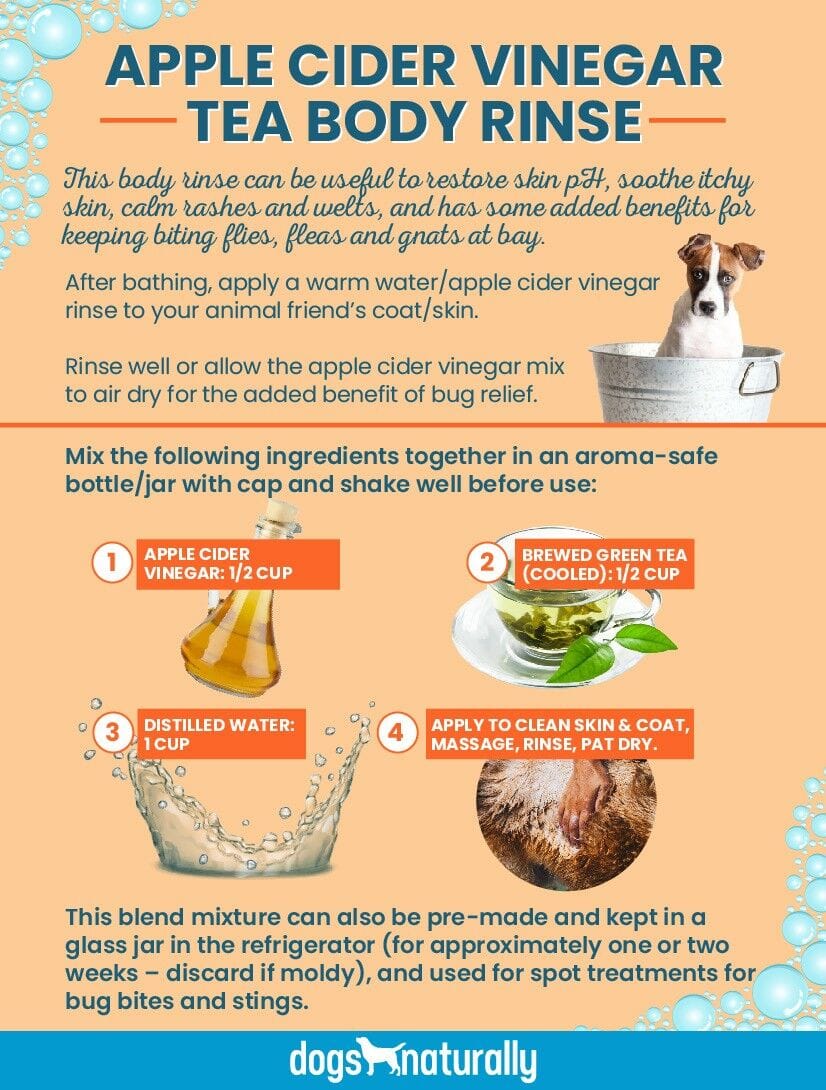
- Medicated Shampoos: Can help treat infections and remove allergens from the coat. Regular bathing and wiping paws after outdoor activity can reduce allergen exposure.
- Environmental Control: Regular vacuuming and washing pet bedding in hot water can reduce dust mite exposure.
- Skin Barrier Support: Topical products with ingredients like ceramides and essential fatty acids can help strengthen the skin barrier.
Partnering with Your Veterinarian
Managing your dog’s allergies is a journey that often requires trial and error. Open communication with your veterinarian is key. Discuss your dog’s specific symptoms, your financial constraints, and any concerns you have about treatment protocols. They can help create a tailored plan that balances effectiveness, safety, and feasibility for both you and your beloved canine companion. Early intervention and consistent management are vital for keeping your dog comfortable and happy.
