
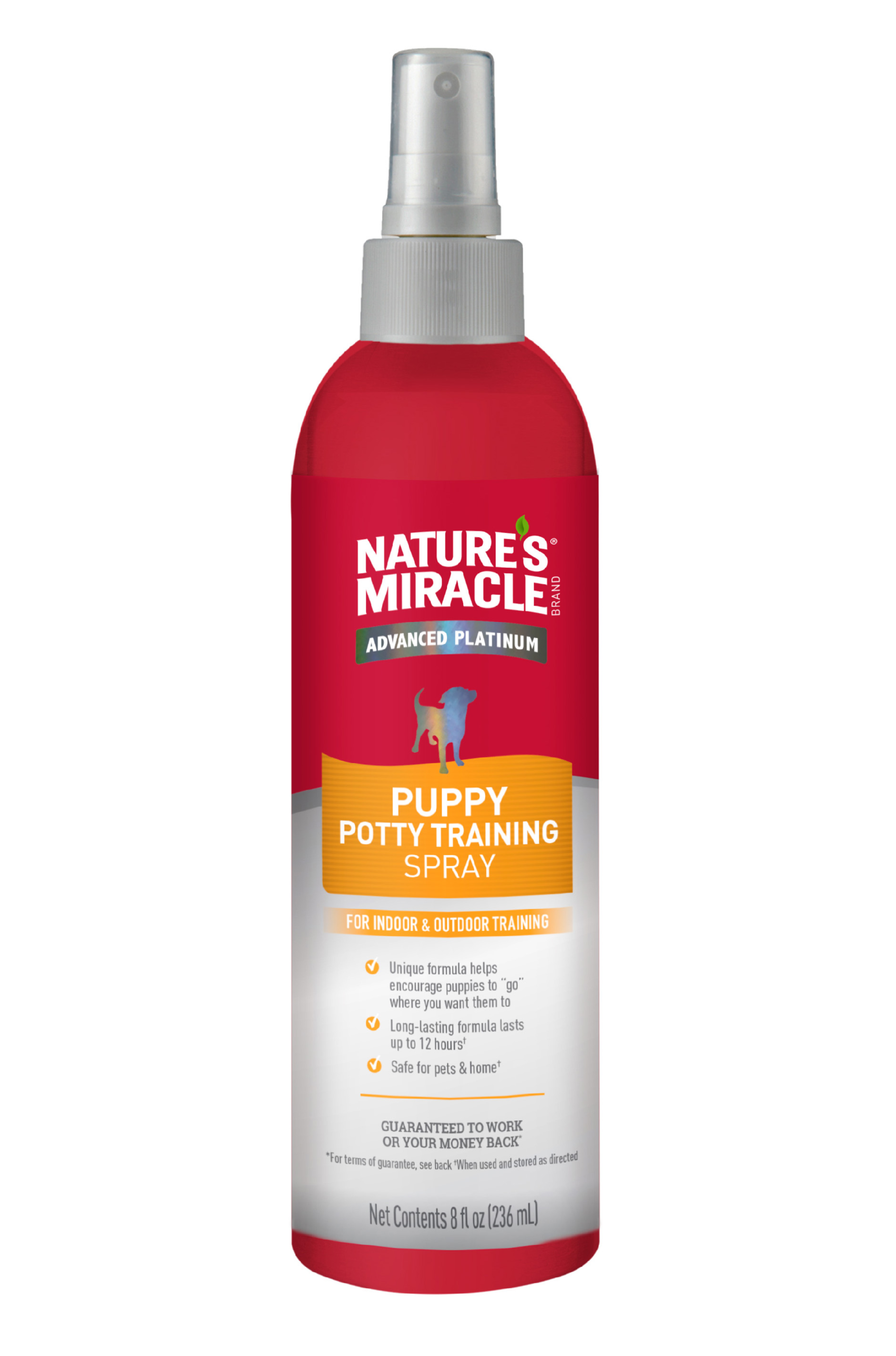
Potty training your puppy or adult dog can be a rewarding experience, but it often comes with its fair share of accidents and challenges. While consistency, positive reinforcement, and a solid routine are the cornerstones of successful potty training, the right tools can make a significant difference. Among these, potty training sprays have emerged as a popular aid for many dog owners. But what exactly are they, and how do they work? This guide will delve into the world of potty training sprays, helping you understand their benefits, how to use them effectively, and which ones might be the best fit for your canine companion.
Understanding Potty Training Sprays: How Do They Work?
Potty training sprays are essentially designed to either attract your dog to a specific spot for elimination or to deter them from soiling inappropriate areas. They achieve this through scent and, in some cases, by breaking down existing odors that might attract your dog back to the same accident spot.
Attractant Sprays
These sprays are formulated with natural scents that mimic a dog’s natural elimination signals. When sprayed on a designated potty spot, such as a puppy pad, a specific patch of grass in your yard, or a dog litter box, the scent encourages your dog to relieve themselves in that area. The idea is to guide your dog’s natural instincts to the desired location, making the training process more intuitive for them.
Repellent Sprays
Conversely, repellent sprays are used to discourage your dog from urinating or defecating in unwanted areas, like on carpets, furniture, or specific parts of your home. These sprays typically have a strong, unpleasant odor (to dogs, not necessarily to humans) that acts as a deterrent. They are not a standalone solution but are best used in conjunction with positive training methods to redirect the behavior.
Why Use a Potty Training Spray? The Benefits
While not a magic bullet, potty training sprays can offer several advantages when incorporated into a comprehensive training plan:
- Guidance and Direction: For puppies and new dogs, sprays can provide a clear cue about where it’s acceptable to go. This is especially helpful in the early stages of training when your dog is still learning the rules.
- Odor Neutralization: Many attractant sprays also contain enzymes that help break down the odor molecules of urine and feces. This is crucial for preventing your dog from returning to an accident spot, as they are often drawn back by residual smells.
- Convenience: Sprays offer a convenient way to designate a potty area, particularly for apartment dwellers or when training in a new environment.
- Reinforcing Positive Habits: By drawing your dog to the correct spot, these sprays can help reinforce positive elimination habits more quickly.
- Reducing Stress: For both owner and dog, a smoother potty training process can significantly reduce stress and frustration.
How to Use Potty Training Sprays Effectively
The effectiveness of a potty training spray largely depends on how it’s used. Simply spraying it and expecting instant results is unlikely to work. Here’s how to maximize their benefits:
For Attractant Sprays:
- Choose the Right Spot: Decide on a consistent potty location. This could be a puppy pad indoors, a specific section of your lawn, or a designated outdoor area.
- Apply the Spray: Lightly spray the attractant onto the chosen spot. Don’t oversaturate it.
- Take Your Dog There Regularly: Frequently escort your dog to the sprayed area, especially after waking up, after meals, and before bedtime.
- Positive Reinforcement: When your dog successfully eliminates in the designated spot, praise them enthusiastically and offer a high-value treat immediately. This positive association is key.
- Clean Accidents Thoroughly: If accidents happen elsewhere, clean them up immediately with an enzymatic cleaner to eliminate odors. This is where a good spray bottle for training dogs can be handy for targeted cleaning.
- Consistency is Crucial: Continue this routine diligently. As your dog becomes more reliable, you can gradually reduce the frequency of taking them to the spot, but always be prepared to reinforce success.
For Repellent Sprays:
- Identify Problem Areas: Determine where your dog is having accidents.
- Clean Thoroughly First: Ensure the area is completely clean with an enzymatic cleaner to remove any existing odors that might attract them back.
- Apply the Repellent: Spray the repellent around the perimeter of the designated “no-go” zones. Avoid spraying directly on your dog.
- Supervise and Redirect: Continue to supervise your dog closely. If you see them sniffing or about to eliminate in a forbidden area, calmly interrupt them and immediately redirect them to their designated potty spot.
- Combine with Positive Training: Repellent sprays work best when combined with positive reinforcement for successful eliminations in the correct area. The goal is to teach them where they should go, not just where they shouldn’t.
Top Picks: Evaluating the Best Potty Training Sprays for Dogs
The market offers a wide array of potty training sprays, each with different formulations and claims. When choosing the best potty training spray for your dog, consider the following factors:
- Ingredients: Look for natural, non-toxic ingredients. Many effective sprays use enzymatic formulas or natural scents. Avoid harsh chemicals.
- Scent Profile: For attractant sprays, the scent should be appealing to dogs but not overpowering for humans. For repellents, the scent should be strong enough to deter but not cause distress.
- Effectiveness: Reviews and testimonials from other dog owners can provide valuable insights into a product’s real-world performance.
- Enzymatic Action: If you’re dealing with persistent accident spots, a spray with strong enzymatic properties is essential for complete odor elimination.
- Brand Reputation: Opt for reputable brands known for quality pet products.
While specific product recommendations can change rapidly, here are some general categories and features to look for:
Popular Attractant Sprays:
- Enzymatic Formulas: These often combine attractant scents with enzymes to break down odors. They are great for both training and cleaning up accidents.
- Natural Scent-Based Sprays: Using scents derived from grass or other natural elements known to stimulate a dog’s urination instinct.
- “Potty Patch” Sprays: Designed specifically for use with artificial turf or indoor potty systems.
Popular Repellent Sprays:
- Citrus-Based Repellents: Many dogs dislike the scent of citrus.
- Bitter Sprays: While often used for chewing, some bitter-tasting sprays can deter dogs from licking or marking certain areas. However, for potty training, scent-based repellents are generally more effective.
Important Considerations Before Buying:
- Puppy vs. Adult Dog: While many sprays work for both, some formulations might be gentler or more targeted for puppies.
- Dog’s Sensitivity: Some dogs may be more sensitive to certain scents than others. It’s sometimes a process of trial and error to find what works best.
- The “No Shock” Philosophy: Many modern training approaches emphasize positive reinforcement and avoiding aversive methods. Ensure any training aid aligns with this philosophy. Consider exploring resources like no shock dog training collars if you are looking into other training tools, to ensure they align with humane practices.
Beyond the Spray: Holistic Potty Training Strategies
While sprays can be a helpful addition, they are most effective when part of a broader training regimen. Remember these essential elements:
- Establish a Routine: Take your dog out at regular intervals – upon waking, after meals, after playtime, and before bed. Consistency is key.
- Supervision: Keep a close eye on your dog, especially during the initial training phases. This allows you to interrupt accidents in progress and reward successes immediately. Investing time in understanding dog behavior, perhaps through resources like a comprehensive puppy and dog training encyclopedia, can be invaluable.
- Positive Reinforcement: Lavish praise, treats, and affection when your dog eliminates in the correct spot. This creates a positive association and encourages repetition.
- Crate Training: For puppies and new dogs, crate training can be an effective tool. Dogs are naturally reluctant to soil their sleeping area, which helps in house-training.
- Patience and Understanding: Every dog learns at a different pace. Avoid punishment, as it can create fear and anxiety, making training more difficult. Instead, focus on guidance and positive reinforcement. If you’re struggling, consider professional help; trainers like those at mutt island dog daycare grooming extended stay & training offer expert guidance.
- Realistic Expectations: Especially for younger puppies or dogs with a history of accidents, setbacks are normal. Don’t get discouraged.
Frequently Asked Questions About Potty Training Sprays
Q1: Can potty training sprays work on adult dogs?
A1: Yes, potty training sprays can be effective for adult dogs, especially those being re-homed, rescued, or who have developed bad habits. The principles of guidance and odor neutralization still apply.
Q2: Are potty training sprays safe for puppies?
A2: Most potty training sprays formulated with natural ingredients are safe for puppies. Always check the product label for age recommendations and ingredients.
Q3: How often should I use the attractant spray?
A3: Initially, use the attractant spray every time you take your dog to the designated potty spot. As your dog becomes more reliable, you may find you need to use it less frequently, but continue as needed to reinforce the habit.
Q4: What if my dog ignores the spray?
A4: If the spray isn’t working, it might be the wrong product for your dog, or your training routine may need adjustment. Ensure you are using consistent supervision and positive reinforcement. Sometimes, a different scent or brand might be more effective. You might also consider more direct training methods, such as those found in takacs in home dog training programs, to supplement the spray’s use.
Q5: How long does it take for a potty training spray to work?
A5: There’s no set timeline. The spray is a tool to aid training, not a replacement for it. Success depends on the dog, the owner’s consistency, and the overall training approach. Patience is key.
Q6: Can I use a potty training spray and an enzymatic cleaner together?
A6: Absolutely. Use an enzymatic cleaner to thoroughly clean any accident spots to remove odors. Then, use the attractant spray on the designated potty area to guide your dog.
Conclusion: Your Partner in Potty Training Success
Potty training sprays can be a valuable ally in your quest for a reliably house-trained dog. By understanding how they work and employing them consistently within a structured training program, you can significantly streamline the process. Remember that these sprays are aids, not magic wands. Combine them with a solid routine, abundant positive reinforcement, and a patient, understanding approach, and you’ll be well on your way to celebrating successful potty training and enjoying a cleaner home with your beloved canine companion.
