
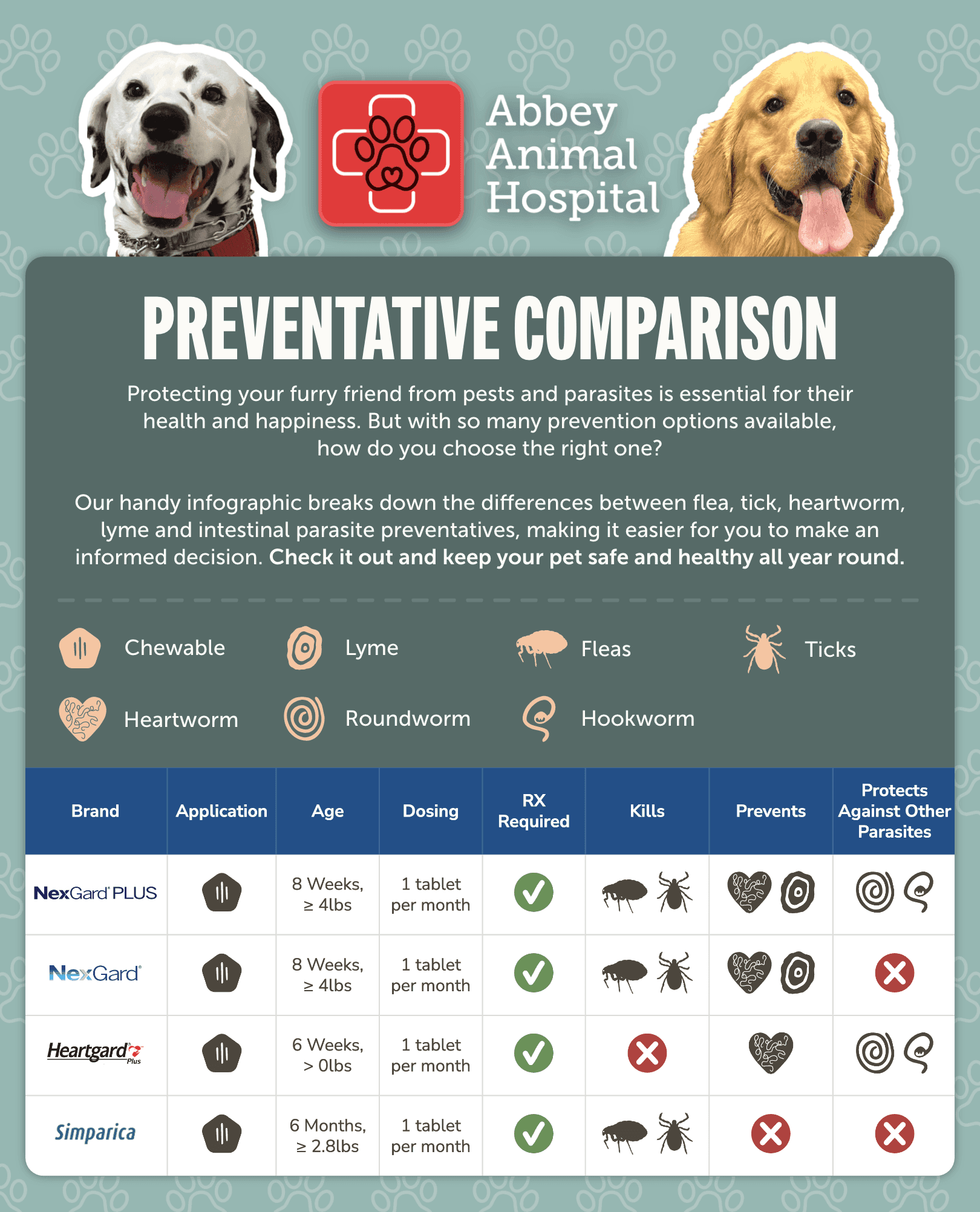
Fleas and ticks pose a significant threat to your dog’s health, leading to issues like skin irritation, anemia, tapeworm infections, Lyme disease, and Rocky Mountain spotted fever. Fortunately, effective flea and tick treatments for dogs are readily available to prevent and eliminate these parasites. Many products also offer protection against lice, mites, intestinal worms, and the life-threatening heartworm. The market offers various safe and effective options, including topical spot-ons, chewable tablets, shampoos, and collars. While some require a veterinary prescription, many effective treatments are available over-the-counter (OTC).
Our top recommendation for year-round protection is K9 Advantix II, an OTC topical treatment applied monthly. It not only repels and kills fleas and ticks but also combats mosquitoes, a vector for heartworm disease. This article will delve into this product and other excellent options, including a leading chewable pill, a prescription heartworm preventative, a reliable flea collar, and a highly effective shampoo.
How We Selected the Best Flea and Tick Treatments for Dogs
Our selection process involved consulting two veterinarians to gather expert insights on preventing and managing flea and tick infestations in dogs of all ages. We also referenced the Companion Animal Parasite Council’s Quick Product Reference Guide, a comprehensive resource listing FDA- and EPA-approved parasite control products for companion animals. This guide provided crucial information on active ingredients, usage, and targeted parasites for each product.
It is crucial to consult your veterinarian to determine the most suitable flea and tick medication for your dog. Factors such as your dog’s lifestyle, temperament, and the prevalence of specific parasites in your region will influence this decision.
Our Top Picks for the Best Flea and Tick Treatments for Dogs
- Best Topical Flea and Tick Prevention: K9 Advantix II
- Best Pill: Simparica TRIO
- Best Topical Flea and Heartworm Prevention: Advantage Multi for Dogs
- Best Collar: Seresto Flea and Tick Collar for Dogs
- Best Shampoo: Adams Plus Flea and Tick Shampoo with Precor
- Best for Young Puppies: Capstar for Dogs
Best Topical Flea and Tick Prevention: K9 Advantix II
K9 Advantix II is an exceptional over-the-counter topical treatment that effectively kills and repels adult fleas, four types of ticks, mosquitoes, biting flies, and lice on contact. Each application provides a full 30 days of protection. Its broad spectrum of action against mosquitoes makes it a valuable addition to a dog’s heartworm prevention strategy.
Pros:
- Kills five types of parasites.
- Effective for 30 days.
- Fleas do not need to bite for the product to work.
- Available over-the-counter.
Cons:
- Only kills adult fleas; does not target flea eggs or larvae.
- Not recommended for pregnant or nursing dogs.
Applying K9 Advantix II is straightforward: simply apply the liquid from the tube to several spots on your dog’s back, from the shoulders to the base of the tail. The active ingredients—imidacloprid, permethrin, and pyriproxyfen—work synergistically to control parasites. Veterinarian Dr. Kelley Lay prefers K9 Advantix II over Frontline Plus due to its wider range of efficacy, particularly against mosquitoes and certain tick species, which is critical in areas like Tennessee. It’s vital to remember that K9 Advantix II is strictly for dogs and is highly toxic to cats. Treated dogs should be kept away from felines for 24 hours post-application.
Best Pill: Simparica TRIO
Simparica TRIO is a highly effective oral medication that treats, controls, and prevents more parasites than any other oral product available. This monthly chewable tablet begins working within four hours, eliminating 100% of adult fleas on dogs within eight hours.
Pros:
- Protects against a wider range of parasites than other oral products.
- Provides once-monthly flea and tick treatment.
- Easy to administer, either alone or with food.
Cons:
- Not approved for puppies younger than 8 weeks or for breeding, pregnant, or nursing dogs.
The primary advantage of oral flea control is its systemic action, ensuring complete skin coverage without the risk of being washed off, as noted by veterinarian Dr. Kate Crumley. Simparica TRIO’s comprehensive protection extends to five species of ticks and flea larvae, surpassing the coverage offered by some other topical treatments. Administered once a month, these liver-flavored tablets contain sarolaner, moxidectin, and pyrantel for extensive parasite control. A veterinary prescription and a negative heartworm test are required for purchase. Caution is advised for dogs with a history of neurological disorders, such as seizures.
Best Topical Flea and Heartworm Prevention: Advantage Multi for Dogs
Advantage Multi for Dogs is a topical solution that offers broad-spectrum protection against six types of parasites. Applied monthly, it effectively kills adult fleas, preventing infestations by eliminating them before they can lay eggs. While it does not target ticks, it provides crucial prevention against heartworm, mange mites, and three types of intestinal parasites: roundworms, hookworms, and whipworms. A veterinary prescription is necessary, and dogs require an initial heartworm test and annual screenings thereafter.
Pros:
- Kills and prevents six types of parasites.
- Offers once-monthly treatment.
- Easy to administer.
Cons:
- Does not kill ticks.
- Not approved for puppies younger than 7 weeks or for breeding, pregnant, or nursing dogs.
Application is simple: for dogs over 20 pounds, apply to three to four spots on the back from the neck to the upper back. For smaller dogs, a single application between the shoulder blades suffices. The liquid absorbs quickly, and hands should be washed after application. Children should avoid contact with the application site for two hours. While Advantage Multi offers excellent control over fleas, heartworm, and intestinal parasites, Dr. Lay advises adding tick protection for dogs at higher risk.
Best Collar: Seresto Flea and Tick Collar for Dogs
The Seresto Flea and Tick Collar provides an impressive eight months of continuous protection against fleas and ticks in all life stages. It also combats chewing lice and mange mites.
Pros:
- Offers 8 months of continuous protection.
- Lightweight and comfortable for dogs.
- Adjustable to fit various dog sizes.
- Parasites do not need to bite for the collar to be effective.
Cons:
- Not recommended for puppies under 7 weeks of age.
- Children should not play with the collar.
- Adjusting the size can be challenging.
While traditional flea collars often lack efficacy, Seresto is a standout option. It’s a suitable choice for dogs that do not tolerate topical or oral flea and tick preventatives. The collar is odorless, lightweight, and adjustable. Its active ingredients, imidacloprid and flumethrin, are released in low concentrations, killing fleas and ticks on contact within 24 hours. It is also water-resistant, allowing for swimming and bathing without compromising protection. It is important to note reports regarding adverse incidents associated with Seresto collars, and owners should consult their veterinarian for safety guidance and purchase from reputable retailers.
Best Shampoo: Adams Plus Flea and Tick Shampoo with Precor
Adams Plus Flea and Tick Shampoo is a highly effective option for killing fleas, flea eggs and larvae, ticks, and lice for up to 28 days. It also soothes dry, irritated skin caused by flea bites.
Pros:
- Kills all flea life stages, adult ticks, and lice on contact.
- Provides long-lasting effectiveness.
- Soothes dry, irritated skin.
- Pleasant fragrance.
Cons:
- Not labeled for puppies under 12 weeks of age.
- A thick lather may be difficult to rinse.
- Can wash off topical flea and tick treatments.
This shampoo contains pyrethrins and S-methoprene (Precor), along with piperonyl butoxide to enhance their effectiveness. Oatmeal is included to soothe itchy skin, and the shampoo has a pleasant coconut scent. While shampoos can be used alongside prescription flea control, they should not be the primary defense against fleas due to their short-term protection. Dr. Lay emphasizes that year-round prevention prescribed by a veterinarian remains the gold standard.
Best for Young Puppies: Capstar for Dogs
For puppies as young as 4 weeks old, Capstar for Dogs is the only flea control product safe for them, starting to kill fleas within 30 minutes. This over-the-counter medication is crucial for young puppies who may not yet be old enough for longer-acting treatments.
Pros:
- Fast-acting treatment kills adult fleas within 30 minutes.
- Easy to administer.
- Can be used with other flea control products.
- Available without a prescription.
Cons:
- Does not provide long-term protection.
- Does not kill flea larvae or eggs.
- Only prevents fleas, not other parasites.
The active ingredient, nitenpyram, works rapidly, eliminating over 90% of adult fleas in as little as four hours. While its protection lasts only 24 hours, it can be administered daily if needed, making it ideal for very young puppies. Once puppies reach the appropriate age, transitioning to a monthly preventative is recommended.
What to Look for in Flea and Tick Treatments for Dogs
When selecting a flea and tick treatment, consult your veterinarian. Key considerations include:
- Safety and Efficacy: Ensure products are approved by the FDA or EPA. Check the Animal Drugs @ FDA database or the EPA’s Pesticide Product and Label System.
- Parasite Coverage: Products that protect against multiple parasites (fleas, ticks, heartworms, intestinal worms) are often more convenient.
- Ease of Use: Consider how simple the application method is for you and your dog.
- Minimum Age and Weight: Ensure the product is suitable for your dog’s age and size.
- Prescription vs. Over-the-Counter: Prescription medications often offer broader parasite protection, especially against heartworms, but OTC options can still be effective.
- Type of Medication: Topical, oral, collars, and shampoos all have varying levels of effectiveness and convenience. Sprays are generally less recommended.
- Natural vs. Synthetic: Veterinarians generally advise against relying solely on natural products, recommending veterinarian-approved treatments for reliable protection. Be cautious with essential oils, as some can be toxic to cats.
- Other Pets: Never use dog-specific products on cats, as certain ingredients can be harmful.
Dog Flea and Tick Treatments FAQs
Which flea treatments do vets recommend for dogs?
Veterinarians often recommend a multi-faceted approach: eliminate existing fleas, prevent new infestations, and treat the environment. Year-round, broad-spectrum parasite preventatives are generally advised.
What is the most effective flea treatment for dogs?
The most effective treatment varies by dog and their specific needs. Treatments offering long-lasting protection, targeting all flea life stages, and preventing other parasites like heartworms are generally considered most desirable. Your veterinarian is the best resource for personalized recommendations.
What is the best method of tick prevention for dogs?
Consistent, year-round use of veterinarian-approved tick preventive products (oral or topical) is the best method. Regular checks for ticks after outdoor activities are also crucial. Oral preventatives containing isoxazoline compounds are often preferred by vets for their rapid tick-killing action.
Do all dogs need flea and tick medicine?
Yes, fleas and ticks carry diseases that can severely impact a dog’s health. Year-round prevention is recommended as these parasites can persist throughout the year.
What are the different types of flea and tick medicines?
Medicines come in oral, topical, collar, and shampoo forms. Oral and topical treatments are generally considered more effective than collars and shampoos, which offer shorter-term relief.
How do you kill fleas permanently?
Permanent flea elimination requires killing adult fleas, eggs, and larvae. Consistent, year-round prevention and environmental treatment are key.
What is the safest flea and tick medicine for dogs?
Safest options are FDA-approved medications appropriate for your dog’s age, weight, and health status. Always read labels and consult your veterinarian.
Can I get flea and tick medicine without a vet prescription?
Yes, over-the-counter (OTC) treatments are available without a prescription, though they may not offer the same breadth of protection as prescription options.
Do flea collars work?
Some flea collars work, but they are generally less effective than oral or topical treatments. Seresto is a notable exception, offering extended protection.
How can I tell if my dog has fleas?
Signs include excessive scratching, biting, or licking; red, irritated skin; and “flea dirt” (flea feces). A flea comb can help identify flea dirt.
Do I need to take my dog to the vet after a tick bite?
Not necessarily, if you remove the tick completely. However, consult your vet if the tick was attached for over 24 hours or if your dog exhibits any signs of illness, such as lethargy, loss of appetite, fever, or limping.
Disclaimer: This article provides general information and recommendations. Always consult your veterinarian for personalized advice regarding your dog’s health and treatment plan.
