
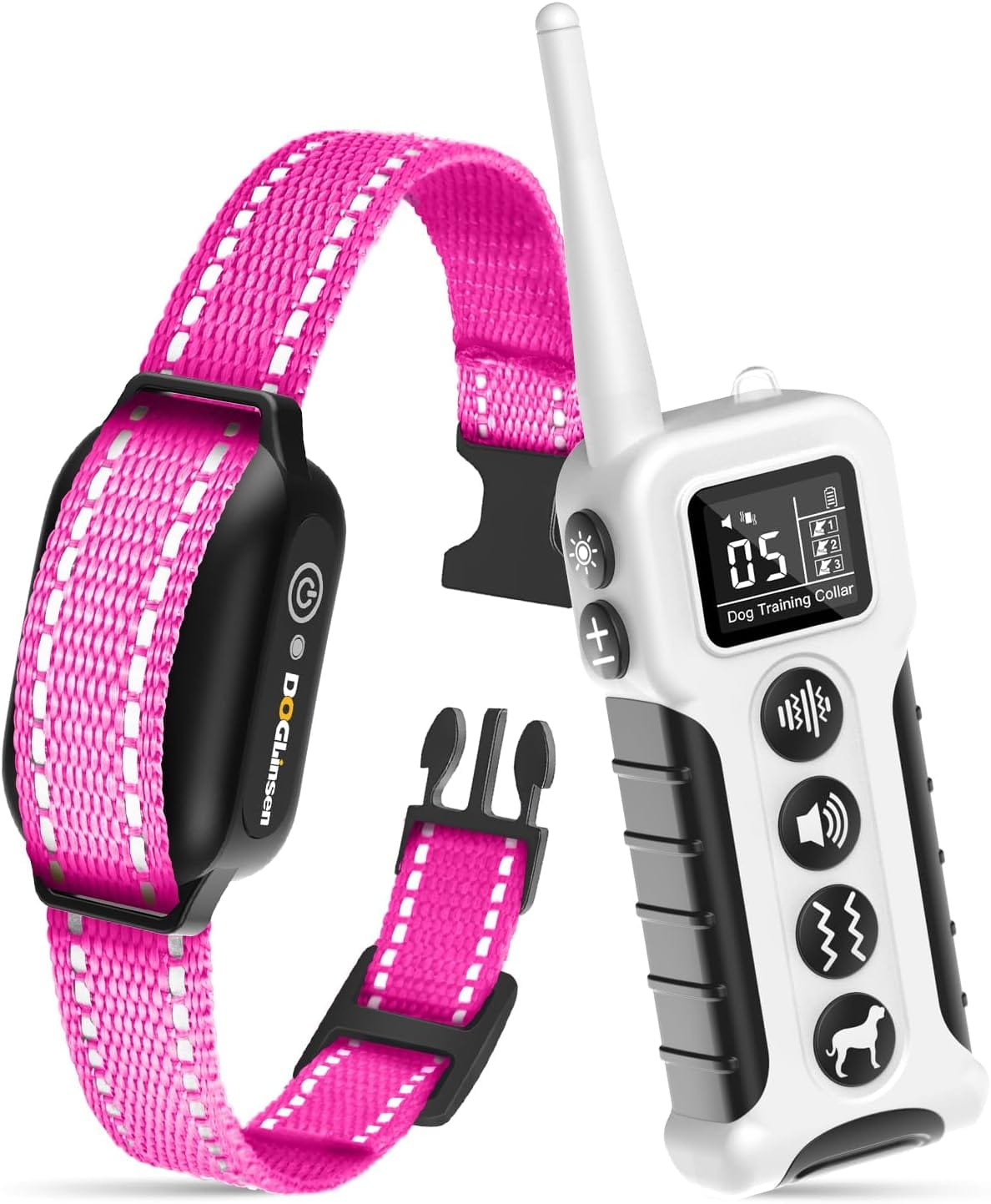
When it comes to training your furry companion, the goal is always a well-behaved dog that brings joy, not chaos, into your home. While traditional training methods sometimes involved harsh correction, modern understanding of canine behavior and learning has paved the way for more humane and effective approaches. If you’re looking for a way to guide your dog without resorting to painful or aversive techniques, you’re likely searching for the “Best No Shock Dog Training Collar.” This guide will walk you through what to look for, the benefits of these collars, and some excellent options available for a more positive training experience.
The quest for the “best no shock dog training collar” is rooted in a desire to build a strong, trusting relationship with your dog. These collars operate on the principles of positive reinforcement and gentle guidance, making training a collaborative effort rather than a battle of wills. Unlike shock collars, which deliver an electric jolt, no-shock collars utilize alternative methods to capture your dog’s attention and redirect unwanted behaviors. This could include vibration, sound, or even gentle citronella spray, all designed to be noticeable without causing distress or pain.
Understanding the “No Shock” Difference
Before diving into specific products, it’s crucial to understand why “no shock” is a significant differentiator in the world of dog training equipment.
Why Avoid Shock Collars?
Shock collars, while sometimes promoted for their apparent quick results, come with a host of potential drawbacks:
- Risk of Physical Harm: Improper use or a malfunctioning collar can cause physical pain, burns, or lasting discomfort to your dog.
- Psychological Distress: The constant fear of a shock can lead to anxiety, fear-based aggression, and a breakdown of trust between you and your dog.
- Suppression, Not Correction: Shock collars often suppress behavior temporarily rather than addressing the underlying cause. A dog might stop jumping because it fears the shock, but it doesn’t learn why jumping is inappropriate or what to do instead.
- Association of Pain with You: Dogs are intelligent and can associate the pain with your presence or the training session itself, damaging your bond.
How No Shock Collars Work
No shock collars offer a kinder, more effective path by using stimuli that are startling or distracting rather than painful. The most common types include:
- Vibration Collars: These collars emit a vibration of varying intensity. When your dog performs an unwanted behavior, a vibration can be triggered remotely or automatically when the dog reaches a certain point (like a boundary). The vibration serves to interrupt the behavior and get the dog’s attention, allowing you to redirect them.
- Sound Collars: Similar to vibration collars, these emit a tone. The sound is typically unique and designed to be noticeable by dogs, acting as a cue for attention.
- Citronella Collars: When an unwanted behavior is detected (e.g., barking), the collar releases a burst of citronella spray. The scent is unpleasant to most dogs but harmless, effectively interrupting the action without causing pain.
- Remote Trainers with Gentle Stimuli: Some remote collars offer a range of correction levels, with the lowest being a gentle tap or buzz, ensuring no actual shock is delivered.
Key Features to Look for in the Best No Shock Dog Training Collar
When you’re shopping for the “best no shock dog training collar,” keep these essential features in mind to ensure you choose a product that is safe, effective, and suitable for your dog’s needs.
1. Safety and Reliability
This is paramount. Look for collars made from durable, pet-safe materials. Ensure the electronic components are well-sealed and waterproof, especially if you live in a wet climate or your dog enjoys swimming. Read reviews specifically mentioning the collar’s reliability and absence of accidental triggers.
2. Range and Connectivity
Consider the range of the collar’s remote or Bluetooth connection. If you have a large yard or plan to train in open spaces, you’ll need a collar with a substantial range. For proximity training, a shorter range might suffice. Ensure the connectivity is stable and doesn’t drop unexpectedly.
3. Adjustable Intensity Levels
Even within “no shock” technology, the intensity of vibrations, sounds, or spray can vary. The best collars offer multiple adjustable levels, allowing you to find the perfect setting for your individual dog. A tiny Chihuahua will need a much lower intensity than a large Great Dane. This adjustability is key to humane training.
4. Ease of Use
The remote control should be intuitive and easy to operate, especially during a training session when you need to react quickly. The collar itself should be simple to put on and take off your dog. Many modern collars connect to smartphone apps, offering even greater control and customization.
5. Specific Training Needs
Think about why you need the collar.
- For barking: A bark-activated collar (vibration or citronella) can be highly effective.
- For boundary training: A remote or automatic boundary collar that uses vibration or sound when your dog approaches a designated line is ideal.
- For general obedience: A remote-controlled collar with adjustable vibration or sound settings can be used to mark desired behaviors or interrupt unwanted ones.
This is where the concept of dog scent training kit can be integrated, as scent work itself is a positive reinforcement method that builds focus and engagement.
6. Battery Life and Charging
Long battery life is essential, especially for extended training sessions or if you forget to charge it frequently. Look for models with quick charging capabilities or easily replaceable batteries.
Top No Shock Training Collar Options
While the “best” collar is subjective and depends on your dog and training goals, here are some highly-regarded types and features to consider.
Vibration Training Collars
These are perhaps the most popular and versatile no-shock option. They work by delivering a vibration to the dog’s neck, which is usually enough to get their attention without causing pain or fear.
- Pros: Generally very effective for most dogs, humane, good for various training scenarios (barking, attention, remote command), multiple levels of intensity.
- Cons: Some dogs might ignore mild vibrations; requires remote or automatic activation.
If you’re considering remote trainers, exploring options for dog training port orange or similar local services might offer in-person guidance on using such tools effectively.
Citronella Bark Collars
These collars are specifically designed to deter excessive barking. When the dog barks, the collar detects the vibration of the vocal cords and emits a burst of citronella spray.
- Pros: Targets a specific behavior (barking), safe and non-aversive spray, effective for many dogs prone to nuisance barking.
- Cons: Less effective for dogs who don’t mind the scent or bark for specific reasons (e.g., anxiety), requires refilling the citronella cartridges.
Remote Trainers with Graduated Levels (No Shock Setting)
Many reputable remote training collars offer a spectrum of stimuli, including vibration, sound, and a very gentle “level 0” or “buzz” that is distinctly not a shock.
- Pros: Highly versatile, allows for precise control, can be used for a wide range of training commands.
- Cons: Requires active use of the remote by the handler, can be misused if not understood properly.
When discussing training tools, it’s important to remember that they are aids, not replacements for proper training techniques. Understanding your dog’s temperament is crucial. For instance, if you’re in an area like Sonoma County, you might find specialized resources related to dog training sonoma county that emphasize local training philosophies.
Integrating No Shock Collars into Your Training Routine
A no-shock collar is a tool, and like any tool, its effectiveness depends on how you use it. Here’s how to integrate it wisely:
1. Start with Low Intensity
Always begin with the lowest possible setting for vibration or sound. Your goal is to get your dog’s attention, not to startle or scare them. Gradually increase the intensity only if necessary, and always observe your dog’s reaction.
2. Use it for Interruption and Redirection
The primary use of a no-shock collar is to interrupt an unwanted behavior. As soon as your dog begins to bark excessively, jump on guests, or chew on forbidden items, use the collar’s stimulus. Immediately follow this with a command for the desired behavior (e.g., “sit,” “down”) and reward them when they comply. This teaches them what you want them to do.
3. Pair with Positive Reinforcement
No-shock collars are most effective when used in conjunction with positive reinforcement techniques. This means rewarding good behavior with treats, praise, or toys. The collar helps to curb unwanted actions, while positive reinforcement teaches the correct ones.
4. Be Consistent
Consistency is key in dog training. Ensure everyone in the household uses the collar and training commands in the same way. Regular, short training sessions are more effective than infrequent long ones.
5. Understand Your Dog’s Body Language
Pay close attention to your dog’s reactions. If they show signs of fear, excessive stress, or avoidance, the collar might be too intense, or it might not be the right tool for your dog. Consider consulting a professional dog trainer. Some trainers specialize in advanced techniques, potentially including how to use a vibrating training collar for dogs effectively.
6. When to Seek Professional Help
If you’re struggling with specific behavioral issues, or if your dog is exhibiting significant fear or aggression, it’s always best to consult a certified professional dog trainer or a veterinary behaviorist. They can assess your dog’s situation and recommend the most appropriate training strategies, which may or may not involve a collar.
Addressing Common Concerns
Many dog owners have questions and concerns about training collars. Let’s address a few:
“Will my dog become dependent on the collar?”
No-shock collars, when used correctly, are designed to fade out over time. The goal is to use the collar to interrupt unwanted behavior and then teach an alternative, desired behavior. As the dog learns, the reliance on the collar decreases. The ultimate aim is for your dog to understand and follow commands without any collar.
“What about a [dog shock training collar]?”
While the term “shock collar” is often used colloquially, it’s important to distinguish between actual shock collars and those that use no-shock technology. If your search led you here because you were considering a shock collar but had reservations, we strongly encourage you to explore the humane alternatives discussed. The “best no shock dog training collar” is one that achieves your training goals without causing your dog undue stress or pain.
“Is this suitable for all breeds?”
No-shock collars, particularly vibration collars, are generally suitable for most breeds and sizes. However, extremely timid or sensitive dogs may require very low-intensity settings or alternative training methods altogether. Always consider your dog’s individual temperament.
Conclusion: A Kinder Path to Canine Companionship
Choosing the “best no shock dog training collar” is a testament to your commitment to a positive and loving relationship with your dog. By opting for humane training tools, you reinforce trust, encourage clear communication, and foster a well-behaved companion who is a joy to be around. Remember that any training tool is only as good as the hands that wield it. Combine the right equipment with patience, consistency, and positive reinforcement, and you’ll be well on your way to building an unbreakable bond with your furry best friend. The journey of training is a story you write together, and with the right approach, it’s a story filled with understanding, progress, and wagging tails.
