
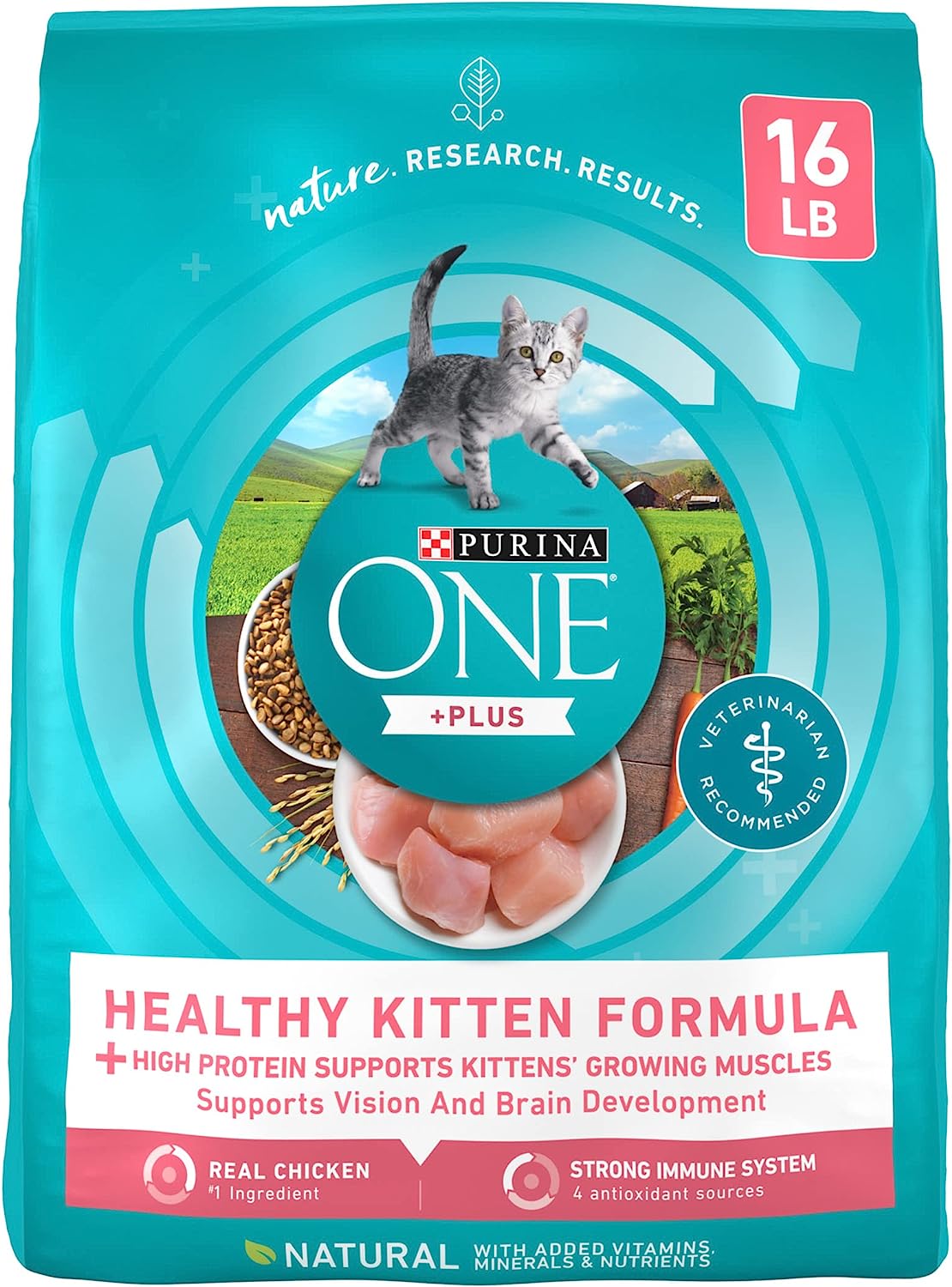
Welcome to the world of kitten parenthood! Just like your adorable furball, the best kitten food is packed with energy, rich in protein, and loaded with essential nutrients to support their rapid growth and development. But with so many options on the market, choosing the right food can feel overwhelming. This guide will help you navigate the choices and find the purr-fect meal for your growing feline friend.
Understanding Your Kitten’s Nutritional Needs
Kittens have unique nutritional requirements that differ significantly from adult cats. During this crucial stage of development, they need a diet that is calorie-dense and rich in specific nutrients to support everything from muscle and bone formation to brain and eye development.
The Importance of Protein and Fat
As obligate carnivores, cats and kittens thrive on diets primarily derived from animal sources. Protein is the fundamental building block for muscle, bone, and organ development. Kittens require a higher protein content than adult cats to fuel their rapid growth. Similarly, healthy fats are essential for energy and support the development of the brain and eyes. Look for foods where the first few ingredients are high-quality animal proteins.
Essential Nutrients for Growth
Beyond protein and fat, kittens need a precise balance of vitamins and minerals. Taurine, an essential amino acid, is crucial for heart health and vision. Omega-3 fatty acids, particularly DHA, play a vital role in brain and eye development. Calcium and phosphorus are critical for strong bones and teeth. Ensure the kitten food you choose is formulated to meet these specific needs.
Moisture Content Matters
While dry kibble can be convenient, wet food offers significant advantages for kittens. The high moisture content in wet food contributes to proper hydration, which is essential for kidney and urinary tract health. It can also help prevent issues like constipation. Many veterinarians recommend incorporating wet food into your kitten’s diet, or ensuring they have constant access to fresh water if primarily feeding dry food.
Our Top Picks for the Best Kitten Food
After extensive research and analysis, we’ve identified the top kitten food brands and formulas that meet the stringent nutritional requirements for growing felines. Our selection is based on ingredient quality, nutritional profiles, and overall suitability for kittens.
Overall Best: Smalls Ground Other Bird Fresh Cat Food
Smalls Ground Other Bird Fresh Cat Food is our top recommendation for its fresh, human-grade ingredients and commitment to a protein-rich, low-carbohydrate formula. This subscription-based service delivers nutrient-dense meals directly to your door, ensuring convenience and quality. The “Other Bird” recipe features turkey as a single, high-quality animal protein source, supported by turkey liver and supplemented with cod liver oil for essential omega-3 fatty acids.
- Made In: United States
- Guaranteed Protein: 14.5% Min
- Age Range: All Life Stages
- Calories Per Ounce: 40
- Typical Cost Per Day: $4 per day
This fresh food is rich in moisture to support hydration and free from animal by-product meals and artificial additives, making it an excellent choice for your kitten’s overall health and development.
Best Dry: Open Farm Kitten Grain-Free Dry Cat Food
For owners who prefer dry food, Open Farm Kitten Grain-Free Dry Cat Food stands out. It’s crafted with humanely raised chicken and turkey as the primary protein sources, complemented by fish meal and salmon oil for DHA. This formula is designed to meet the high-protein demands of growing kittens.
- Made In: United States
- Guaranteed Protein: 40% Min
- Age Range: All Life Stages
- Calories Per Ounce: 110
- Typical Cost Per Day: $0.80 per day
While dry food lacks the moisture of wet food, this option is fortified with functional ingredients like pumpkin for digestion and cranberries for urinary tract support. Remember to ensure your kitten has ample access to fresh water when feeding dry kibble.
Best with Gravy: Weruva Kitten Minced Chicken & Tuna Formula in Gravy Wet Cat Food
Weruva Kitten Minced Chicken & Tuna Formula in Gravy is an excellent choice for kittens who enjoy a more palatable meal with a flavorful gravy. This formula features chicken, tuna, and egg in a minced texture, making it easy to eat.
- Made In: Thailand
- Guaranteed Protein: 11.5% Min
- Age Range: Kitten
- Calories Per Ounce: 29
- Typical Cost Per Day: $4.15 per day
This recipe is rich in moisture and offers a significant amount of protein and fat, supporting your kitten’s hydration and growth needs.
Vet Recommended Dry: Hill’s Science Diet Kitten Healthy Development Chicken Recipe Dry Cat Food
Hill’s Science Diet has a long-standing reputation and is often recommended by veterinarians. Their Kitten Healthy Development Chicken Recipe Dry Cat Food is formulated with chicken as the primary ingredient and includes beneficial whole grains.
- Made In: United States
- Guaranteed Protein: 33% Min
- Age Range: Kitten
- Calories Per Ounce: 116
- Typical Cost Per Day: $0.55 per day
This dry food provides a good balance of protein and fat, and its palatability makes it a popular choice among kittens.
Best Moist: Tiki Cat Baby Chicken, Salmon, & Chicken Liver Recipe Wet Cat Food
Tiki Cat Baby Chicken, Salmon, & Chicken Liver Recipe Wet Cat Food offers a species-appropriate, protein-rich diet in an easy-to-chew texture. This wet food combines chicken, salmon, and chicken liver, providing essential amino acids and DHA for development.
- Made In: Thailand
- Guaranteed Protein: 15% Min
- Age Range: All Life Stages
- Calories Per Ounce: 35
- Typical Cost Per Day: $5.80 per day
The unique texture of mousse topped with fine shreds makes this a highly appealing option for kittens.
Best for Picky Eaters: Purina ONE Healthy Kitten Chicken & Salmon Recipe Paté Wet Kitten Food
For kittens with discerning palates, Purina ONE Healthy Kitten Chicken & Salmon Recipe Paté is a great choice. This moisture-rich, multi-protein paté is made entirely from animal-sourced ingredients and is designed to be highly palatable.
- Made In: United States
- Guaranteed Protein: 11% Min
- Age Range: Kitten
- Calories Per Ounce: 35
- Typical Cost Per Day: $2.50 per day
Its smooth texture and appealing flavor profile make it ideal for even the pickiest of eaters.
Best Pate: Wellness CORE Kitten Turkey & Chicken Liver Pâté
Wellness CORE Kitten Turkey & Chicken Liver Pâté is a highly nutritious option packed with species-appropriate protein from turkey, chicken, and herring, along with nutrient-dense organ meats. This pâté is easily digestible, rich in moisture, and low in carbohydrates.
- Made In: Canada, United States
- Guaranteed Protein: 12% Min
- Age Range: All Life Stages
- Calories Per Ounce: 38
- Typical Cost Per Day: $3.70 per day
The inclusion of fish oil provides DHA, which is essential for your kitten’s brain and eye development.
Best Budget: Fancy Feast Kitten Tender Turkey Feast Canned Cat Food
Fancy Feast Kitten Tender Turkey Feast Canned Cat Food offers an affordable yet nutritious option for kittens. This formula emphasizes animal ingredients, minimizes carbohydrates, and is known for its palatability.
- Made In: United States
- Guaranteed Protein: 11% Min
- Age Range: Kittens
- Calories Per Ounce: 31
- Typical Cost Per Day: $1.95 per day
While it contains meat by-products and artificial colors/flavors, the primary ingredient is high-quality animal protein, making it a budget-friendly choice.
Best Human-Grade Wet: The Honest Kitchen Grain-Free Chicken Câté Wet Cat Food
For those seeking the highest quality, The Honest Kitchen Grain-Free Chicken Câté Wet Cat Food is prepared according to human food manufacturing standards. This grain-free formula features chicken as its primary ingredient and includes salmon oil for essential DHA.
- Made In: United States
- Guaranteed Protein: 10% Min
- Age Range: All Life Stages
- Calories Per Ounce: 31
- Typical Cost Per Day: $3.92 per day
This human-grade food is rich in moisture and free from artificial additives, providing a superior nutritional option for your kitten.
What to Look for When Shopping for Kitten Food
When selecting the best food for your kitten, consider these key factors:
- High Protein Content: Kittens need more protein than adult cats. Look for a minimum of 28% crude protein in dry food and 7% in wet food (which translates to at least 30% on a dry matter basis).
- Calorie Density: Kittens require more calories per pound to support their rapid growth. Calorie-dense foods ensure they get adequate nutrition without overeating.
- Animal-Based Ingredients: As obligate carnivores, cats and kittens need nutrients found in animal tissues. Prioritize foods with animal protein and fat as the primary ingredients.
- Essential Nutrients: Ensure the food is enriched with taurine, DHA, calcium, and phosphorus for optimal development.
- Moisture Content: Wet food is generally recommended for kittens due to its high moisture content, supporting hydration and overall health.
- Absence of Harmful Additives: Avoid artificial flavors, colors, and synthetic preservatives.
Frequently Asked Questions
When Should You Start Feeding Kitten Food?
Kittens typically begin transitioning from their mother’s milk to solid food around four weeks of age. By seven weeks, they should be fully weaned and eating a solid diet.
How Often Should You Feed Your Kitten?
Kittens thrive on a feeding schedule of three to four small meals per day to meet their high energy and nutritional needs.
Is It Okay to Feed Your Kitten a Variety of Foods?
Introducing varied textures and flavors during kittenhood can help prevent finicky eating habits later in life. This variety can also ensure your kitten is exposed to a broader range of nutrients.
When Should You Stop Feeding Kitten Food?
Most cats can transition to an adult diet around one year of age, or when they reach physical maturity. Consult your veterinarian for personalized advice on the best time to make this switch.
Can Adult Cats Eat Kitten Food?
While adult cats can eat kitten food, it’s not ideal for long-term feeding. Kitten food is designed with higher levels of certain minerals and calories to support growth, which can be excessive for adult cats and potentially lead to obesity. However, it can be a beneficial option for underweight adult cats needing to gain weight.
