
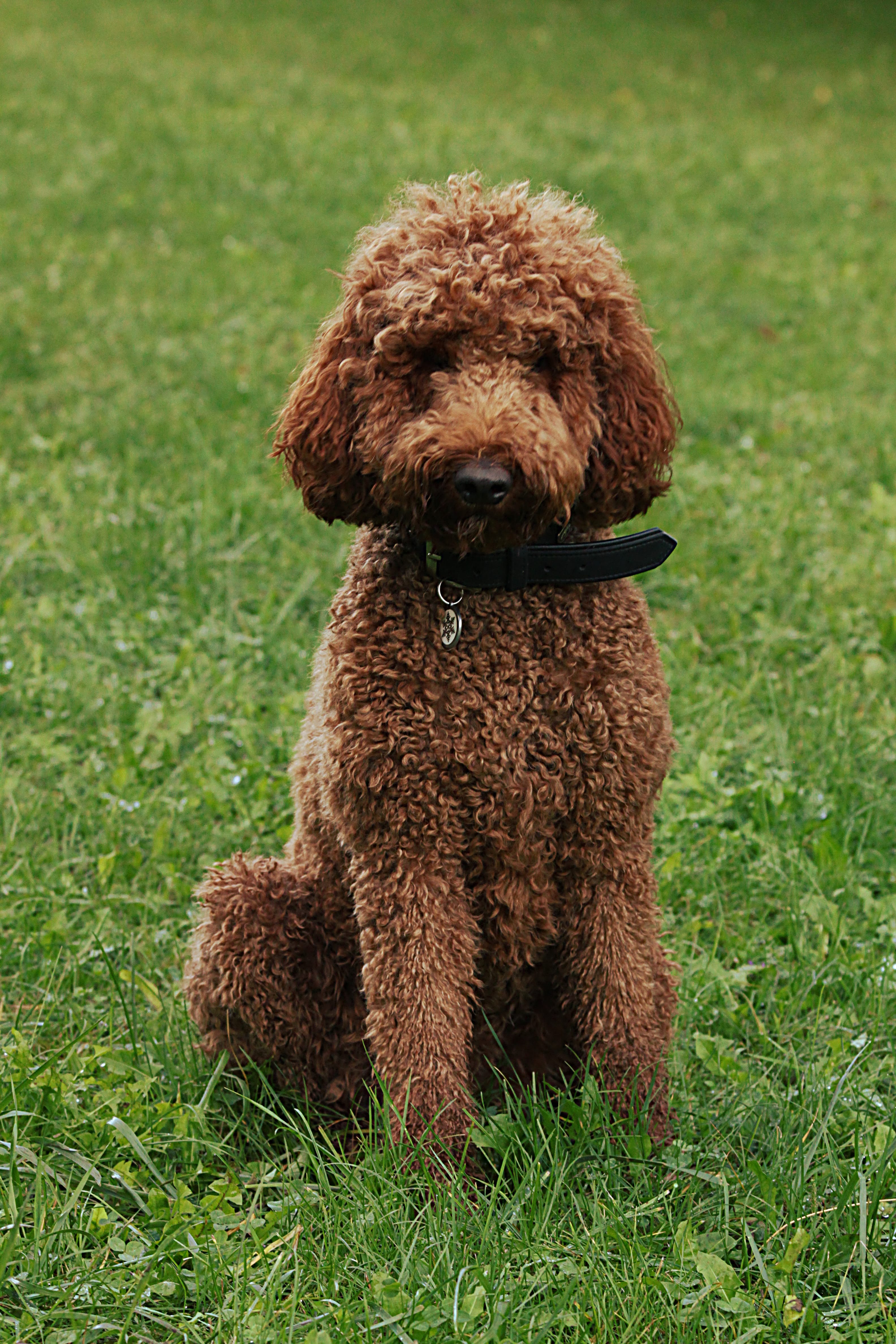
For many, the desire to own a dog is undeniable, but allergies can present a significant barrier. Fortunately, the concept of “hypoallergenic” dogs offers a beacon of hope. While no dog is entirely free of allergens, certain breeds are specifically developed to produce fewer allergy-inducing dander, making them a more suitable choice for individuals with sensitivities. This guide explores some of the best dog breeds for allergy sufferers, offering insights into their characteristics and care.
Understanding Hypoallergenic Dogs
The term “hypoallergenic” in the context of dogs refers to breeds that are bred to have a reduced level of allergens. It’s crucial to understand that all dogs produce allergens, primarily found in their dander (dead skin flakes), saliva, and urine. Hypoallergenic breeds, however, tend to shed less dander, which is the main culprit behind allergic reactions like sneezing, itching, and wheezing. Therefore, while these breeds can significantly improve the living situation for allergy sufferers, they are not a guaranteed solution for everyone.
Esteemed Hypoallergenic Dog Breeds
Numerous breeds are recognized for their hypoallergenic qualities. These dogs often feature unique coat types that minimize shedding and dander distribution.
Poodle
Poodles, in all their sizes—Standard, Miniature, and Toy—are renowned for their hypoallergenic coats. These dogs shed minimally and possess a high level of intelligence. The Standard Poodle, originally bred for hunting, is the largest, while the Miniature and Toy varieties were developed as smaller counterparts. Their curly coats require regular grooming to prevent tangles and matting, making a dog brush an essential tool for owners.
Yorkshire Terrier
Small and spirited, Yorkshire Terriers, or “Yorkies,” are affectionate companions with a spunky personality. Their minimal shedding makes them a popular choice for allergy sufferers. Yorkies are adaptable to various living environments, from spacious homes to compact apartments, provided they receive ample attention from their families.
Shih Tzu
Another small breed, the Shih Tzu, is an ancient companion dog known for its thick coat and friendly demeanor. Due to their flat faces, they can be prone to certain health issues like overheating, breathing difficulties, and tear stains, which can be managed with specialized eye wipes for dogs.
Miniature Schnauzer
The smallest of the three Schnauzer breeds, the Miniature Schnauzer stands no more than 14 inches tall. These intelligent dogs are well-suited for diverse living situations. They require at least an hour of daily exercise to maintain their well-being.
Standard Schnauzer
Similar in temperament to their miniature counterparts, Standard Schnauzers are larger dogs, weighing up to 45 pounds. They enjoy activities such as long walks, playing fetch, and engaging with dog puzzle toys.
Giant Schnauzer
The Giant Schnauzer is one of the largest hypoallergenic breeds, capable of reaching heights over 27 inches and weighing up to 85 pounds. These energetic dogs require substantial exercise, including long walks, runs, hikes, and games of fetch. Tools like the Chuckit! Ball Launcher can help manage their energy levels during playtime.
Bichon Frise
Small, lively, and loving, the Bichon Frise boasts a curly, hypoallergenic coat. Their high intelligence and trainability allow them to quickly learn basic commands and fun tricks through positive reinforcement methods.
Chinese Crested
The Chinese Crested is a unique small breed with two coat varieties: hairless and powderpuff. Both are hypoallergenic. This breed is known for being playful, affectionate, and an excellent companion.
Portuguese Water Dog
Originally bred to assist fishermen in Portugal, the Portuguese Water Dog has a thick, curly, low-shedding coat. These intelligent, trainable, and friendly dogs are high-energy and thrive on regular exercise, especially swimming. Floating toys, like those found in the Chuckit! Amphibious Dog Toy Kit, are ideal for them.
Labradoodle
A cross between a Labrador Retriever and a Poodle, the Labradoodle was initially bred as a hypoallergenic service dog. They are intelligent, friendly, highly trainable, and gentle, making them excellent family pets when socialized early and provided with adequate exercise.
Goldendoodle
Another popular “doodle” breed, Goldendoodles are a cross between a Golden Retriever and a Poodle. They are known for their low-shedding coats, friendly nature, and high intelligence. Regular grooming with a dog slicker brush is essential to prevent matting.
Lagotto Romagnolo
These dogs were originally bred as water retrievers, with a dense, woolly coat that protected them from cold water. Lagotto Romagnolos can be good with children and other pets, making them suitable family dogs.
Affenpinscher
Affenpinschers are small dogs with a dense, wiry coat that produces fewer allergens. Their coat requires regular care, including at-home brushing and stripping, a technique where hair is removed by the root.
Irish Water Spaniel
Friendly, intelligent, and trainable, Irish Water Spaniels are water retrieving dogs with a distinctive thick, curly coat that is always liver-colored. They are a high-energy breed requiring ample exercise.
Aussiedoodle
A cross between an Australian Shepherd and a Poodle, the Aussiedoodle is a highly intelligent and energetic dog. To prevent destructive behavior due to boredom, they need plenty of exercise and mental stimulation with enrichment toys like dog treat dispensers.
Bolognese
Originating from Italy, Bolognese dogs have a long, fluffy white coat that requires consistent grooming. These playful and easygoing dogs generally get along well with children and other pets, fitting into various living situations.
Maltese
The Maltese is a small hypoallergenic dog famous for its luxurious white coat. They are affectionate and playful companions but require dedicated grooming, especially if owners prefer to keep their coat long. Using dog hair grooming clippers can simplify grooming, allowing for a shorter “puppy” cut.
Soft Coated Wheaten Terrier
This Irish breed has a silky, soft coat that sheds minimally. Wheatens are energetic terriers that need ample exercise and stimulation to ensure they are on their best behavior.
Coton de Tulear
Hailing from Madagascar, the Coton de Tulear is an easygoing, small hypoallergenic breed. Their good nature makes them compatible with other pets and children, especially after proper introductions.
Schnoodle
A cross between a Schnauzer and a Poodle, the Schnoodle combines two hypoallergenic breeds. Their coat can be curly or wavy but is consistently low-shedding.
Bedlington Terrier
Often likened to a “lamb in dog’s clothing,” the Bedlington Terrier is a small breed with a curly coat and distinctive topknot. They form strong bonds with their owners and can develop separation anxiety if left alone for extended periods. Dog cameras can help monitor their behavior when owners are away.
Xoloitzcuintli
Also known as the Mexican Hairless Dog, the Xoloitzcuintli is an ancient and rare breed. Available in toy, miniature, and standard sizes, both hairless and short-coated varieties are hypoallergenic.
Whoodle
A cross between a Soft-Coated Wheaten Terrier and a Poodle, the Whoodle is a friendly, low-shedding dog that inherits intelligence and affection from both parent breeds.
Bernedoodle
Bernedoodles are a cross between Bernese Mountain Dogs and Poodles. These large, hypoallergenic dogs are known for their friendly, affectionate, and gentle nature, making them popular family pets. They require ample exercise to stay active and happy.
Shorkie
A mix of Shih Tzu and Yorkshire Terrier, the Shorkie embodies the best of both breeds—small, playful, and friendly. Like many hypoallergenic dogs, they require a consistent grooming routine.
Afghan Hound
Afghan Hounds are recognized for their long, flowing coats and slender builds. While loving towards their families, they can be reserved with strangers, highlighting the importance of early and consistent socialization.
Barbet
The Barbet is a cheerful dog with a shaggy, woolly coat, often referred to as having a “beard.” This large hypoallergenic dog enjoys swimming, and regular brushing is necessary to maintain coat health, especially after water activities.
Shih-Poo
A cross between a Shih Tzu and a Poodle (often a Toy Poodle), the Shih-Poo is a small dog well-suited for various living situations. They require about 30 minutes of daily exercise and regular brushing.
Peruvian Inca Orchid
A rare and ancient breed, Peruvian Inca Orchids are hypoallergenic due to their nearly hairless bodies. They come in three sizes and are considered the national dog of Peru.
Malshi
A crossbreed of the Maltese and Shih Tzu, the Malshi is a small, happy, hypoallergenic dog that thrives on close companionship with its owners.
Tips for Living with a Hypoallergenic Dog
Adopting or purchasing a hypoallergenic dog involves specific care considerations to maintain an allergen-free environment.
Consistent Grooming is Key
Hypoallergenic dogs require diligent grooming to minimize dander and maintain a clean coat. Regular grooming, ideally weekly, and bathing every four to six weeks are recommended. Specialized products, such as Allerpet® Dog Dander Remover, can further help reduce dander. Many breeds also need regular trimming or hand-stripping. Owners should budget for professional grooming or learn at-home grooming techniques.
Maintain a Clean Home Environment
Regular cleaning is essential for managing allergens in the home. Vacuuming frequently, dusting, and washing bedding help minimize pet dander. Air purifiers and good house ventilation can also reduce airborne allergens.
Consult with a Healthcare Provider
Managing allergies effectively is crucial when living with a hypoallergenic dog. Consulting with a healthcare provider can offer various treatment options, including medications, nasal sprays, and injections. It’s also important to minimize direct contact with a dog’s saliva and urine, as these can also trigger allergic reactions.
Welcoming a hypoallergenic dog into your home can significantly enhance the quality of life for individuals with allergies, allowing them to experience the profound joy and companionship that dog ownership brings without the constant burden of allergic reactions.
Content provided by Nicole Zittritsch, LVT, BSc, MPH, Veterinarian Technician.
