
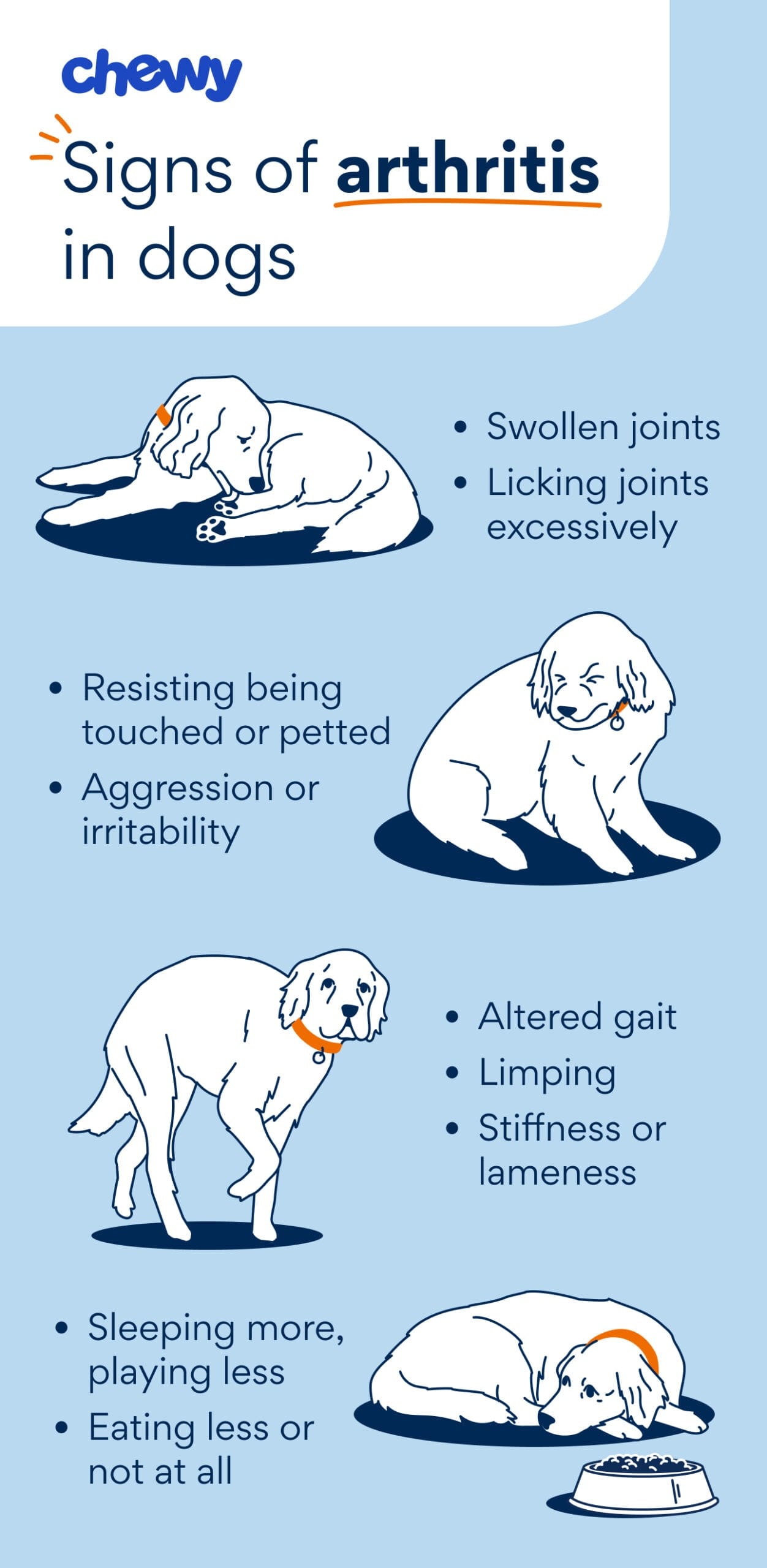
Arthritis is a prevalent condition that affects a significant number of dogs, particularly as they age. It is characterized by inflammation, swelling, or tenderness in one or more joints, which can stem from various factors including genetics, age, infection, disease, injury, or overuse. If your furry friend is suffering from arthritis, there are several strategies you can implement, in collaboration with your veterinarian, to help them manage their pain and improve their joint health. A multimodal approach, combining different medications and joint supplements, is often the most effective way to ensure a good quality of life and successful treatment for dogs with arthritis.
Holistic Approaches to Dog Arthritis Management
Making adjustments to your dog’s daily routine and living environment can also significantly contribute to their comfort. It is crucial to consult with your veterinarian before initiating any new treatment plan for your dog.
The Role of Weight Management
Weight management is a cornerstone in alleviating joint pain for dogs. Excess weight places increased pressure on the joints, leading to discomfort and pain. By effectively controlling your dog’s weight, you can help ease their discomfort as they get older. Discuss your pet’s ideal weight and long-term weight management strategies with your veterinarian.
Tailored Exercise and Physical Therapy
Engaging in physical therapy, massage, and consistent daily exercise can be highly beneficial for dogs experiencing joint pain. It is recommended to incorporate moderate, daily exercise, starting with short walks of 10 to 15 minutes, three to four times a day. Maintaining a consistent routine without high-impact activities like intense ball chasing, running, or jumping is key to providing exercise without exacerbating pain or stress.
For specialized care, consider consulting a certified small animal physical rehabilitation practitioner. They can guide your dog through therapeutic exercises, including passive stretching, range of motion activities, controlled walking with obstacles, and underwater treadmill sessions.
Physical therapy for dogs aims to restore or improve mobility, function, and overall quality of life. The objectives often include weight reduction, pain and inflammation management, enhanced range of motion, improved balance, and increased muscle strength. Common techniques employed in physical therapy include passive range of motion exercises, treadmill work (both standard and underwater), massage, and targeted therapeutic exercises.
Medical and Supplemental Interventions
Medications for Arthritis in Dogs
While there is no cure for arthritis in dogs, several medications can effectively manage joint pain and inflammation. These include:
- Librela: This is a monoclonal antibody therapy, specifically an anti-nerve growth factor (NGF) injection, administered monthly by your veterinarian to treat osteoarthritis pain in dogs.
- Corticosteroids: In certain situations, steroids may be prescribed for short-term or long-term use to combat inflammation and pain associated with arthritis. It is critical to note that steroids and NSAIDs should never be administered together, as this can lead to serious side effects like stomach ulcers. Always inform your veterinarian about all medications your pet is currently taking before starting steroids.
Essential Dog Arthritis Supplements
When selecting dog arthritis supplements, prioritize those containing the following key ingredients known for supporting joint health:
- Methylsulfonylmethane (MSM)
- Glucosamine hydrochloride
- Long-chain omega-3 fatty acids (EPA and DHA)
- Eicosatetraenoic acid (ETA)
- Chondroitin sulfate
- Green-lipped mussel
For breeds genetically predisposed to arthritis, it is advisable to start joint supplements as early as eight weeks of age. Some breeds commonly at higher risk for joint issues include Golden Retrievers, Labrador Retrievers, German Shepherds, and Great Danes.
Be aware that supplements or any dietary additives can potentially cause gastrointestinal upset. Always consult your veterinarian before giving any new supplements to your dog.
Specialized Dog Food for Arthritis
In addition to supplements, specific dietary choices can support joint health. While some over-the-counter (OTC) large-breed diets may include omegas or glucosamine and chondroitin, veterinary prescription diets are specifically formulated to promote joint mobility.
Exploring Alternative Therapies and Lifestyle Aids
Complementary Therapies for Pain Relief
As a dedicated pet parent, you might consider exploring alternative therapies to complement primary treatments and help alleviate your dog’s joint pain. Some effective alternative therapies include:
- Acupuncture: This traditional practice involves inserting fine needles into specific points on the body. Clinical evidence suggests that acupuncture, when used alongside a multimodal approach to arthritis management, can effectively reduce chronic joint pain in dogs.
- Laser Therapy: Low-level lasers utilize penetrating light to enhance oxygen and blood flow to the joints, thereby reducing inflammation and pain.
- Shockwave Therapy: This treatment employs high-intensity sound waves to help decrease inflammation and manage arthritis symptoms.
- Electrical Stimulation: Also known as neuromuscular stimulation, this technique is used to strengthen muscles and mitigate muscle wasting in dogs with mobility issues. Transcutaneous electrical nerve stimulation (TENS) is another form that can provide pain relief.
Home Modifications for Comfort
Making simple modifications around your home can significantly help alleviate your dog’s pain and anxiety.
- Nonslip Surfaces: Dogs suffering from arthritis and joint pain may develop a fear of walking on slippery surfaces like hardwood or tile due to limited mobility and the risk of falling. Implementing nonslip mats, rugs, and carpets on these surfaces can help your dog move around the house more confidently. Strategically placing nonslip rugs at the top and bottom of stairs, as well as near favorite resting spots like couches and beds, can reduce joint impact and pain.
- Orthopedic Dog Beds: Investing in orthopedic dog beds that are low to the ground can ease your dog’s joint pain, making it easier for them to get up without struggling. Ensure your dog’s preferred resting and sitting areas are equipped with thick, supportive bedding and nonslip mats to prevent injury or pain when they stand.
The most effective arthritis protocol for your dog will likely involve a combination of medications, therapies, and supportive aids to ensure their comfort and happiness. The ultimate goal is to maintain a high quality of life with as many pain-free days as possible for your beloved canine companion. Always discuss the best combination of treatments with your veterinarian to create a personalized arthritis management plan for your dog.
WRITTEN BY
Tiffany Tupler, DVM, CBCC-KA
Veterinarian
Dr. Tiffany Tupler is a graduate from the University of Florida College of Veterinary Medicine with a certificate in shelter medicine and…
