
As devoted dog owners, we constantly strive to provide our beloved companions with the finest nutrition to ensure their health and happiness. Dog food options are incredibly diverse, and understanding the ingredients, particularly the protein sources, is crucial. While diet rotation is beneficial for offering a broad spectrum of nutrients, it’s important to recognize that not all meats are created equal. Different types of meat bring unique nutritional profiles to your dog’s bowl. This article delves into the various meat options available, providing expert insights to help you determine the Best Meat To Add To Dog Food for your furry friend, ensuring they receive a balanced and beneficial diet. Whether you’re considering commercial options or preparing meals at home, making informed choices about meat can significantly impact your dog’s well-being. Looking for ways to complement your dog’s diet with healthy snacks? Check out our guide on how to make healthy dog treats to make at home.
What Makes Meat an Essential Addition to Your Dog’s Diet?
High-quality meat is a cornerstone of a healthy canine diet. According to board-certified nutritionist Sally Perea, DVM, MS, DACVIM, from the fresh dog food company Nom Nom, “High-quality meat is an excellent source of protein.” Protein is indispensable for numerous bodily functions, including “building and repairing tissues, supporting muscle growth, and maintaining overall health.”
Beyond just protein, meats offer a complete profile of essential amino acids that dogs cannot synthesize on their own, making them vital components of a balanced nutritional plan. Moreover, meat provides a rich source of various vitamins and minerals critical for a dog’s well-being. These include essential B vitamins, iron, zinc, and selenium. These nutrients collectively support vital metabolic processes, bolster immune function, and contribute to radiant skin and a healthy coat. An added benefit is the high palatability of meats, which significantly enhances mealtime enjoyment, even for the most discerning eaters. While dogs are omnivores and require more than just meat, selecting dog food with premium meat sources is a key step towards their optimal health.
A Closer Look at the Best Meat Options for Dog Food
Understanding the specific benefits of different meats can help you make tailored dietary choices for your dog.
Chicken: A Lean and Versatile Staple
Chicken is a ubiquitous ingredient in many dog foods, and its popularity is well-deserved. Perea explains, “It’s a lean source of protein, essential for your dog’s energy and muscle health.” Beyond protein, chicken also supplies omega-6 fatty acids, which are crucial for promoting healthy skin and a shiny coat.
Furthermore, chicken is packed with vital vitamins and minerals. It provides vitamins B6 and B12, which are integral for glucose production, red blood cell formation, and proper nervous system function. Zinc, found in chicken, is crucial for immune system support and thyroid function, while selenium plays an important role in metabolism. If you’re preparing chicken at home, always ensure it is thoroughly cooked to prevent bacterial infections like salmonella. Always consult with a veterinary nutritionist to ensure any home-prepared diet remains well-balanced and meets all your dog’s nutritional needs.
Beef: A Rich Source of Nutrients
Beef, much like chicken, is widely available and offers a delicious and often affordable protein option for dog food. Perea notes, “Beef is an excellent source of protein and has a wide variety of nutrients including vitamin B12 and B6, zinc, iron, magnesium, potassium, and sodium.” These nutrients contribute to your dog’s energy levels, maintain a healthy coat, and support a robust immune system.
While lean, grass-fed beef (like that found in some fresh dog food brands) is an excellent choice, some commercial foods may utilize rendered beef. Rendering is a high-pressure and high-temperature process designed to ensure the safety of the final meat meal. The AAFCO (Association of American Feed Control Officials) defines a rendered product from beef tissues as excluding blood, hair, hoof, horn, hide trimmings, manure, stomach, and rumen contents. Although the protein digestibility of rendered meat meals can vary, this form of meat still provides valuable proteins, fats, and minerals in a dog’s diet. Conversely, it is important to steer clear of fatty beef cuts such as ribeye or T-bone steak, as these can cause gastrointestinal upset. Additionally, avoid feeding your dog beef bones, corned beef, or sharing your seasoned hamburger or BBQ, as these can pose health risks. If you ever have concerns about your dog’s diet or health, don’t hesitate to reach out to a pet vet for professional advice.
Turkey: Gentle and Protein-Packed
Turkey stands out as another excellent protein source for dogs, known for its lean profile and gentleness on digestion compared to fattier red meats. Perea highlights that turkey is “packed with protein, low in fat, and rich in essential amino acids and omega-6 fatty acids.”
When offering turkey as a treat, ensure it is fully cooked and completely unseasoned. It’s also wise to be mindful of the fat content in turkey skin and certain ground turkey varieties; always check labels and opt for leaner versions. As with any meat, bones should be strictly avoided due to choking hazards and potential internal injuries. For any home-prepared turkey diets, collaboration with a veterinary nutritionist is crucial to guarantee a nutritionally complete and balanced meal plan for your canine.
Lamb: An Alternative for Sensitive Stomachs
For dogs with particular sensitivities or intolerances, especially to common proteins like chicken, lamb presents a fantastic alternative. “Lamb like any other meat mentioned is a great source of protein and a tasty option for dogs with intolerances to chicken, or with sensitive stomachs,” Perea confirms. Its unique flavor and nutritional composition can often be better tolerated by dogs prone to dietary issues. Always monitor your dog for any adverse reactions when introducing new foods. If your dog exhibits severe symptoms, it’s best to contact an urgent care animal hospital immediately.
Duck: Rich in Healthy Fats and Iron
Duck, another poultry option, is an excellent choice, particularly for dogs that might have an aversion or intolerance to chicken. “Duck, similar to other poultry is rich in omega-6, which can be good for maintaining a healthy skin and coat,” Perea states. Most dogs find duck highly palatable, making it a delicious alternative.
Duck is also a good source of iron and protein. Perea further elaborates, “Duck is a lean source of protein that is low in saturated fat and contains healthy polyunsaturated and monounsaturated fats which provides your dog with energy.” These beneficial fats not only provide sustained energy but also contribute to overall cellular health and can improve the luster of your dog’s coat.
Fish: Omega-3 Powerhouse
High in protein and renowned for its rich omega-3 fatty acid content, fish such as salmon or tuna can be a highly beneficial and delicious addition to your dog’s diet. “Fish provides a great source of protein, is relatively low in saturated fats, and is easily digestible as a cooked product,” says Perea.
Fish is also often considered a novel protein in many commercial diets, which can be particularly advantageous for dogs suffering from food intolerances, allergies, or other dietary sensitivities. Beyond these benefits, fish is a good source of several key vitamins and minerals that play vital roles in sustaining your dog’s health throughout their life. If your dog experiences an unexpected allergic reaction to a new food, don’t hesitate to contact urgent vets for pets for immediate assistance.
Venison: The Highly Digestible Novel Protein
While not as common as other meats, venison is an equally nutritious, natural, and lean meat increasingly found in specialized dog foods. Perea notes that “Venison offers a dual benefit for your dog’s well-being. Firstly, venison is highly digestible and lean protein source, making it gentle on your dog’s digestive system.”
As a novel protein, venison is less likely to trigger ingredient sensitivities or allergic reactions in dogs who may have developed adverse responses to more common protein sources. Its natural leanness also contributes to a healthier diet, particularly for dogs requiring weight management or those with sensitive digestive systems.
Rabbit: A Lean, Low-Calorie Choice
While your pet rabbit might prefer you skip this section, rabbit meat is an excellent and often overlooked protein source for dogs. Perea states that “Rabbit is rich in protein and leaner than many other protein sources such as beef, pork, dark meat chicken, or lamb.” This makes rabbit a particularly good protein source for dogs that need a nutritious treat or meal component that is lower in calories and fat, supporting weight management without sacrificing essential nutrients. Its unique flavor can also be a hit with picky eaters.
Offal (Organ Meat): A Nutrient-Dense Addition
Offal, or organ meat, is an often-underrated ingredient for both humans and their canine companions. “Compared to regular cuts of muscle meat, offal is packed with a range of essential nutrients like vitamins A, B, and D, as well as vital minerals such as iron, zinc, and selenium,” Perea explains. These concentrated nutrients provide extensive benefits for your dog’s overall health and well-being, supporting everything from vision to immune function. It’s common, and beneficial, for quality pet food to contain various forms of offal.
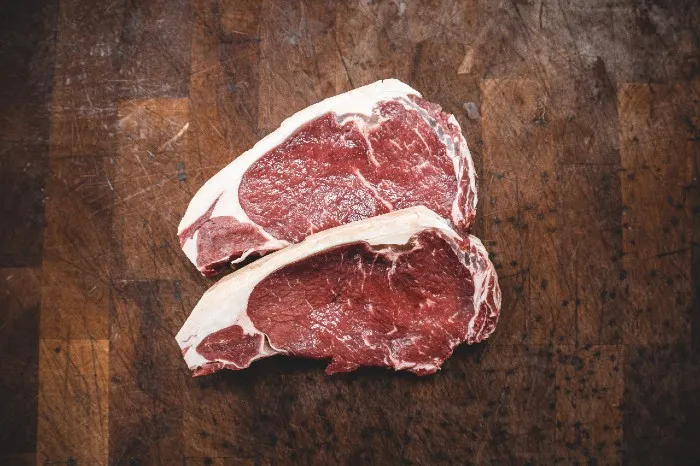 A variety of raw and cooked meats suitable for canine diets, including chicken, beef, and fish, arranged on a wooden board.
Making the Right Choice: Do’s and Don’ts When Adding Meat to Dog Food
When considering the best meat to add to dog food, the overarching principle is to opt for lean, nutritious, and high-quality meat sources. By doing so, your dog will reap the full benefits of the meat alongside other essential ingredients necessary for a complete and balanced diet.
Here are some crucial do’s and don’ts to keep in mind when incorporating meat into your dog’s meals:
- Don’t feed your dog cooked bones from meat, as they can splinter and pose a severe choking hazard or cause internal injuries.
- Don’t give your dog table scraps that include seasonings. Certain ingredients like garlic, onions, and some spices can be toxic to dogs, leading to serious health issues.
- Don’t offer highly processed meats such as bacon or sausages. These are typically high in fat and salt, which are detrimental to your dog’s long-term health and can lead to gastrointestinal upset.
- Do speak to your veterinarian if you are introducing a new food or are concerned about any potential food allergies or sensitivities your dog might have. Professional guidance is invaluable.
- Do prioritize feeding your dog nutritious dog food that features a high-quality protein source as its primary ingredient.
- Don’t feed your dog only meat. Dogs require a complete and balanced diet that includes a variety of nutrients. If you choose to home-cook for your dog, do work closely with a veterinary nutritionist to ensure the diet is nutritionally adequate and well-balanced.
Conclusion
Choosing the best meat to add to dog food involves understanding the unique nutritional contributions of each type. From the lean protein of chicken and turkey to the rich minerals in beef and the omega-3s in fish, a variety of meats can enhance your dog’s diet, supporting muscle growth, immune function, and overall vitality. Incorporating novel proteins like lamb, duck, venison, or rabbit can also be excellent for dogs with sensitivities. Remember the powerful nutritional punch of offal, which packs essential vitamins and minerals. Ultimately, a balanced approach is key. Always ensure any meat added to your dog’s food is properly prepared, free of harmful seasonings, and contributes to a complete diet. Regular consultation with your veterinarian or a board-certified veterinary nutritionist will help you tailor the perfect meal plan, ensuring your canine companion remains healthy and happy for years to come. Explore more articles on canine nutrition and care on Dog Care Story to keep your furry friend thriving!
