
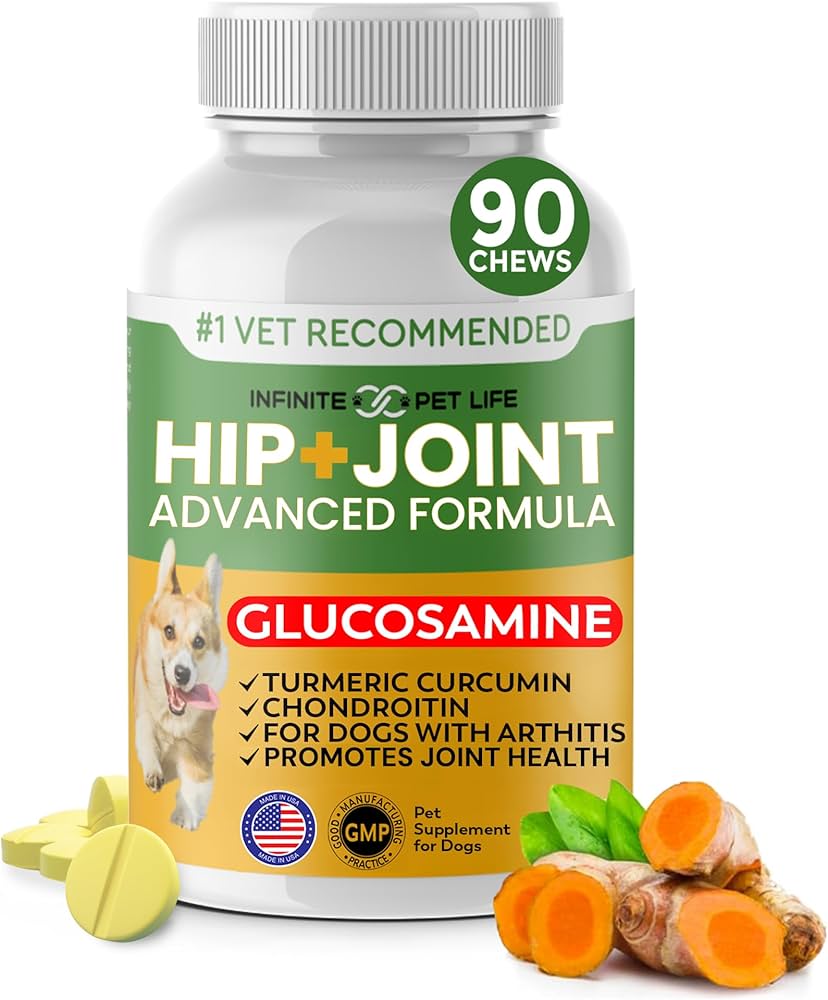
As our beloved canine companions age, their mobility and comfort can be significantly impacted by conditions like arthritis, also known as osteoarthritis. This degenerative joint disease is a common ailment, particularly in larger breeds and senior dogs, leading to pain, stiffness, and reduced activity. Fortunately, a variety of joint supplements are available to help manage these symptoms, support cartilage health, and improve your dog’s quality of life. This guide explores ten of the most effective joint supplements, detailing their benefits, best uses, and common forms to help you make an informed decision for your furry friend.
Understanding Key Joint Supplement Ingredients
Several key ingredients are widely recognized for their efficacy in supporting canine joint health. These components work in various ways, from rebuilding cartilage to reducing inflammation, offering a multi-faceted approach to managing arthritis.
1. Glucosamine & Chondroitin: The Foundation of Joint Support
Glucosamine and chondroitin are perhaps the most well-known and researched ingredients in dog joint supplements. Naturally present in healthy cartilage, they are crucial for protecting and repairing joints, making them a cornerstone for managing arthritis in dogs. Glucosamine acts as a building block for cartilage, aiding in the repair of damaged tissues and maintaining joint health, especially beneficial for aging or arthritic dogs. Chondroitin sulfate plays a vital role by inhibiting enzymes that break down cartilage and attracting water to keep cartilage cushioned and flexible. Together, these ingredients effectively reduce stiffness, alleviate discomfort, and help dogs remain active for longer periods. They are particularly recommended for dogs with arthritis, large breeds prone to hip and joint issues, senior dogs experiencing mobility loss, and active dogs requiring preventative support. These supplements are commonly available in tablet, soft chew, and liquid forms, making them easy to administer to most dogs, including picky eaters. While generally moderately priced and affordable for long-term use, they may cause mild stomach upset in some dogs if given on an empty stomach. Veterinarians frequently recommend glucosamine and chondroitin as part of a joint health regimen.
2. Omega-3 Fatty Acids (Fish Oil): Nature’s Anti-Inflammatory
Omega-3 fatty acids, specifically EPA (eicosapentaenoic acid) and DHA (docosahexaenoic acid) sourced primarily from fish oil, are powerful anti-inflammatory nutrients. While celebrated for promoting healthy skin and coats, they are critically important for joint care, making them indispensable for dogs with arthritis or mobility challenges. Omega-3s combat joint inflammation by blocking inflammatory compounds that exacerbate joint pain, leading to reduced stiffness and improved daily comfort for senior dogs or those with arthritis. They also contribute to long-term joint health by slowing cartilage degeneration, preserving joint flexibility, and supporting healthy lubrication, all vital for comfortable movement. Regular supplementation often results in noticeable improvements in a dog’s playfulness and activity levels due to decreased joint discomfort. Fish oil is an excellent choice for dogs experiencing chronic inflammation, those recovering from joint surgery, and active dogs needing ongoing joint protection. It is available in liquid form, easily mixed into food, or in convenient capsules. The price varies widely based on the quality and sourcing of the fish oil, but premium oils are considered a worthwhile investment in overall health. Potential side effects include fishy breath or loose stools if the dosage is too high. Vets commonly recommend Omega-3s for conditions like arthritis and hip dysplasia.
3. Hyaluronic Acid: The Joint Lubricant
Hyaluronic acid is a naturally occurring substance vital for healthy joint fluid, acting as a lubricant and shock absorber to minimize friction between bones. As dogs age or develop arthritis, their natural levels of hyaluronic acid can decrease, making supplementation a valuable strategy for joint care. It ensures joints glide smoothly, reducing the grinding and stiffness associated with worn cartilage. By enhancing lubrication, hyaluronic acid protects cartilage from further damage, providing relief for dogs already struggling with arthritis. This improved lubrication and reduced friction often translate to less pain and increased flexibility, enabling dogs to stay active and comfortable. It is particularly beneficial for older dogs experiencing joint lubrication loss, large breeds prone to joint wear, and those recovering from surgery. Hyaluronic acid can be found in tablets, capsules, liquid supplements, and fortified foods and treats. Bone broth also serves as a natural source of this important compound. Generally affordable, especially when combined with other joint-supporting ingredients, it is rarely associated with side effects beyond potential mild digestive upset if introduced too quickly. Veterinarians often recommend it, particularly for senior dogs or those with existing joint conditions.
4. MSM (Methylsulfonylmethane): A Sulfur Compound for Joint Health
MSM (Methylsulfonylmethane) is a naturally occurring sulfur compound renowned for its anti-inflammatory and joint-supporting properties. It is frequently included in conjunction with glucosamine and chondroitin to create comprehensive joint health formulas, but it also offers distinct advantages. MSM helps to reduce inflammation at its source, significantly alleviating pain for dogs with arthritis or chronic joint issues. Sulfur, a crucial component of collagen and connective tissue, is replenished by MSM, aiding in the repair and maintenance of these vital tissues, thereby strengthening joints and enhancing flexibility. Many dogs show reduced morning stiffness and improved range of motion with regular MSM supplementation, facilitating easier movement and more active play. Some research also suggests MSM can assist in detoxifying the body, which may help reduce inflammation—an added benefit for overall health. MSM is an excellent choice for dogs suffering from arthritis or joint pain, senior dogs with diminishing flexibility, active dogs requiring proactive joint care, and those recovering from injury or surgery. It is available in tablets, capsules, powders, and liquids. Considered very safe, mild digestive upset is possible if introduced too quickly. Veterinarians often recommend MSM as part of multi-ingredient joint supplements for dogs experiencing chronic pain.
5. Turmeric (Curcumin): Nature’s Potent Anti-Inflammatory
Turmeric, the vibrant yellow spice, contains curcumin, its active compound celebrated for potent anti-inflammatory and antioxidant effects. This natural remedy has gained significant traction for its ability to help dogs with arthritis, stiffness, and joint pain, offering a holistic alternative to conventional medications. Curcumin effectively blocks inflammatory enzymes and reduces swelling, thereby easing discomfort associated with arthritis and aging joints. By mitigating inflammation and stiffness, turmeric enhances flexibility, enabling dogs to move more comfortably. Its natural pain-fighting properties make it an attractive option for pet owners seeking gentler alternatives to prescription pain relievers. Furthermore, curcumin combats oxidative stress, which can exacerbate joint damage over time, positioning it as a valuable long-term addition to joint care regimens. Turmeric is ideal for dogs with arthritis or chronic inflammation, those needing natural pain relief, active dogs experiencing occasional soreness, and senior dogs with stiff joints. It is commonly found in capsules and tablets, often enhanced with black pepper extract for better absorption, as well as powders that can be mixed into food. While generally affordable, more potent curcumin extracts come at a higher price but require smaller doses. High doses can lead to digestive upset, so starting slowly is recommended. Veterinarians are increasingly recommending turmeric, particularly for owners interested in natural joint support plans.
6. Vitamin C: A Powerful Antioxidant for Joint Health
Vitamin C is a well-known antioxidant that helps protect cells, including those within the joints, from damage caused by free radicals. Although dogs naturally produce some Vitamin C, those suffering from arthritis, inflammation, or high stress levels may benefit from additional supplementation. Vitamin C neutralizes free radicals, unstable molecules that can damage joint cartilage and worsen inflammation over time. By reducing oxidative stress, it may help alleviate joint inflammation and promote healthier, more resilient joints, particularly in aging dogs. Vitamin C also supports collagen production, a critical structural protein that maintains cartilage strength and joint flexibility. It is an excellent supplement for dogs with arthritis or chronic inflammation, senior dogs needing antioxidant support, and active dogs under significant physical stress. Vitamin C is readily available in tablets, chewables, and powders, and is often included in fortified dog foods and treats. While affordable as a standalone supplement, it also offers good value when part of multi-ingredient joint support formulas. High doses can cause digestive upset, so adhering to recommended dosages is important. Vitamin C is sometimes recommended by veterinarians, especially for dogs with arthritis, immune challenges, or those recovering from illness.
7. Devil’s Claw: Traditional Herbal Relief
Devil’s Claw is a traditional herbal remedy with a long history of use in treating pain and inflammation, particularly for conditions like arthritis. Sourced from the root of a plant native to southern Africa, it is valued for its natural pain-relieving and anti-inflammatory properties, thanks to compounds called harpagosides. These compounds are known for their analgesic and anti-inflammatory effects, making Devil’s Claw effective in managing chronic joint pain in dogs. By reducing inflammation, it helps dogs move more comfortably, making activities like walking, climbing stairs, and playing easier. For pet owners seeking natural alternatives to NSAIDs, Devil’s Claw provides a gentler, plant-based option. It is best suited for dogs with arthritis or chronic joint pain, senior dogs experiencing stiffness and reduced mobility, and those who cannot tolerate prescription pain medications. Devil’s Claw is available in capsules, tablets, powders, and liquid extracts. While generally affordable, quality and purity testing are important considerations. It may not be suitable for dogs with digestive issues, as it can irritate sensitive stomachs, and may interact with certain medications, such as blood thinners, necessitating a veterinary consultation. Its use is gaining popularity in holistic veterinary circles.
8. Boswellia Serrata: Potent Anti-Inflammatory from India
Boswellia Serrata, also known as Indian frankincense, is a potent herbal remedy traditionally used in Ayurvedic medicine. Its active compounds, boswellic acids, possess strong anti-inflammatory properties, making it a valuable natural tool for managing arthritis and joint pain in dogs. Boswellia works by inhibiting key enzymes involved in the inflammatory process, thereby reducing swelling, stiffness, and discomfort in arthritic joints. As inflammation is controlled, dogs often experience improved mobility and flexibility, regaining the ability to walk, run, and play with less pain. Some studies indicate that Boswellia can begin alleviating symptoms within a few weeks, a faster onset of action compared to many other herbal supplements. It is highly recommended for dogs with arthritis or chronic joint inflammation, senior dogs needing mobility support, and active dogs with overworked joints. Research has demonstrated Boswellia’s effectiveness in reducing arthritis symptoms in both humans and animals, showing improvements in pain scores and physical function. It is available in tablets, capsules, and powders, often included in multi-ingredient joint supplements. While moderately priced, it is considered affordable compared to prescription drugs and offers good value due to the significant results many owners observe. High doses may cause digestive upset, so adhering to recommended dosages is advised. Its use is becoming increasingly popular among holistic and integrative veterinarians.
9. Green-Lipped Mussel: A Marine Superfood for Joints
Green-lipped mussel (GLM) is a nutrient-dense marine superfood sourced from New Zealand’s waters. It is rich in natural glucosamine, chondroitin, omega-3 fatty acids, and glycosaminoglycans (GAGs), positioning it as one of the most comprehensive joint supplements available for dogs, and a top choice for managing arthritis. GLM supplies glucosamine and chondroitin, essential building blocks for maintaining healthy cartilage and ensuring smooth, cushioned joint movement. Its unique blend of omega-3 fatty acids, including EPA, DHA, and ETA, provides potent anti-inflammatory effects that help reduce swelling and stiffness in arthritic joints. With healthier cartilage, improved lubrication, and reduced inflammation, dogs can move more comfortably, benefiting seniors, large breeds, and active pups. The nutrients in green-lipped mussel are naturally balanced and highly bioavailable, meaning a dog’s body can efficiently absorb and utilize them. It is particularly beneficial for dogs with arthritis or degenerative joint disease, senior dogs with reduced mobility, large breeds prone to hip dysplasia, and active dogs needing joint protection. GLM is available in capsules, powders, and fortified treats and foods. While it can be moderately to highly priced, its multi-functional benefits for joint, skin, and overall health make it a valuable investment. As it is a shellfish product, it should be avoided by dogs with shellfish allergies. It is frequently recommended by holistic veterinarians seeking natural, whole-food joint solutions. For high-quality green-lipped mussel supplements, consider options like Osteo TruBenefits® from SVS Supplements.
10. Collagen: The Body’s Structural Protein
Collagen is the most abundant protein in a dog’s body, forming a significant part of their cartilage, tendons, ligaments, and even bones. As dogs age, their natural collagen production declines, which can weaken joints and lead to stiffness and discomfort, especially in senior dogs or large breeds. Supplementing with collagen helps rebuild and maintain these vital structures. Collagen acts as scaffolding for joints, ensuring connective tissues remain strong and flexible. For dogs with arthritis, it aids in rebuilding damaged cartilage and slowing further degeneration, offering long-term joint protection. With stronger connective tissues, joints can move more smoothly, helping dogs stay active longer. Beyond joint health, collagen also supports skin, coat, nails, and digestion, making it a versatile supplement. It is ideal for senior dogs losing mobility, those recovering from joint injuries or surgery, large breeds prone to hip and joint problems, and active dogs needing tendon and ligament support. Collagen is available in capsules, chews, and powders, and can also be found naturally in bone broth and connective-tissue-rich meats. Collagen supplements range in price depending on the source and purity, but many owners consider them a worthwhile investment in overall health due to their wide-ranging benefits. Collagen is extremely safe, with potential for only mild digestive upset if introduced too quickly. It is increasingly recommended by veterinarians, particularly for aging dogs, large breeds, and those with arthritis.
Choosing the Right Supplement for Your Dog
Selecting the best joint supplement for your dog involves considering their specific needs, age, breed, and the severity of their condition. Many effective supplements are available, often working best when combined or used as part of a comprehensive veterinary care plan. Consulting with your veterinarian is the most crucial step in determining the most suitable supplement regimen for your canine companion, ensuring they can continue to enjoy a happy, active, and comfortable life.
