
Keeping cats exclusively indoors is becoming increasingly popular among cat owners, and for good reason. Outdoor life exposes cats to numerous dangers, including traffic accidents, fights with other animals, harsh weather conditions, and diseases, all of which significantly shorten their lifespan. Furthermore, as natural hunters, outdoor cats pose a considerable threat to native wildlife. While it might seem counterintuitive, many cats, especially when accustomed to it from a young age, can thrive in an indoor-only environment. Some breeds, in particular, are exceptionally well-suited to indoor living and make wonderful companions for apartment dwellers or those who prefer their feline friends to remain safely inside. This guide explores the top 10 cat breeds that are ideal for indoor living, detailing their characteristics and suitability for a home environment.
While indoor cats are shielded from many outdoor hazards, it’s important to remember they can still face significant health issues. Conditions such as complex cancers, accidental injuries like fractures, or the ingestion of foreign objects can lead to surprisingly high veterinary bills, making the unexpected a major financial commitment for many pet parents. Certain breeds, including Tonkinese, Maine Coons, and Birmans, are predisposed to these costly health problems, often requiring advanced care or surgery. This underscores the unpredictable nature of pet health and highlights why many owners opt for pet insurance to be prepared for the unexpected.
1. Scottish Fold
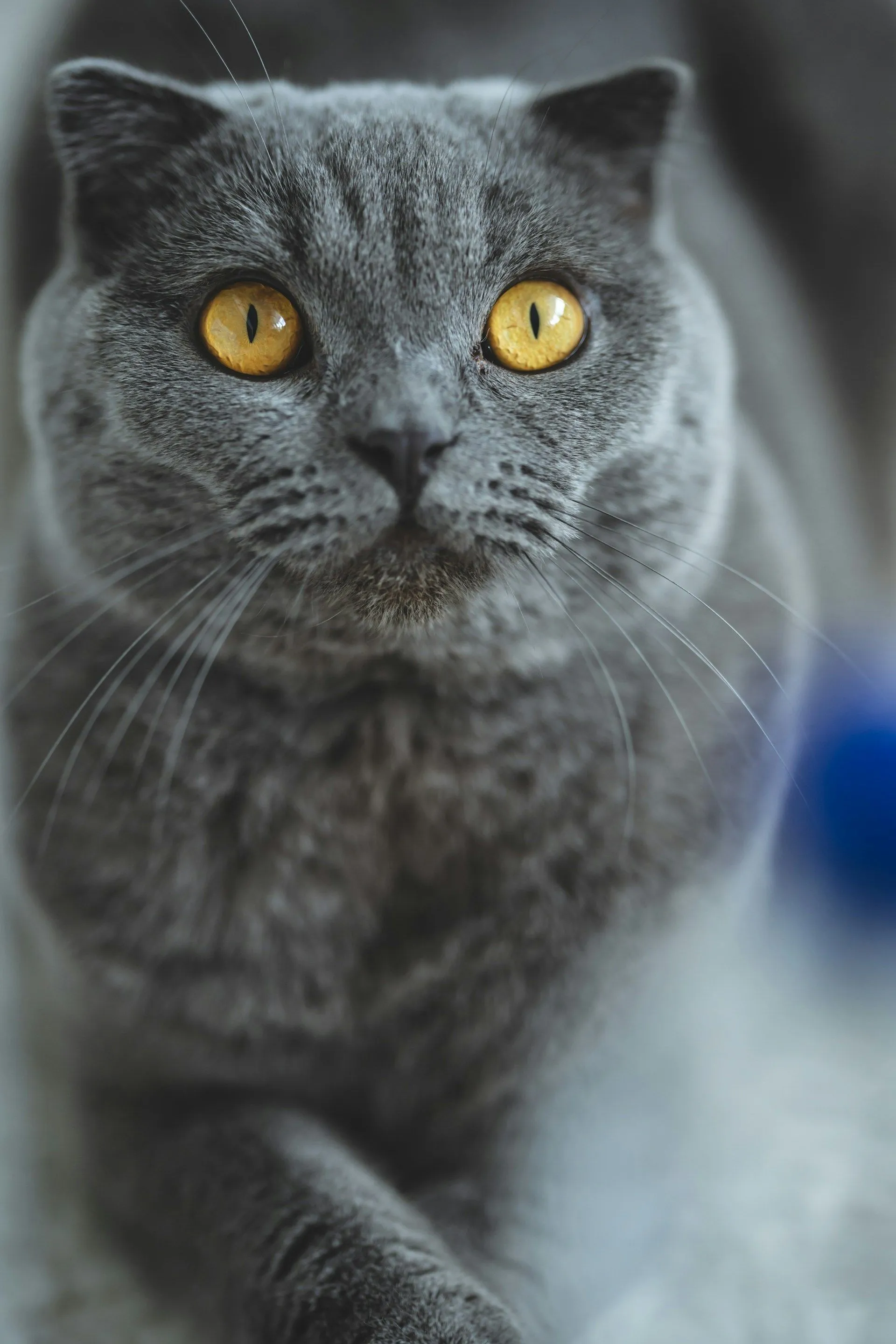 Scottish Fold Cat
The Scottish Fold is a medium-sized cat characterized by its rounded body and distinctive ears that fold forward and downward. This unique ear feature, combined with a round face and large eyes, gives them an almost owl-like appearance. Interestingly, their ears are normal at birth and begin to fold as the kitten grows.
These cats are ideally suited for indoor living due to their easy-going nature and adaptable personality. Scottish Folds are rarely flustered and fit well into most households, even those with other pets and children. They are inquisitive and bold, sometimes using their paws to open cabinets in search of playthings or even playing fetch. Male Scottish Folds typically weigh between 4 to 6kg, while females range from 2.7 to 4 kg. Their average lifespan is between 12 to 14 years.
2. Burmese
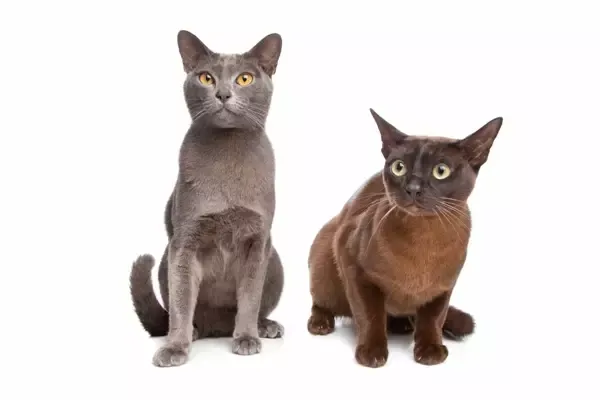 Burmese Cat
Burmese cats are robust, athletic felines that are both stocky and elegant. Despite their solid build, they possess a graceful demeanor, strong muscles, and good bone structure. Their short, silky coats are very low-maintenance.
Intelligent, social, and highly playful, Burmese cats love spending time indoors with their families. They often exhibit dog-like behavior, wanting to be involved in their owners’ daily activities, from chores to cooking and watching television. They are known to win over even self-proclaimed “dog people” with their affectionate nature and tendency to shower guests with attention. Female Burmese cats are typically more curious, active, and emotional, while males tend to be more relaxed and laid-back.
Burmese cats do not fare well when left alone for extended periods unless they have another pet for companionship. They generally get along well with children and other pets, making them excellent family companions. Burmese cats can weigh up to 5.5 kg and often live beyond 15 years.
The 2025 Pet Health Monitor indicates that Burmese cats are more prone to several health issues than average:
- Eye conditions are over twice as common, likely due to inherited traits.
- They have more than double the likelihood of developing arthritis, possibly linked to their stocky build.
- Renal problems occur nearly three times as often, making regular blood and urine tests important.
- Their playful nature means they are almost twice as likely to swallow foreign objects.
- A well-documented link exists between Australian-bred Burmese cats and the incidence of Type 2 diabetes.
3. Siamese
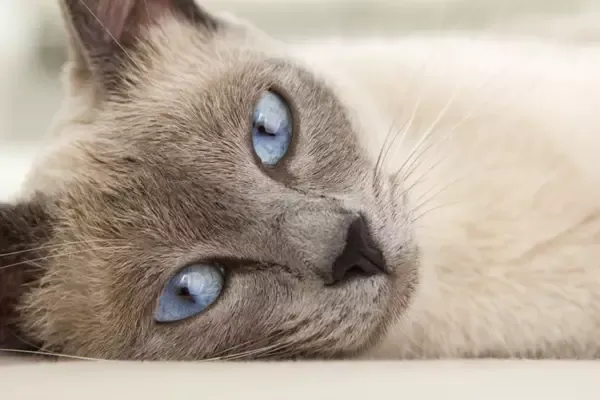 Siamese Cat
As one of the world’s oldest and most popular cat breeds, the Siamese cat boasts a unique appearance with a light-colored body and darker points on its face, ears, paws, and tail. They have long, muscular bodies, large, almond-shaped blue eyes, a long, thin tail, and a short, soft, silky coat.
Siamese cats are highly intelligent, sociable, and vocal, often engaging in “conversations” with their owners in a deep, loud voice. They are frequently described as “dog-like” due to their affectionate nature and fondness for playing fetch. Like dogs, they require ample toys and playtime to keep their minds and bodies stimulated.
While excellent indoor cats, their playful, entertaining, and energetic nature demands significant human interaction to maintain happiness. They may not be suitable for owners who are away for extended periods, as they can become mischievous if left to their own devices. Male Siamese cats weigh between 4 to 6 kg, while females typically range from 2.5 to 4.5 kg. Their lifespan is around 15 to 20 years, with some living even longer.
For immediate veterinary advice, policyholders can connect with an experienced Australian-registered vet via video call 24/7 through Bow Wow Meow’s service, offering support for at-home treatment plans or confirming the need for a physical vet visit.
4. Himalayan
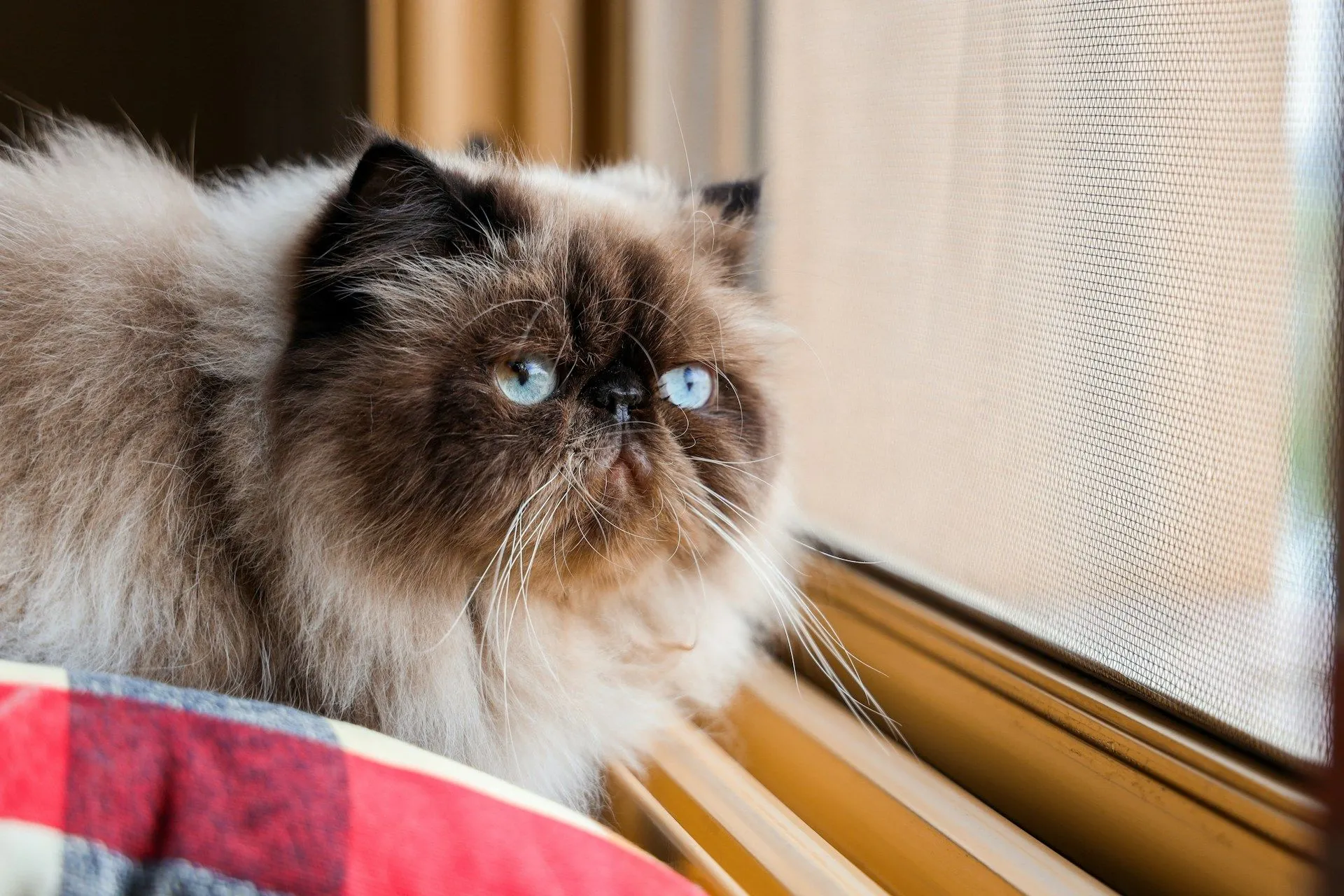 Himalayan Cat
The Himalayan cat, a descendant of the Siamese and Persian breeds, is a medium-sized feline with a physique similar to the Persian, featuring a round body, short legs, and either a traditional or peke-faced (flat-faced) appearance.
Combining the best traits of its parent breeds, Himalayans make wonderful indoor pets. They are loyal and affectionate, craving attention and love, and may develop a favorite among their owners. These social, sweet, and intelligent cats can also be quite talkative. Their activity level is moderate, enjoying both play and relaxation, which makes them great family companions. Himalayans typically weigh around 5 kg, with males potentially being heavier and females lighter. Their lifespan ranges from 9 to 15 years.
5. Devon Rex
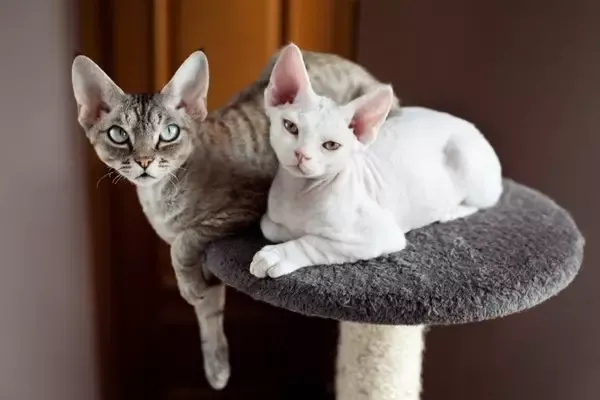 Devon Rex Cat
The Devon Rex is a unique breed characterized by its silky, wavy coat, large ears and eyes, prominent cheekbones, and short muzzle.
This breed is highly affectionate, loving to be near their owners and often perching on their shoulders. They are attentive and social, happily following their families around the house. Incredibly intelligent, playful, and active, the Devon Rex is often called “a monkey in a cat suit” and makes an excellent indoor cat. Unlike many breeds, they are highly trainable, capable of learning to walk on a leash, play fetch, and perform tricks. Their love for jumping means breakable items should be kept out of reach. The Devon Rex is a relatively small cat, with males weighing 3 to 4 kg and females between 2 to 3 kg. Their lifespan is 9 to 13 years.
The Pet Health Monitor highlights that Devon Rex cats are more susceptible to specific health issues:
- Digestive problems occur over 50% more frequently, making them prone to gastrointestinal conditions.
- They are more than twice as likely to develop ear conditions, possibly due to their large, open ears.
- Skin disorders are particularly common, occurring over three times more often, potentially linked to their fine coat and delicate skin.
- Circulatory issues also appear more frequently, though the exact cause is unclear.
6. Birman
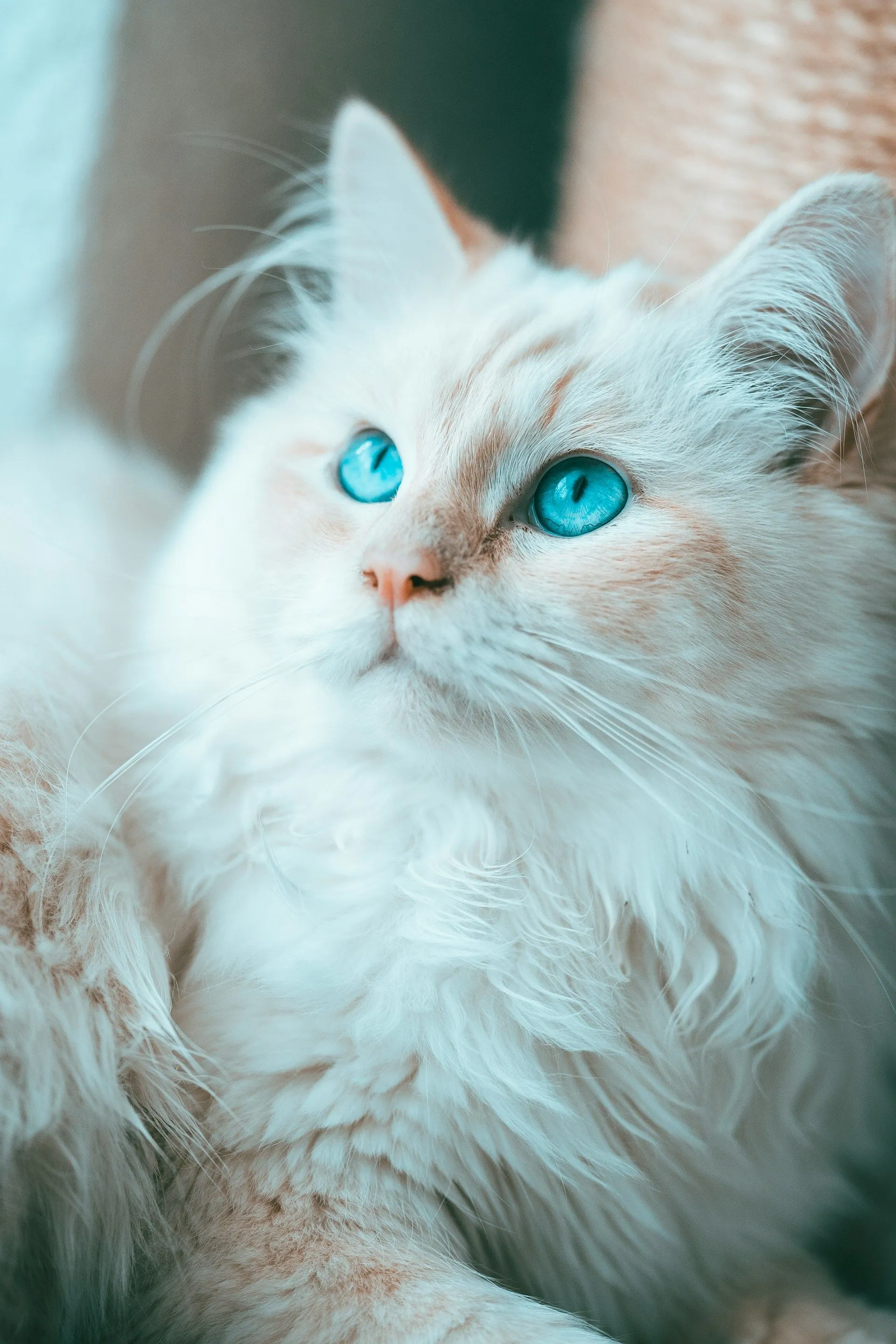 Birman Cat
Known as the “Sacred Cat of Burma,” the Birman is a medium-sized cat with distinctive deep blue eyes, long silky fur, a rectangular body, a broad face, and a Roman nose. Their gentle expression and lovable temperament make them an excellent choice for those seeking a quiet, docile, and affectionate indoor cat.
Birmans possess a soft, quiet voice used to signal hunger or a need for attention. They enjoy cuddling and are content relaxing with their owners, often following them around without being demanding. These smart and curious cats enjoy exploring, which can sometimes lead them into amusing situations. Birmans typically weigh between 4 and 7 kg, with an average lifespan of 12 to 16 years.
Birmans are prone to several high-cost health issues that may require advanced care or surgery, including gastrointestinal conditions, ingestion of foreign objects, jaundice, and gallbladder or bowel infections.
7. Persian
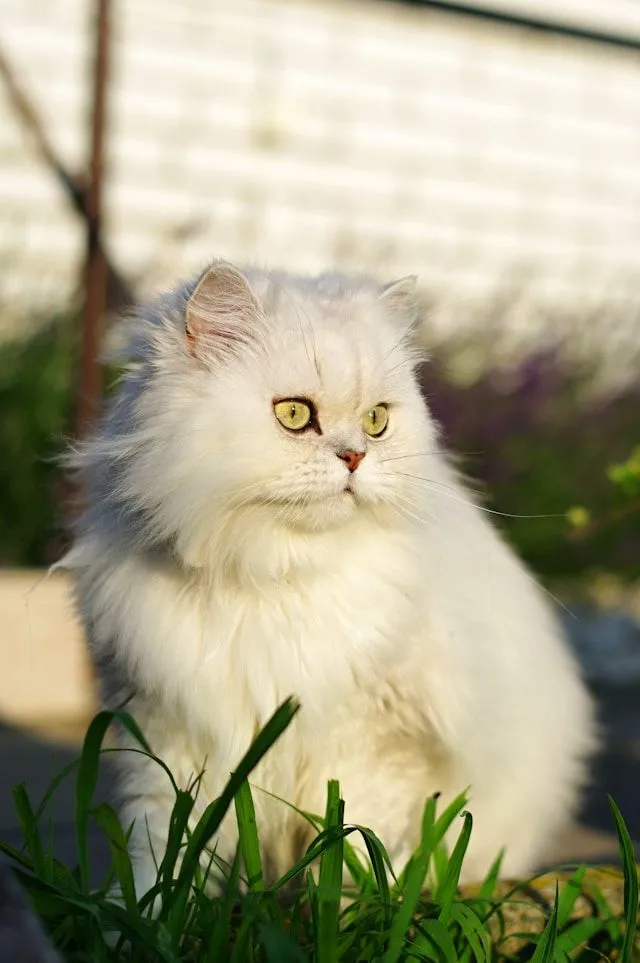 Persian Cat
The Persian Cat, one of the oldest cat breeds, is a muscular, heavy-boned feline of medium to large size. They have short, thick legs, large paws, broad shoulders, a short neck, a wide chest, and a relatively short tail. Persians feature large heads with expressive, wide-set eyes and a short nose.
Renowned for their gentle, quiet, and docile nature, Persians are sweet cats but can be selective with their affection. They prefer calm environments, making them less suitable for noisy households, but they are wonderful companions for older individuals and singles. Persians thrive on routine, content with regular meals and some playtime. They are happy to relax and observe their owners’ activities and do not mind occasional solitude. Persians can weigh between 4 to 8 kg, with a lifespan of 15 years and over.
8. Russian Blue
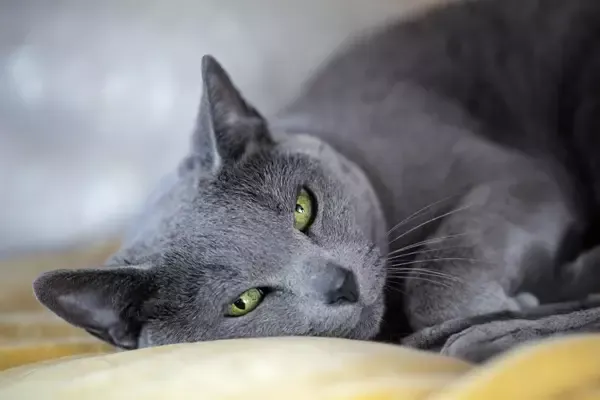 Russian Blue Cat
The Russian Blue is a medium-sized cat known for its handsome, athletic appearance, striking bluish-grey coat, and distinctive deep bottle-green eyes. Their fur is velvety and sheds minimally.
Russian Blues enjoy human companionship and often follow their owners from room to room. They are ideal for families and are generally good with children, though they may form a special bond with one family member. While comfortable with their own family, they can be timid around strangers. Like many cats, they appreciate routine, enjoying consistent feeding times and established household schedules. This intelligent breed can be trained for games like fetch and is also content to entertain itself when left alone. The average weight is 3.5 to 7 kgs, with males being heavier than females. Their lifespan is approximately 15 to 18 years.
Russian Blue cats may be more susceptible to certain health issues than the average cat:
- They exhibit slightly higher rates of digestive, urinary, and respiratory issues, with gut problems being particularly common.
- Urinary troubles might be linked to sensitivity to stress or changes in routine.
- Eye, ear, and mild musculoskeletal issues are also somewhat more frequent.
9. British Shorthair
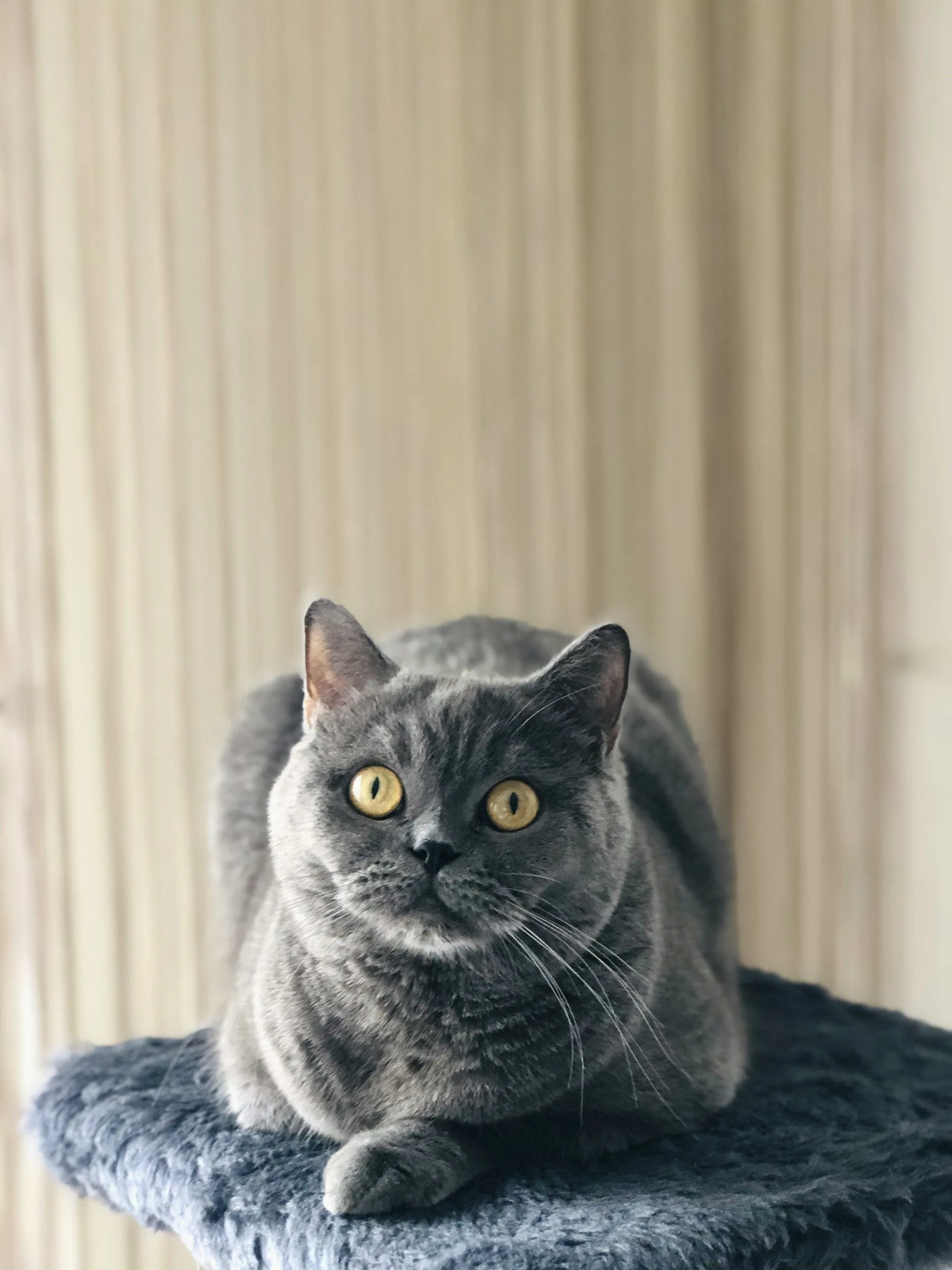 British Shorthair Cat
The British Shorthair is a medium to large cat breed with a broad chest, short, muscular legs, round paws, and a thick tail. They have round heads with large eyes and short, broad noses. Their single coat is short, dense, and plush.
These cats are easy-going, friendly, and affectionate, making them excellent family companions. They are loyal and will follow their owners but do not demand constant attention and are generally quiet. British Shorthairs are well-suited to indoor living as they lack the intense curiosity that often leads other breeds into trouble and are not prone to wandering. While energetic and playful as kittens, they tend to calm down around age one and can become quite sedentary as they mature. Often called “gentle giants,” they are typically large cats, weighing around 7 kg, though some may range from 4 to 9 kg. Their lifespan is 14 to 20 years.
According to the 2025 Pet Health Monitor, British Shorthairs are more prone than average to:
- Gastrointestinal, eye, and ear issues, likely due to their facial structure and genetics.
- Eye and ear problems occur at more than twice the typical rate, with digestive troubles also being more common.
- They also face higher rates of infections, such as feline upper respiratory tract infection (URI) and feline infectious peritonitis (FIP), and heart conditions like murmurs and cardiomyopathy.
10. Ragdoll
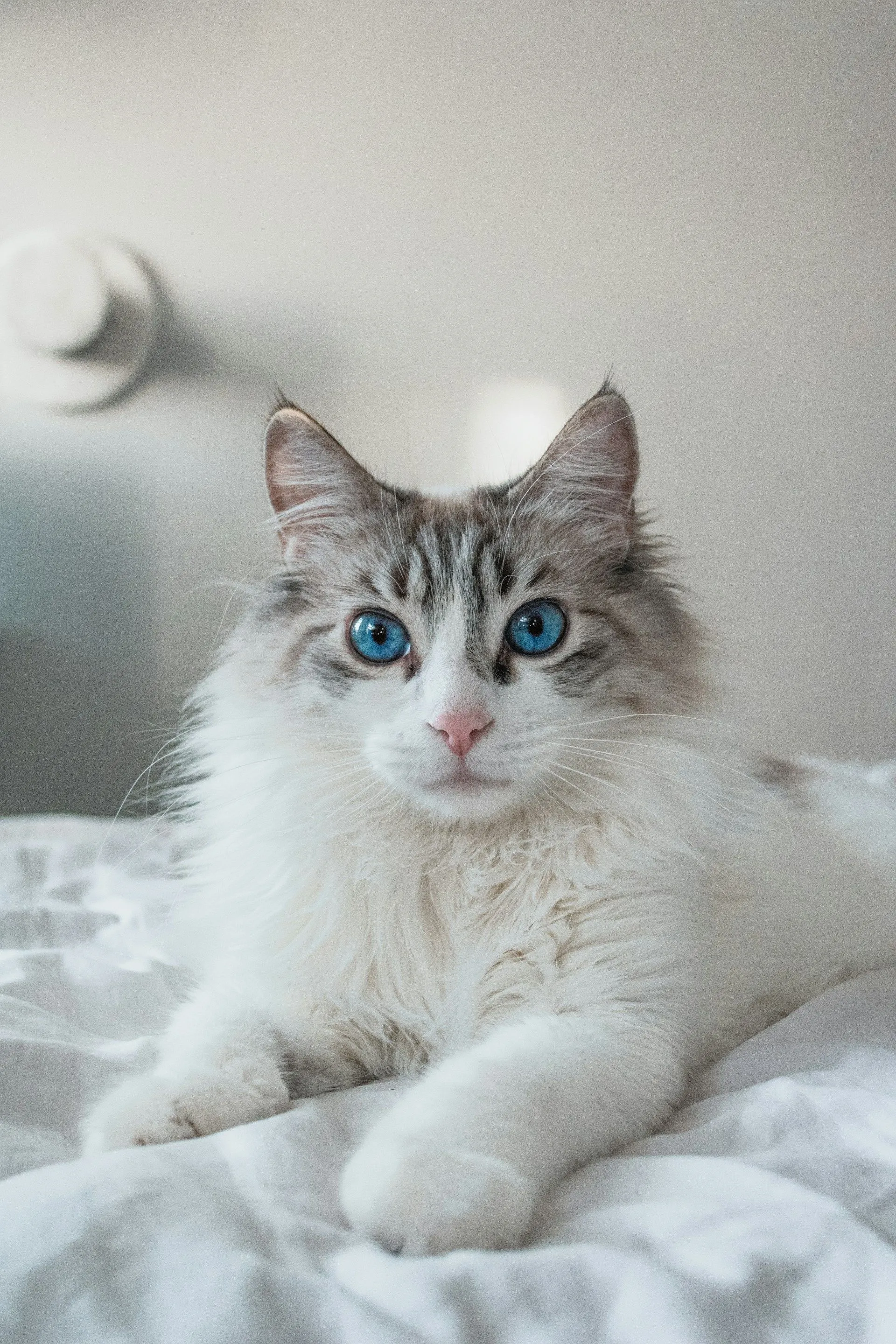 Ragdoll Cat
The Ragdoll is a popular and relatively new cat breed. They are born completely white, with their face, ears, and tail darkening as they age. They have large, wide-set blue eyes and a long, silky coat that lies smoothly on their body. Ragdolls are one of the larger cat breeds, possessing muscular bodies, well-developed cheeks, and medium-sized ears.
Ragdolls are extremely laid-back and placid, earning their name from their tendency to go limp when picked up due to their relaxed nature. They are playful and relatively easy to train, often greeting their owners at the door and following them around the house. Ragdolls thrive on human company and prefer to stay indoors, only venturing outside if leashed or in an enclosed area. They are known for their sociability, getting along well with people, children, and other pets. Unlike many cats, Ragdolls dislike being left alone. They typically weigh between 4.5 to 9 kg and can live up to around 15 years.
FAQ
What makes a cat breed one of the best house cats?
The best house cats typically exhibit traits such as a calm demeanor, high sociability, and adaptability to indoor environments. Breeds such as the British Shorthair and Ragdoll are popular as house cats because of their friendly nature and low maintenance requirements. These cats usually thrive in family settings and adapt well to living exclusively indoors, making them excellent companions for those residing in apartments or without outdoor access.
Which indoor cat breeds are known for being particularly affectionate?
When it comes to affection, the best indoor cats are those that enjoy human company and are often lap-friendly. The Ragdoll is renowned for its affectionate behaviour, often seeking physical closeness with its owners. Similarly, the Scottish Fold has a gentle, loving nature and enjoys interacting with its family. These breeds are ideal for those seeking a close bond with their cats in an indoor environment.
Are there any best house cats for families with allergies?
Yes, there are several best house cats suitable for families with allergies. The Siberian cat, despite its long fur, produces less of the common allergen Fel d 1, and many allergy sufferers report fewer symptoms with this breed. Additionally, hairless breeds like the Sphynx are often considered good choices for allergy-prone households as they lack fur, which is where most allergens are spread.
How do the best indoor cats adapt to small living spaces?
The best indoor cats for small living spaces are typical breeds with lower energy levels and a contented disposition when indoors. Breeds like the British Shorthair and the American Shorthair are known for their easy-going nature and ability to adapt well to smaller environments. They do not require extensive space to roam and can be quite content lounging around the home.
What are the grooming needs for the best house cats?
Grooming needs vary among the best house cats. For instance, the Persian cat requires daily grooming to maintain its long, luxurious coat and prevent matting. On the other hand, short-haired breeds like the American Shorthair are much lower maintenance, needing only occasional brushing. Understanding the grooming requirements of the breed is essential for maintaining their health and hygiene.
Can the best indoor cats also be energetic and playful?
Absolutely! While many of the best indoor cats are calm and composed, breeds like the Abyssinian and Siamese are known for their playful and energetic nature. These cats are highly intelligent and require mental stimulation through interactive toys and games, making them suitable for owners who can dedicate time to engage with their pets actively.
What should potential owners know about the health care of indoor cat breeds?
Prospective owners should know that while indoor cat breeds are generally safer from external threats, they can be susceptable to certain health issues thanks to their indoor lifestyle. Obesity can be a concern due to reduced physical activity, so maintaining a proper diet and exercise regimen is crucial. Regular veterinary check-ups are essential to monitor their health conditions and manage any breed-specific issues that may arise.
Bow Wow Meow Pet Insurance can help protect you and your cat should an unexpected trip to the vet occur.
Bow Wow Meow is proud to have been awarded winner of Canstar’s ‘Most Satisfied Customers’ Award in the Pet Insurance category for both 2024 and 2025!
Bow Wow Meow is proud to have been chosen as Product Review’s Pet Insurance Award Winner every year from 2018 to 2025! This is based on 2,995 independent customer reviews (as at 21/01/2025), with an overall rating of 4.3*.
Google Review rating = 4.5* (based on 968 reviews)
Trust Pilot rating = 4.6* (based on 531 reviews)
Bow Wow Meow has been chosen as a winner in the Finder Pet Insurance Awards 2024. Finder’s panel of experts analysed over 140 quotes to award their Ultimate Care Plan the winner of the “Pet Insurance – Value” category.
